- Face and Face
Rhytidectomy
- March 16, 2024
- By Fernando Amato
Everything anyone undergoing a rhytidectomy needs to know!
Summary
- General Information about Rhytidectomy (Facelift)
- Risks and Complications of Rhytidectomy
- Pre-operative Guidelines
- Tobacco and Alcohol Abstinence:
- Post-operative Guidelines for Rhytidectomy
- Physical Recommendations
- Psychological Support
- Long-Term Results
- Frequently Asked Questions (FAQs)
- 1. How long does rhytidectomy recovery last?
- 2. Is rhytidectomy painful?
- 3. What are the risks of rhytidectomy?
- 4. When will I see the final results of my rhytidectomy?
- 5. Does rhytidectomy leave visible scars?
- 6. Can I combine rhytidectomy with other procedures?
- 7. How can I ensure the best results?
- 8. Is rhytidectomy suitable for me?
General Information about Rhytidectomy (Facelift)
Rhytidectomy, also known as facelift, is a surgical procedure designed to reduce visible signs of aging on the face and neck. Therefore, the goal is to remove excess skin, tighten underlying tissues and muscles, and redefine facial contours for a more youthful and rested appearance.
Associated Procedures: Frequently, rhytidectomy can be performed in conjunction with other surgeries, such as blepharoplasty (eyelid surgery), liposuction on the jawline and neck, or skin resurfacing procedures to improve texture and tone.
Nomenclature:
- Also known as facial plastic surgery, facelift, minilift.
Objective: Therefore, rhytidectomy, also known as facelift, is a surgical procedure with the main objective of facial rejuvenation. Thus, it aims to improve facial wrinkles, mainly through the repositioning of facial structures and the traction of facial skin, to give the patient a more youthful and revitalized appearance.
Indications: This procedure is indicated for patients who present:
- Facial and deep wrinkles;
- Loss of facial and mandibular contour;
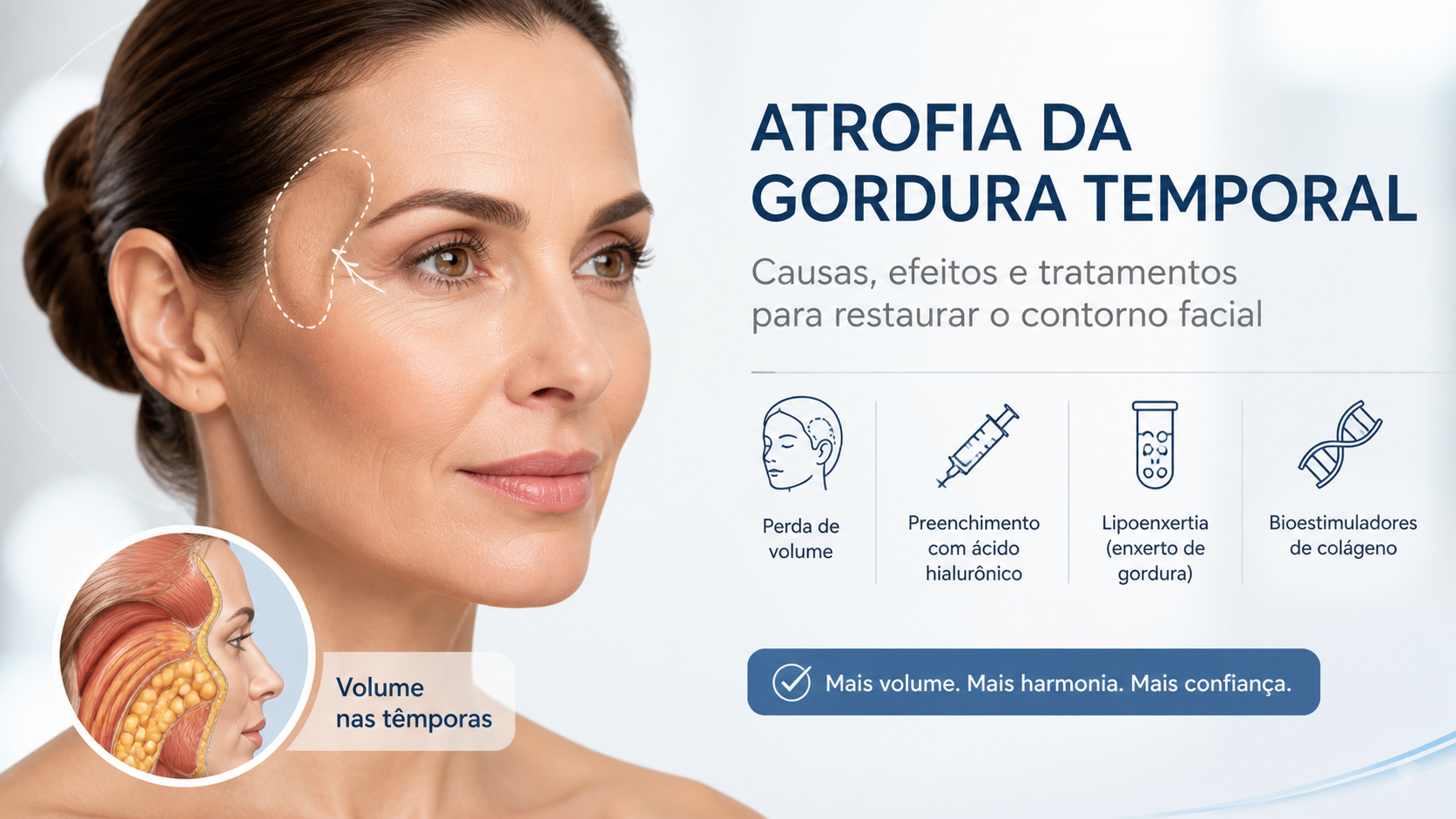
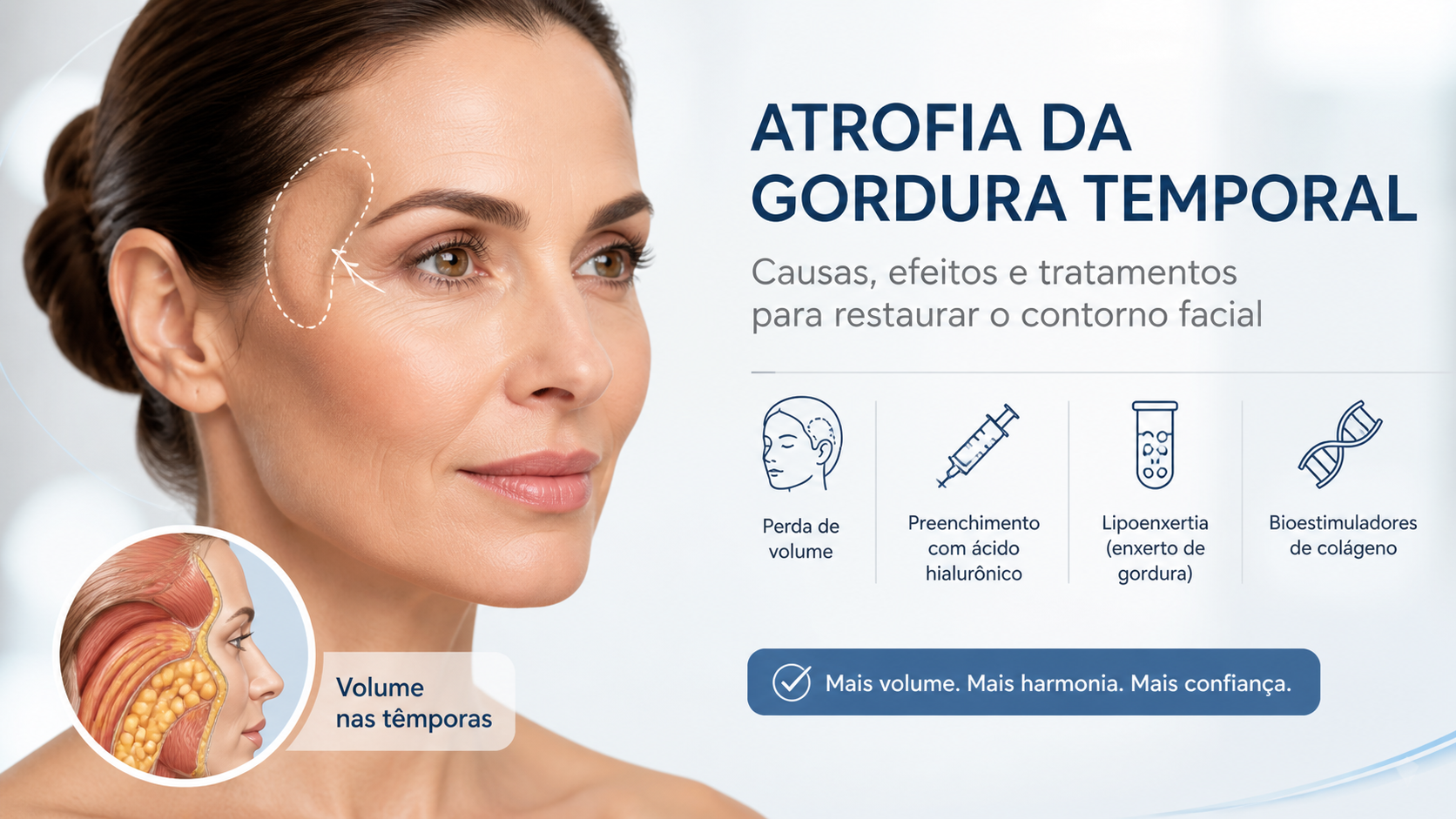
- Decreased facial volume;
- Skin laxity;
- Presence of a "double chin" or platysmal bands.
Surgical Technique:
However, rhytidectomy involves incisions usually around the ear (periauricular), which may extend to the scalp or behind the ear (retroauricular), and, in some cases, submental access for treatment of the cervical region. Thus, the procedure can be supplemented with:
- Endoscopy of the upper third (forehead) and middle third of the face;
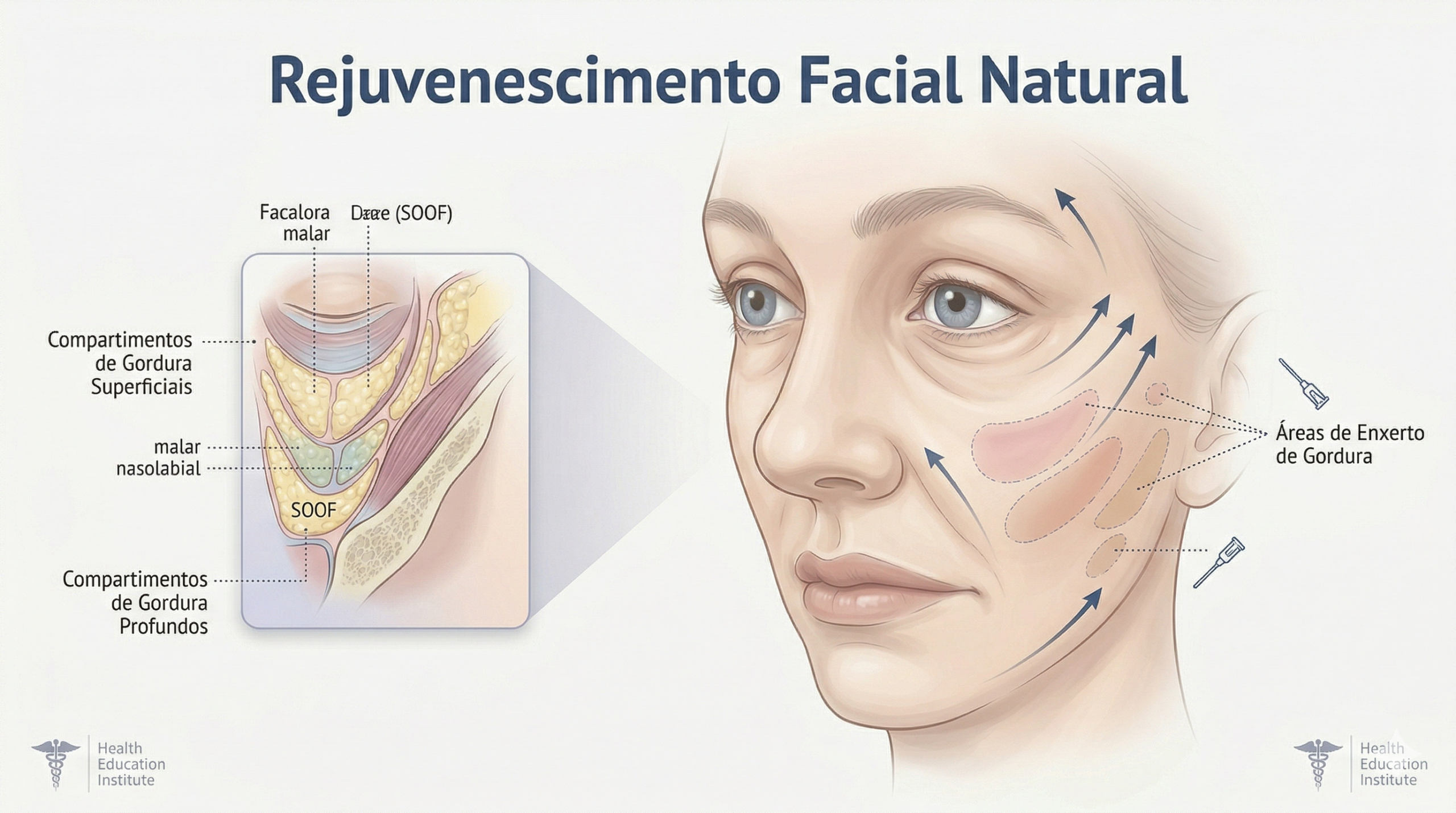
- Fat grafting (lipofilling);
- Variations in SMAS management, which can be superficial (with plication), sub-SMAS (High SMAS), or deeper than SMAS (Deep Plane), techniques adjusted according to each case;
- Association with blepharoplasty and eyebrow suspension techniques (using methods such as GBL, Castanhares, Coronal, temporal, suspension threads, endoscopic, etc.);
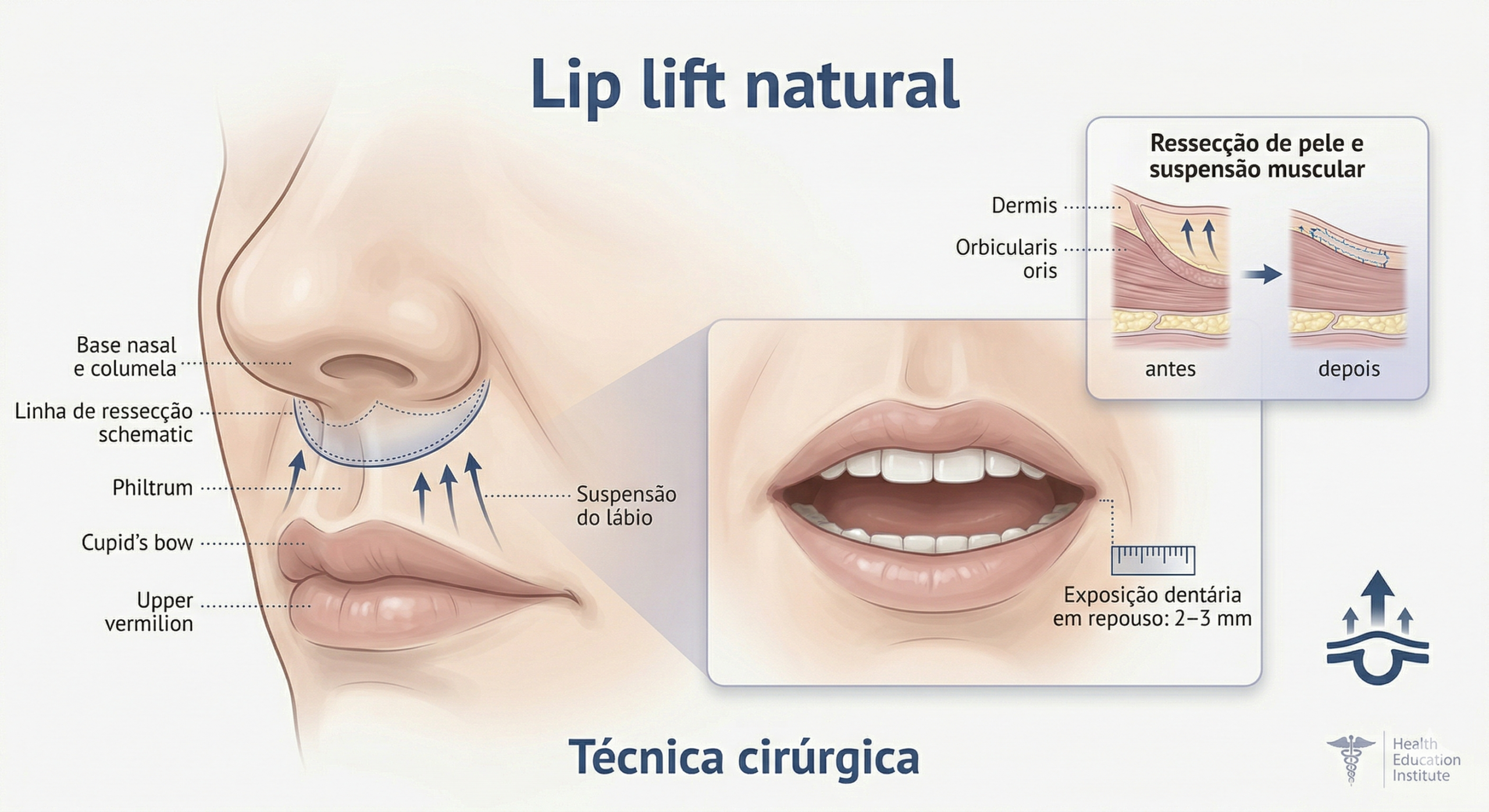
- Lip suspension (Lip Lifting) or fat grafting;
- Use of post-operative drains or hemostatic nets;
- Resection of deep fat and submandibular gland in the neck (Deep neck).
Anesthesia: The surgery is generally performed under local anesthesia with sedation or general anesthesia, depending on the extent of the procedure and the preference of the anesthesiologist and surgeon.
Surgery Duration:
The average duration of rhytidectomy varies from 3 to 8 hours, depending on the complexity and combination with other procedures.
Recovery:
Full recovery varies from 3 to 6 weeks, with the recommendation to avoid intense physical activities, such as running or squatting, for at least 8 weeks to ensure proper healing and prevent complications.
Benefits and Goals:
Thus, rhytidectomy provides a significant improvement in facial appearance, reducing wrinkles, improving facial and jawline contours, and combating skin laxity. The results aim not only to enhance facial aesthetics but also to improve patients' self-esteem and emotional well-being, with realistic expectations regarding the results being essential for satisfaction with the procedure.
Realistic Expectations:
It is crucial that patients have realistic expectations regarding the results of the surgery. Rhytidectomy can provide significant improvements in appearance, but it will not fundamentally alter the patient's facial identity or stop the aging process.
Risks and Complications of Rhytidectomy
Most Common to Most Surgeries:
- Hematoma: Accumulation of blood under the skin that may require surgical drainage.
- Infection: Risk that can be minimized with the use of antibiotics and strict aseptic techniques.
- Adverse Reactions to Anesthesia: Include allergies, respiratory problems, and adverse drug reactions, which are rare but can occur.
- Abnormal Scarring: May include hypertrophic scars or keloids, depending on the patient's predisposition.
- Excessive Bleeding: Although rare, it can occur during or after surgery, possibly requiring additional intervention.
Specific Risks of the Procedure:
- Nerve Damage: Risk of temporary or permanent damage to facial nerves, affecting muscle mobility and sensation.
- Asymmetry: Slight differences between the sides of the face may occur, although the surgeon strives to ensure symmetry.
- Skin Necrosis: Increased risk in smoking patients due to poor blood circulation, which can affect healing.
- Dissatisfaction with Aesthetic Results: Although most patients are satisfied, some may have unmet expectations.
Long-Term Complications:
- Changes in skin sensitivity: Changes in skin sensation, usually temporary, may persist for a longer period.
- Loss of contour: Changes in facial contour may occur over time due to natural aging or weight loss.
Preventive Measures:
- Choosing a Qualified Surgeon: Selecting an experienced and board-certified plastic surgeon significantly reduces associated risks.
- Adequate Pre- and Post-operative Care: Strictly follow the surgeon's instructions regarding care before and after surgery to minimize the risk of complications.
READ Post-Surgical Recovery: Controlled Cooling Therapy
- Clear Communication of Expectations: Openly discuss expectations and potential results with the surgeon to ensure a realistic understanding of what can be achieved.
Understanding these risks is essential for making an informed decision about undergoing a rhytidectomy. However, it is important to discuss any specific concerns or questions with your plastic surgeon.
Pre-operative Guidelines
Preparation for rhytidectomy involves a series of steps to ensure safe surgery and effective results. Therefore, here are the recommended pre-operative guidelines:
Pre-operative Consultations:
- Medical Evaluation: Undergo a complete evaluation with the plastic surgeon, including medical history, to discuss expectations, concerns, and the detailed surgical plan.
- Specific Instructions: The surgeon will provide instructions on what to do and what to avoid before surgery, such as medications, supplements, and lifestyle habits.
Tests:
- Blood tests and other diagnostic tests may be requested to assess general health and identify any condition that could complicate the procedure or recovery. (Bring the most recent tests on the day of surgery)
Medications:
- Inform your surgeon about all medications, vitamins, and supplements you are taking.
- It may be necessary to adjust or discontinue the use of certain medications before surgery, especially those that may increase the risk of bleeding.
Tobacco and Alcohol Abstinence:
- It is crucial to stop smoking at least 4 to 6 weeks before and after surgery, as smoking can significantly increase the risk of complications and delay healing.
- Alcohol consumption should also be limited or avoided before surgery to optimize recovery.
Day of Surgery:
- Fasting: Generally, it is necessary to fast for 8 to 12 hours before the scheduled surgery time.
- Clothing: Wear comfortable clothes that are easy to put on or take off on the day of surgery.
Makeup and Accessories:
- Arrive at the hospital or clinic without makeup, jewelry, or hair accessories. Nails should be clean and free of polish.
Companion:
- Arrange for a friend or family member to take you home after surgery, as you will not be able to drive.
Skin Care:
- Follow your surgeon's specific instructions for skin cleansing before the procedure to reduce the risk of infection.
Emotional State:
- Being mentally prepared for surgery is as important as being physically prepared. Discuss any anxieties or concerns with your surgeon.
Following these pre-operative guidelines can help ensure a safer procedure and a faster, more effective recovery. Therefore, if you have questions or need further clarification, do not hesitate to contact your surgeon.
Post-operative Guidelines for Rhytidectomy
Recovery after rhytidectomy requires specific attention and care to ensure proper healing and satisfactory results. Thus, here are some general recommendations for the post-operative period:
Dressing:
- After surgery, a dressing will be applied around your face to minimize swelling and bruising. Therefore, follow your surgeon's instructions on how to care for this dressing and when it will be removed.
Scar Care:
- Your surgeon will provide guidance on how to care for the incisions to promote healing and reduce scar visibility. So, this may include the use of ointments, gentle cleaning, and limited sun exposure.
Movement:
- It is recommended to take light walks indoors from the first day after surgery to promote blood circulation, but avoid intense physical activities or those that increase blood pressure for at least 4 to 6 weeks.
Driving:
- You should avoid driving while taking medications that cause drowsiness or until you have full mobility and comfort, which may take several days.
Showering:
- Follow your surgeon's specific instructions on when it is safe to shower or wash your face and hair after surgery.
Clothing:
- Wear button-down or front-closure clothing to avoid having to pull them over your head while recovering.
Diet:
- Prefer a healthy diet rich in nutrients that can aid in the healing process. Staying hydrated is also crucial.
Medications:
- Take all medications prescribed by your surgeon, including antibiotics and pain relievers, as directed.
READ Otoplasty: plastic or aesthetic ear surgery
Warning Signs:
- Be aware of signs of complications, such as increased pain, redness, fever, discharge from incisions, or any other unusual symptom, and inform your surgeon immediately.
Follow-up with Doctor:
- Attend all scheduled follow-up appointments so your progress can be monitored and any adjustments to the post-operative care plan can be made.
Specific Physical Recommendations After Rhytidectomy:
- First Week: Rest plenty and keep your head elevated to reduce swelling. Avoid excessive facial movements.
- Second Week: It may be possible to resume light activities and work, as long as they do not require physical exertion.
- Third and Fourth Week: Gradually increase daily activities, still avoiding intense exertion.
- After One Month: Most normal activities, including light exercise, can be resumed, always following your surgeon's guidance.
However, each person recovers at their own pace, and it is important to follow the specific guidelines provided by your plastic surgeon. Therefore, patience and proper care during the recovery process are essential to achieving the best possible results.
Physical Recommendations
After a rhytidectomy, adopting certain physical recommendations is crucial to ensure a smooth and effective recovery and to maximize the surgical results. Here are some specific guidelines:
Immediately After Surgery:
- Rest: Rest with your head elevated on pillows to reduce swelling and bruising.
- Local Cold Compress: Applying cold compresses (not directly on the skin) can help minimize swelling and discomfort in the first 48 hours.
First Weeks:
- Light Activities: Start light walks indoors to promote blood circulation. Therefore, avoid intense physical exertion, activities that increase blood pressure, or any exercise that could stress the incisions.
- Sun Exposure: Avoid direct sun exposure in the first weeks. Use adequate sun protection (SPF 30 or higher) if you need to go out in the sun, after your surgeon's approval.
After 4-6 Weeks:
- Gradual Return to Physical Activities: You can gradually resume more intense physical activities, as advised by your surgeon. This should be done progressively to avoid any complications.
Long-Term Care:
- Sun Protection: Continuous sun protection is vital to prevent damage to sensitized skin and to prevent the formation of hyperpigmented scars.
- Hydration and Nutrition: Maintain adequate hydration and a balanced diet rich in vitamins and minerals to support healing and maintain overall skin health.
- Skin Care: Follow a skin care regimen recommended by your surgeon or dermatologist to maintain the results of your rhytidectomy and the overall health of your skin.
Important Observations:
- Specific recommendations may vary depending on the surgical techniques used and the individual patient's response to surgery.
- It is crucial to follow your plastic surgeon's guidelines at all stages of recovery to ensure the best possible results and minimize the risk of complications.
Adherence to these physical recommendations after a rhytidectomy is a fundamental part of the recovery process and plays a significant role in optimizing aesthetic outcomes.
Psychological Support
Cosmetic surgery, such as rhytidectomy, not only involves physical recovery but can also have a significant impact on the patient's emotional and psychological well-being. Therefore, psychological support is an important part of the recovery process and can help patients adjust their expectations and cope with changes in their appearance.
Importance of Psychological Support:
- Adjustment of Expectations: Helps patients to have realistic expectations about the surgical results, helping to avoid disappointments or dissatisfaction.
- Emotional Support: Provides a safe space to discuss any anxieties, fears, or concerns related to surgery and recovery.
- Adaptation to Changes: Helps patients adapt to changes in their appearance and reinforce their self-image and self-esteem after surgery.
- Stress Management: Offers strategies to deal with stress and anxiety during the recovery process.
When to Seek Psychological Support:
- Before Surgery: To help establish realistic expectations and prepare emotionally for the change.
- During Recovery: If there are emotional difficulties or dissatisfaction with initial results due to swelling and scarring.
- After Recovery: If self-image issues or emotional adjustments related to the final surgical results persist.
How Psychological Support Can Help:
- Education: Inform about the recovery process and the time needed to see the final results.
- Development of Coping Strategies: Teach techniques to manage emotions and stress related to surgery and recovery.
- Continuous Support: Offer continuous support for self-esteem issues and adjustments to the new body image.
READ How is blepharoplasty recovery? A detailed look at the post-operative period
Recommendations:
- Seek Qualified Professionals: Look for a psychologist or therapist experienced in supporting patients who have undergone cosmetic surgery.
- Communicate with Your Medical Team: Keep your medical team informed about your emotional and psychological health.
- Participate in Support Groups: Consider joining support groups to share experiences and receive support from people who have undergone similar procedures.
Psychological support is a valuable resource that can significantly improve the recovery experience and long-term results for rhytidectomy patients, ensuring that both physical and emotional health are cared for.
Long-Term Results
The results of rhytidectomy are designed to be long-lasting, providing a more youthful and revitalized appearance. However, it is important to understand that the aging process continues and can influence long-term results. However, here are some key points about long-term results and how to maintain them:
Durability of Results:
- The results of rhytidectomy can vary significantly among patients, but they are generally long-lasting. Most patients can expect to maintain results for many years after surgery.
- Individual factors such as genetics, skin quality, and lifestyle can influence the longevity of the results.
Maintenance of Results:
- Sun Protection: Prolonged sun exposure can accelerate skin aging. Daily sun protection is essential to preserve the results.
- Skin Care: Maintaining a skin care routine, including hydration and treatments recommended by a dermatologist, can help keep the skin healthy and prolong the effects of surgery.
- Healthy Lifestyle: A balanced diet, adequate hydration, avoiding smoking and excessive alcohol consumption, and regular exercise contribute to overall skin health and can positively impact the duration of the results.
- Complementary Treatments: Non-surgical treatments, such as fillers, Botox, and laser therapies, can be used to maintain or enhance the results of rhytidectomy.
Future Considerations:
- Although the results are long-lasting, changes in skin and facial structures due to natural aging may eventually alter the appearance obtained with surgery.
- In some cases, patients may opt for additional procedures years later to adjust or update the results.
Communication with Your Surgeon:
- It is important to maintain a continuous relationship with your plastic surgeon and attend follow-up consultations as recommended. These consultations are opportunities to discuss your skin health, possible concerns, and options to maintain or improve results over time.
Understanding and following long-term care recommendations is crucial to maximizing the durability of rhytidectomy results. Thus, maintaining a healthy lifestyle and consistent skin care are fundamental to preserving your new appearance.
Frequently Asked Questions (FAQs)
1. How long does rhytidectomy recovery last?
Recovery varies among patients, but many can resume normal activities within 2 to 3 weeks. Swelling and bruising significantly decrease in the first few weeks, but the final appearance may take several months to stabilize completely.
2. Is rhytidectomy painful?
Patients may experience discomfort, especially in the first few days after surgery. Pain can be well controlled with medications prescribed by the surgeon.
3. What are the risks of rhytidectomy?
As with any surgery, there are risks, including, but not limited to, infection, hematoma, nerve damage, asymmetry, and dissatisfaction with aesthetic results. Openly discussing the risks with your surgeon can help to understand and minimize these possibilities.
4. When will I see the final results of my rhytidectomy?
While initial results are visible soon after swelling and bruising subside, final results can take up to a year to become fully apparent as the skin adjusts and tissues heal.
5. Does rhytidectomy leave visible scars?
The plastic surgeon will strive to make incisions in discreet areas, such as along the hairline and around the ears, to minimize the visibility of scars. However, over time, scars tend to become less noticeable.
6. Can I combine rhytidectomy with other procedures?
Yes, it is common to combine rhytidectomy with other procedures, such as blepharoplasty (eyelid surgery), liposuction on the neck contour, or skin resurfacing, to achieve more complete facial rejuvenation.
7. How can I ensure the best results?
Choosing a qualified and experienced plastic surgeon, following all pre- and post-operative instructions, and maintaining a healthy lifestyle are essential to ensuring the best possible results.
8. Is rhytidectomy suitable for me?
The decision to undergo a rhytidectomy should be made after a detailed consultation with a board-certified plastic surgeon, who will assess your individual needs, expectations, and health conditions to determine if this is the most appropriate procedure for you.
Related articles


Agendar consulta
Precisa de orientação personalizada?
Marque uma avaliação com o Dr. Fernando Amato e tire as suas dúvidas sobre cirurgia plástica.
Falar no WhatsApp