- Diseases
Sacrococcygeal Teratoma: Understand the tumor that even grows TEETH
- April 22, 2024
- By Fernando Amato
Sacrococcygeal teratoma is a medical condition that brings both interest and concern. Originating at the base of the spine, in a region known as the sacrococcygeal region, this tumor is notable for its composition: a complex mixture of tissues, including hair, muscle, and sometimes even teeth. Although it is a rare condition, knowledge and understanding of this pathology are fundamental, both for healthcare professionals and for families of affected patients.
- 🤔 Sacrococcygeal Teratoma: The most common congenital tumor in newborns.
- 🏥 Early Diagnosis: Crucial for a favorable prognosis.
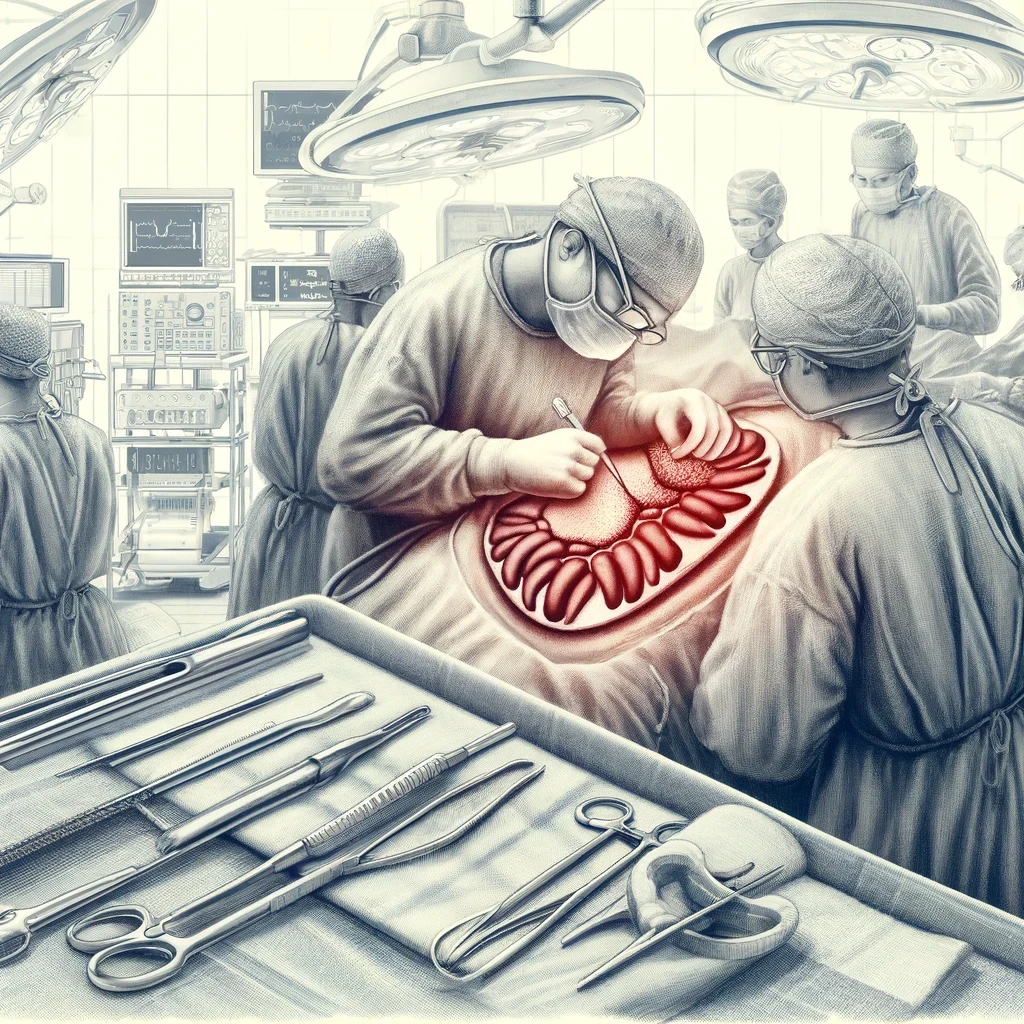
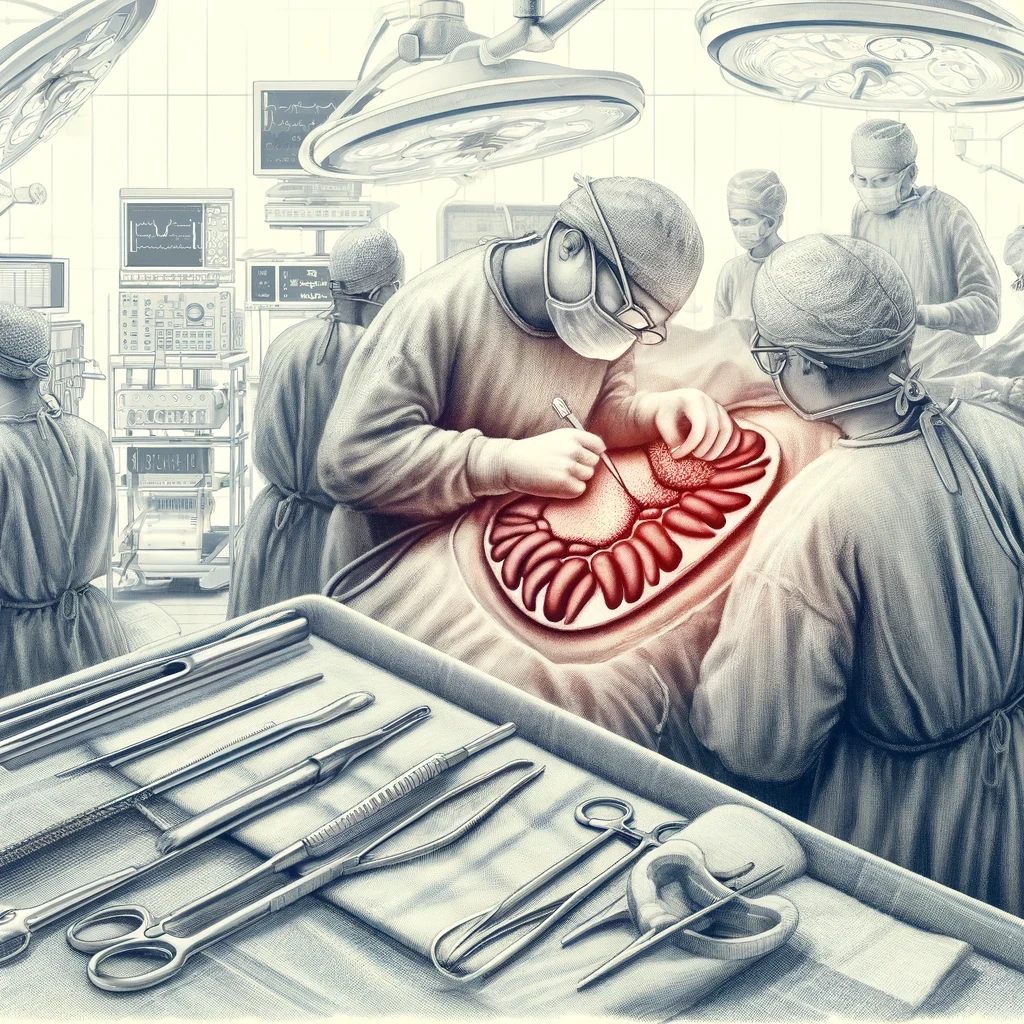
- 🛠 Main Treatment: Surgery for complete tumor removal.
- 📊 Diverse Composition: May contain tissues such as hair, muscle, and teeth.
- 🚼 Symptoms: Often asymptomatic, but may include a visible mass.
What is Sacrococcygeal Teratoma?
The sacrococcygeal teratoma represents the most common type of tumor found in newborns, characterized by its germinal origin, meaning it can contain various types of tissues, such as those mentioned above. Although it is most frequently diagnosed at birth or in the first months of life, some cases may not be identified until late childhood or adulthood, especially if the tumor is small and causes no symptoms.
Diagnosis and Treatment
Early diagnosis is crucial and is usually made through prenatal ultrasound or after birth through physical examinations and imaging, such as ultrasound, computed tomography (CT), or magnetic resonance imaging (MRI). Therefore, treatment usually involves surgery to completely remove the tumor, preventing complications and possible recurrences.
Signs and Symptoms to Observe
- Visible mass in the sacral or coccygeal region.
- Problems with anesthesia due to the tumor's location.
- In rare cases, there may be symptoms related to the pressure the tumor exerts on nearby structures.
Questions and Answers:
- What makes sacrococcygeal teratoma unique?
- Its heterogeneous composition, containing various types of tissues.
- How is sacrococcygeal teratoma diagnosed?
- Through prenatal ultrasound and imaging exams after birth.
- Is sacrococcygeal teratoma cancerous?
- Although most are benign, there is a risk of malignancy, especially in untreated cases.
- What is the treatment for sacrococcygeal teratoma?
- Surgical removal of the tumor is the treatment of choice.
- Is there any recommendation for the post-operative period?
- Follow-up with imaging exams to monitor possible recurrences and evaluation by a multidisciplinary team.
- Newborns of which sex are most affected by this type of tumor?
- Sacrococcygeal teratoma is more common in female newborns.
- Can it recur after removal?
- Yes, especially if the removal is not complete.
- What are the risks associated with teratoma removal surgery?
- Standard surgical risks and possible complications due to the tumor's location.
- Are there symptoms parents should watch for after surgery?
- Changes at the surgical site, signs of infection, or tumor recurrence.
- How can parents support their children's recovery after surgery?
- By following the post-operative tips provided by the healthcare team and maintaining follow-up appointments.
Keywords:
#SacrococcygealTeratoma #CongenitalTumor #PediatricSurgery #EarlyDiagnosis #PostSurgicalRecovery
Related articles



Agendar consulta
Precisa de orientação personalizada?
Marque uma avaliação com o Dr. Fernando Amato e tire as suas dúvidas sobre cirurgia plástica.
Falar no WhatsApp