What is abdominal plication?
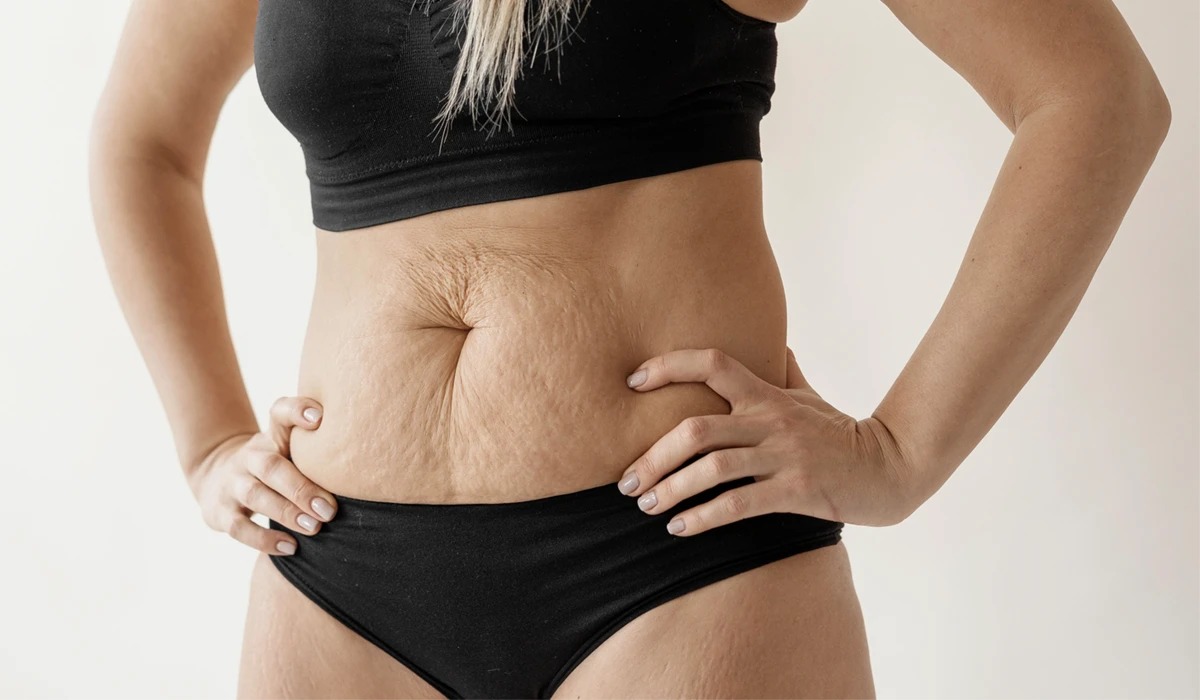
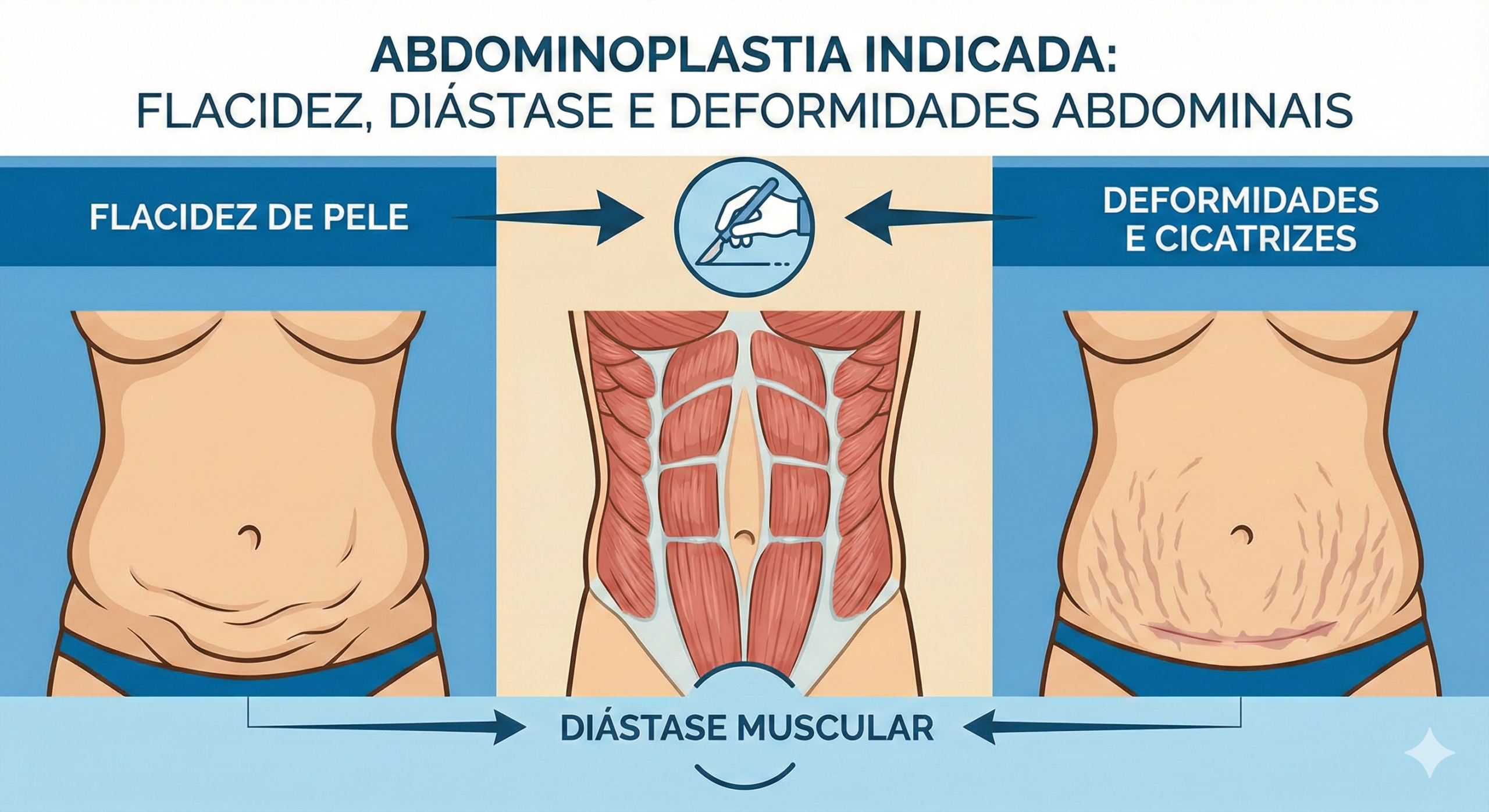
Abdominal plication is a surgical technique used to approximate and reinforce the abdominal wall when diastasis is present—that is, the separation of the rectus abdominis muscles due to the widening of the linea alba. Conventional repair is performed by placing sutures in the aponeurosis—the fibrous tissue that encloses and supports the muscles—rather than by cutting or suturing the muscle bellies directly.
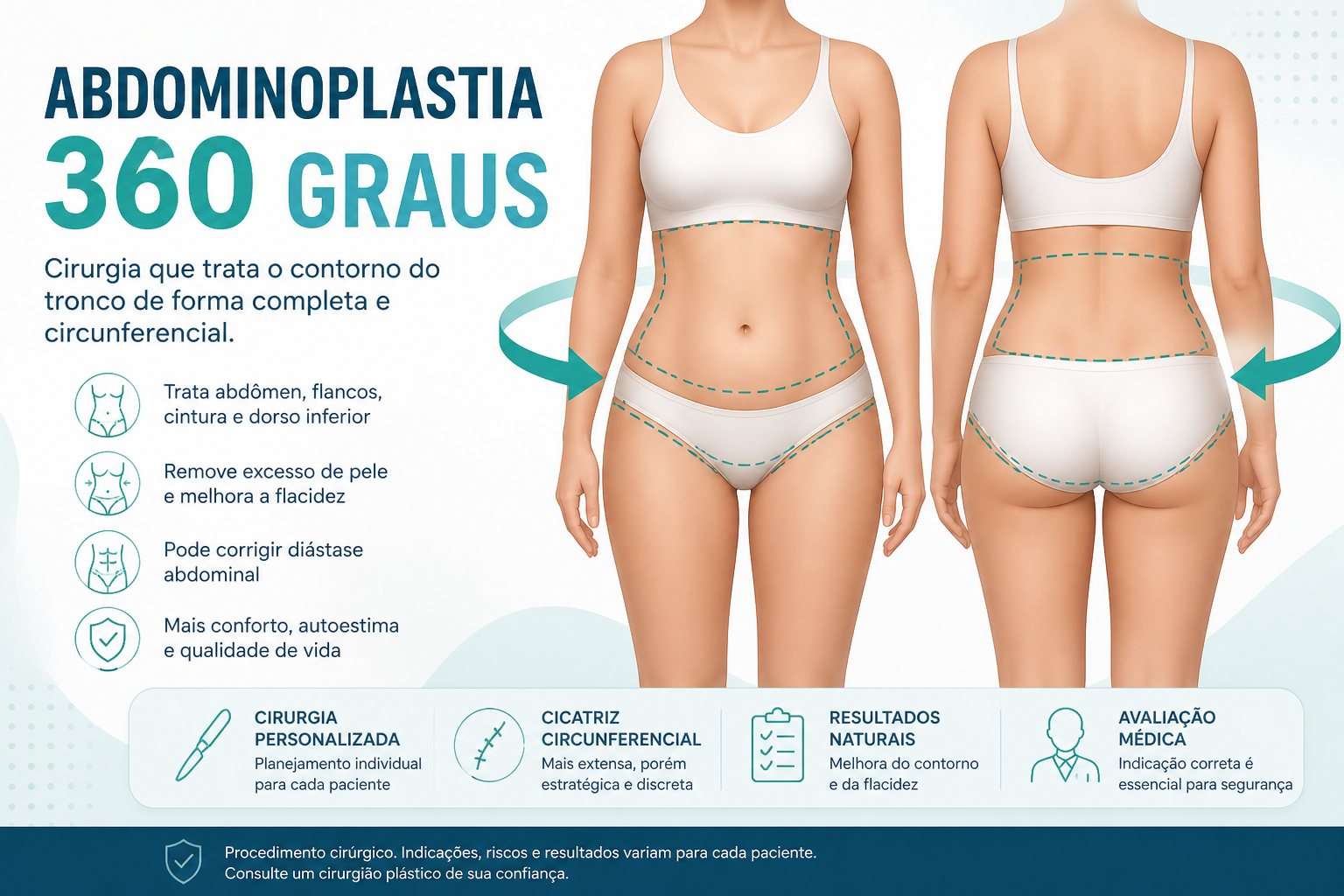
It can be performed during an abdominoplasty, but muscle repair and the removal of excess skin are distinct procedures.
How does rectus muscle plication work?
The surgeon evaluates the extent of the diastasis, which can affect the supraumbilical and infraumbilical regions, and plans sutures in the anterior rectus sheath. This approximation aims to reduce muscle separation and restore support to the abdominal wall. It can alter the waist contour, but it does not replace liposuction or skin resection when those interventions are needed.
Why use the anterior aponeurosis?
The rectus sheath is formed by the aponeurotic expansions of the lateral abdominal muscles. The anterior layer constitutes the conventional plane for suturing during abdominoplasty.
Amorim, Nahas, and colleagues (2007) compared the medial tensile strength of the anterior and posterior layers in cadavers, noting greater resistance to displacement in the anterior layer. This finding helps in understanding biomechanics, but it does not make a single surgical plane mandatory for all repairs. Complex hernias may require other tissue mobilization techniques.
Main plication techniques
Two-layer plication
This technique uses a first layer to approximate the aponeurotic structures and a second layer to reinforce the repair line. It is widely described, but universal superiority over all single-layer techniques has not been demonstrated.
Single-layer plication
Employs a single suture line, either continuous or interrupted, depending on the technique and material chosen.
In a randomized trial published by Gama and colleagues (2017), 30 women undergoing abdominoplasty were allocated among three techniques: two layers with nylon, a continuous single layer with nylon, and a continuous single layer with barbed suture. Single-layer plication reduced operative time, but three patients in the barbed group experienced recurrence at six months. The results highlight the need to balance speed, stability, and suture characteristics.
Triangular suture
Ferreira and colleagues (2001) described the triangular mattress suture to redistribute forces and reduce epigastric bulging that might persist in certain repairs. The technique takes into account both transverse and longitudinal components of the deformity. It is a specialized alternative, not required in every abdominoplasty.
What is the best suture material for abdominal plication?
| Material | Characteristics |
|---|---|
| Non-absorbable nylon | Remains in the body and provides prolonged support |
| Polydioxanone (PDS) | Long-lasting absorbable, maintaining tensile strength during healing |
| Barbed or self-retaining sutures | Small barbs help maintain tension; can be absorbable or non-absorbable |
There is not enough evidence to declare that one material is the best in all situations. Non-absorbable sutures do not eliminate the risk of recurrence and can cause palpability or localized reaction. Long-lasting absorbable sutures can also provide stable results.
Nahas and colleagues (2011) followed 12 women who underwent two-layer plication with PDS by computed tomography for 32 to 48 months, without identifying recurrences in this sample. Jackson and colleagues (2024) retrospectively evaluated 71 women operated on with long-lasting absorbable sutures, with no clinical recurrence identified at an average follow-up of 21.1 months. These studies have methodological limitations and do not establish absolute superiority.
How long does the correction last?
Durability depends on the technique, the tissues, healing, and potential subsequent changes, including new pregnancies and major weight fluctuations.
Nahas, Ferreira, Augusto, and Ghelfond (2005) followed 12 women by computed tomography up to 76–84 months after plication with non-absorbable suture. None presented recurrence at the evaluated levels, even with an average weight gain of 6.5 kg. This is a small series: the result does not represent an individual guarantee.
Can the plication reopen?
Yes. Persistence and recurrence of diastasis are possible. Van Uchelen and colleagues (2001) identified residual or recurrent separation in 40% of 40 women evaluated ultrasonographically after an average follow-up of approximately five years. This result should not be applied indiscriminately to current techniques and materials, as there are significant differences in method and population.
When is surgical mesh necessary?
Mesh is an implant used to reinforce the abdominal wall in certain repairs. In isolated diastasis, plication can often be performed without mesh.
The recommendations of the European Hernia Society consider plication an option for diastasis without concomitant hernia. In the presence of an umbilical or epigastric hernia, a mesh repair may be indicated; in very small defects, smaller than 1 cm, there are situations in which plication alone may be considered.
In a randomized trial published in 2025, 86 women with symptomatic postpartum diastasis were assigned to suture repair or mesh-reinforced repair. Among the 84 who completed the one-year follow-up, recurrence was 5% in both groups. Mesh reinforcement reduced the inter-rectus distance more, but showed no demonstrated reduction in recurrence during this follow-up. The decision must consider the individual case.
Does plication improve muscle function?
Studies with selected symptomatic patients found improvement in trunk function measures and quality of life after correction. However, the width of the diastasis alone does not predict symptoms, and it is not possible to promise improved strength or elimination of lower back pain to all patients.
Physical therapy and other conservative measures remain relevant, especially when there is no clear anatomical or functional indication for intervention.
What are the risks?
In addition to persistence or recurrence of the separation, discomfort, a feeling of tightness, suture palpability, and contour irregularities may occur. When combined with abdominoplasty, there are risks such as seroma, hematoma, infection, scar changes, and thromboembolism. Excessively tight corrections can increase intra-abdominal pressure and, in specific situations, compromise respiratory dynamics.
Which technique to choose?
There is no universal gold standard for all patients. The number of layers, suture arrangement, suture material, and potential mesh reinforcement depend on anatomy, tissue strength, the presence of hernias, and risk assessment. Surgical planning should be shared with the patient, explaining alternatives and the limitations of current evidence.
Conclusion
Abdominal plication surgically corrects diastasis by approximating the aponeurotic structure. Different materials and suture architectures can offer long-term stability, but no method guarantees the absence of recurrence. The goal is to achieve balanced anatomical correction, respecting tissue integrity, symptoms, and safety.
Scientific references
- Amorim CR, Nahas FX, et al. Tensile strength of the posterior and anterior layer of the rectus abdominis muscle sheath in cadavers. Acta Cir Bras. 2007;22(4):255-259. https://doi.org/10.1590/S0102-86502007000400005
- Ferreira LM, Castilho HT, Hochberg J, et al. Triangular mattress suture in abdominal diastasis to prevent epigastric bulging. Ann Plast Surg. 2001;46(2):130-134. https://doi.org/10.1097/00000637-200102000-00007
- Nahas FX, Ferreira LM, Augusto SM, Ghelfond C. Long-term follow-up of correction of rectus diastasis. Plast Reconstr Surg. 2005;115(6):1736-1741. https://doi.org/10.1097/01.prs.0000161675.55337.f1
- Van Uchelen JH, et al. The long-term durability of plication of the anterior rectus sheath assessed by ultrasonography. Plast Reconstr Surg. 2001. https://pubmed.ncbi.nlm.nih.gov/11335840/
- Nahas FX, Ferreira LM, Ely PB, Ghelfond C. Rectus diastasis corrected with absorbable suture: a long-term evaluation. Aesthetic Plast Surg. 2011;35(1):43-48. https://doi.org/10.1007/s00266-010-9554-2
- Gama LJM, Barbosa MVJ, Czapkowski A, et al. Single-Layer Plication for Repair of Diastasis Recti: The Most Rapid and Efficient Technique. Aesthet Surg J. 2017;37(6):698-705. https://doi.org/10.1093/asj/sjw263
- Hernández-Granados P, et al. European Hernia Society guidelines on management of rectus diastasis. Br J Surg. 2021;108(10):1189-1191. https://doi.org/10.1093/bjs/znab128
- Jackson BT, Moradian S, Bricker JT, et al. Do Absorbable Sutures Work for Rectus Diastasis Repair in Abdominoplasty Patients? Aesthet Surg J Open Forum. 2024;6:ojae040. https://doi.org/10.1093/asjof/ojae040
- Rectus diastasis repair with and without mesh at 1 year: randomized clinical trial. Br J Surg. 2025. https://doi.org/10.1093/bjs/znaf231
Dr. Fernando Amato
Plastic Surgeon — CRM-SP 133826 | RQE 51573 | RQE 51436
https://plastico.pro
Agendar consulta
Precisa de orientação personalizada?
Marque uma avaliação com o Dr. Fernando Amato e tire as suas dúvidas sobre cirurgia plástica.
Falar no WhatsApp