- Plastic Surgery
360-degree abdominoplasty: what it is, who it's for, and what to expect
- May 11, 2026
- By Fernando Amato
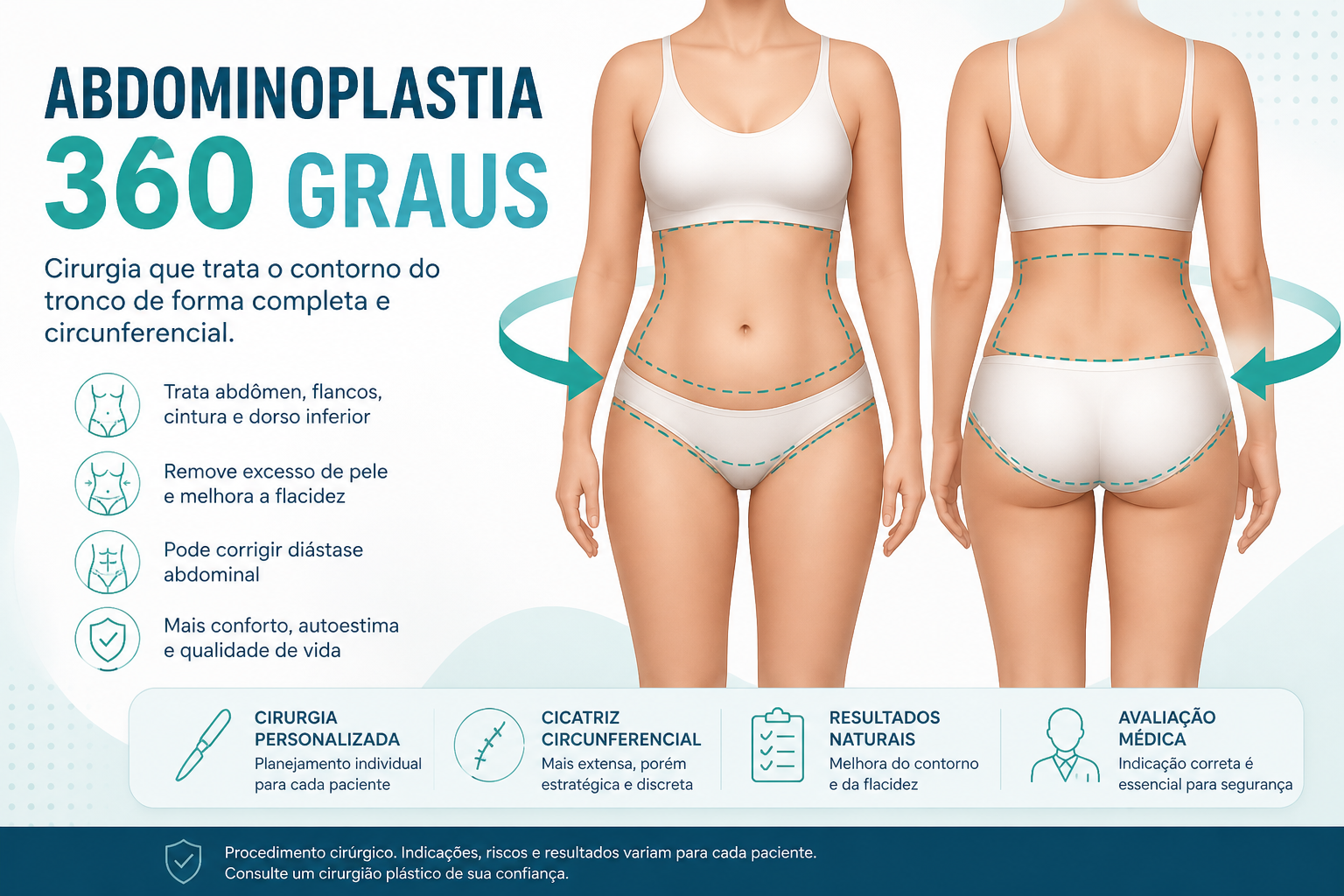
360-degree abdominoplasty is a term used to describe a body contouring surgery that treats the torso more comprehensively, not just the front of the abdomen. In many cases, it approximates the concept of circumferential abdominoplasty or lower body lift, addressing the abdomen, flanks, waist, and lower back. In some patients, there can also be indirect improvement in tissue sagging in the lateral hip and gluteal regions.
In practice, the name may vary among surgeons and clinics. Therefore, it is more important to understand exactly which areas will be treated, what the extent of the scar will be, and what objectives are realistic for your case. The surgery is not for weight loss. It aims to improve skin laxity, excess skin, and body contour in well-selected patients.
What is 360-degree abdominoplasty
360-degree abdominoplasty is indicated when skin laxity and excess skin are not limited to the frontal abdomen. However, instead of correcting only the front of the belly, the proposal is to treat the torso as a unit, also paying attention to the waist, flanks, and lower back.
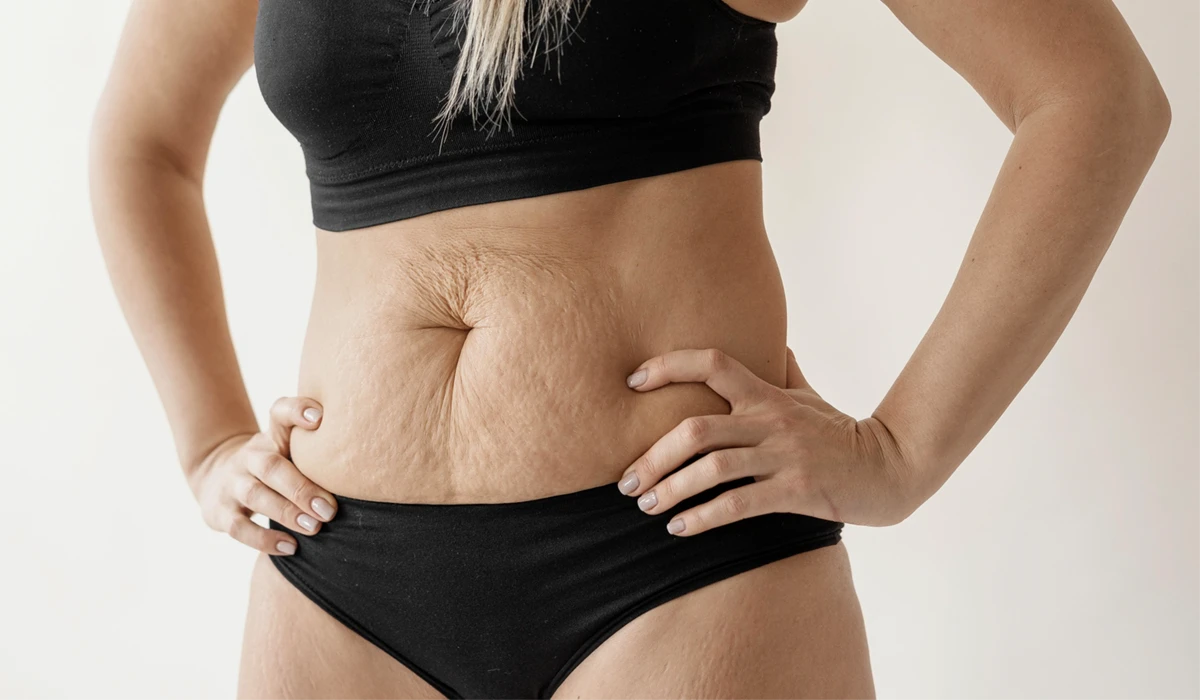
In many cases, surgeons consider this approach when there is excess skin around the entire waist, especially after pregnancies, significant weight loss, or bariatric surgery. When this circumferential pattern exists, a traditional abdominoplasty may not be sufficient to correct all aesthetic and functional discomfort.
What the surgery can correct
The surgery can help correct:
- excess skin in the abdomen
- abdominal laxity
- excess skin in the flanks and lower back
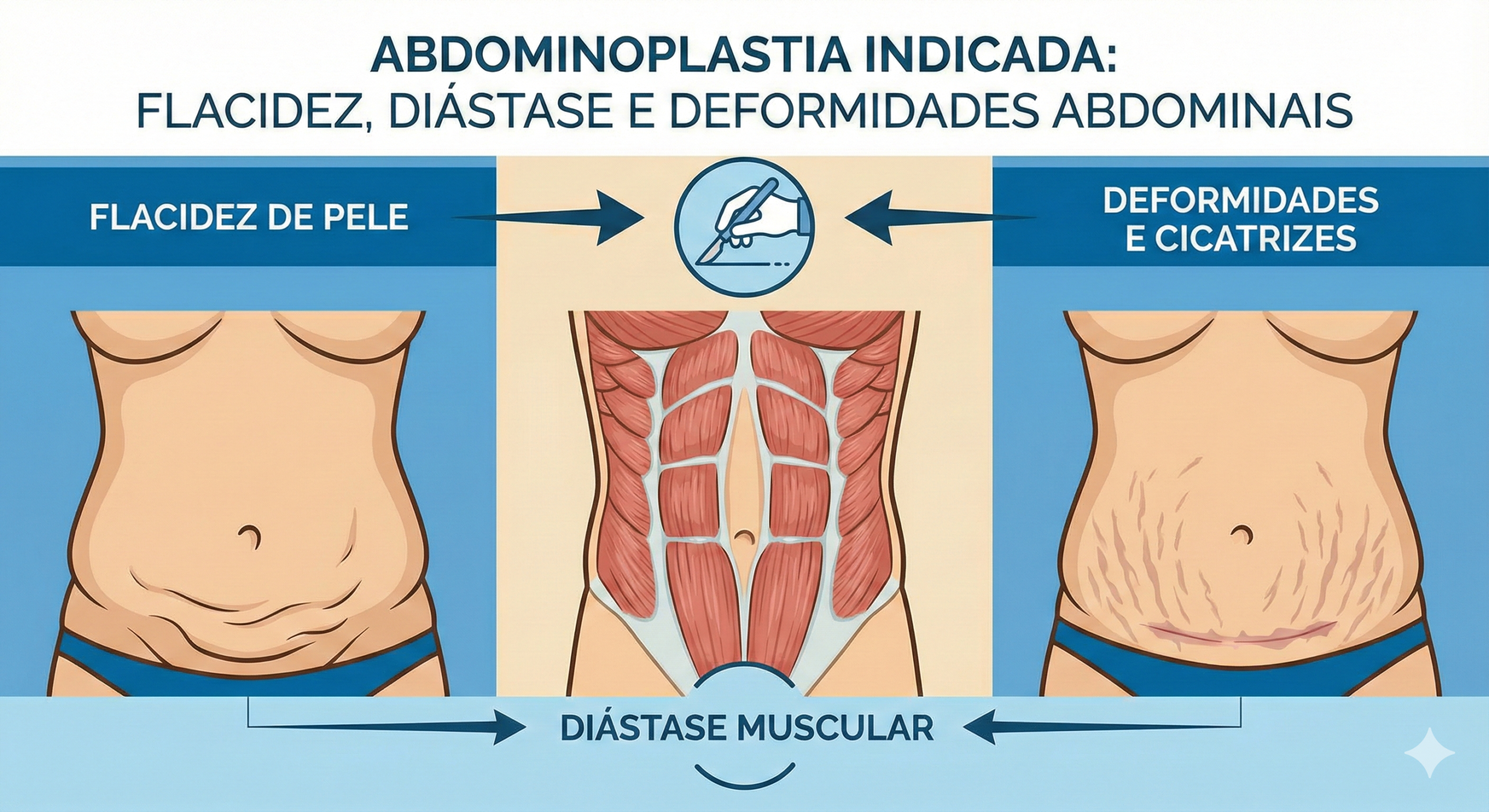
- abdominal diastasis, when present
- waist contour deformity
- discomfort caused by skin folds
Diastasis is the separation of the rectus abdominis muscles, common after pregnancy or significant weight fluctuations. When present, the surgeon can treat it during surgery, contributing to an abdomen with better support.
In patients with significant weight loss, the benefit can go beyond appearance. The removal of excess skin can reduce chafing, facilitate hygiene, and improve the fit of clothes.
Difference between traditional abdominoplasty and 360-degree abdominoplasty
Traditional abdominoplasty primarily treats the anterior part of the abdomen. It removes excess skin, can correct diastasis, and improves the frontal abdominal profile. 360-degree abdominoplasty expands this concept and considers the torso contour circumferentially.
This means that the scar may extend beyond the front of the abdomen, reaching the sides and posterior part of the waist. In return, the surgery can offer a more complete improvement in body contour in patients with laxity around the entire torso.
To better understand these differences, it is also worth reading Abdominoplasty and Types of Abdominoplasty.
Are 360-degree abdominoplasty and liposuction the same thing?
No. Liposuction treats localized fat and helps define contour, but it does not correct significant skin laxity or reposition sagging tissues. 360-degree abdominoplasty, on the other hand, is a surgery primarily aimed at excess skin, laxity, and, in some cases, muscle diastasis.
In certain patients, the surgeon may combine the two procedures. This depends on the indication, the safety of the surgical act, and individual assessment. Not every person undergoing abdominoplasty needs associated liposuction.
Who is 360-degree abdominoplasty usually indicated for?
Generally, the best candidate is a person who presents with:
- significant laxity in the abdomen and around the waist
- excess skin after significant weight loss
- more stable weight
- good clinical condition for a major surgery
- realistic expectations about scars, recovery, and results
This surgery is often considered in post-bariatric patients or after significant weight loss, when excess skin involves the abdomen, sides, and lower back. It may also be indicated after pregnancies, when there is a combination of skin laxity and weakening of the abdominal wall.
However, the indication should never be made based solely on photos or the desire for a specific result. Physical examination and individual medical evaluation are indispensable.
When surgery might not be the best choice
Not every case of abdominal laxity requires circumferential surgery. For some people, a conventional abdominoplasty works well. For others, the best strategy may be to divide the treatment into stages, rather than performing a more extensive operation all at once.
It may also be necessary to postpone surgery when there is ongoing weight loss, active smoking, decompensated clinical conditions, or expectations incompatible with what the technique actually delivers.
How surgical planning is done
Planning for 360-degree abdominoplasty needs to be detailed. The surgeon evaluates the distribution of laxity, skin quality, presence of diastasis, history of previous surgeries, current weight, weight stability, and the patient's health conditions.
During this consultation, the following should also be discussed:
- probable scar extension
- possibility of drains
- need for muscle correction or not
- association with other procedures
- recovery guidelines
- specific risks of the case
Before surgery, it is often useful to review Pre-operative exams and Abdominoplasty Tips, because adequate preparation directly influences safety.
How the scars look
This is one of the most important points of the pre-operative discussion. As the goal is to treat the torso more broadly, the scar from 360-degree abdominoplasty tends to be larger than that of a traditional abdominoplasty. In many cases, it follows a large part of the waistline.
This does not mean that the scar will be the same in all patients. The shape, extent, and position vary according to anatomy, the volume of excess skin, and the chosen technique. The goal is to position it as strategically as possible, but it is essential to understand from the outset that it is a trade-off: more laxity correction in exchange for a larger scar.
Scar healing quality also depends on individual factors, such as genetics, skin tension, infection, clinical control, and smoking.
Risks of 360-degree abdominoplasty
Like any surgery, 360-degree abdominoplasty involves risks and limitations. Among the main ones are:
- seroma
- bleeding
- infection
- wound dehiscence
- changes in sensation
- asymmetries
- skin compromise
- thrombosis
- need for touch-ups or revisions
Being a more extensive surgery, patient selection needs to be careful. The magnitude of the procedure, surgical time, and treated area make the judicious choice of indication and surgical environment even more important.
Another essential point is smoking. The use of cigarettes and nicotine increases the risk of healing complications and can compromise the result. Therefore, this issue must be treated seriously before surgery. It is also worth reviewing Smoking/Tobacco use.
Recovery from 360-degree abdominoplasty
Recovery varies depending on the extent of the surgery, its association with other procedures, and the clinical characteristics of each patient. In the initial postoperative period, it is common to have swelling, a sensation of tightness, limitation in standing fully erect, and the need to follow strict guidelines regarding relative rest, dressings, compression garments, and mobilization.
Return to activities happens progressively. The exact time should be defined by the surgeon based on individual evolution. The result also does not appear immediately and definitively. The contour improves over weeks and months as swelling reduces and tissues settle.
This is an important point for aligning expectations: surgery can greatly improve body contour, but it does not produce perfection and does not stop the natural aging of tissues.
360-degree abdominoplasty after bariatric surgery or significant weight loss
This is one of the most common contexts for indicating the technique. After significant weight loss, the skin can become redundant around the entire torso. In these cases, surgery can help improve not only appearance but also comfort, mobility, clothing fit, and hygiene.
Still, post-bariatric patients require even more careful evaluation. Weight stability, nutritional status, laboratory tests, previous scars, and general health condition directly influence the safety of the procedure.
Is 360-degree abdominoplasty worth it?
The answer depends on the correct indication. For patients with significant circumferential laxity, surgery can offer a more complete improvement of the torso than a technique limited to the frontal abdomen. For those without this pattern of laxity, however, it may represent a larger operation than necessary.
Therefore, the decision should be individualized. The most important thing is to clearly understand what will be treated, what the surgery does not correct, what the scars will be like, and what the risks involved in your case are.
Conclusion
360-degree abdominoplasty is a broader approach to treating excess skin and laxity around the torso. It usually makes more sense when the problem involves the abdomen, flanks, waist, and lower back, especially after significant weight loss.
Despite its potential for improving body contour, it is a major surgery, with a more extensive scar and the need for careful planning. A good indication is worth more than any technique name. In plastic surgery, results and safety begin with a well-performed individual assessment.
FAQ
Is 360-degree abdominoplasty the same as a body lift?
Not always, but the concepts often approach each other. In general, both refer to a broader approach to the torso, especially when there is circumferential laxity. The nomenclature may vary among professionals.
Does 360-degree abdominoplasty cause weight loss?
No. The surgery improves contour and excess skin, but it does not replace obesity treatment or promote weight loss as its primary goal. Ideally, weight should be stable before the operation.
Does every 360-degree abdominoplasty correct diastasis?
Not necessarily. Diastasis can be corrected when present and when it is part of the surgical plan. This depends on the assessment of the abdominal wall in each patient.
Does the scar go around the entire waist?
In many cases, yes, at least around a large part of the torso's circumference. The exact extent varies according to the technique and the amount of skin to be removed. This is a point that needs to be clearly discussed before surgery.
Can someone who had bariatric surgery undergo this procedure?
Yes, in many cases, but it requires careful evaluation. Weight stability, nutritional status, and adequate clinical conditions are fundamental to reduce risks and improve recovery.
Does liposuction replace 360-degree abdominoplasty?
No. Liposuction targets localized fat, while abdominoplasty primarily treats excess skin and laxity. In some cases, the two procedures can be complementary.
Recommended video: 👉 Abdominoplasty and Diastasis: Abdominal Skin Laxity Surgery — https://www.youtube.com/watch?v=nQO2FZ2CgP8

Related articles


Agendar consulta
Precisa de orientação personalizada?
Marque uma avaliação com o Dr. Fernando Amato e tire as suas dúvidas sobre cirurgia plástica.
Falar no WhatsApp