
- Plastic surgery, Surgeries, Body
Why Abdominoplasty is Indicated: Skin Laxity, Diastasis, and Abdominal Wall Deformities
- January 22, 2026
- By Fernando Amato
Transform your abdomen, regain firmness, and restore your quality of life.
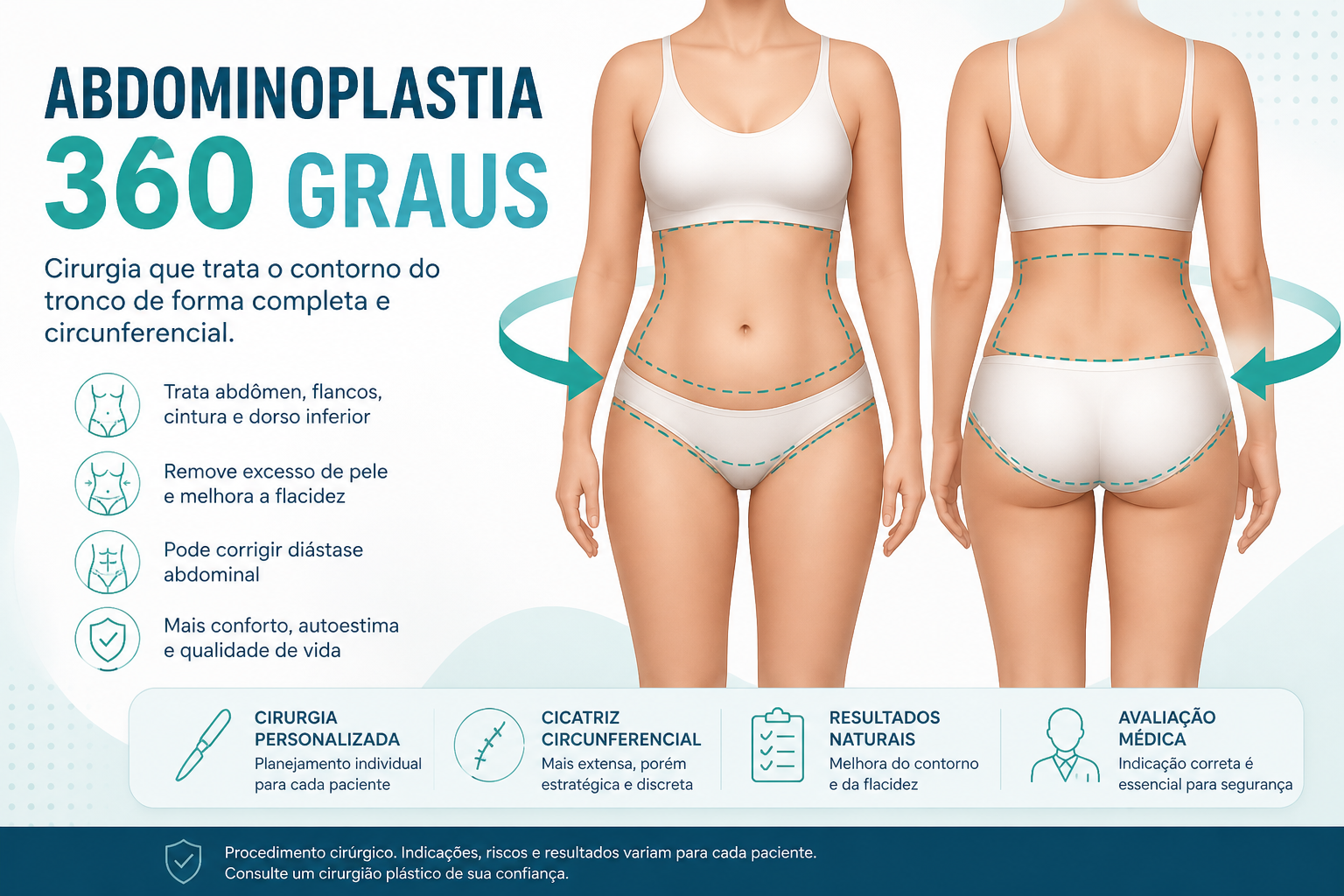
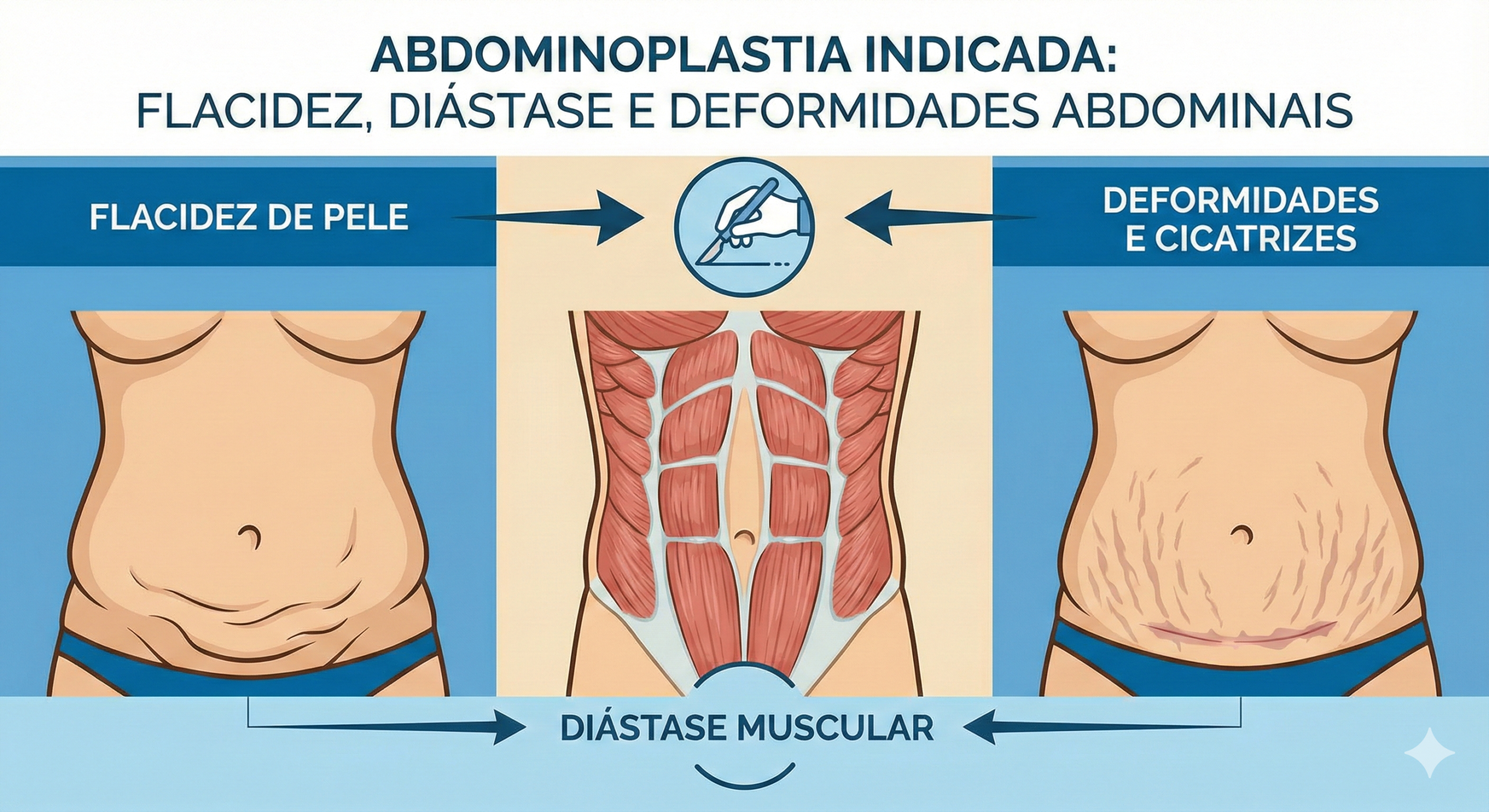
The indicated abdominoplasty intervention emerges as an efficient solution when the abdomen presents excess skin, laxity, or functional alteration. In many cases, aesthetics combine with functionality and self-esteem. In this article, we clearly explain when abdominoplasty is indicated — considering (1) skin laxity, (2) diastasis, and (3) abdominal wall deformities (such as hernias) — and how these factors impact your life.
- Doctors indicate abdominoplasty in cases of severe abdominal skin laxity.
- When you present diastasis of the rectus abdominis muscles, the procedure becomes a functional treatment.
- Surgeons can correct abdominal wall deformities — such as associated hernias — in the same surgery.
- The surgery contributes not only to aesthetics but also improves your quality of life and self-esteem.
- It is important that you prepare and follow post-operative care to achieve safe and lasting results.
1. Skin laxity in the abdomen
Firstly, surgeons recommend the indicated abdominoplasty when you present significant skin laxity. This condition commonly arises after pregnancy, significant weight loss, or natural aging. As a result, the skin loses elasticity and compromises the shape of the abdomen, generating discomfort, chafing, and difficulties with clothing and physical activities.
2. Diastasis of the rectus abdominis muscles
Secondly, diastasis represents the separation of the abdominal muscles along the midline. Moreover, this condition not only causes a protuberant appearance: it also causes lower back pain, abdominal weakness, and postural changes. In this context, the indicated abdominoplasty allows the surgeon to correct this condition through muscular plication, thus restoring the firmness of the region.
Learn more about pre-operative exams
3. Deformities and alterations of the abdominal wall
Furthermore, deformities include umbilical hernias, epigastric hernias, scars, or acquired weaknesses of the abdominal wall. Therefore, when you associate these conditions with laxity and diastasis, abdominoplasty becomes the ideal procedure. In this way, the surgeon corrects all these alterations in a single intervention, optimizing results and recovery.
See more about surgery with safe anesthesia
4. Improvement in quality of life and self-esteem
On the other hand, abdominoplasty goes beyond the physical aspect. In fact, it improves your self-confidence, emotional well-being, and willingness for social activities. Consequently, when you eliminate abdominal protuberance and feel comfortable in your own body, this positively impacts your daily life and personal relationships.
Understand the risks of smoking in surgery
5. When to seek a specialist
Finally, if you present one or more of the mentioned signs — laxity, diastasis, hernia, or discomfort with the abdominal contour — it's time to schedule an evaluation with an experienced plastic surgeon. During the consultation, they will assess your case and indicate if abdominoplasty is suitable. Furthermore, the specialist will define the best steps for you to achieve your goals safely.
Learn how to prepare for surgery
Conclusion
In summary, the indicated abdominoplasty is much more than an aesthetic surgery: it is a restorative procedure that restores abdominal firmness, muscular functionality, and self-esteem. Therefore, skin laxity, diastasis, and abdominal wall deformities represent the main indications for this intervention. Thus, talk to a specialist, clarify your doubts, and consider this transformation.
📌 Schedule your consultation with Dr. Fernando Amato and find out if abdominoplasty is right for you.
Related articles


Agendar consulta
Precisa de orientação personalizada?
Marque uma avaliação com o Dr. Fernando Amato e tire as suas dúvidas sobre cirurgia plástica.
Falar no WhatsApp