
- Cirurgia plástica
Morpheus8 e Hidradenite Supurativa: Alternativa Promissora ou Apenas Experimental?
- dezembro 5, 2025
- By Fernando Amato
Uma tecnologia estética que começa a ganhar espaço na dermatologia clínica — mas será que o Morpheus realmente ajuda na hidradenite supurativa?
Morpheus8 para Hidradenite Supurativa: Evidências, Limites e Quando Considerar
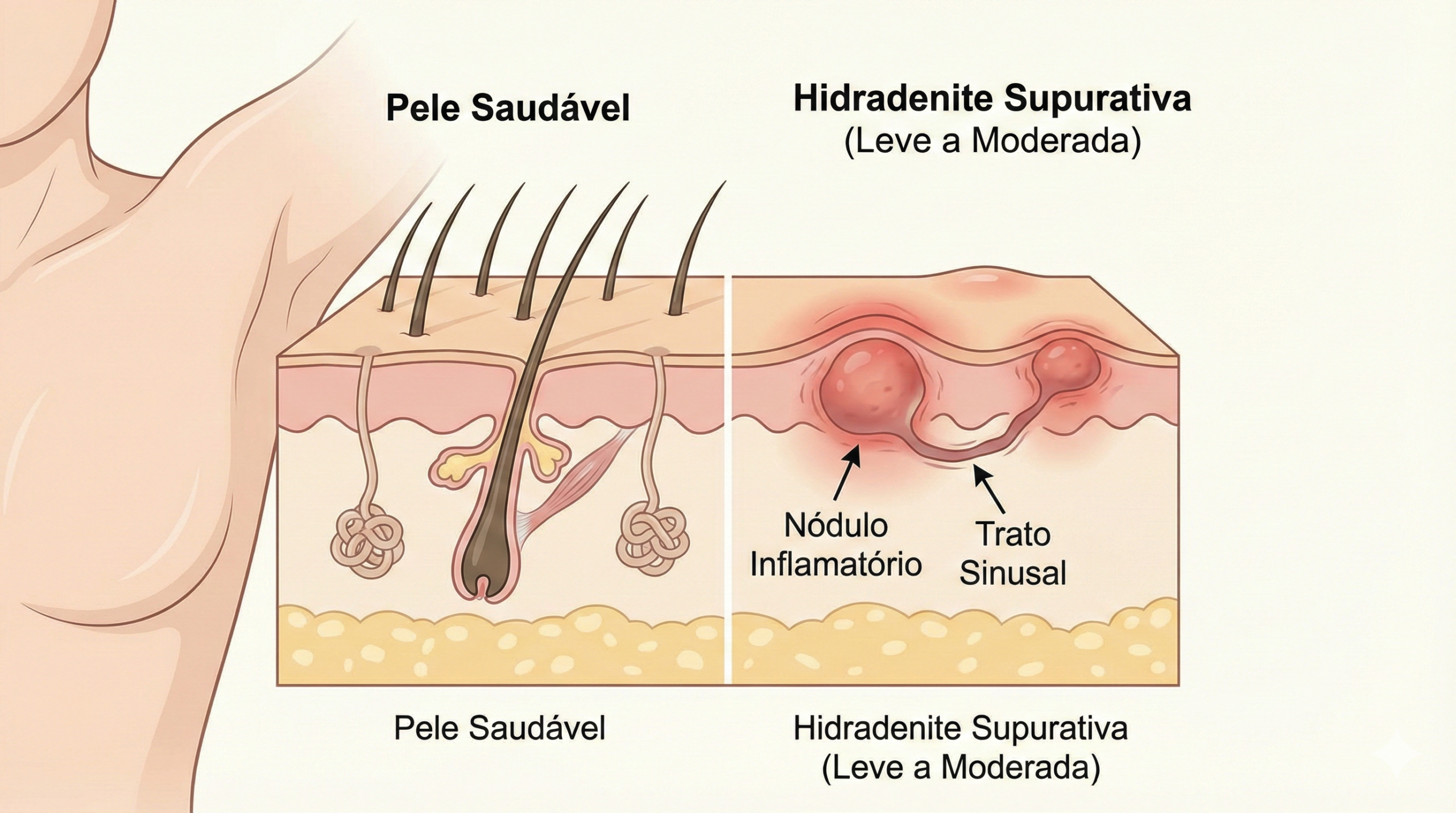
A hidradenite supurativa (HS) é contudo uma doença inflamatória crônica e recorrente, que frequentemente causa dor, abcessos, fístulas e cicatrizes profundas. Embora tratamentos medicamentosos e cirúrgicos sejam os pilares do manejo, novas tecnologias vêm sendo estudadas como opções complementares. Nesse contexto, cresce assim, o interesse pelo Morpheus para hidradenite supurativa, especialmente em estágios leves a moderados.
Porém, antes de detalhar seu papel no tratamento, é fundamental compreender que o uso do Morpheus8 na HS ainda é experimental, com poucos estudos e sem inclusão formal nas diretrizes internacionais.
- 🔬 Morpheus na hidradenite supurativa ainda não faz parte assim dos protocolos oficiais.
- 📉 Evidências iniciais mostram portanto, melhora em lesões inflamatórias e cicatrizes.
- ⚠️ Riscos existem, incluindo queimaduras, discromias e cicatrizes.
- 🧪 Estudos disponíveis são pequenos, sem padronização de parâmetros.
- 🩺 Apenas especialistas experientes em HS e tecnologias de energia devem indicar isso.
O que é o Morpheus8 e como funciona?
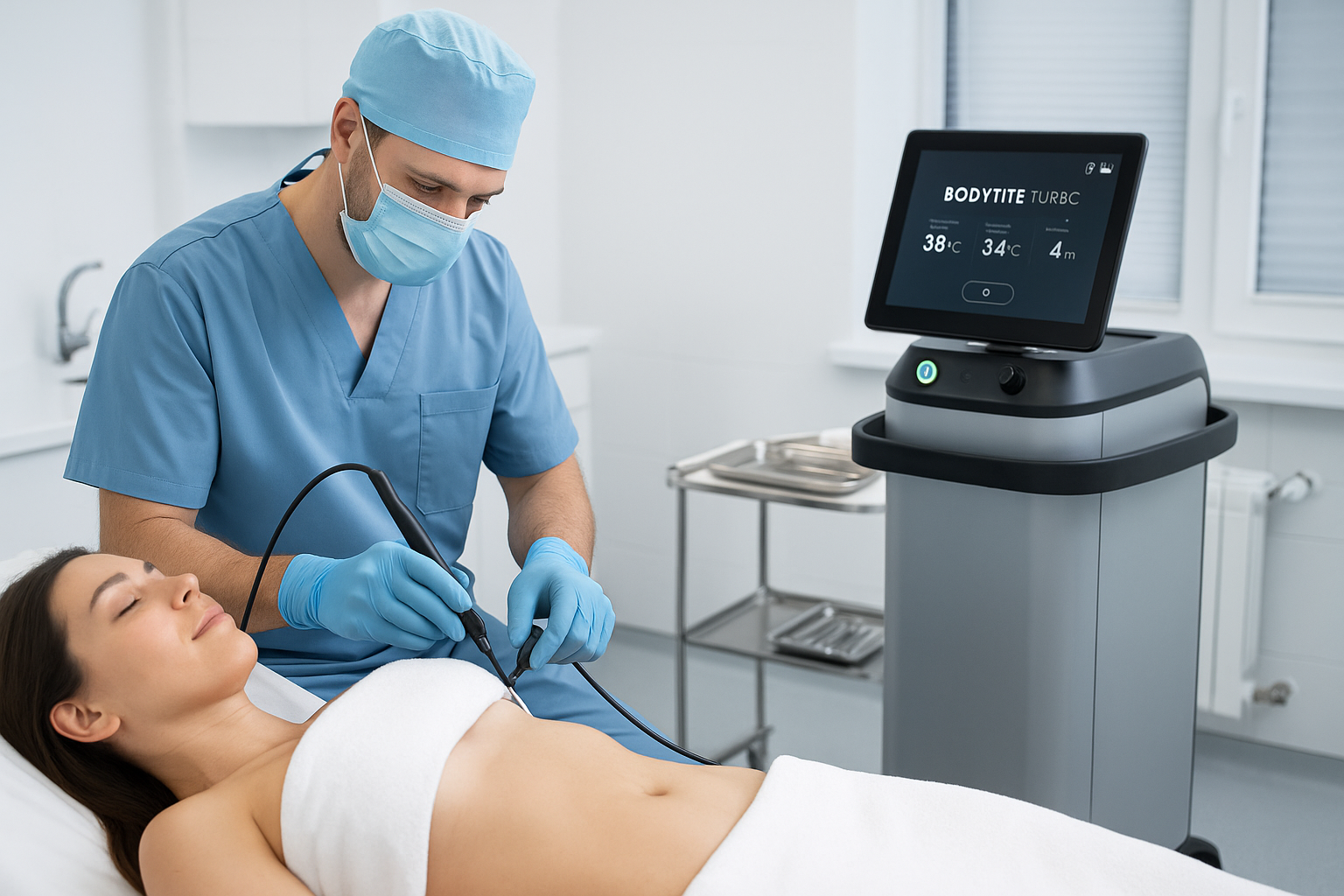
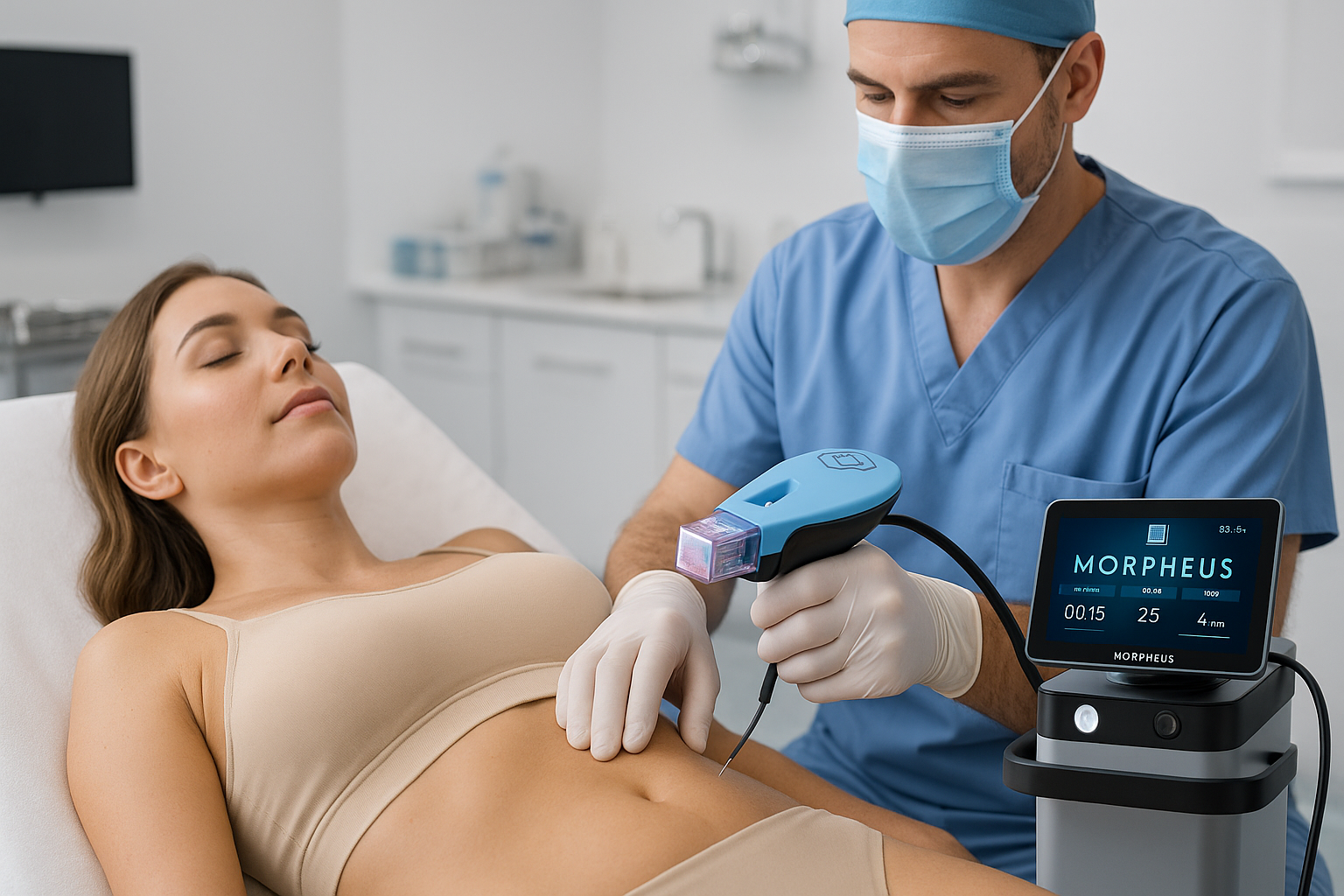
O Morpheus8 combina, portanto, microagulhamento com radiofrequência fracionada (RF), liberando energia térmica em diferentes profundidades da pele.Essa combinação promove:
- Remodelamento de colágeno e elastina
- Contração de tecido subcutâneo
- Melhora de textura e cicatrizes
- Redução de excesso cutâneo em algumas áreas
Por isso, o equipamento é amplamente usado em procedimentos estéticos, como tratamento de flacidez, rejuvenescimento e cicatrizes de acne. Assim, somente nos últimos anos começou a ser estudado em doenças inflamatórias dermatológicas, incluindo a hidradenite supurativa.
Morpheus para hidradenite supurativa: o que mostram os estudos?
As evidências são limitadas. Contudo, o estudo mais relevante é um piloto com apenas 10 pacientes, que avaliou a radiofrequência fracionada com microagulhamento em esquema controlado do tipo split-body (metade do corpo tratada; metade servindo como controle).
Principais achados do estudo:
- Redução significativa de lesões inflamatórias na área tratada
- Diminuição de escores de gravidade da HS
- Melhora de marcadores inflamatórios cutâneos
- Aplicação realizada em 3 sessões, com intervalos quinzenais
Embora promissor, o estudo apresenta limitações importantes:
- Amostra pequena
- Tempo de seguimento curto
- Falta de padronização de parâmetros (energia, número de sessões, profundidade das agulhas)
- Ausência de comparação com tratamentos padrão
Portanto, apesar dos resultados iniciais sugerirem benefício para HS leve a moderada, ainda não há comprovação suficiente para recomendar o uso rotineiro.
Por que o Morpheus não está nas diretrizes de tratamento da HS?
As diretrizes brasileiras e internacionais continuam então priorizando tratamentos com robusta evidência clínica. Entre eles:
- Controle de fatores de risco (como tabagismo — veja: http://plastico.pro/riscos-tabagismo)
- Antibióticos tópicos e sistêmicos
- Retinoides em casos selecionados
- Terapias biológicas (principalmente adalimumabe)
- Procedimentos cirúrgicos como deroofing ou excisão ampla
- Controle metabólico e avaliação do peso corporal
- Preparação adequada com exames pré-operatórios (http://plastico.pro/exames-preop)
Terapias com energia, como laser de diodo, Nd:YAG e luz intensa pulsada, já possuem então maior nível de evidência na HS, com o foco em epilação. Porém, em contraste, a radiofrequência fracionada com microagulhamento ainda não foi validada em estudos amplos e multicêntricos.
Potenciais benefícios do Morpheus na hidradenite supurativa
O uso do Morpheus para hidradenite supurativa pode portanto trazer alguns benefícios teóricos e observados em estudos iniciais:
1. Remodelamento de cicatrizes
A HS frequentemente deixa cicatrizes deprimidas e fibrosas. O microagulhamento com RF estimula colágeno e pode assim melhorar textura e irregularidades.
2. Redução de inflamação local
A energia térmica pode então modular mediadores inflamatórios, reduzindo nódulos ativos.
3. Possível tratamento de túneis cicatriciais superficiais
Em casos leves, a contração do tecido pode reduzir irregularidades e fibrose.
4. Complemento após controle clínico
Pacientes que já estabilizaram o quadro inflamatório podem contudo se beneficiar em áreas residuais.
Limitações e riscos importantes do Morpheus
Apesar dos potenciais benefícios, as limitações são relevantes:
1. Evidência ainda restrita
Não há assim ensaios clínicos grandes, multicêntricos ou comparativos com terapias padrão.
2. Custo elevado e necessidade de tecnologia especializada
O equipamento é contudo caro e restrito a clínicas especializadas.
3. Riscos e complicações possíveis
Incluem:
- Queimaduras
- Discromias (manchas)
- Cicatrizes hipertróficas
- Infecções
- Dor significativa
- Falha terapêutica
Inclusive, a FDA recentemente emitiu alerta sobre complicações sérias relacionadas a dispositivos de RF microagulhada, reforçando a necessidade de supervisão especializada.
4. Não substitui o tratamento padrão
A HS é uma doença crônica e complexa, que exige abordagem multidisciplinar — o Morpheus é apenas adjuvante.
Quando considerar o Morpheus para hidradenite supurativa?
O Morpheus não deve ser utilizado isoladamente no controle da doença. Ele pode ser considerado como complemento quando:
- A HS é leve a moderada, sem fístulas profundas
- O quadro inflamatório está controlado com tratamentos medicamentosos
- Há cicatrizes residuais ou áreas fibrosas
- O paciente foi devidamente informado de que o uso é off-label
- O procedimento será realizado por dermatologista ou cirurgião plástico com experiência em HS e tecnologias de energia
Em caso de HS avançada, com tratos fistulosos, abscessos recorrentes e cicatrizes extensas, o tratamento cirúrgico — como cruroplastia (http://plastico.pro/cruroplastia) ou outras formas de excisão — continua sendo o padrão.
Integração com outros tratamentos e preparo do paciente
O Morpheus deve ser parte de um plano terapêutico mais amplo, que inclui:
- Manejo do tabagismo
- Controle de peso
- Dieta equilibrada
- Tratamento de comorbidades como lipedema
- Adequada avaliação anestésica quando necessário (http://plastico.pro/anestesia-em-plastica)
- Procedimentos realizados em ambientes adequados, como hospital dia
Conclusão: Vale a pena usar Morpheus na hidradenite supurativa?
O Morpheus para hidradenite supurativa representa uma possibilidade interessante, especialmente para casos leves a moderados. Contudo, a abordagem ainda é experimental, carece de estudos amplos e não substitui os tratamentos comprovados.
Pode ser útil como adjuvante, especialmente para melhora de cicatrizes e redução residual de inflamação, desde que:
- Haja indicação criteriosa
- O paciente seja informado sobre limitações
- O procedimento seja realizado por profissional capacitado
Se você convive com HS e deseja avaliar opções complementares, marque uma consulta com dermatologista ou cirurgião plástico experiente. Uma avaliação individualizada é essencial para definir se esta tecnologia pode fazer parte do seu plano terapêutico.
Vídeo relacionado à HS e tecnologias complementares:
🎥 Lipoaspiração e Abdominoplastia: Diferenças e Riscos

(Escolhido pela correlação com tecnologias de energia e abordagem cirúrgica em doenças crônicas da pele e subcutâneo.)
Perguntas e Respostas
1. O Morpheus trata a causa da hidradenite supurativa?
Não. O Morpheus não age sobre a inflamação sistêmica que causa a hidradenite supurativa. Ele pode auxiliar apenas como complemento, especialmente em casos leves ou controlados.
2. O Morpheus é indicado para hidradenite supurativa grave?
Não. Pacientes com HS grave, com fístulas profundas e abscessos extensos, costumam necessitar de cirurgia e terapias biológicas. O Morpheus não substitui essas abordagens.
3. O uso do Morpheus na HS é aprovado pelas diretrizes médicas?
Ainda não. As diretrizes nacionais e internacionais não incluem o Morpheus como tratamento padrão para hidradenite supurativa, classificando-o como experimental.
4. Quantas sessões de Morpheus são necessárias para HS?
Os poucos estudos sugerem três sessões quinzenais, mas não existe protocolo padronizado. A quantidade pode variar conforme gravidade, área e resposta individual.
5. O procedimento com Morpheus dói?
Sim, pode causar dor moderada. Geralmente utiliza-se anestesia tópica ou infiltração local para maior conforto durante a aplicação.
6. Posso fazer Morpheus se a área estiver inflamada?
Idealmente não. O tratamento costuma ser indicado quando a inflamação está mais controlada, reduzindo riscos de complicações e aumentando a eficácia.
7. O Morpheus pode causar manchas na pele?
Sim. Existe risco de hiperpigmentação ou hipopigmentação, especialmente em peles mais escuras ou com tendência a cicatrizes.
8. O Morpheus substitui antibióticos ou medicamentos biológicos?
Não. Ele atua apenas como terapia complementar e não substitui tratamentos comprovados, como antibióticos, retinoides ou biológicos.
9. O Morpheus pode ser usado após cirurgia para HS?
Sim. Em alguns pacientes, ele pode ser utilizado após a cicatrização inicial para melhorar textura e irregularidades residuais, desde que indicado por especialista.
10. Quem pode realizar o tratamento com Morpheus em pacientes com HS?
Dermatologistas ou cirurgiões plásticos treinados em radiofrequência microagulhada e com experiência no manejo da hidradenite supurativa. A técnica exige portanto conhecimento específico para minimizar riscos.
Artigos relacionados
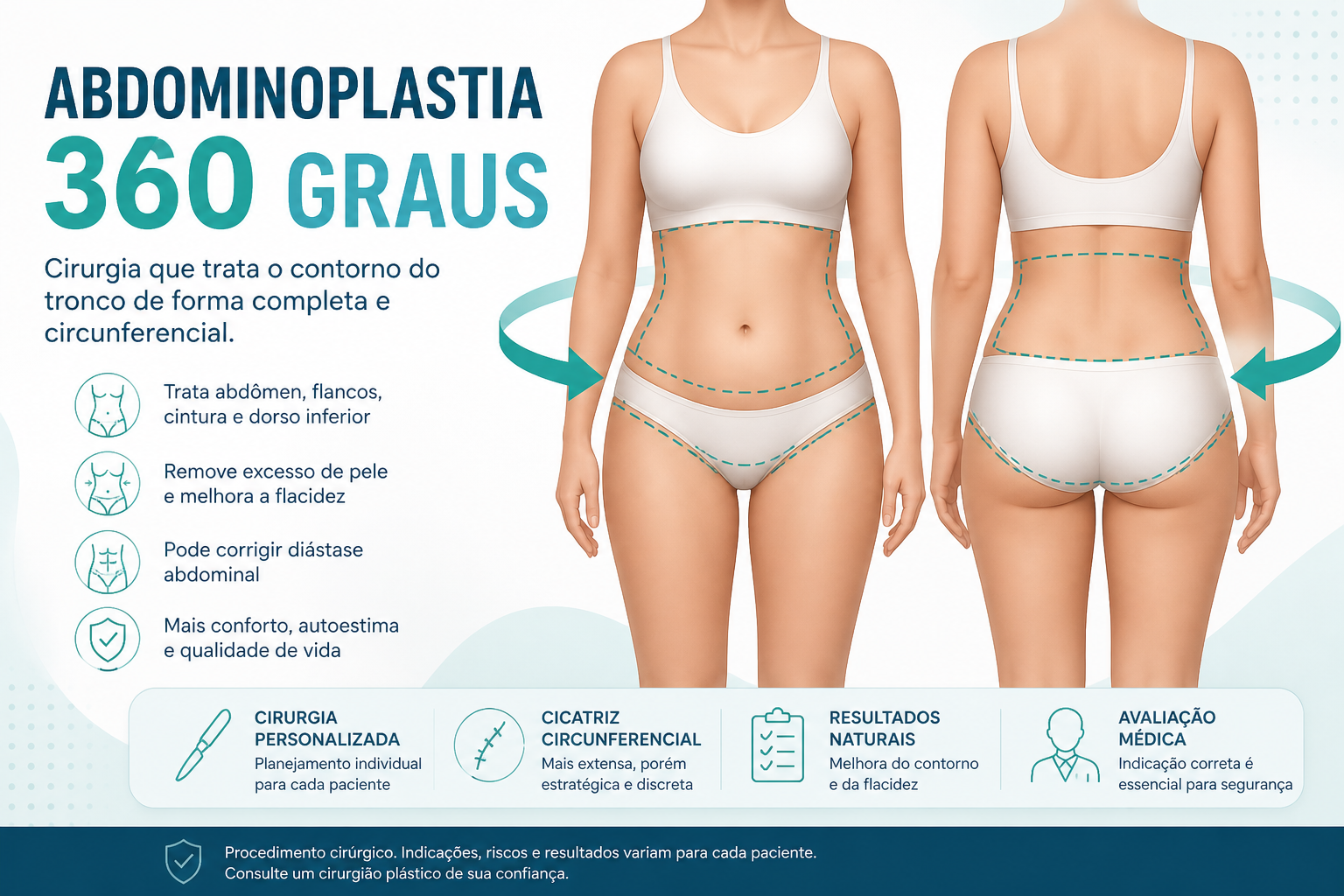
Abdominoplastia 360 graus: o que é, para quem é indicada e o que esperar

Alimentação antes e depois da cirurgia plástica

Alimentação saudável no pós-operatório de cirurgia plástica
Agendar consulta
Precisa de orientação personalizada?
Marque uma avaliação com o Dr. Fernando Amato e tire as suas dúvidas sobre cirurgia plástica.
Falar no WhatsApp