- Treatments
CO2 Laser in scar treatment: an advance in dermatology and plastic surgery
- October 9, 2024
- By Fernando Amato
CO2 Laser for Scars: The Effective Solution for Treating Acne and Surgical Scars
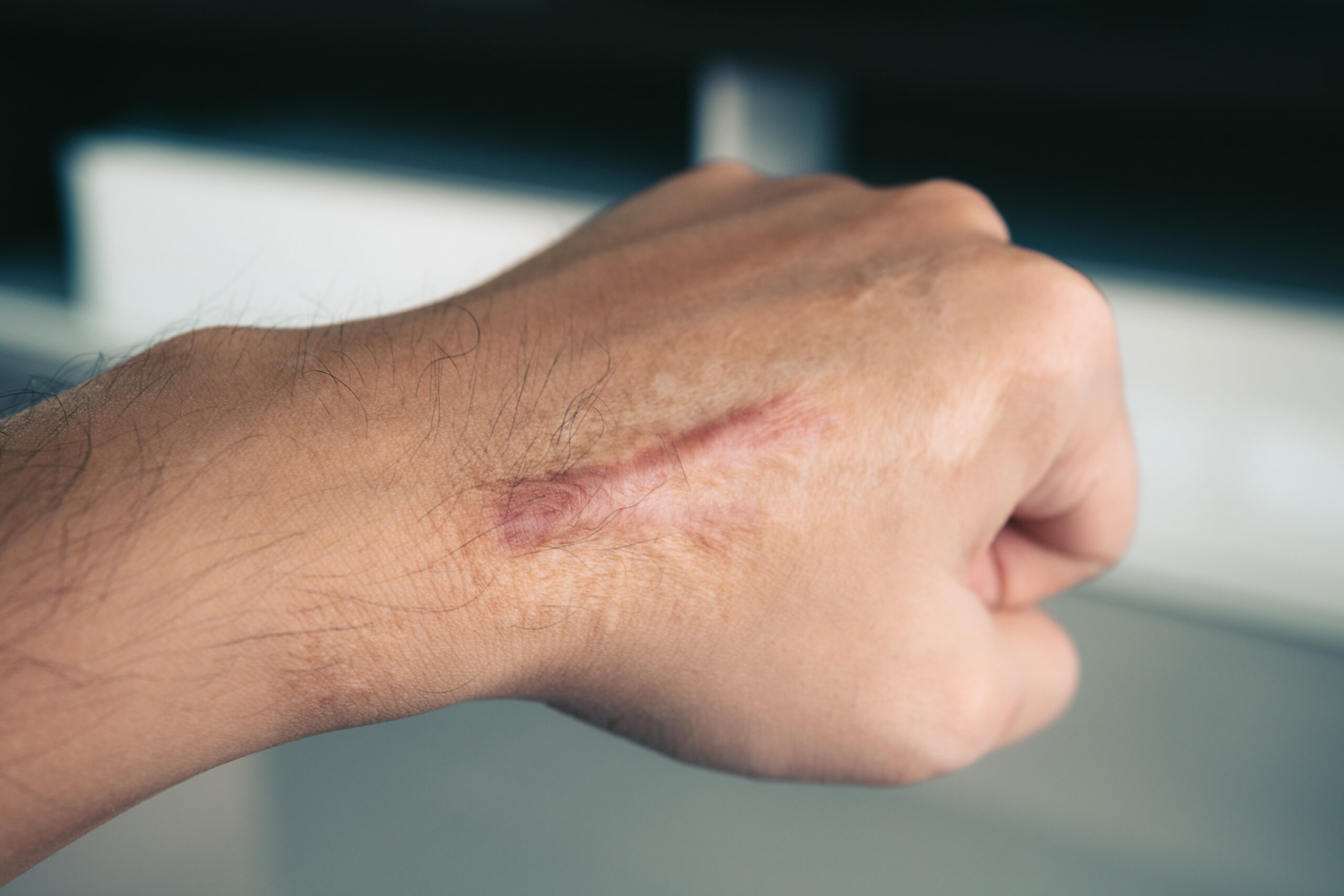
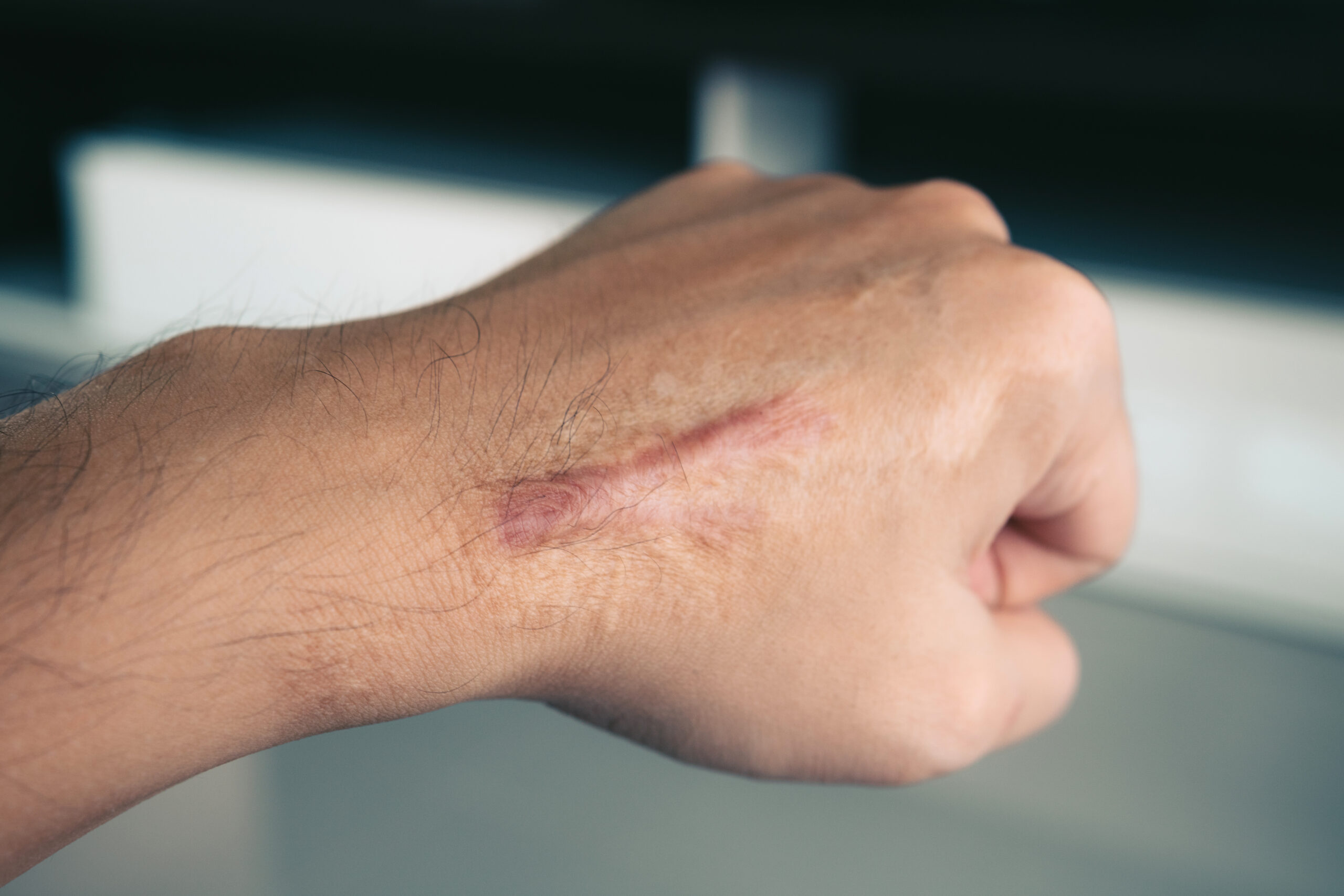
Scar treatment has always been a challenge in dermatology and plastic surgery. Scars caused by acne, surgeries, or trauma can significantly affect a person's self-esteem and quality of life. Fortunately, with technological advancements, more effective and less invasive methods have emerged to treat these unwanted marks. Among these methods, the CO2 laser stands out as one of the most innovative and promising solutions for scar treatment.
What is CO2 laser?
The CO2 laser is a resurfacing technology (i.e., skin renewal) that uses carbon dioxide to emit highly concentrated and precise light beams. These beams remove very thin layers of skin, promoting cell regeneration and stimulating the production of collagen, an essential protein for skin health.
This technique is used to soften scars, reduce wrinkles, and improve skin texture. In fact, specialists consider the CO2 laser the gold standard in scar treatment, especially for deeper ones, such as those caused by acne or previous surgeries.
🔑 Article Highlights 🔑
1. 🎯 CO2 Laser: High-precision treatment for deep scars.
2. 💡 Collagen stimulation: Promotes cell renewal and improves skin texture.
3. 📅 Progressive results: Scars visibly reduced after a few sessions.
4. 🛡️ Safe procedure: Controlled and targeted recovery.
5. 👨⚕️ Indicated for various types of scars: Acne, surgical, burns, among others.
How does CO2 laser work in scar treatment?
The CO2 laser emits light pulses that penetrate the skin layers and, by removing scar tissue, stimulates collagen production and the formation of new skin. The treatment works by vaporizing microscopic layers of damaged skin, allowing the body to create a new surface with a more uniform and smoother texture.
Main benefits:
Precision: The laser acts directly on the scar, preserving the surrounding healthy tissue.
Collagen stimulation: Collagen production helps fill in scarred areas, making them less visible.
Relatively fast recovery: Although recovery time varies, the CO2 laser allows for faster skin renewal compared to more aggressive methods.
For which types of scars is CO2 laser indicated?
The CO2 laser is highly effective for a variety of scars. Among them:
• Acne scars: Caused by severe inflammation, these scars can be deep or superficial. The CO2 laser improves both the texture and coloration of these marks.
Surgical scars: However, surgical marks can be treated successfully, softening their appearance and making them less noticeable.
Burn scars: Although more challenging, the laser helps improve skin elasticity and soften the edges of the scar.
Stretch marks: Although not technically scars, the CO2 laser can reduce stretch marks by stimulating skin regeneration.
What is the CO2 laser procedure like?
Generally, CO2 laser treatment is performed in an outpatient setting, without the need for hospitalization. The patient receives local anesthesia, or, in more extensive cases, light sedation to ensure comfort during the procedure.
Step-by-step treatment:
1. Specialist evaluation: Before starting, however, the doctor evaluates the extent and type of scar to determine the number of sessions needed.
2. Skin preparation: Then, the skin is cleansed, and a topical anesthetic is applied to minimize discomfort.
3. Laser application: The light beam is passed over the scar in controlled movements. Each session lasts between 30 to 60 minutes, depending on the area treated.
4. Post-treatment care: After the procedure, the skin may be red and sensitive, but this condition improves within a few days. Therefore, the use of healing creams and sunscreen is essential for proper recovery.
What are the post-treatment care instructions for CO2 Laser?
After treatment, the skin undergoes a renewal process. It is therefore essential to follow medical guidelines to ensure treatment effectiveness and avoid complications. Among the most recommended care instructions are:
Avoid sun exposure: Treated skin becomes more sensitive to UV rays, so the use of sunscreen with a high protection factor (SPF 50 or higher) is essential.
Use of moisturizing and healing creams: To aid skin regeneration and alleviate discomfort.
Avoid makeup use: At least for the first few days, to allow the skin to breathe and recover.
What are the expected results?
Starting one to two weeks after the procedure, the results of the CO2 laser begin to appear as the skin begins the healing process. However, the full effect appears within three to six months, as collagen is produced and new skin forms.
Patients report a significant improvement in the texture, color, and appearance of scars after a few sessions. The number of sessions required varies according to the depth of the scar and the patient's skin type.
Contraindications and possible side effects
Although specialists consider CO2 laser treatment safe, it is not suitable for everyone. Patients with very dark skin, for example, may have a higher risk of hyperpigmentation. Additionally, pregnant women and people with active skin infections should avoid the procedure.
The most common side effects include:
Redness;
Swelling;
Mild discomfort;
Formation of temporary scabs in the treated area.
These effects usually disappear within a few days with proper care.
Schedule a consultation with a specialist
If you wish to improve the appearance of bothersome scars and are considering CO2 laser treatment, it is essential to seek guidance from a specialist. Therefore, schedule a consultation with Dr. Fernando Amato, a plastic surgeon, to discuss your expectations and verify if the CO2 laser is the best option for your specific case.
Frequently Asked Questions (FAQ)
1. Is CO2 laser treatment painful?
• Most patients report only mild discomfort, and the use of local anesthetic minimizes this sensation.
2. How many CO2 laser sessions are needed?
• The number of sessions varies according to the depth of the scar and skin type, but generally, between 1 and 3 sessions are required.
3. How long does recovery take?
• Initial recovery takes about 5 to 7 days, but full skin renewal can take several weeks.
4. Can CO2 laser be used on any part of the body?
• Yes, CO2 laser can be applied to various areas, such as the face, neck, and hands.
5. What scars can be treated with CO2 laser?
• CO2 laser can treat acne scars, surgical scars, burn scars, and stretch marks.
6. Is there any risk of complications?
• The treatment is safe when performed by experienced professionals, but there may be a risk of infections or pigment changes.
7. Can I expose myself to the sun after treatment?
• No. Treated skin is sensitive and must be protected from sun exposure to avoid spots.
8. Can CO2 laser be combined with other treatments?
• Yes, it can be combined with other rejuvenation and healing treatments to enhance results.
9. Can I wear makeup after the procedure?
• It is recommended to avoid makeup in the first few days to not interfere with recovery.
10. When will I start seeing results?
• Initial results are visible after 1 to 2 weeks, but full improvement occurs up to six months, as the skin undergoes a complete regeneration process and collagen production peaks.
Conclusion
Scar treatment with the CO2 laser is one of the most effective and innovative alternatives in modern dermatology. The technique offers a less invasive solution for scar removal, while stimulating collagen production and promoting healthier-looking, rejuvenated skin. Therefore, the success of the treatment largely depends on evaluation and execution by a qualified professional, ensuring that the results meet patient expectations.
So, if you are looking for a safe and effective way to improve the appearance of your scars, consult a specialist to understand if the CO2 laser is the best option for your case. Schedule a consultation with Dr. Fernando Amato and receive a personalized evaluation of your treatment.
Keywords:
#CO2Laser #ScarTreatment #SkinRejuvenation #AcneScar #Collagen
Related articles


Agendar consulta
Precisa de orientação personalizada?
Marque uma avaliação com o Dr. Fernando Amato e tire as suas dúvidas sobre cirurgia plástica.
Falar no WhatsApp