- Surgeries, Body
Reduction Mammaplasty: Understanding Risk Factors and Complications
- March 14, 2024
- By Fernando Amato
“Clarifying risks and complications in reduction mammaplasty for an informed decision.”
Article written with the assistance of ChatGPT4
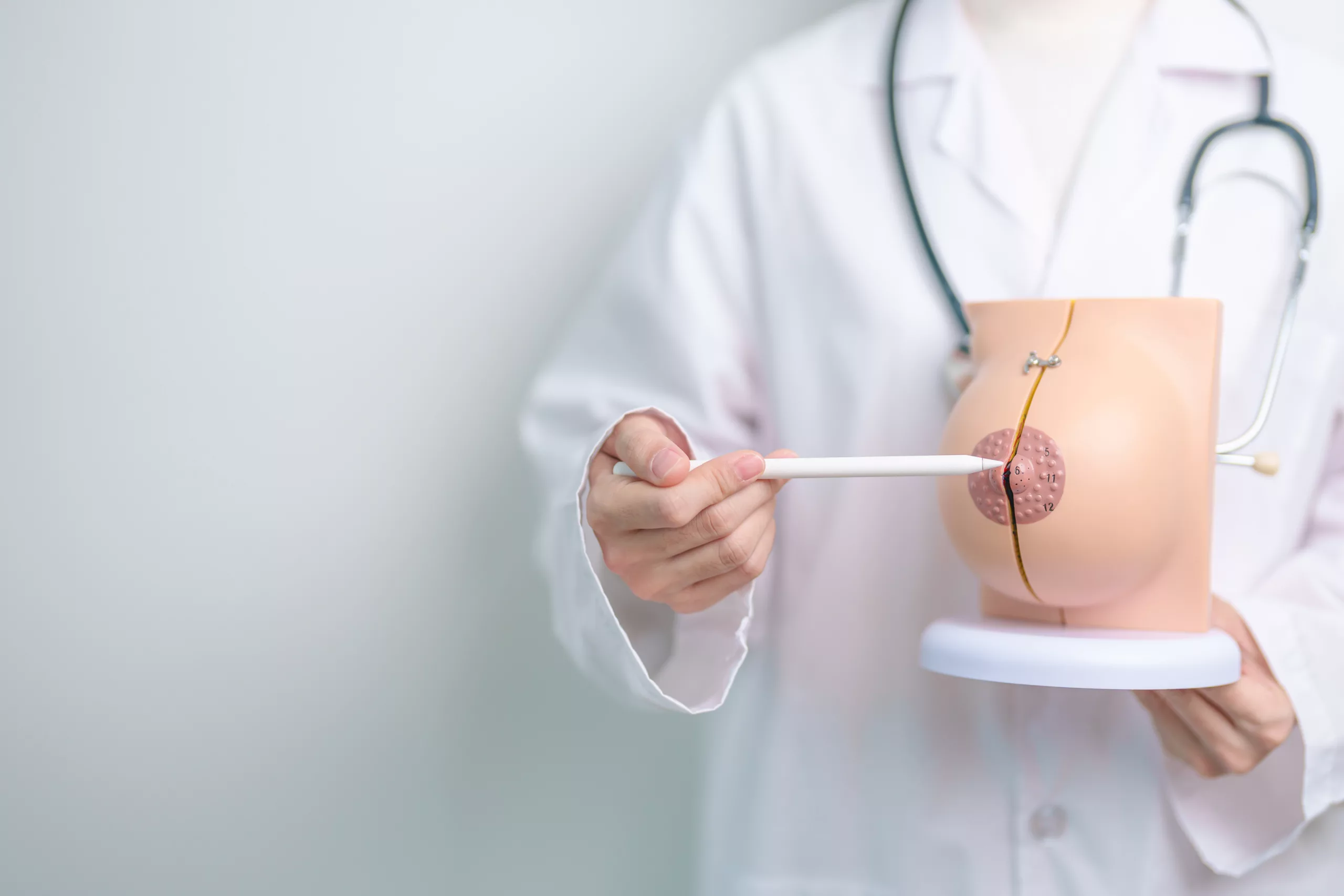
Reduction mammaplasty, a surgery designed to decrease breast size and weight, is increasingly sought after by women suffering from physical and psychological discomfort due to excessively large breasts. However, like any surgical procedure, it is not without risks. Thus, this article aims to clarify the main risk factors and complications associated with reduction mammaplasty, based on scientific evidence, with data from recently published studies.
- 📌 Information is Power: Knowing the risks helps in making informed decisions.
- 🚭 Say No to Smoking: Smoking is a major modifiable risk factor.
- 🍏 Health Matters: Conditions such as obesity and diabetes require special attention.
- 🔄 Postoperative Care: Following medical recommendations is essential for a successful recovery.
- 🤔 Ask Questions: Do not hesitate to discuss all your concerns with your surgeon.
Reduction mammaplasty is a procedure that brings relief and an improved quality of life to many women. However, the decision to undergo this surgery should be made based on clear and accurate information regarding potential risks and complications.
Identified Risk Factors
Recent studies, including a comprehensive systematic review and meta-analysis, have identified significant risk factors associated with postoperative complications in reduction mammaplasty. Among these, notable factors include:
- Obesity: Patients with an elevated Body Mass Index (BMI) present increased risks of complications.
- Smoking: Tobacco use can impair wound healing, increasing the risk of postoperative complications.
- Diabetes: This condition can adversely affect wound healing and increase the risk of infections.
- Prior radiation therapy: Patients who have received radiation to the breast region may experience a more complicated recovery.
- Amount of tissue removed: The removal of large volumes of breast tissue (more than 1000g per breast) can lead to a higher incidence of complications.
Common Postoperative Complications
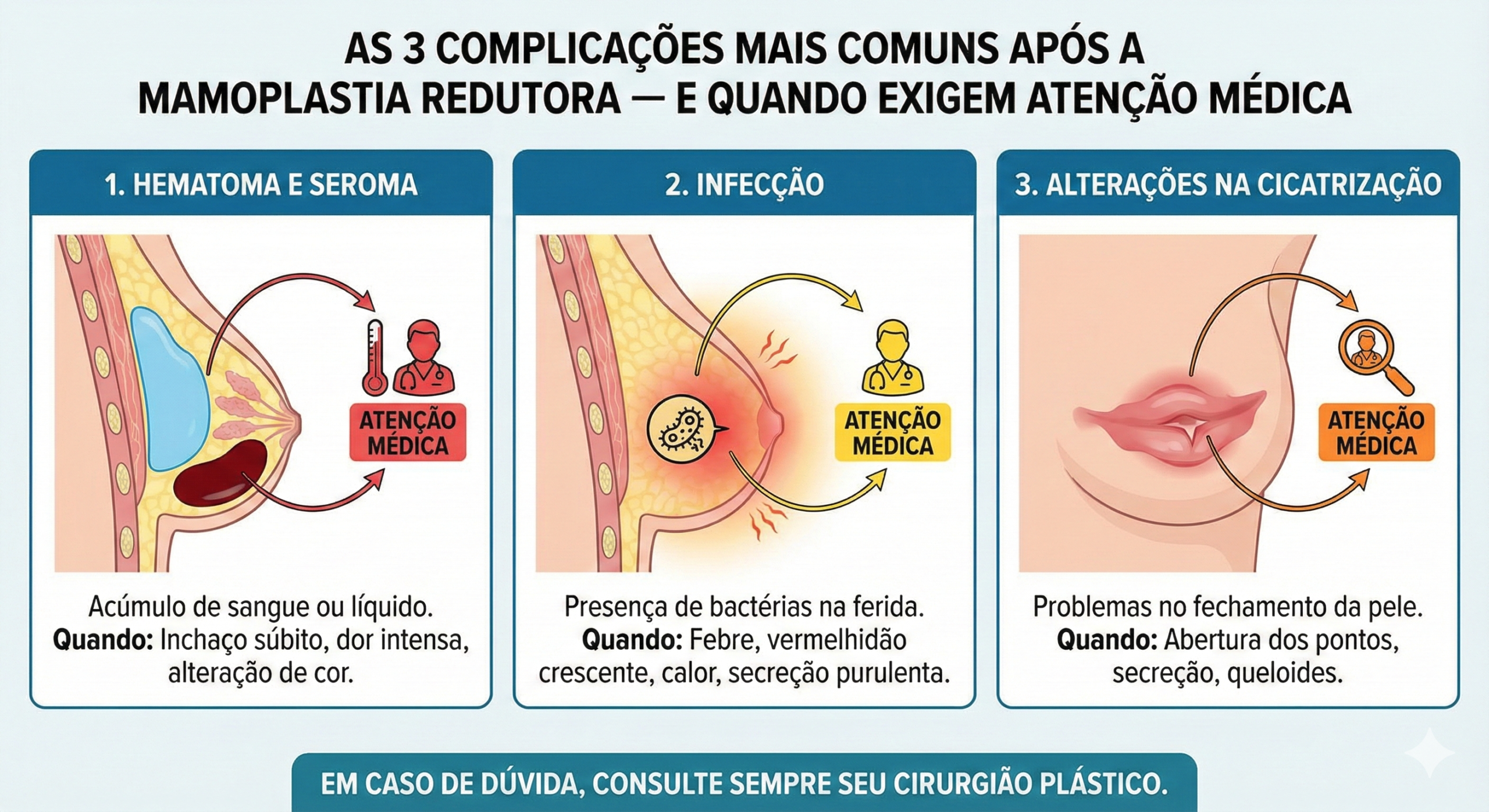
The most common complications following reduction mammaplasty include:
- Infections: One of the most frequent complications, which can be managed with the appropriate use of antibiotics.
- Hematoma: Collection of blood at the surgical site, which may require intervention for drainage.
- Wound dehiscence: Separation of the incision margins, which can delay the healing process.
- Changes in breast sensation: Some patients may experience changes in sensation in the nipples or breast skin.
- Asymmetry: Differences in the size or shape of the breasts after surgery, which may require additional procedures for correction.
Informed Decision: Weighing Risks and Benefits
Before deciding on reduction mammaplasty, it is crucial for patients to openly discuss potential risks and complications with their plastic surgeon. Therefore, a careful evaluation of general health status, lifestyle habits, and expectations regarding the surgical outcome is essential to minimize risks and maximize satisfaction with the procedure.
In addition, the study highlights the need for open discussions between physicians and patients regarding potential risks and complications, allowing preventive and preparatory measures to be taken. Well-informed patients can make decisions more aligned with their expectations and needs, contributing to a safer and more satisfactory surgical experience.
Therefore, if you are considering reduction mammaplasty, it is essential to discuss all potential risks and complications openly with your plastic surgeon. Thus, scheduling a consultation with a specialist, such as Dr. Fernando Amato, Plastic Surgeon, can be the first step toward a safe and informed journey toward well-being and confidence.

Frequently Asked Questions
- Who is a good candidate for reduction mammaplasty?
- Individuals who suffer from physical or psychological discomfort due to excessively large breasts and who have realistic expectations regarding the surgical outcomes.
- What are the primary postoperative care instructions?
- Following medical guidelines, such as wearing a surgical bra, avoiding physical exertion, and maintaining proper hygiene at the surgical site.
- Does smoking affect the results of reduction mammaplasty?
- Yes, smokers have a higher risk of postoperative complications, which is why stopping smoking before and after surgery is recommended.
- Can reduction mammaplasty affect the ability to breastfeed?
- Although some women can breastfeed after surgery, the ability to lactate may be compromised, especially if a significant amount of glandular tissue is removed.
- Is it possible to lose nipple sensation after surgery?
- Changes in nipple sensation are possible and, in some cases, may be permanent.
#ReductionMammaplasty #SurgicalRisks #Recovery #Smoking #Obesity
Related articles



Agendar consulta
Precisa de orientação personalizada?
Marque uma avaliação com o Dr. Fernando Amato e tire as suas dúvidas sobre cirurgia plástica.
Falar no WhatsApp