
- Plastic Surgery, Surgeries, Breasts
Most Frequent Complications in Reduction Mammoplasty
- January 30, 2026
- By Fernando Amato
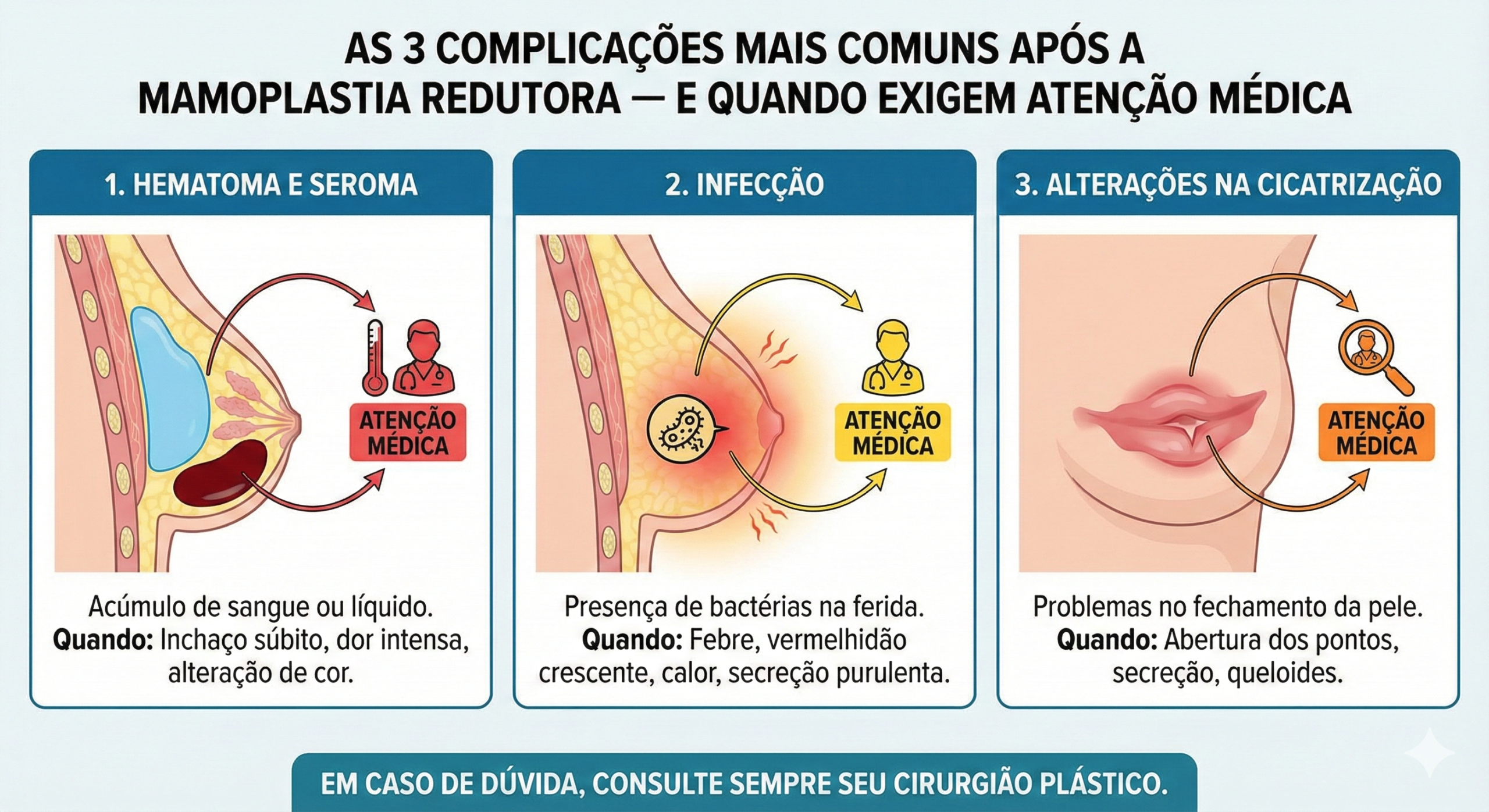
The three most common complications after reduction mammoplasty — and when they require medical attention
Reduction mammoplasty is a widely performed plastic surgery, indicated to reduce breast volume and alleviate physical symptoms such as back pain, shoulder pain, and rashes. Although it is safe, like any surgical procedure, it can present risks. Therefore, understanding mammoplasty complications is essential for a conscious decision and a smooth postoperative period.
🩺 Doctors treat most complications mildly and effectively
⚠ Hematoma, dehiscence, and infection represent the most common occurrences
⏱ Early identification prevents bigger problems
🚭 Smoking significantly increases risks
📞 Prompt contact with the surgeon is fundamental
What is reduction mammoplasty?
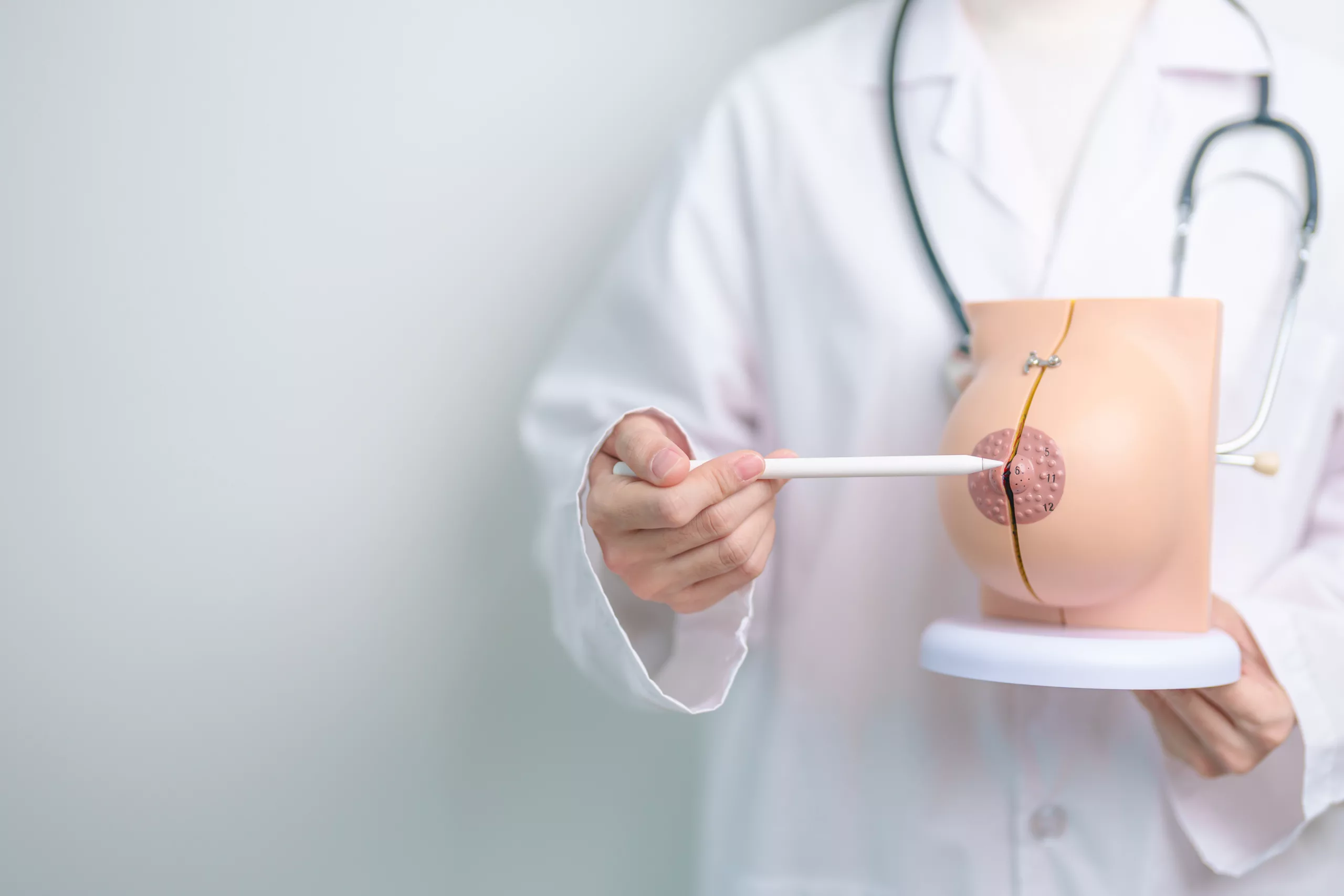
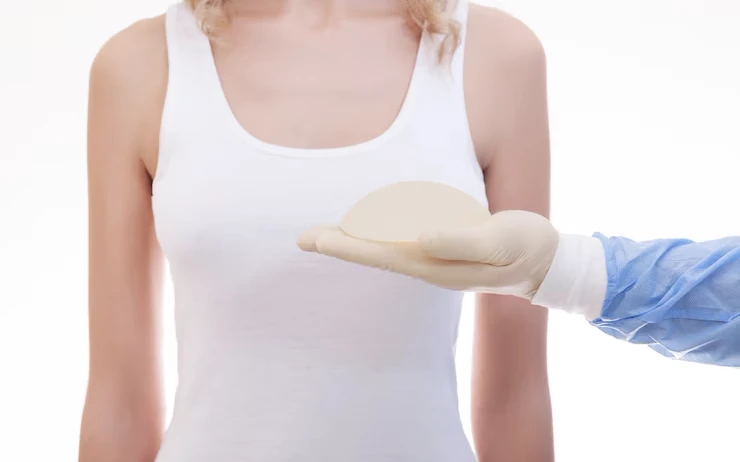
Reduction mammoplasty is therefore a procedure in which the surgeon removes excess breast tissue, fat, and skin, reshaping the breasts and repositioning the areola. Furthermore, specialists may combine complementary techniques, depending on the patient's anatomy.
The surgery requires careful evaluation during the preoperative period, appropriate choice of anesthesia and performance in a safe hospital environment, such as a day hospital.
What are the most frequent complications in reduction mammoplasty?
1. Hematoma
Firstly, a hematoma represents an accumulation of blood in the operated area, usually within the first 48 hours.
Most common symptoms:
- Asymmetrical swelling
- Intense pain
- Local hardening
- Sudden increase in breast volume
Main causes:
- Bleeding from small vessels
- Uncontrolled hypertension
- Premature physical exertion
In most cases, doctors treat the problem simply, however voluminous hematomas may require a new surgical approach.
2. Suture dehiscence
Secondly, dehiscence occurs when the scar partially opens, being more common at the junction of the incisions.
Associated factors:
- Excessive skin tension
- Inframammary moisture
- Inadequate movements
- Smoking
Generally, small dehiscences heal with appropriate dressings and medical follow-up. Thus, the surgeon monitors the evolution and guides the necessary care.
3. Infection
Although less frequent, infection deserves special attention among mammoplasty complications.
Warning signs:
- Progressive redness
- Localized pain
- Fever
- Purulent discharge
Therefore, prevention includes adequate hygiene, correct use of prescribed antibiotics, and adherence to medical guidelines.
Other possible complications
In addition to the main ones, other intercurrences may occur:
- Temporary changes in sensitivity
- Hypertrophic scars or keloids
- Slight asymmetries
- Liponecrosis (localized hardening)
Fortunately, most evolve favorably with time and adequate follow-up.
How to reduce the risk of mammoplasty complications?
Before surgery
Firstly, you should:
- Perform all requested exams
- Stop smoking
- Follow diet guidelines
- Plan for the postoperative period
After surgery
Next, it is essential to:
- Wear the surgical bra correctly
- Avoid physical exertion
- Keep dressings clean and dry
- Attend follow-up appointments
- Follow the preparation and recovery tips
When to contact the surgeon immediately?
Seek urgent care if you experience:
- Intense and sudden pain
- Asymmetrical swelling
- Fever
- Foul-smelling discharge
- Scar opening
Remember: early follow-up prevents more serious complications.
Conclusion
Knowing about mammoplasty complications should not cause fear, but rather security. Thus, reduction mammoplasty is an effective procedure with a high satisfaction rate. So, when well indicated, performed by a qualified surgeon, and correctly followed, the risks are low and controllable. Therefore, talk to your specialist and clarify all doubts before making your decision.
Related articles


Agendar consulta
Precisa de orientação personalizada?
Marque uma avaliação com o Dr. Fernando Amato e tire as suas dúvidas sobre cirurgia plástica.
Falar no WhatsApp