
- Plastic Surgery
All You Need to Know About Beckwith-Wiedemann Syndrome
- September 4, 2024
- By Fernando Amato
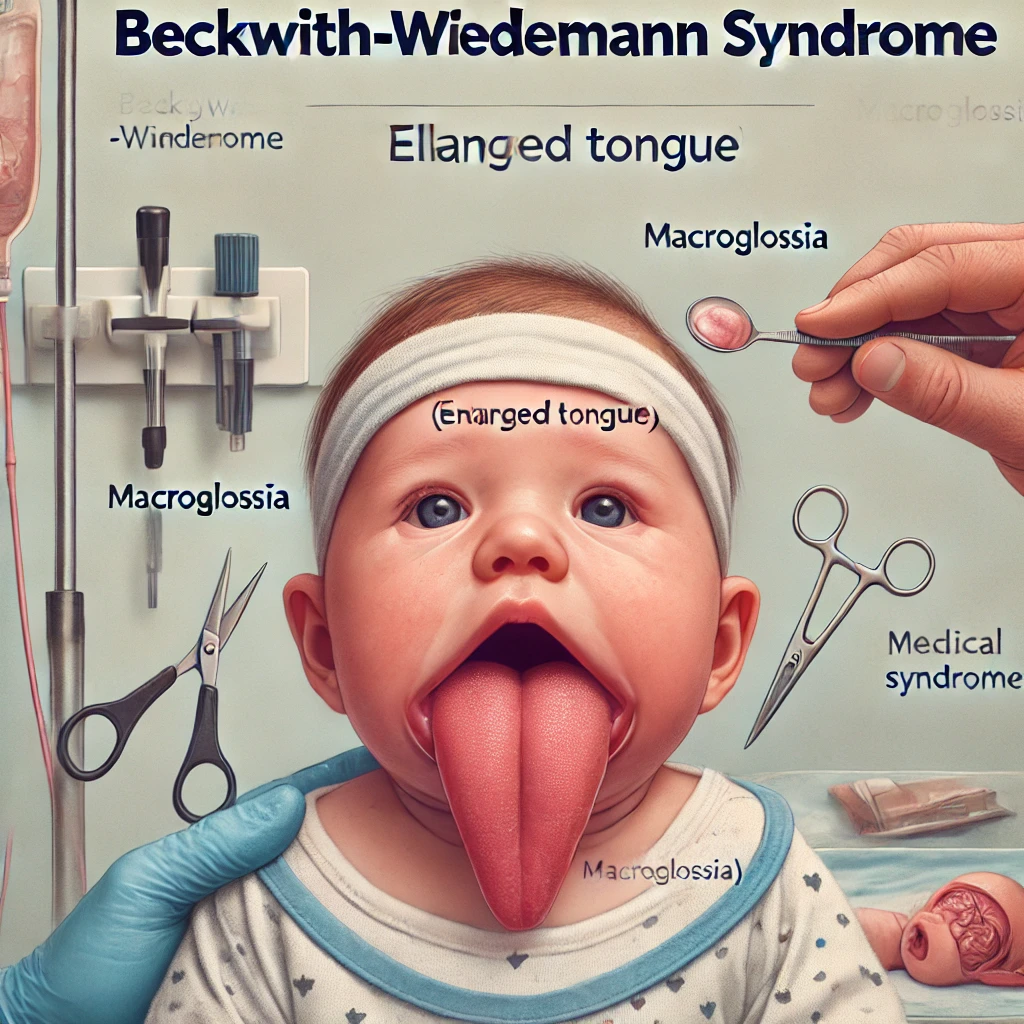
Beckwith-Wiedemann Syndrome (BWS) is a rare genetic condition characterized by distinct features such as omphalocele, neonatal hypoglycemia, and macroglossia—a significant increase in tongue size. This article explores the clinical aspects, treatments, and historical origins of this intriguing syndrome.
🤔 Who Discovered Beckwith-Wiedemann Syndrome?
Beckwith-Wiedemann Syndrome is named after its discoverers: American geneticist Dr. Hans-Rudolf Wiedemann, who identified the syndrome in 1964, and pediatrician Dr. John Bruce Beckwith, recognized for his detailed description in 1963. These physicians noted a combination of congenital abnormalities that today characterize BWS, solidifying the medical recognition of this rare condition.
Characteristics and Diagnosis
BWS is known for a series of physical characteristics and medical complications that include:
- Macroglossia: Enlargement of the tongue, a common feature that may require surgical intervention for correction.
- Omphalocele: A malformation in the abdominal wall where viscera herniate externally through the umbilicus.
- Neonatal hypoglycemia: Low blood sugar levels in newborns, requiring strict monitoring.
- Renal cortical cytomegaly: Kidney anomalies that can affect renal function throughout the patient's life.
Other manifestations may include capillary hemangioma, exophthalmos, and distinct facial features such as maxillary hypoplasia and shallow orbital floor.
Treatment
Treatment for BWS is highly individualized, depending on the severity and presence of specific symptoms:
- Macroglossia: In many cases, partial glossectomy is recommended, especially in more severe cases, to prevent speech problems and facial deformities.
- Hypoglycemia: Management involves careful monitoring of glucose levels and appropriate dietary intervention.
Research and Innovation
Researchers continue to investigate the genetic basis of BWS to improve diagnosis and treatment options. Recently, less invasive surgical techniques have been explored, such as the keyhole technique, which shows promise with good post-operative results.
Final Considerations
Beckwith-Wiedemann Syndrome, although rare, offers a fertile ground for medical research and treatment innovation. Continued understanding of its etiology, progression, and management can significantly improve the quality of life for affected patients. This article hopes to have clarified some of the crucial aspects of this condition, thus honoring the pioneering physicians who identified it.
Related articles


Agendar consulta
Precisa de orientação personalizada?
Marque uma avaliação com o Dr. Fernando Amato e tire as suas dúvidas sobre cirurgia plástica.
Falar no WhatsApp