
- Surgeries
Local Anesthetics in Plastic Surgery: Safety and Essential Information
- October 18, 2023
- By Fernando Amato
In the world of plastic surgery, patient safety and comfort are top priorities. One of the essential aspects of this care involves the use of local anesthetics, which have the function of making certain regions of the body insensitive to pain during procedures. So, if you are considering undergoing plastic surgery or just want to better understand this universe, keep reading to learn about the most commonly used local anesthetics and their specifications.
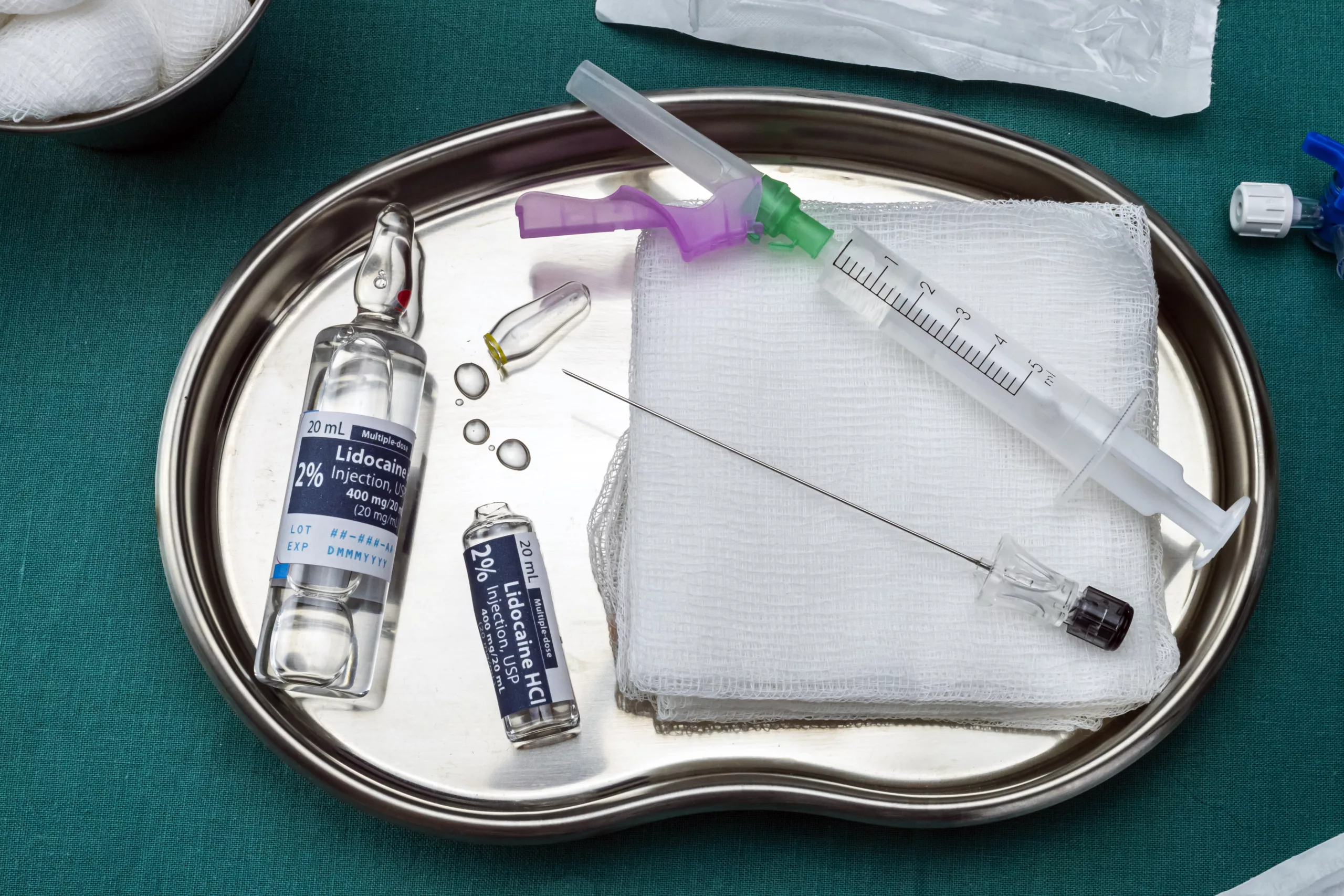
1. Xylocaine (Lidocaine)
Xylocaine, also known as Lidocaine, is one of the most popular local anesthetics and is widely used in various surgical and dental procedures. In addition to effectively blocking the sensation of pain, people appreciate the rapid onset and short duration of the anesthesia.
Safety: When used correctly, Xylocaine is considered safe. However, an overdose can cause side effects such as dizziness, drowsiness, and cardiac problems. It is crucial that a qualified physician administers it.
2. Bupivacaine
Bupivacaine is another widely used local anesthetic, especially known for its prolonged action. Due to its longer duration, it can be the ideal choice for more extensive procedures.
Safety: Like Xylocaine, Bupivacaine is safe when administered correctly. However, its safety margin is narrower, and toxic doses can cause cardiac problems. Its administration requires precision and knowledge.
3. Ropivacaine
Ropivacaine, more recent compared to the previous ones, is also known for its long duration. Physicians frequently choose it due to the lower risk of cardiac side effects compared to Bupivacaine.
Safety: Ropivacaine has a safety profile similar to Bupivacaine, but, as mentioned, it presents a lower cardiac risk.
Toxic Doses and Safety
It is crucial to understand that while these anesthetics are safe when used correctly, excessive doses or improper administration can lead to complications. Therefore, it is essential to:
- Have a qualified medical professional perform the administration.
- Be in an environment prepared to handle possible complications.
- It is important to inform yourself beforehand about the type of anesthesia that will be used.
The Importance of a Qualified Physician
No surgery, no matter how minor, should be performed without the supervision and action of a specialized physician. They not only ensure the correct administration of anesthetics but are also prepared to deal with any complications that may arise.
In summary, plastic surgery is a combination of art and science. To achieve satisfactory and safe results, it is essential to choose qualified professionals and be well-informed about all aspects of the procedure, including anesthesia. Your well-being and safety always come first!
I hope this text has helped clarify your questions about local anesthetics. If you have more questions or are considering plastic surgery, contact our office and schedule a consultation. Here, we prioritize your comfort and safety above all else!
Related articles


Agendar consulta
Precisa de orientação personalizada?
Marque uma avaliação com o Dr. Fernando Amato e tire as suas dúvidas sobre cirurgia plástica.
Falar no WhatsApp