

- Face and Neck
What is rhytidectomy?
- November 4, 2022
- By Fernando Amato
Do you know what rhytidectomy is?
Rhytidectomy, also known as a facelift, aims to counteract the signs of aging by treating skin laxity, reducing facial wrinkles, and repositioning tissues to improve facial contour.
Skin laxity, weakening of ligaments, descent of facial fat, and accumulation of fat in the neck can occur. In these cases, rhytidectomy treatment involves repositioning deep tissues, and not just the skin, to treat wrinkles and laxity.

Rhytidectomy is an aesthetic surgery that aims to improve the appearance of skin laxity and aging in the face and neck. It can be performed with or without anesthesia, depending on the extent of the procedure and the patient.
During the surgery, the plastic surgeon will remove excess skin and fatty tissue to give the skin a younger and firmer appearance. They may also reposition underlying muscles and tissues to improve skin firmness.
After surgery, it is common for the patient to experience pain and swelling. Certain precautions must be taken to ensure a quick recovery, such as avoiding physical exercise and sun exposure for a period determined by the doctor.
Rhytidectomy can have lasting results, but the skin will continue to age naturally over time. Therefore, it is important to remember that surgery cannot stop the aging process. However, the results can last for years, depending on the patient and how they care for their skin.
In summary, rhytidectomy is a safe and effective option for those who wish to improve the appearance of skin laxity and aging in the face and neck. However, it is important to remember that surgery cannot stop the aging process and that postoperative care is crucial for ensuring a quick recovery and lasting results.
What techniques can be combined in a rhytidectomy?
Rhytidectomy is a surgical procedure that aims to improve the appearance of lines and wrinkles on the face. There are several different techniques that can be used during rhytidectomy, including:
Skin resection: In this technique, the surgeon removes excess skin to improve the appearance of lines and wrinkles.
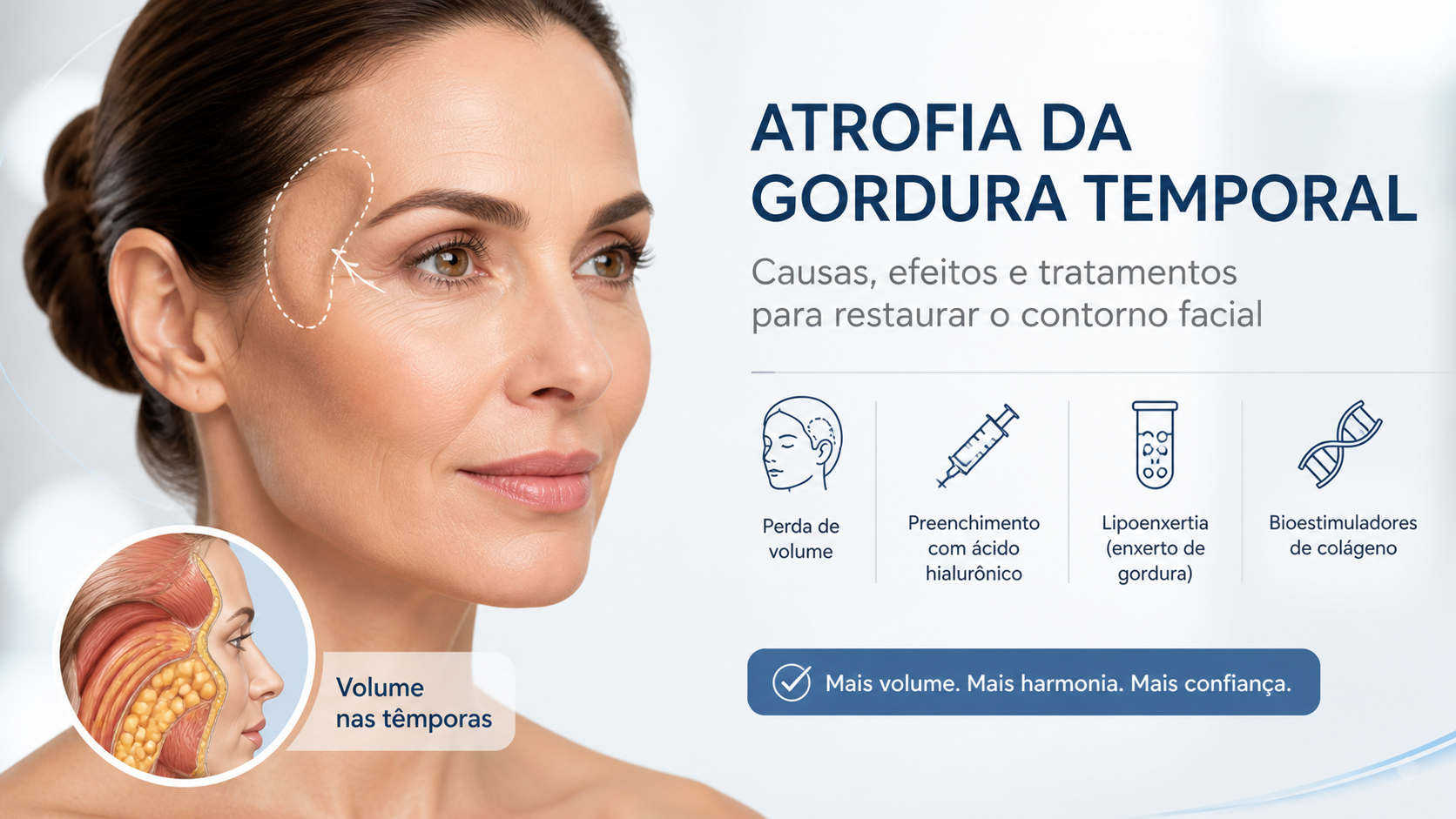
Fillers: The doctor may use fillers, such as hyaluronic acid, to fill in wrinkles and lines on the face.
Skin lift: In this technique, the surgeon lifts and tightens the skin to improve the appearance of lines and wrinkles.
Fat repositioning: The doctor may use liposuction techniques to remove fat from other areas of the body and then inject it into the face to fill in wrinkles and lines.
Dermabrasion: In this procedure, the surgeon uses a special tool to remove superficial layers of the skin to improve the appearance of lines and wrinkles.
Laser: The doctor can use lasers to remove superficial layers of the skin to improve the appearance of lines and wrinkles.
Microdermabrasion: In this technique, the doctor uses a special tool to remove the superficial layers of the skin with a fine crystal jet.
Botulinum toxin: The doctor can inject botulinum toxin into facial wrinkles to relax the muscles and improve the appearance of lines and wrinkles.
These are just some of the techniques that can be used during rhytidectomy. The type of procedure that is right for you will depend on the type and severity of the wrinkles and lines you want to treat, as well as your expectations and preferences.
What are the non-surgical alternatives to rhytidectomy?
There are several non-surgical alternatives to rhytidectomy that can help improve the appearance of lines and wrinkles on the face. Some of these options include:
Facial fillers: Facial fillers, such as hyaluronic acid, can be injected into the skin to fill in wrinkles and lines.
Botulinum toxin: Botulinum toxin, also known as Botox, can be injected into facial wrinkles to relax the muscles and improve the appearance of lines and wrinkles.
Laser treatments: Laser treatments, such as fractional CO2 laser, can be used to remove superficial layers of the skin and improve the appearance of lines and wrinkles.
Chemical peeling: Chemical peeling involves the use of chemicals to remove superficial layers of the skin and improve the appearance of lines and wrinkles.
Radiofrequency treatments: Radiofrequency treatments involve the use of radio waves to heat and rejuvenate the skin, which can help improve the appearance of lines and wrinkles.
LED light therapy: LED light therapy involves the use of lights of different wavelengths to stimulate collagen production and improve the appearance of lines and wrinkles.
These are just some of the non-surgical alternatives to rhytidectomy available. The type of treatment that is right for you will depend on the type and severity of the wrinkles and lines you want to treat, as well as your expectations and preferences.
What are the main reasons people opt for a rhytidectomy?
People generally opt for a rhytidectomy to improve the appearance of skin laxity and aging in the face and neck.
Is rhytidectomy suitable for all ages?
Rhytidectomy is most suitable for people over 40, when signs of aging begin to become more evident. However, each case is unique, and the plastic surgeon can assess whether the surgery is suitable for each individual patient.
What is the recovery process after rhytidectomy?
After surgery, the patient may experience pain and swelling. Certain precautions must be taken to ensure a quick recovery, such as avoiding physical exercise and sun exposure for a period determined by the doctor.
How long do the results of rhytidectomy last?
The results of rhytidectomy can last for years, depending on the patient and how they care for their skin. However, the skin will continue to age naturally over time, so it is important to remember that surgery cannot stop the aging process.
What type of anesthesia is used in rhytidectomy?
Rhytidectomy can be performed with or without anesthesia, depending on the extent of the procedure and the patient. The type of anesthesia used will be determined by the doctor and may be local, general, or sedation.
What are the possible risks and complications of rhytidectomy?
As with any surgery, rhytidectomy can have some risks and complications, including infection, scarring, altered skin sensation, and reactions to anesthesia. However, these risks are rare and can be minimized by following the doctor's instructions.
What is the duration of rhytidectomy surgery?
The duration of rhytidectomy surgery can vary, but generally takes 2 to 5 hours.
Can I use anti-wrinkle creams after rhytidectomy?
It is important to follow the doctor's instructions regarding the use of creams after rhytidectomy. Some creams can be irritating to newly operated skin and should be avoided until the skin is fully healed.
How long do I need to wait to return to work after rhytidectomy?
The time off work after rhytidectomy can vary, but generally the patient can return to work in 1 to 2 weeks. However, it is important to follow the doctor's instructions regarding the rest period and postoperative care to ensure a quick and safe recovery.
Related articles


Agendar consulta
Precisa de orientação personalizada?
Marque uma avaliação com o Dr. Fernando Amato e tire as suas dúvidas sobre cirurgia plástica.
Falar no WhatsApp