
- Plastic Surgery
Immediate breast reconstruction: what it is and who can have it
- October 16, 2025
- By Fernando Amato
Opting for immediate breast reconstruction allows the breast shape to be restored at the same time as the mastectomy — but not every patient is a safe candidate.
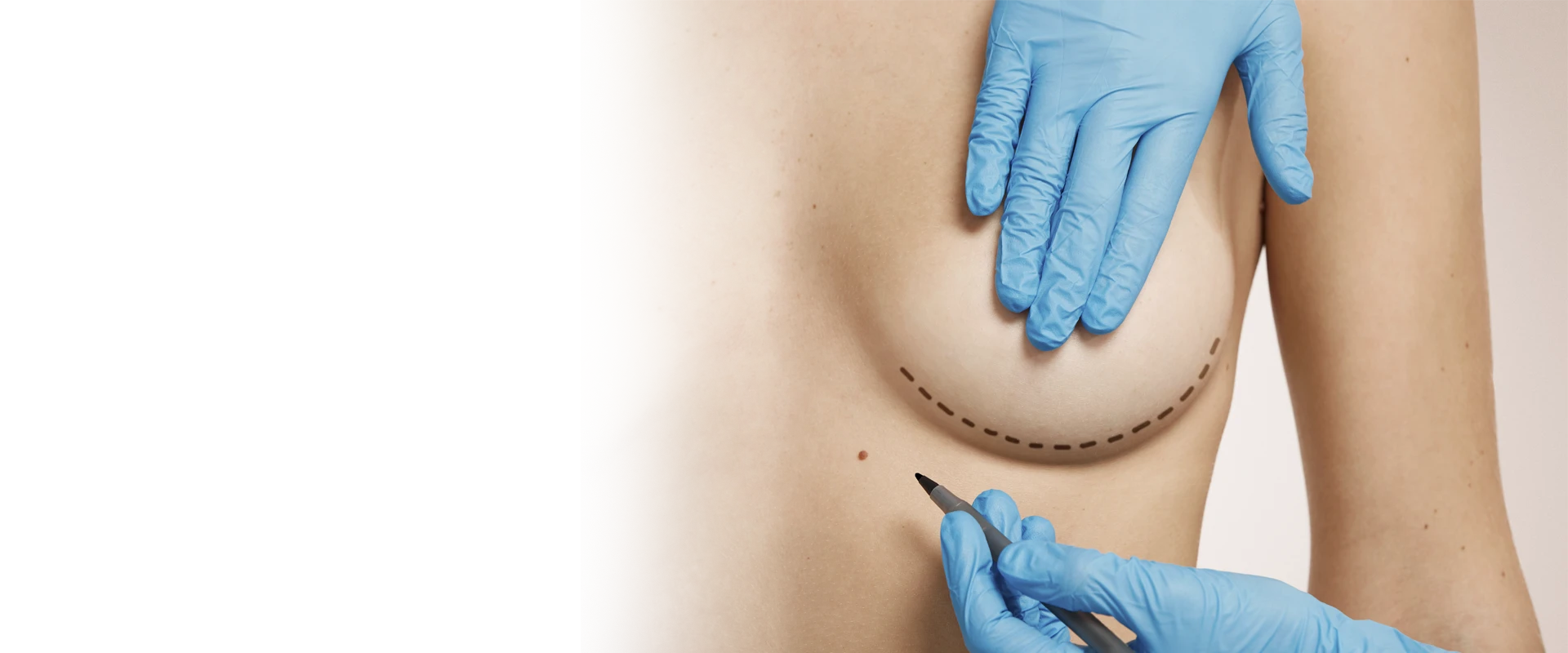
Immediate breast reconstruction is thus the procedure in which breast reconstruction is performed during the same surgical session as the mastectomy (removal of breast tissue), without waiting for an interval. This approach allows the patient to wake up from surgery with breast contours already re-established or at least initiated, reducing the period during which the chest remains “flat.”
This technique has gained traction in modern oncology and plastic surgery centers, although its indication must be carefully analyzed by a multidisciplinary team (mastologist, oncological surgeon, plastic surgeon, and oncologist).
Highlights
• Better aesthetic outcome and preservation of breast skin
• Psychological and body image benefits
• May reduce the total number of surgeries
• Not all women are candidates — there are contraindications
• Planned radiotherapy may alter the decision
Advantages and disadvantages of immediate breast reconstruction
Advantages
- Preservation of skin and cutaneous envelope: by maintaining the outer skin (skin-sparing mastectomy or nipple-sparing), reconstruction avoids retractions and deformities that typically arise in delayed reconstructions. MD Anderson Cancer Center+3abs.amegroups.org+3melbournebreastcancersurgery.com.au+3
- Better initial aesthetic result: the breast contour can be better maintained, with more satisfactory symmetry. Plastic Surgery Key+4abs.amegroups.org+4MD Anderson Cancer Center+4
- Reduced psychological impact: many women report less distress by not experiencing the “breastless” period. abs.amegroups.org+2MD Anderson Cancer Center+2
- Reduction in the number of surgeries: by combining mastectomy and reconstruction, the need for a second initial procedure can be avoided. Plastic Surgery Key+3MD Anderson Cancer Center+3abs.amegroups.org+3
- Oncological safety: available studies do not show an increased risk of local recurrence for patients undergoing immediate reconstruction compared to those who did not. thebreastonline.com+3MD Anderson Cancer Center+3abs.amegroups.org+3
Disadvantages and challenges
- Increased risk of complications: such as skin dehiscence, flap or breast region necrosis, which can thus delay complementary therapies like chemotherapy. thebreastonline.com+5abs.amegroups.org+5melbournebreastcancersurgery.com.au+5
- Longer and more complex recovery: combining two procedures into one tends to result in longer hospitalization and recovery times. Banner Health+2MD Anderson Cancer Center+2
- Risk of interference with future radiotherapy: the presence of the implant or reconstructed tissue may, however, alter the planning and distribution of the radiation dose, compromising the aesthetic and functional outcome. MD Anderson Cancer Center+3melbournebreastcancersurgery.com.au+3abs.amegroups.org+3
- Greater technical complexity: requires excellent preparation by the plastic surgeon and rigorous evaluation of skin flaps and residual tissue. abs.amegroups.org+2melbournebreastcancersurgery.com.au+2
Techniques used in immediate reconstruction
Immediate reconstruction can thus be performed using different techniques, adapted to the patient’s anatomy, expectations, and clinical viability:
Reconstruction with implant / expander
- This involves inserting a definitive implant or tissue expander that will be gradually filled to achieve the desired volume. MD Anderson Cancer Center+3Plastic Surgery Key+3melbournebreastcancersurgery.com.au+3
- Often, however, acellular dermal matrix (ADM) is used for additional support for the implant. abs.amegroups.org+1
- Advantage: shorter initial surgical time and less strain on selected patients.
- Disadvantage: greater susceptibility to complications in case of subsequent radiotherapy.
Reconstruction with autologous flaps
- DIEP flap (Deep Inferior Epigastric Perforator): uses skin and fat from the abdomen, preserving abdominal muscles, being one of the preferred techniques for providing natural results. Plastic Surgery Key+4OUP Academic+4melbournebreastcancersurgery.com.au+4
- Other possible flaps: TRAM (transverse rectus abdominis), latissimus dorsi muscle flap, thigh or gluteal flaps. Wikipedia+3melbournebreastcancersurgery.com.au+3abs.amegroups.org+3
- Advantage: living tissue has greater radiation tolerance and can yield a more durable result.
- Disadvantage: prolonged surgery, longer recovery time, and requirement for good vascular perfusion at the donor site.
Selection criteria: who can have it
The indication for immediate breast reconstruction therefore requires a careful evaluation of multiple factors:
Favorable factors
- Elective surgery or early diagnosis, with a low probability of immediate post-mastectomy radiotherapy.
- Good general clinical condition: patient without severe comorbidities, well-nourished.
- Absence of severe risk factors, such as active smoking, high obesity, vascular diseases, or uncontrolled diabetes.
- Viable skin tissue: skin and flaps with good perfusion, without signs of local compromise.
- Previous aesthetics and patient's desire for immediate reconstruction.
Absolute or relative contraindications
- Inflammatory breast cancer or presence of locally advanced disease — in these cases, immediate reconstruction is usually avoided. abs.amegroups.org+2melbournebreastcancersurgery.com.au+2
- When postoperative radiotherapy (PMRT) is certainly anticipated: there is a high risk of complications and aesthetic compromise of the reconstructed area. Banner Health+4melbournebreastcancersurgery.com.au+4abs.amegroups.org+4
- Patients with active smoking, severe obesity, uncontrolled clinical diseases.
- If there is a pre-existing local infection or severe skin compromise.
In many cases where there is doubt about the need for radiotherapy, a hybrid approach called “immediate-delayed” or “staged-immediate” reconstruction can be adopted, in which a temporary expander is placed at the time of mastectomy, awaiting definition of adjuvant treatment to complete the definitive reconstruction. melbournebreastcancersurgery.com.au+2Plastic Surgery Key+2
Pre-operative care and planning
- Prior evaluation with mammography, magnetic resonance imaging, and vascular mapping (for flaps)
- Multidisciplinary discussion — oncology, mastology, radiotherapy, and plastic surgery
- Patient counseling regarding risks, benefits, and possibility of treatment modifications
- Clinical preparation: blood pressure and glucose control, smoking cessation (ideally 4–6 weeks prior)
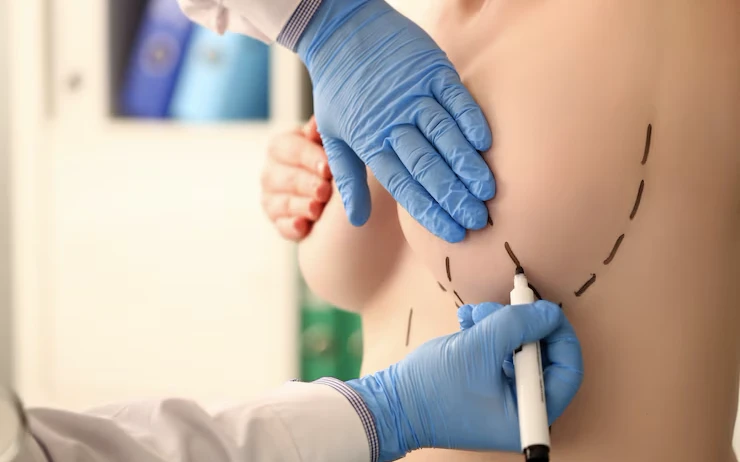
- Planning of technique (implant versus flap) and distribution of surgery patterns
Post-operative period and challenges
- Rigorous monitoring of skin and flap perfusion
- Drainage care, use of prophylactic antibiotics and adequate analgesics
- Observation for complications: dehiscence, necrosis, seroma, infection
- Adjustments and secondary revisions — symmetrization, minor corrections, or touch-ups
- If radiotherapy is then performed, monitor its effects on the reconstructed tissue (fibrosis, retractions) and be prepared for additional interventions
Comparison with delayed reconstruction
- In delayed reconstruction, oncology and radiotherapy are expected to have already been completed.
- This can thus allow for greater safety in cases where adjuvant treatment is uncertain.
- However, the skin is usually stiffer, with scars, which makes it difficult to achieve a good aesthetic result. MD Anderson Cancer Center+3Plastic Surgery Key+3abs.amegroups.org+3
Tips and final considerations
- Plan ahead — ideally, the patient should discuss with the reconstructive surgeon before mastectomy.
- Be realistic with expectations — even with immediate reconstruction, subsequent adjustments are common.
- Do not compromise oncological treatment — the priority is to cure cancer; reconstruction must adapt to the oncological plan.
- Seek reference centers with experience in oncoplastic reconstruction.
Finally, immediate breast reconstruction is a powerful option for many women, but it is not suitable for everyone. Thus, the decision needs to be individualized, based on clinical, therapeutic, and personal factors — always within a multidisciplinary context. Schedule an evaluation with a mastologist and a specialized plastic surgeon to discuss your case.
Internal links (relevant)
As this article is part of a series, when publishing it you can insert links to:
- prosthesis – http://www.plastico.pro/protese
- mammoplasty – http://www.plastico.pro/mamoplastia
- mastopexy – http://www.plastico.pro/mastopexia
- anesthesia – http://plastico.pro/anestesia-em-plastica
- day hospital – http://plastico.pro/hospital-dia
- tips for preparing – http://plastico.pro/dicas-para-se-preparar
- smoking – http://plastico.pro/riscos-tabagismo
- pre-op exams – http://plastico.pro/exames-preop
- diet – http://plastico.pro/dieta
- lipedema – http://plastico.pro/lipedema
FAQ
What is immediate breast reconstruction?
It is breast reconstruction performed during the same surgical procedure as the mastectomy, meaning without an interval between the removal of breast tissue and reconstruction.
What are the main benefits of this approach?
They include skin preservation, better initial aesthetics, fewer procedures, and improved psychological well-being post-surgery.
What are the risks of immediate reconstruction?
Complications such as skin necrosis, dehiscence, infections, or delays in oncological treatments, as well as less aesthetic predictability in cases of radiotherapy.
Who can undergo immediate breast reconstruction?
Patients without contraindications such as locally advanced cancer, definite prediction of radiotherapy, active smoking, or severe clinical diseases, and with suitable conditions for surgery.
Can radiotherapy harm immediate reconstruction?
Yes. Radiation can cause fibrosis, retractions, and deformities in the reconstructed tissue, especially if used with implants. Therefore, when radiotherapy is almost certain, delayed reconstruction or a hybrid method is sometimes opted for. Banner Health+4melbournebreastcancersurgery.com.au+4abs.amegroups.org+4
Is there an impact on oncological prognosis?
Current studies indicate that immediate reconstruction does not increase local recurrence nor alter overall prognosis, provided it is well-indicated. MD Anderson Cancer Center+2abs.amegroups.org+2
How is surgical technique planning done?
Evaluation of donor resources (abdomen, back, thigh, etc.), vascular imaging exams, patient's clinical status, and multidisciplinary consultation to choose between implant or flap.
How long does the recovery process take?
The time varies depending on the technique. Light activities can be resumed between 4 and 8 weeks; full recovery can take months. Banner Health+2MD Anderson Cancer Center+2
Can I adjust or redo something later?
Yes — adjustments, symmetrizations, nipple reconstruction, and touch-ups are common and an expected part of the reconstruction process.
Why do some women opt for delayed reconstruction?
In cases where the risks are higher (radiotherapy, unfavorable clinical conditions), waiting allows oncological treatment to be prioritized, complete healing to occur, and the patient to have more time to decide.
Related articles



Agendar consulta
Precisa de orientação personalizada?
Marque uma avaliação com o Dr. Fernando Amato e tire as suas dúvidas sobre cirurgia plástica.
Falar no WhatsApp