
- Surgeries, Face and Face
Eyelid Ptosis
- February 12, 2023
- By Fernando Amato
What is eyelid ptosis?
It is a condition in which the upper eyelid droops over the eye, affecting the full opening of the eye and impairing the visual field. It can occur in only one eye (unilateral) or in both eyes (bilateral) and can be congenital or acquired due to muscle diseases, nerve problems, trauma, or other causes. The treatment for this varies depending on muscle function and the degree of the condition. It is important to seek medical help to evaluate the best therapeutic approach.
What are the causes?
Eyelid ptosis can have several causes, including:
-
Congenital: Congenital eyelid ptosis occurs when the muscle that lifts the upper eyelid does not develop properly or does not function correctly from birth.
-
Aging: Eyelid ptosis can occur naturally with aging, due to the loss of skin elasticity and eyelid muscles.
-
Trauma: Injuries to the eye area or eyelids can cause eyelid ptosis.
-
Neuromuscular diseases: Neurological or muscular conditions, such as myasthenia gravis, muscular dystrophy, and Parkinson's disease, can cause this condition.
-
Previous surgeries: Previous ophthalmic or eyelid surgeries can damage the upper eyelid muscles and cause ptosis.
-
Medication use: Certain medications, such as muscle relaxants and antidepressants, can cause this as a side effect.
-
Thyroid problems: Hypothyroidism, a condition in which the thyroid does not produce enough hormones, can cause eyelid ptosis.
What are the symptoms of eyelid ptosis?
The main symptoms are:
- The drooping of the upper eyelid covering part of the affected eye;
- Feeling tired or straining to keep the eyelid open;
- Difficulty fully opening the affected eye;
- Blurred or double vision, due to partial obstruction of vision by excess eyelid skin;
- Headache, especially when ptosis is bilateral and chronic;
- Elevated eyebrow and forehead wrinkles, due to the attempt to compensate by raising the eyelid.
It is important to emphasize that symptoms may vary according to the cause of the eyelid ptosis and the degree of involvement.
What is the difference between congenital and acquired?
Eyelid ptosis congenital is a condition present from birth, usually caused by muscle or nerve problems in the upper eyelid.
Acquired is a condition that appears later in life, usually due to muscle or nerve problems related to aging, injuries, neurological diseases, or medication side effects.
Congenital eyelid ptosis can be more severe and require surgical treatment earlier, while acquired can generally be treated with conservative measures, such as wearing glasses or using eye drops to help open the eye.
Surgery may also be an option for acquired eyelid ptosis, but this is usually only performed when the condition significantly affects vision or causes other problems.
What are the available treatments for this condition?
Treatments may vary according to the cause of the condition and the degree of involvement. Some of the available treatments include:
-
Observation: In some cases, it may be mild and not significantly affect vision or aesthetics. In these cases, the doctor may only monitor the condition without prescribing any treatment.
-
Use of glasses: In some cases of mild eyelid ptosis, wearing glasses can help lift the affected eyelid and improve vision.
-
Medical treatment: In cases of eyelid ptosis caused by underlying health problems, such as myasthenia gravis or other neuromuscular diseases, medical treatment of these conditions may help improve eyelid ptosis.
-
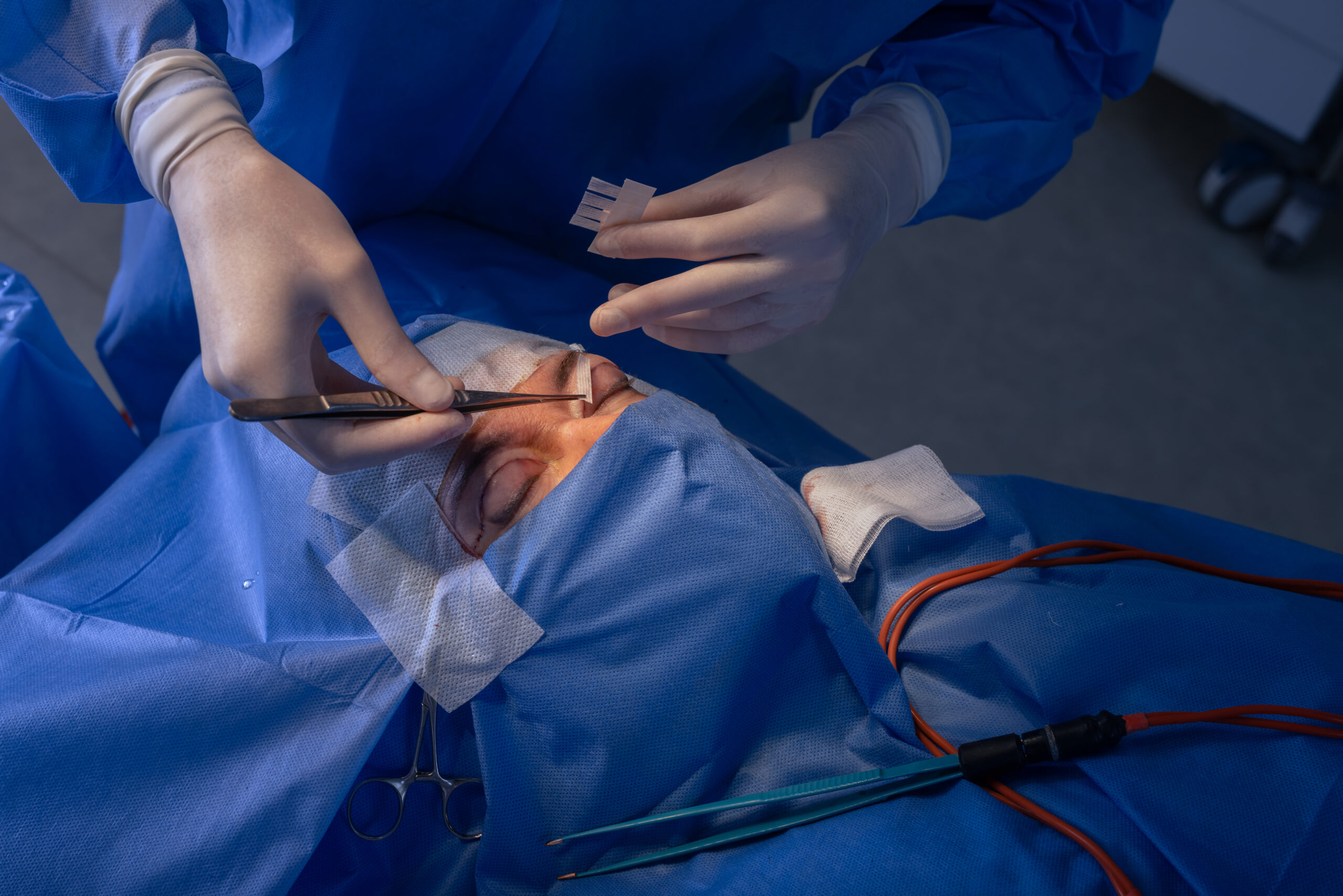
Surgery: In cases of moderate to severe eyelid ptosis, surgery is usually the most effective treatment. Different surgical techniques are available, depending on the cause and degree of involvement. Surgery may involve repairing the levator muscle of the eyelid, removing excess skin, or elevating the eyelid using a tissue graft or a suspensory suture.
So, it is important to remember that an ophthalmologist or plastic surgeon specializing in eyelid surgery should prescribe the appropriate treatment.
What are the surgeries for correcting eyelid ptosis?
Several different surgical procedures can be used to correct eyelid ptosis, including:
-
Upper eyelid elevation: This surgery involves augmenting the muscles or tendons of the upper eyelid to lift the eyelid and improve vision.
-
In frontalis muscle suspension, surgeons perform suspension of the muscle in the forehead called the frontalis muscle to help elevate the upper eyelid.
-
Müller muscle elevation: This surgery involves elevating the Müller muscle, a muscle in the upper eyelid, to improve the eyelid's position.
-
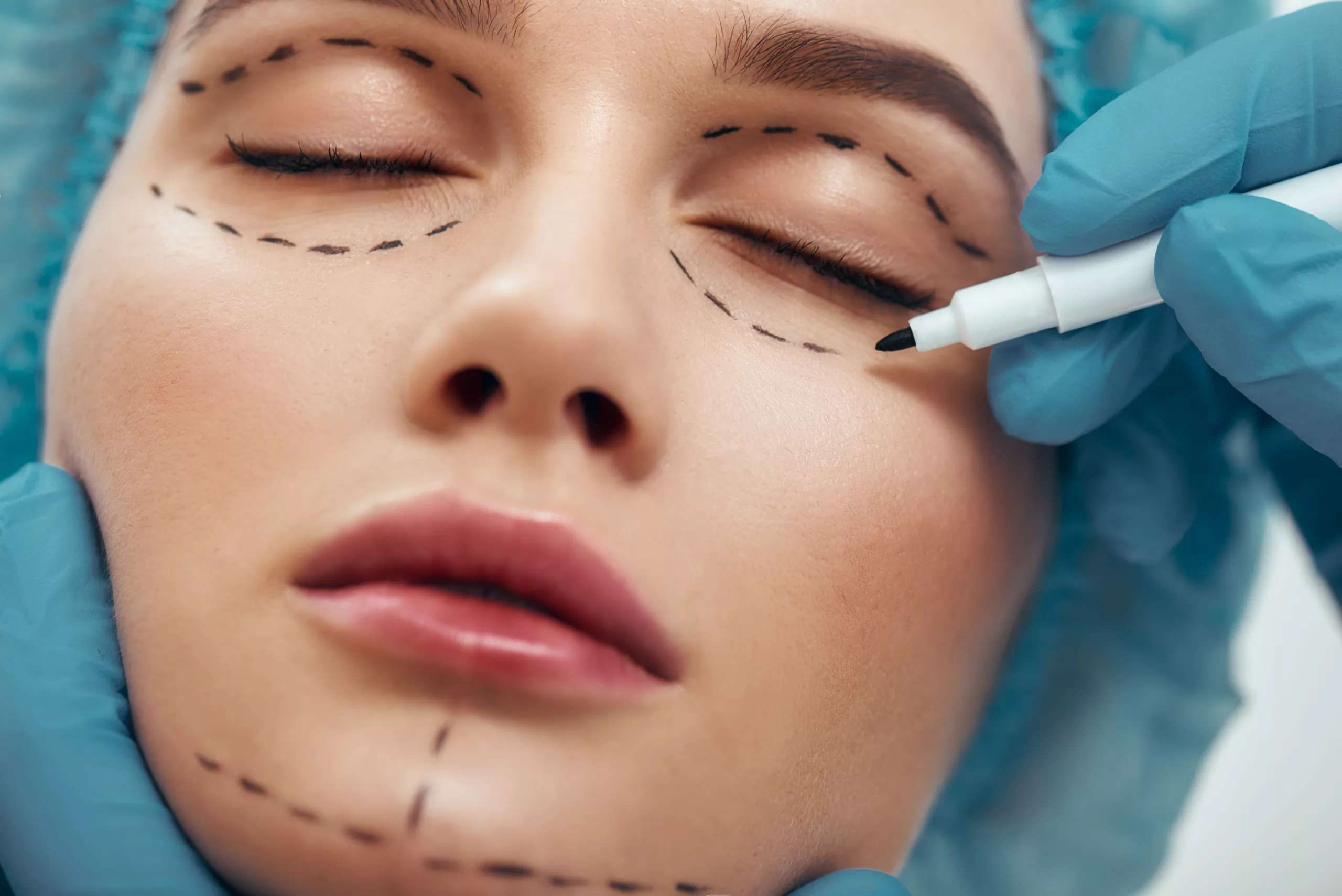
Blepharoplasty: This surgery involves removing fat and tissue from the upper eyelid to improve the eyelid's appearance and position.
-
Combined surgery: Sometimes, a combination of several of these surgeries may be necessary to treat eyelid ptosis.
In summary, the choice of surgery to be performed depends on the degree of ptosis and the underlying cause; in addition, it is important to remember that a prior medical evaluation is necessary to identify the best option for each specific case.
Related articles

Diet before and after plastic surgery

Healthy diet in plastic surgery post-op
Agendar consulta
Precisa de orientação personalizada?
Marque uma avaliação com o Dr. Fernando Amato e tire as suas dúvidas sobre cirurgia plástica.
Falar no WhatsApp