
- Surgeries, Body
Ideal breast implant: how to choose the perfect silicone implant for you
- November 11, 2024
- By Fernando Amato
Choosing an ideal breast implant is an important decision that requires detailed analysis and professional guidance. However, many patients wonder what the perfect silicone implant would be to achieve satisfactory and natural aesthetic results. Nevertheless, the ideal implant depends on individual factors such as chest shape, skin thickness, lifestyle, and each person's expectations. So, in this article, we will discuss the main types of implants, their characteristics, and how to choose the option that best suits your profile.
🔍 Article Highlights
🎯 Understand the differences between round and anatomical implants
💡 Learn how the breast implant profile influences the final result
🏥 Importance of choosing the right hospital and specialized medical team
🩺 How pre-operative care can impact the success of the surgery
🤔 Key questions to ask before surgery
Types of Breast Implants
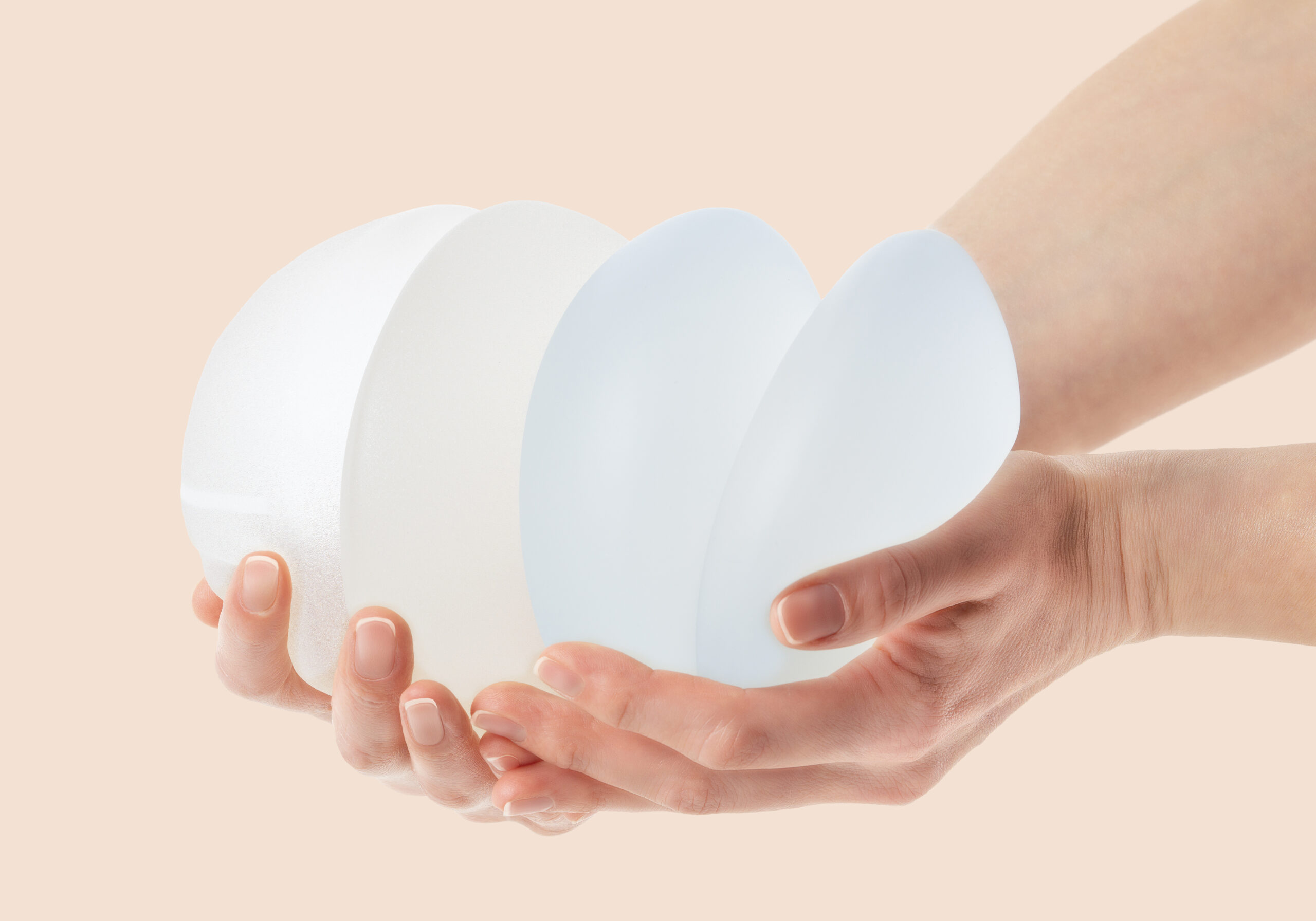
Choosing among the different types of breast implants is one of the first steps to defining the ideal implant. The most common options, therefore, include round and anatomical implants.
• Round Implant: This is the most common choice and, therefore, provides a more accentuated projection of the upper pole of the breast. Thus, this model is ideal for those who desire a more evident and voluminous result. It can, therefore, be a great option for those who have little natural breast tissue and wish to significantly increase volume.
• Anatomical Implant: Also known as a “teardrop” implant, this model has a shape closer to the natural breast, with more volume in the lower part. Therefore, this type is recommended for those seeking a more discreet and natural effect. However, the anatomical implant requires perfect positioning to prevent it from rotating and causing asymmetry.
The decision between these two types depends on the patient's aesthetic expectations and the surgeon's analysis of what will be most harmonious for their body type.
Implant Profiles and Their Implications
In addition to shape, breast implants also vary in profile, which defines how much the implant will project forward from its base. The main profile types are:
• Low Profile: This offers a discrete projection, ideal for those seeking a subtle and harmonious augmentation.
• Moderate Profile: This is the intermediate profile, thus providing moderate volume with a natural appearance. Therefore, it is indicated for most patients who desire a proportional effect.
• High and Extra High Profile: This, therefore, ensures accentuated projection, much sought after by those who want a significant increase in the upper pole. Indicated for women with narrow chests who desire greater projection.
However, the choice of the ideal profile should be made considering the chest measurements, body proportion, and the patient's aesthetic desire.
Ideal Breast Implant Size: How to Define?
The definition of the silicone implant size, therefore, must consider the patient's body type and the desired effect. For this, the surgeon evaluates the chest width, the amount of available breast tissue, and skin elasticity. An implant that is too large can cause long-term discomfort and even postural problems, while one that is too small may not achieve the desired result.
Implant Texturization and Coating
Implants also differ in surface type, which can be smooth or textured. Textured implants, however, have a rough surface that helps them adhere better to the tissue, reducing the chance of displacement and capsular contracture (a body reaction that forms a capsule around the implant). However, recent studies show that smooth implants may present lower risks of complications, especially in procedures where the implant is placed under the muscle.
Surgical Procedure and Implant Placement Location
Another important factor is the surgical technique used and the implant placement location. The implant can be placed:
1. Below the breast tissue: Offers a more natural appearance and is less invasive.
2. Below the muscle: This is indicated for patients with little breast tissue, as the muscle helps cover the implant, giving a more natural appearance. This technique also reduces the risk of capsular contracture.
The type of anesthesia used and the surgical site are also essential points for a safe and calm experience. Good surgical planning, performed in a specialized hospital environment, such as a hospital with adequate facilities for plastic surgeries, ensures greater safety for the procedure.
Important Factors in Pre-operative Care
The pre-operative phase is essential to prepare the body and minimize risks. The plastic surgeon will request health exams to evaluate the patient's general condition, in addition to providing guidance on nutrition and care. It is important to avoid cigarettes and smoking, as they compromise healing. Furthermore, maintaining a balanced diet and following all medical recommendations makes a big difference in the recovery process.
Post-operative Care and Breast Implant Care
The post-operative period requires specific care, such as the use of surgical bras to ensure the correct position of the implant and avoid sudden movements. The final results are usually perceived after a few months, when the swelling completely reduces and the implant adapts to the body.
Regular medical follow-up is essential to monitor the integrity of the implant over the years, as, although modern implants are resistant, they may need replacement after 10 to 15 years.
Conclusion
Choosing the ideal breast implant is a process that must consider multiple factors. To ensure the best result, it is essential to seek a qualified plastic surgeon and follow medical guidelines in the pre- and post-operative periods. If you are considering breast augmentation, schedule a consultation with Dr. Fernando Amato, who can assist in choosing the most suitable implant for your case and answer all your questions about the procedure.
Questions and Answers
1. What is the most natural breast implant shape?
The anatomical, teardrop-shaped implant generally offers a more natural result.
2. What is the durability of a silicone implant?
On average, 10 to 15 years, but it depends on each case.
3. Are smooth implants safe?
Yes, smooth implants have shown a lower risk of complications in some studies.
4. Can the implant be placed under the muscle?
Yes, this technique is recommended for those with little breast tissue.
5. How long does recovery take after surgery?
The initial recovery period is approximately 4 weeks.
6. What is the ideal implant size for me?
It depends on your body characteristics and the desired result.
7. Can large implants cause back problems?
Very large implants can impact posture in the long term.
8. Do I need to replace the implant after a few years?
Yes, replacement is generally recommended after 10 to 15 years.
9. How do I choose between a low and high profile?
It depends on the desired projection and chest measurements.
10. Do I need to stop smoking before surgery?
Yes, smoking compromises healing and increases the risk of complications.
Keywords
#implant #silicone #mammoplasty #augmentation #mammary
Related articles

Diet before and after plastic surgery

Healthy diet in post-operative plastic surgery
Agendar consulta
Precisa de orientação personalizada?
Marque uma avaliação com o Dr. Fernando Amato e tire as suas dúvidas sobre cirurgia plástica.
Falar no WhatsApp