- Surgeries, Body, For Patients, Videos
Abdominoplasty Postoperative Care
- April 14, 2023
- By Fernando Amato
What is abdominoplasty postoperative care like?
Abdominoplasty: what you need to know about the surgery and postoperative care
Let's talk about abdominoplasty, a plastic surgery highly sought after by people with excess abdominal skin, abdominal hernias, or diastasis of the abdomen. Dr. Fernando Amato, a plastic surgeon at Instituto Amato, provided us with valuable information about the surgery and its postoperative care.
Who undergoes abdominoplasty?
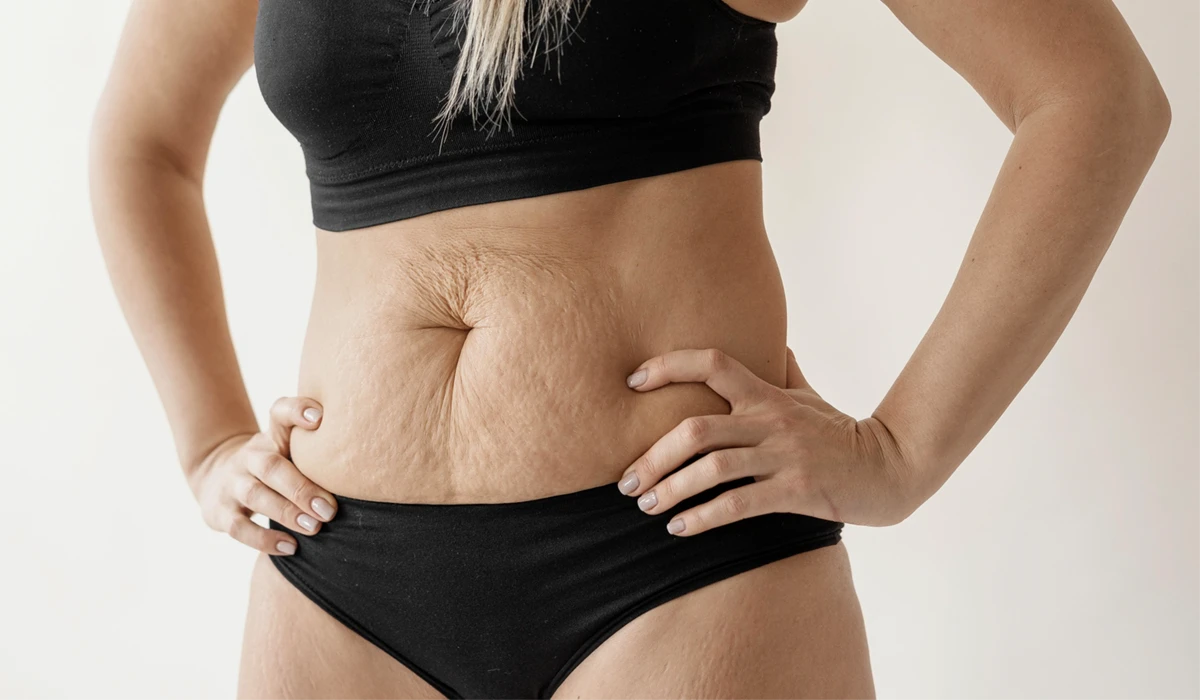
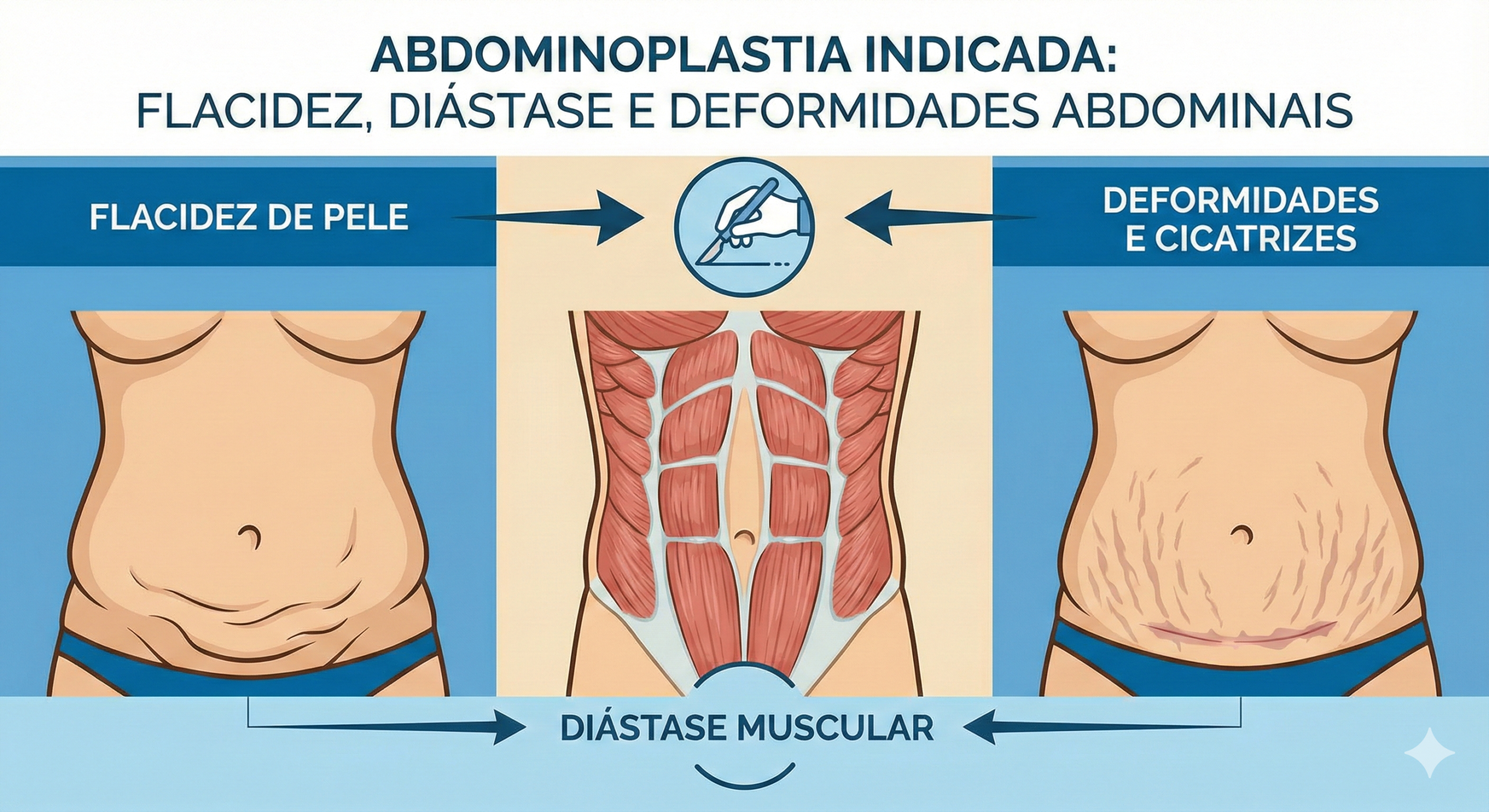
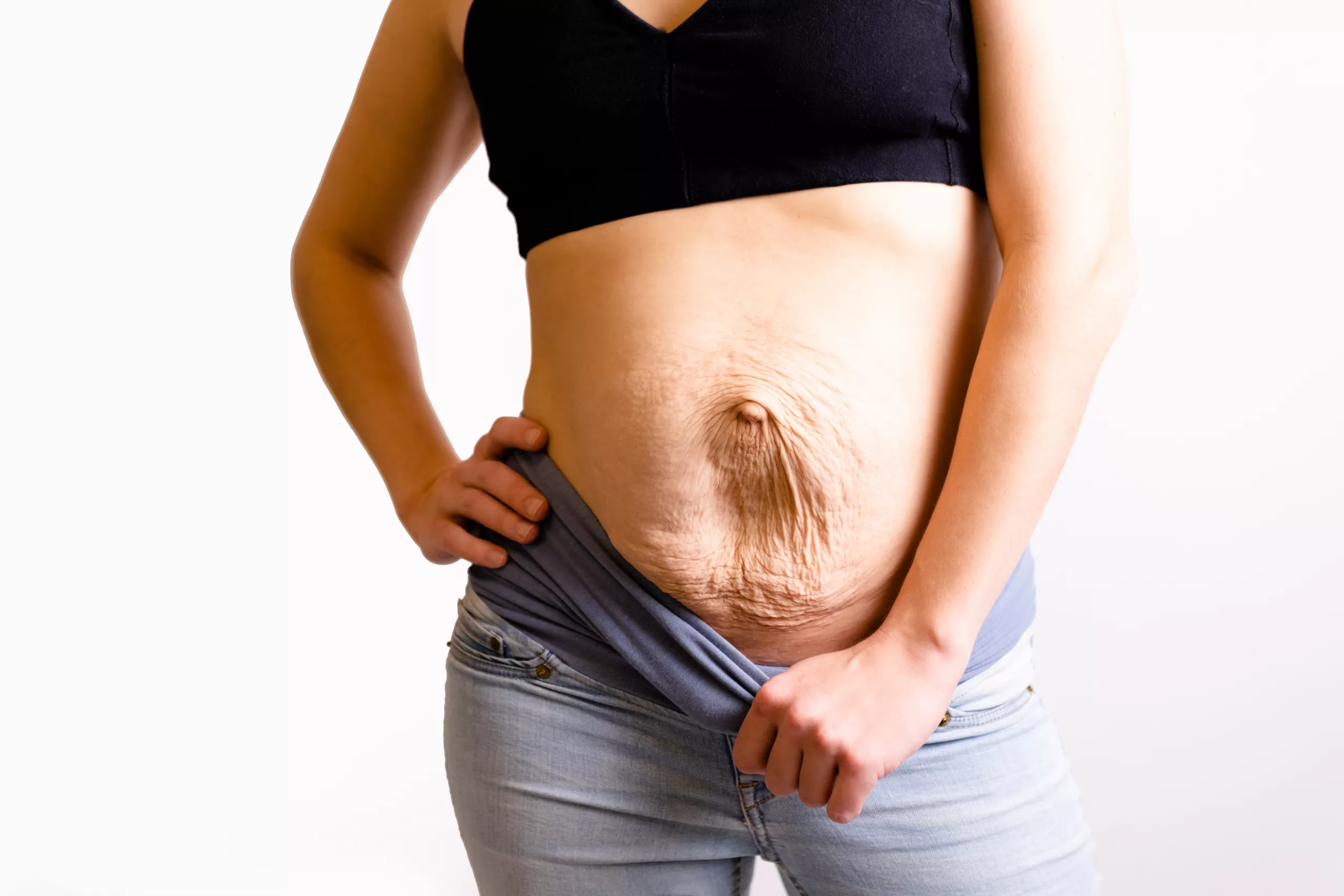
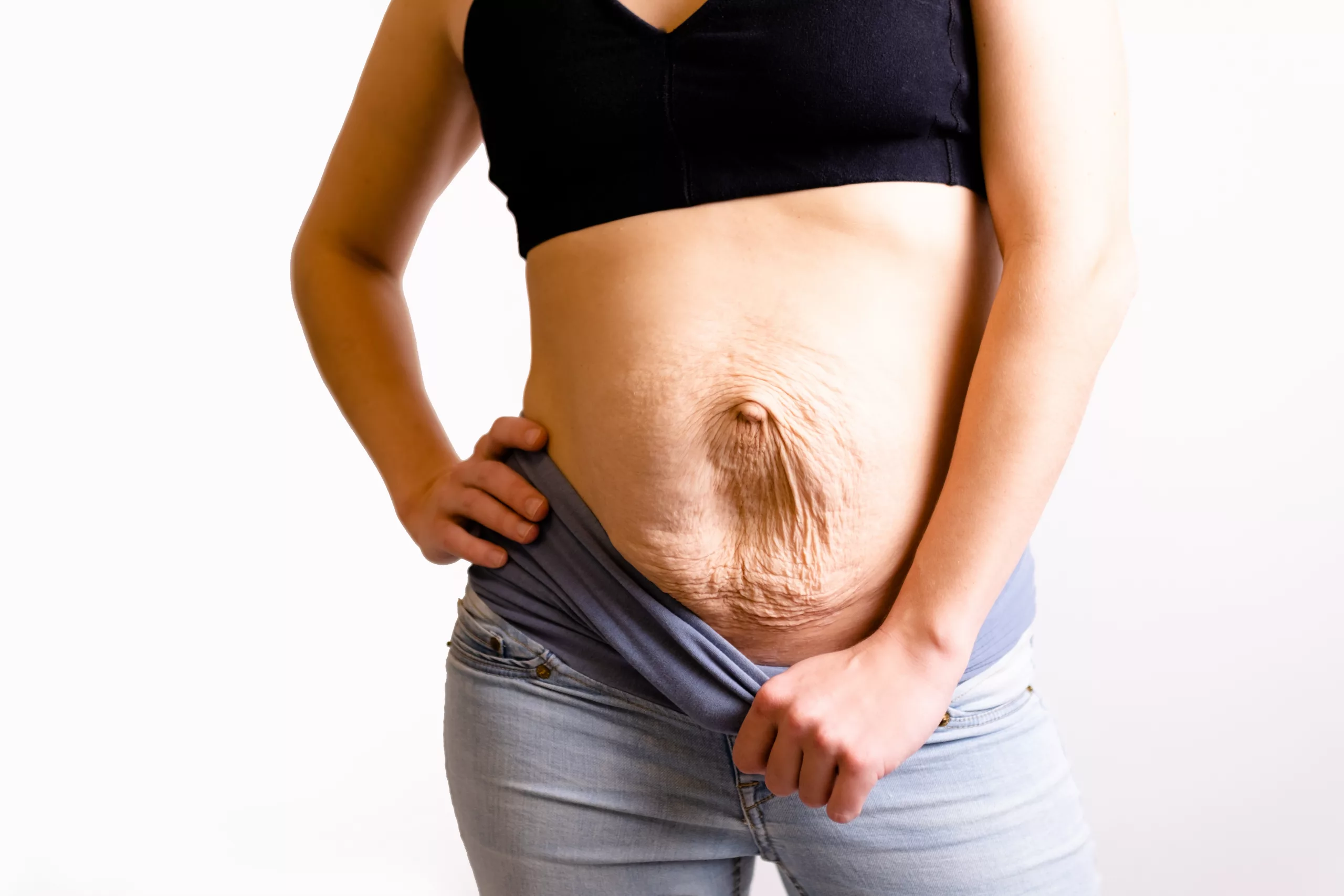
Abdominoplasty is an option for people with excess abdominal skin, usually due to significant weight gain and loss, or after bariatric surgery. The surgery can be purely aesthetic or to treat deformities and complications, such as dermatitis in skin folds, hernias, and diastasis.
What is the surgery like?
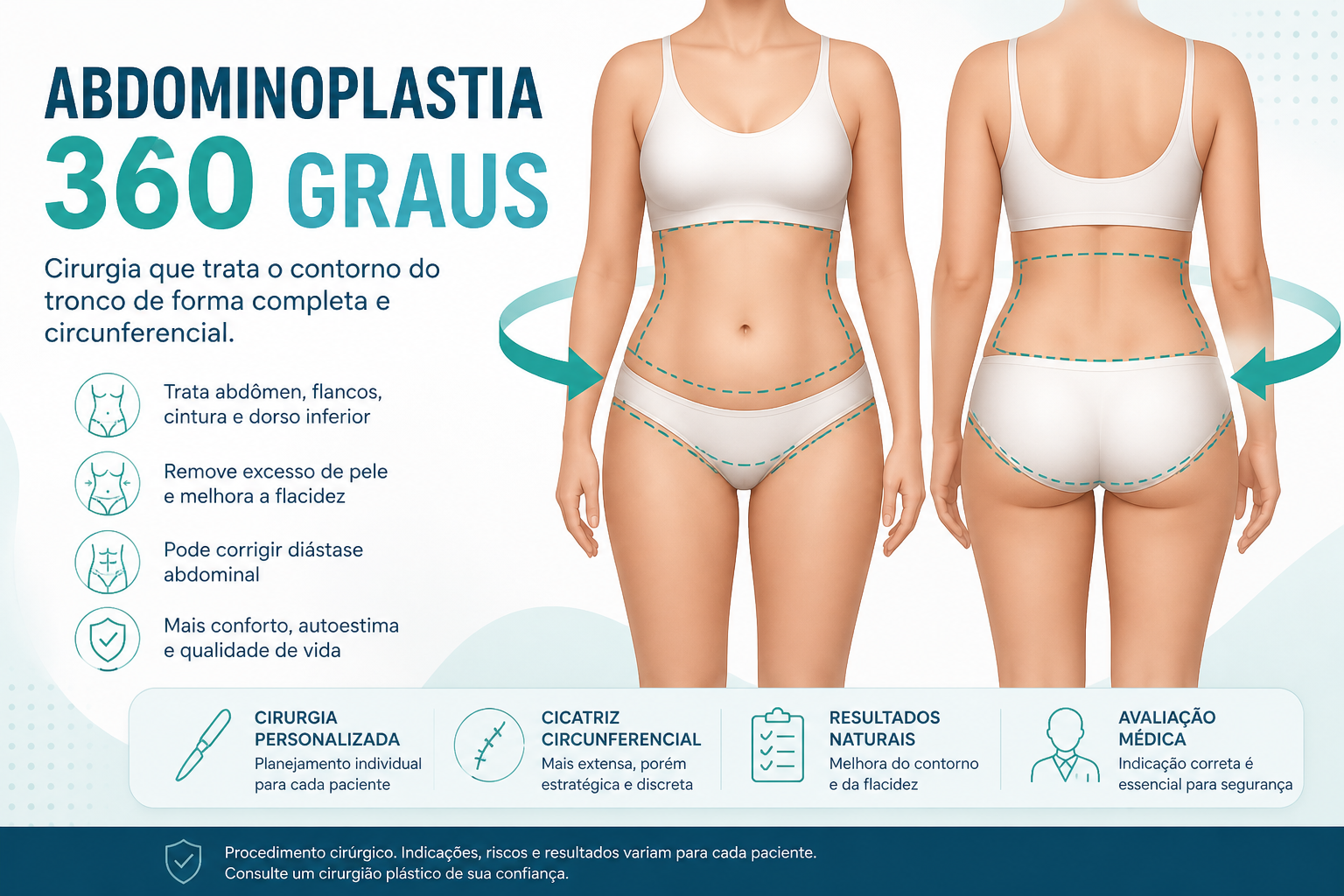
There are several abdominoplasty techniques, but the most classic involves a transversal scar in the lower abdomen, similar to a C-section scar, but more extensive. During surgery, the doctor removes excess skin, treats the musculature, and sometimes performs associated liposuction.
Postoperative care:
During postoperative care, it is common for patients to have questions about pain, sleeping position, and corset use. Dr. Amato recommends that patients walk slightly bent over, avoiding arching their back to prevent postural pain. For sleeping, the patient should keep the bed elevated to 30 degrees with bent legs or, if lying on their side, in a fetal position. The corset should be worn, but not too tight, to ensure comfort and effectiveness.
Drains, scars, and lymphatic drainage:
The use of drains during postoperative care varies according to the surgical technique and the patient. The abdominoplasty scar can vary depending on the excess skin and the technique used. To prevent poor scarring, silicone sheets, ointments, and other scar treatments can be used. Lymphatic drainage is recommended postoperatively, but the direction of drainage must be appropriate, considering the treated area.
Thrombosis prevention and additional care:
To prevent thrombosis, the doctor may indicate the use of medications, such as Enoxaparin. As a preventive measure, doctors may also prescribe antibiotics postoperatively. The patient should avoid driving for the first three weeks after surgery and only resume physical activities after this period, with the exception of light walks, which are allowed from the beginning of recovery.
Postoperative diet:
Maintaining a healthy and balanced diet is fundamental during the recovery period. Avoid excesses and consume plenty of nutritious and light foods to aid the healing process.
If you still have questions about abdominoplasty, do not hesitate to contact a trusted plastic surgeon or leave your questions in the comments below. Remember that each case is unique, and the information provided in this article is general. Only a qualified professional can provide specific and appropriate guidance for your case.
When considering an abdominoplasty, it is important to research and choose a certified and experienced plastic surgeon who can clarify all your doubts and help you make the best decision for your well-being and aesthetic satisfaction.
We hope this article has been useful and informative. Stay tuned for our publications for more tips and information on health, beauty, and well-being. Don't forget to like and share this article on your social networks so that others can also benefit from this information.
What is abdominoplasty?
Abdominoplasty is a plastic surgery performed to remove excess skin and fat from the abdomen, as well as correct diastasis of the abdominal muscles, providing a firmer and more toned contour.
Who is a good candidate for abdominoplasty?
Individuals with excess abdominal skin and fat, diastasis of the abdominal muscles, and/or abdominal hernias are potential candidates. Additionally, patients who have lost a lot of weight, such as after bariatric surgery, can also benefit from abdominoplasty.
What are the risks associated with abdominoplasty?
Some risks include infection, bleeding, poor scarring, seroma, deep vein thrombosis, and anesthetic complications. However, working with an experienced plastic surgeon can minimize these risks.
How long does recovery take after an abdominoplasty?
Recovery varies from patient to patient but generally takes 4 to 6 weeks. During this time, it is necessary to avoid intense physical activities and follow the doctor's recommendations.
Does abdominoplasty remove stretch marks?
Abdominoplasty can remove stretch marks located in the skin area removed during surgery, usually below the navel. However, stretch marks located in other areas of the abdomen will not be affected.
Is abdominoplasty a solution for weight loss?
No. Abdominoplasty is a body contouring procedure and is not a solution for significant weight loss. Patients should be close to their ideal weight before considering surgery.
Can abdominoplasty be combined with other procedures?
Yes, it is possible to combine abdominoplasty with other procedures, such as liposuction, mammaplasty, and/or mastopexy. This combination of procedures is commonly called a “mommy makeover.”
Can pregnancy after abdominoplasty affect the results?
Pregnancy after abdominoplasty can alter the surgical results, such as skin stretching and diastasis of the abdominal muscles. It is recommended that patients complete their family before undergoing the surgery.
Does abdominoplasty leave visible scars?
Yes, abdominoplasty leaves a horizontal scar in the lower abdomen, usually hidden by underwear or a bikini. The scar can vary in size and location, depending on the amount of skin removed and the technique used.
How much does an abdominoplasty cost?
The cost of abdominoplasty varies according to location, surgeon's experience, and complexity
Related articles



Agendar consulta
Precisa de orientação personalizada?
Marque uma avaliação com o Dr. Fernando Amato e tire as suas dúvidas sobre cirurgia plástica.
Falar no WhatsApp