- Diseases, Breasts
Polymastia and Polythelia
- October 2, 2023
- By Fernando Amato
Polymastia and Polythelia: Understanding Their Complexities and Symptoms
Among the many variations that the human body can present, two conditions spark curiosity and demand a detailed understanding: polymastia and polythelia.
Polymastia: The Phenomenon of Extra Breast Tissue
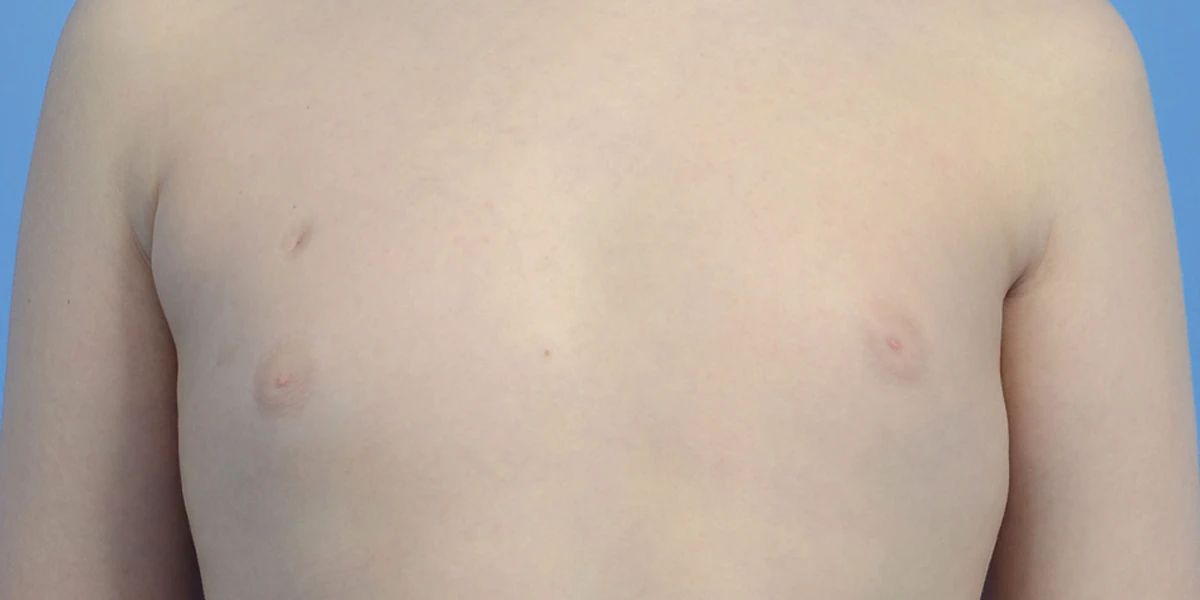
When we talk about polymastia, we are referring to the presence of two or more breasts on the human body. This condition is not limited to the presence of additional breasts but also includes accessory breast tissue that can appear in various locations, with the armpit being the most common.
This extra breast tissue has special clinical importance. Besides being aesthetically uncommon, it can be a source of discomfort. During periods like menstruation, some women report swelling and pain in the accessory breast tissue, similar to what they feel in their main breasts.
More crucially, accessory breast tissue, like normal breast tissue, has the capacity to undergo transformations. Although the risk of carcinoma (breast cancer) is relatively low in this tissue, it still exists. Even though they are rare, the risk represented by these malignant transformations cannot be ignored.
Polythelia: More Than Just Extra Nipples
Polythelia, on the other hand, refers to the presence of one or more supernumerary nipples. This condition originates during embryonic development, specifically in how the mammary ridge evolves and regresses. When this regression does not occur completely, extra nipples appear.
Therefore, these additional nipples, when associated with breast tissue, can respond to the same hormonal stimuli as typical nipples. This means they can develop, produce milk during lactation, and, in some cases, be affected by breast diseases.
Surgical Approach and Final Considerations
The presence of extra nipples or breast tissue can be more than just an aesthetic issue. Physical discomfort, aggravated menstrual symptoms, and the risk, however low, of breast cancer are serious concerns that should be addressed.
For those who opt for removal, the surgery is minimally invasive and, when performed by specialists, results in an excellent aesthetic outcome. Regardless of the treatment choice, regular follow-up is essential to ensure that no complications develop.
In summary, both polymastia and polythelia are reflections of the marvelous diversity of the human body. Understanding these conditions and their potential risks is fundamental for the health and well-being of those affected.
Related articles


Agendar consulta
Precisa de orientação personalizada?
Marque uma avaliação com o Dr. Fernando Amato e tire as suas dúvidas sobre cirurgia plástica.
Falar no WhatsApp