Drain in Plastic Surgery: An Important Tool for Recovery
When thinking about plastic surgery, the main concerns that come to mind are, naturally, the desired results, the safety of the procedure, and the details of the postoperative period. A technical, yet fundamental, aspect that is frequently a source of questions is the use of drains. This small device plays a crucial role in postoperative recovery. Let's understand more about it, its types, and its function in the surgical context.
What is a Drain and why is it used in Plastic Surgery?
A drain is a thin tube, usually placed under the skin after certain surgical procedures. Its main mission is to eliminate excess fluids that can accumulate in the operated area, such as blood, lymph, and pus. This accumulation, if not managed, can lead to complications such as swelling, pain, and even seroma formation or infections.
Different Types of Drains
Drains can vary in shape, material, and operating method:
Penrose Drains: Made of rubber, they work by gravity and are more appropriate for draining small amounts of fluid.
Tube and Bottle Drains: Commonly made of plastic or silicone, they are connected to a reservoir and work on the principle of suction.
Redon Drains: Made of flexible plastic material, with one perforated end in the wound and the other connected to a suction bottle.
Jackson-Pratt and Hemovac Drains: Function similarly to Redon drains but are connected to a reservoir that generates the necessary suction.
Blake Drains: Similar to Jackson-Pratt drains, but with longitudinal grooves, which can provide smoother drainage.
Minimizing the Use of Drains
It is relevant to note that, with the evolution of surgical techniques, there are methods that seek to minimize or even eliminate the need for drains. One such method involves the use of adhesion stitches, which are special sutures designed to close the dead space. The "dead space" refers to a space created during surgery where fluids can accumulate. By reducing this space, the risk of fluid accumulation and, consequently, the need for drains is decreased. However, the decision to use or not use a drain and what type to use will always depend on the surgeon and the specificities of the case.
Care and Removal
After surgery, the drain is secured to the skin, often with stitches. Its permanence time varies from 2 to 21 days, depending on the procedure and the amount of fluid produced. During the postoperative period, it is essential to keep the drain area clean and follow medical recommendations strictly.
Conclusion
The decision to use a drain, whatever it may be, depends on the surgical technique chosen and the surgeon's evaluation, always with the aim of providing the best recovery for the patient. Regardless of the technique, the important thing is to ensure that the patient is well-informed, safe, and comfortable throughout the entire process, from the initial consultation to complete recovery.
⠀https://youtu.be/mnGmQsLPWnwPlaylist
12 Videos
Don't be Constipated during Post-operative Period
7:57
How to shower after surgery?
5:14
What are the benefits of drinking water in the post-operative period?
5:14
Can I Wash My HAIR after surgery?
3:56
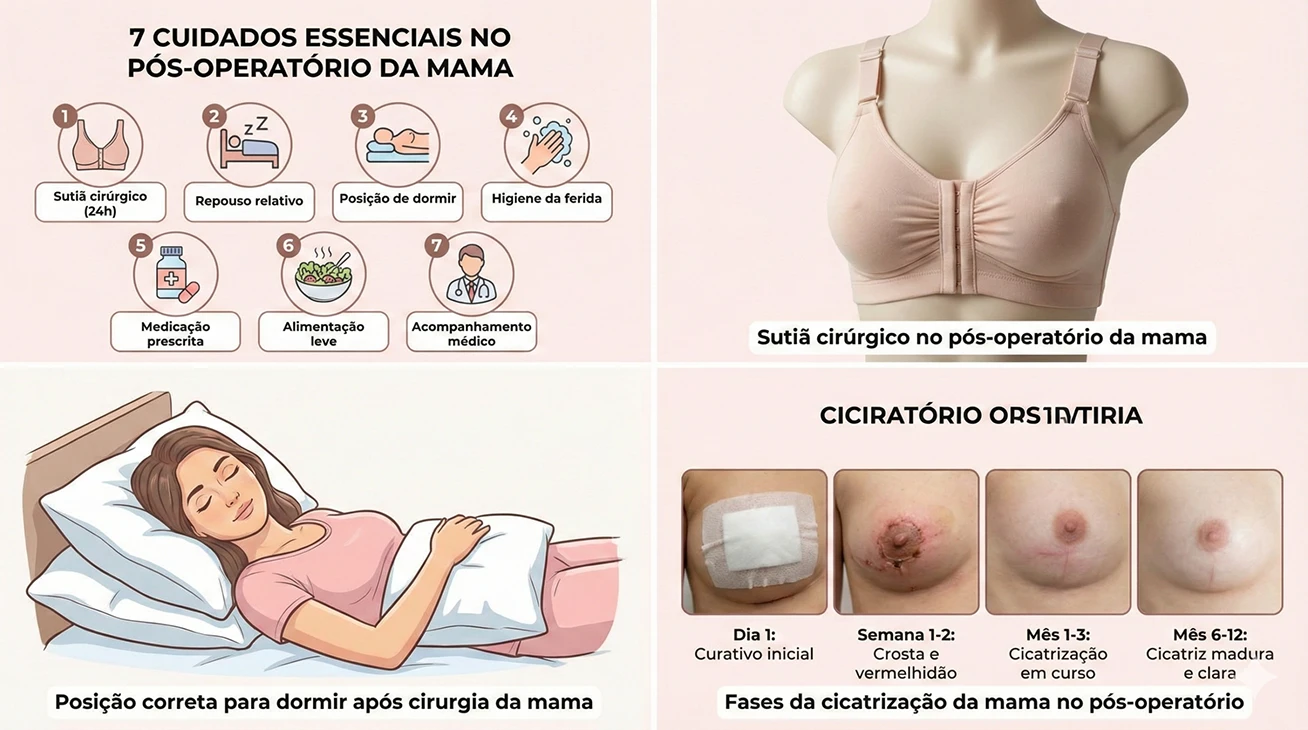
How to Sleep After Breast Surgery?
4:15
Bra use in the post-operative period
5:09
When can I DRIVE after surgery?
3:57
0:00

Frequent Questions in Pre and Post-operative Surgical Procedures
3:53
Guidelines for the use of a Vacuum Drain
0:43
Hematoma: Dr. Fernando Amato
2:26
Warm Compress and Cold Compress
5:29Agendar consulta
Precisa de orientação personalizada?
Marque uma avaliação com o Dr. Fernando Amato e tire as suas dúvidas sobre cirurgia plástica.
Falar no WhatsApp