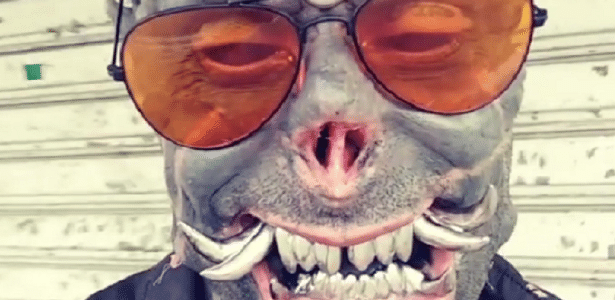
Michel Faro Praddo, known as Diabão, is famous for the body modifications he undergoes. Currently with over 60 modifications and almost 85% of his body tattooed, he intends to enter the Guinness World Records as the most modified man in the world. But is messing with the body so healthy?
“All these procedures are extremely risky. Every surgical procedure has its risk, whether it's medium or high, all have risks,” says Alexandre Kataoka, plastic surgeon and medical specialist from the Secretariat of Justice of the State of São Paulo.
Diabão himself recently had a complication and had to be taken to the hospital after the rupture of the stitches from an abdominoplasty ̵
1; during the surgery, he also opted for the removal of his navel.
Among the modifications Michel underwent are 17 silicone implants; 30 scarifications; seven transdermal implants; removal of part of his nose, ear, and removal of his nipples and ring finger; an eyeball tattoo (tattoo on the “white” of the eye); a bifurcated mouth, a silver dental implant, among others.
Michel himself stated in a recent interview with UOL that “the finger removal was done by a Mexican friend considered one of the greatest modifiers in the world.” This type of action already raises a red flag, given that the surgery was not performed by a doctor.
This is because every surgical procedure presents a risk of infection, especially if not performed in an appropriate location.
“No doctor will do this, you are not bringing benefit. Doctors take an oath to promote health. Any complication a doctor causes could even lead to losing their CRM [registration with the professional council necessary to practice],” explains Fernando Amato, plastic surgeon and titular member of the SBCP (Brazilian Society of Plastic Surgery).
Pneumonia and respiratory infections
The removal of part of the nose, for example, can bring various complications, not only in the post-operative period but also in the future. In addition to its essential function in breathing, the nose also protects the lungs, preventing respiratory infections.
“The nose has the function of breathing and humidifying the air. Its removal can bring several health problems, especially with breathing itself. Since the person will not have the nasal valve, the nose will not perform the function of humidifying the air, so you can have respiratory infections, such as sinusitis and colds, or pulmonary problems. As the air is not being filtered, this person has a higher risk of pneumonia, bronchopneumonia, and similar conditions,” explains Kataoka.
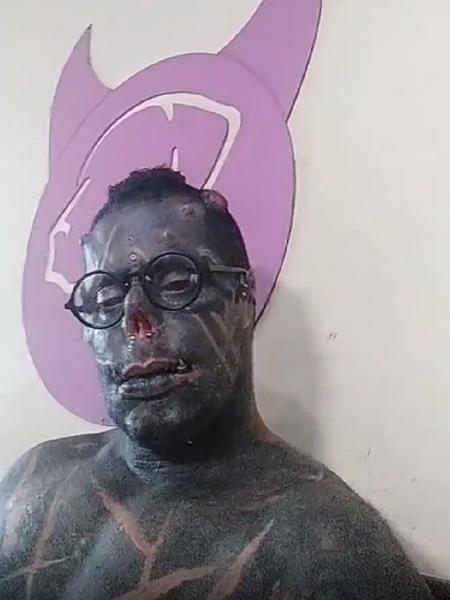
The removal of the ears, on the other hand, affects the entire auditory system, potentially leading to deafness.
“The auricle [external part of the ear] serves to direct sound and protect the ear canal [internal part of the ear]. It will expose the auditory canal more and can lead to hearing loss, both because the sound flow is not as adequate or directed, and it can increase the risk of infection due to lack of protection there,” states Fernando Amato.
“One of the risks, for example, is the development of meningitis, as it becomes an entry point for bacteria,” adds the medical specialist.
But it's not just removals that can cause problems. Cleaning and silicone implants also pose health risks, especially infections, which can even lead to organ loss.
“Poor healing is already a problem, but it’s exactly what they want when making the changes. However, this can get out of control, generate a wound that doesn't close, a larger and prolonged infection, causing cellulitis, erysipelas, or even the loss of organ function. A more serious infection in the hand can lead to its loss, for example,” explains Amato.
Mouth modifications
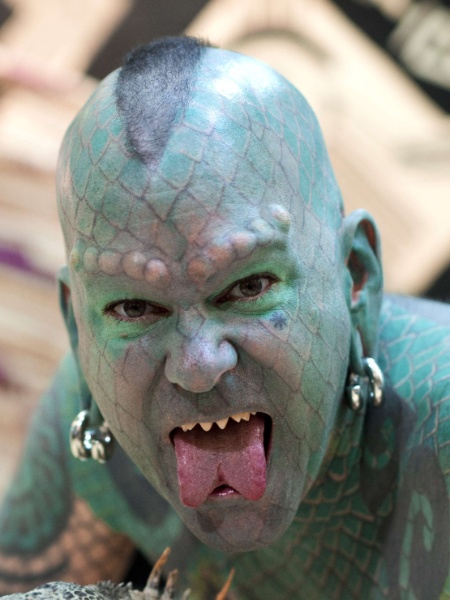
lizard man bifurcated tongue
Image: Martin Bureau / AFP
In addition to eye tattoos and removal of body parts like the nose and ears, another commonly modified area is the mouth. The Lizard Man, for example, has a bifurcated tongue, which can cause speech or respiratory disorders.
“Modification of the tongue’s anatomy can lead to changes in its function, such as speech and swallowing, which can have long-term consequences for occlusal and even respiratory changes,” highlights Sofia Takeda Uemura, dentist and president of the Ethics Committee of Crosp (Regional Council of Dentistry of São Paulo).
“It is also important to remember the risks of bleeding, infection, and nerve transection during the procedure,” she adds.
The bifurcation of the corners of the mouth, a procedure performed by Diabão, can lead to angular cheilitis, an inflammation at the corner of the mouth, due to constant moisture caused by the change in lip shape.
“Changes in the anatomy of the mouth can lead to difficulties in lip sealing, which is important for speech and swallowing; to constant exposure of the oral environment with drying of the mucous membranes and teeth,” explains Uemura.
The dental surgeon also states that changing the shape of teeth, such as adding fangs, can alter the bite and chewing movements, “which can cause inadequate wear on opposing teeth, changes in the temporomandibular joint and masticatory muscles, generating pain.”