- Body
Miniabdominoplasty and Diastasis Correction: Post-Cesarean Transformation
- February 9, 2024
- By Fernando Amato
Firstly, miniabdominoplasty is a surgical procedure aimed at improving the appearance of the lower abdomen. Frequently performed at the cesarean scar, this technique can offer an aesthetic and functional solution for women facing undesirable changes after pregnancy. So, one of these changes is rectus abdominis muscle diastasis, a condition where there is a separation of the muscles of the midline of the abdomen, compromising abdominal aesthetics and function.
What is Rectus Abdominis Muscle Diastasis?
Rectus abdominis muscle diastasis is common after pregnancy. Thus, the enlargement of the uterus presses on the abdominal muscles, which can cause their separation. Therefore, this separation can lead to an abdominal bulge, a feeling of weakness in the center of the abdomen, and, in some cases, discomfort or lower back pain.
Benefits of Miniabdominoplasty with Diastasis Correction
- Aesthetic Improvement: Reduces abdominal protrusion and redefines the waistline.
- Recovery of Abdominal Strength: Restores the function of the abdominal muscles.
- Reduction of Discomforts: Decreases lower back pain associated with diastasis.
- Renewed Self-Esteem: Contributes significantly to the recovery of body confidence.
The Procedure
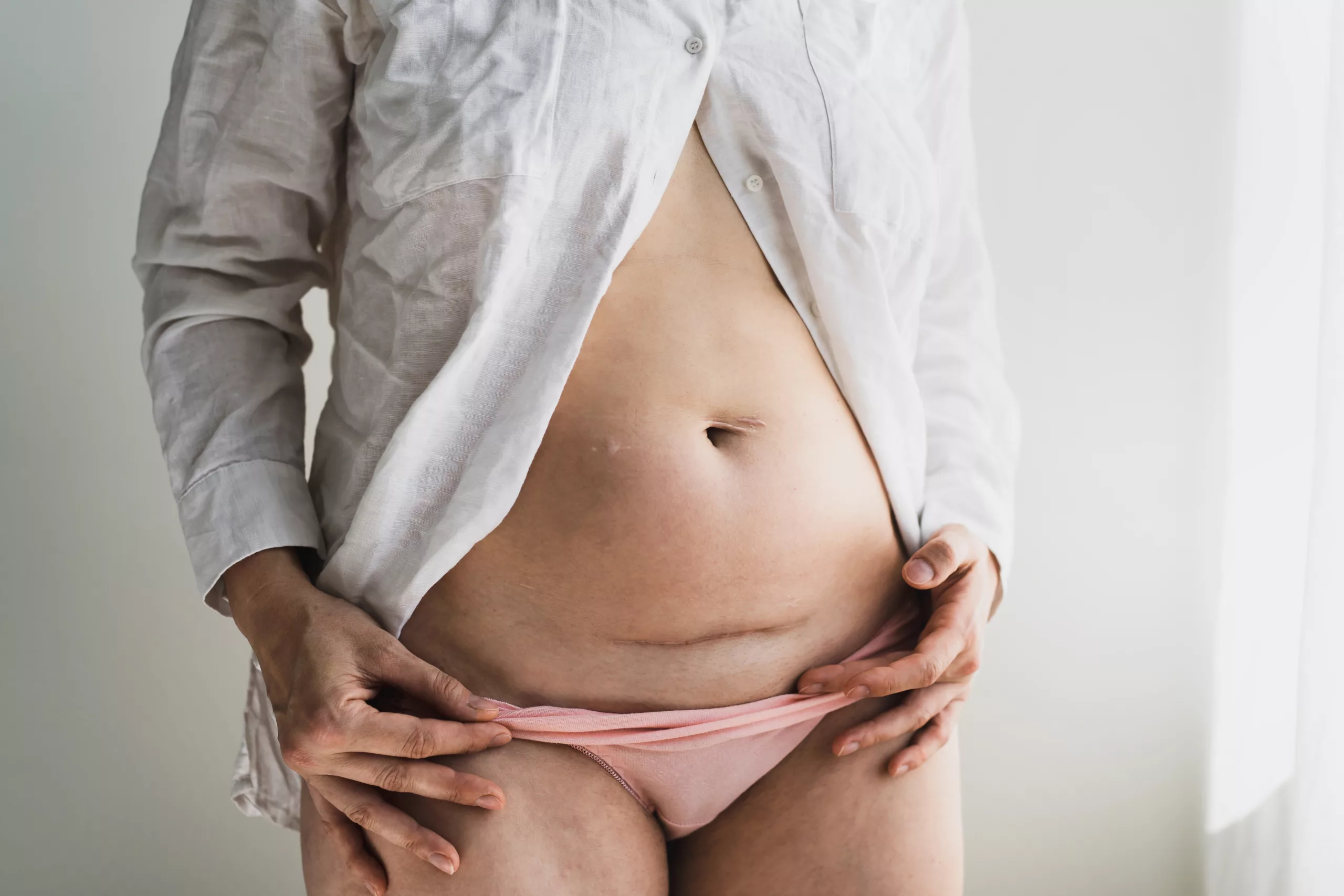
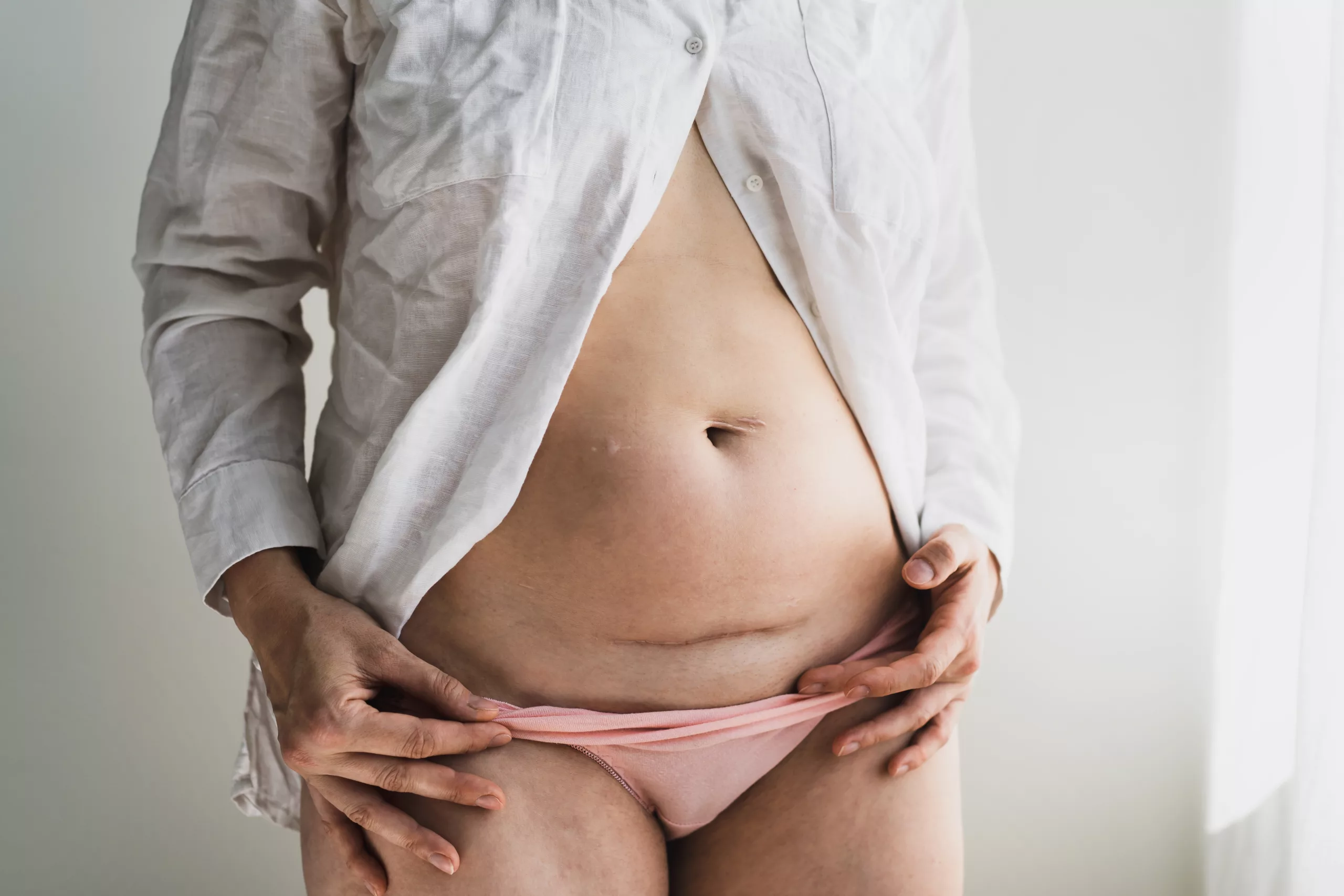
Miniabdominoplasty involves the removal of excess skin and fat below the navel, utilizing the cesarean scar to minimize additional marks. So, when combined with diastasis correction, the surgeon performs the approximation and suturing of the rectus abdominis muscles, strengthening the center of the abdomen and restoring its functionality.
Post-Operative Care
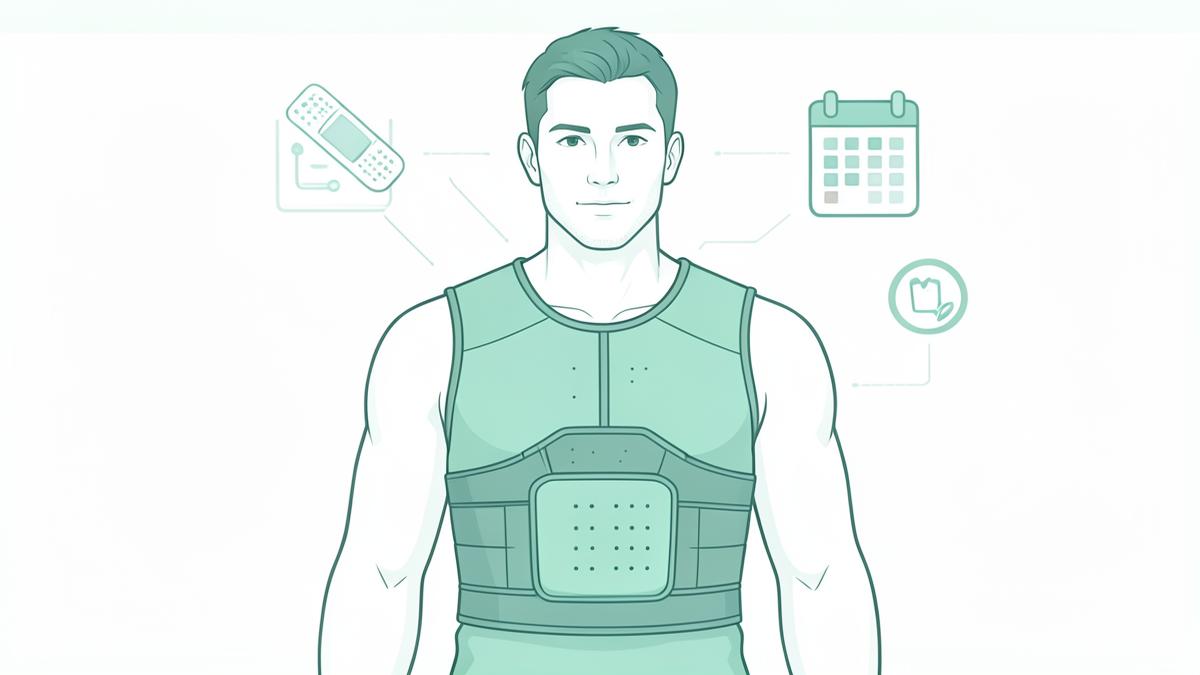
After surgery, it is essential to follow medical guidelines to ensure proper recovery. Therefore, this includes rest, wearing an abdominal binder, and avoiding intense physical exertion for a period determined by the surgeon.
Frequently Asked Questions
- Who can undergo miniabdominoplasty?
- Women who have completed their pregnancies and have excess skin and muscle separation in the lower abdominal region.
- Is miniabdominoplasty a safe surgery?
- Yes, when performed by a qualified plastic surgeon in an appropriate hospital setting, it is considered safe.
- What is the recovery time for miniabdominoplasty?
- Generally, full recovery takes 4 to 6 weeks, varying according to each individual.
- Does miniabdominoplasty leave visible scars?
- The surgery utilizes the cesarean scar, minimizing the presence of new scars.
- Is diastasis correction permanent?
- The correction is designed to be long-lasting, but maintaining results depends on a healthy lifestyle and stable body weight.
- Is it possible to get pregnant after miniabdominoplasty?
- Yes, however, it is recommended to wait to undergo the procedure until there are no plans for future pregnancies, to maintain the results.
- What is the difference between abdominoplasty and miniabdominoplasty?
- Miniabdominoplasty focuses on the lower abdomen, being less invasive, while abdominoplasty is a broader procedure.
- Does the procedure relieve lower back pain?
- By correcting diastasis, there may be a decrease in lower back pain associated with abdominal weakness.
- Can I return to work after miniabdominoplasty?
- It depends on the nature of the work, but many patients return to light activities in 2 to 3 weeks.
- What are the risks associated with miniabdominoplasty?
- Like any surgery, there are risks of infection, bleeding, and reactions to anesthesia, but these are minimized with proper care.
Highlights
- 🌟 Aesthetic and functional post-cesarean transformation.
- ✨ Effective correction of abdominal muscle diastasis.
- 🛡️ Recovery of strength and reduction of discomforts.
- 🔄 Safe procedure with clear post-operative care.
- 💪 Renewal of self-esteem and well-being.
Keywords
- #Miniabdominoplasty
- #MuscleDiastasis
- #Cesarean
- #PlasticSurgery
- #PostpartumRecovery
Related articles


Agendar consulta
Precisa de orientação personalizada?
Marque uma avaliação com o Dr. Fernando Amato e tire as suas dúvidas sobre cirurgia plástica.
Falar no WhatsApp