
- Plastic Surgery
10 Common Myths About Lipedema: Debunking Misinformation
- June 12, 2024
- By Fernando Amato
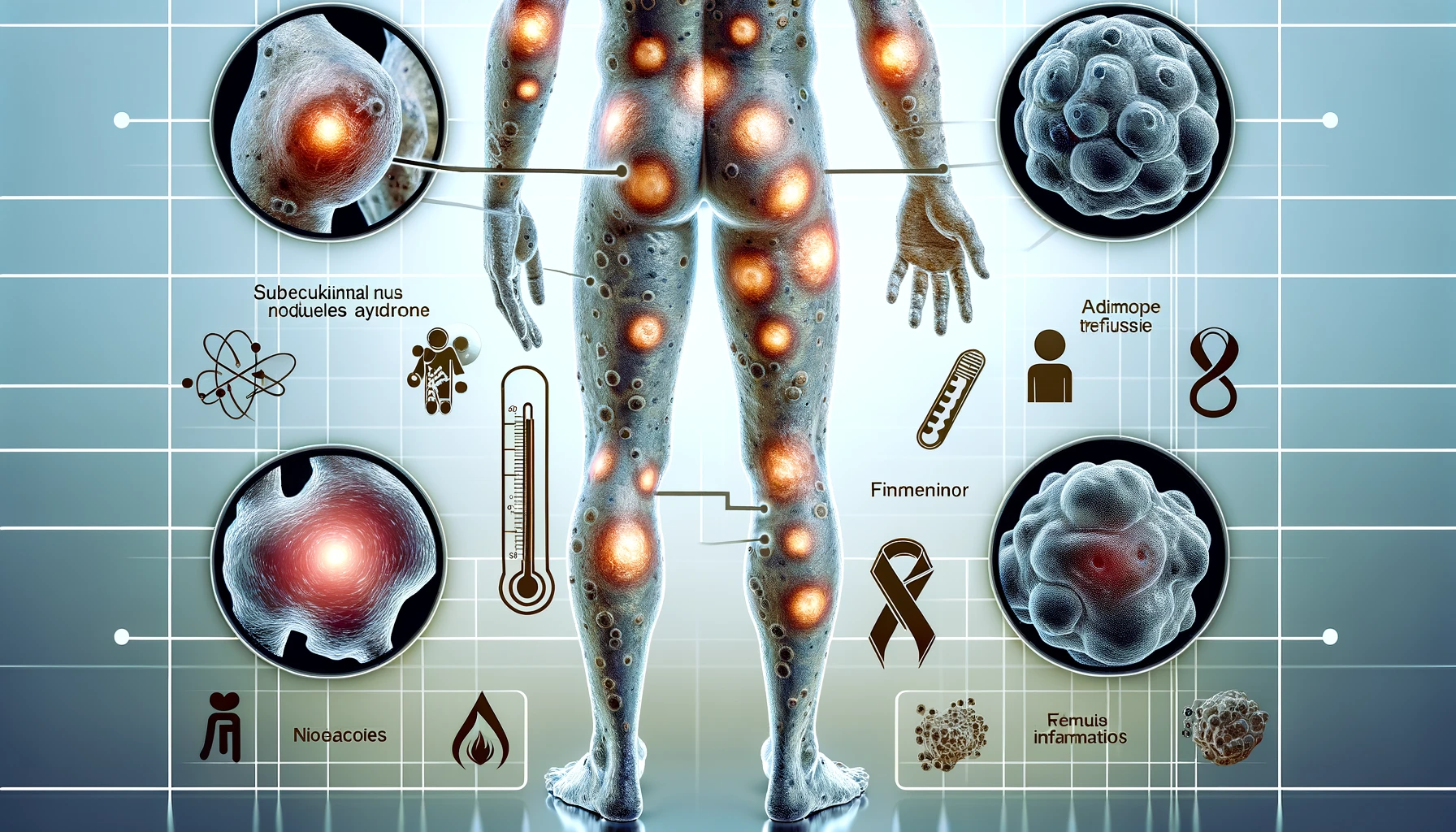
Lipedema is a chronic medical condition, often misunderstood and surrounded by misinformation that delays diagnoses and hinders treatments. Estimates indicate that it affects over 10% of women, but it is still widely confused with obesity or simple fat accumulation due to poor habits. Knowing the main myths about lipedema is the first step to seeking qualified help and improving quality of life.
Below, we demystify ten common myths about this condition and present the correct answers, based on what medicine recognizes today.
Myths about lipedema that science has already debunked
Many people still associate lipedema with personal choices, such as a sedentary lifestyle or inadequate diet. This misconception causes unnecessary suffering and prevents affected women from receiving the care they deserve. See what scientific evidence says about each of these myths.
Myth 1: Lipedema is caused by excess calories
Lipedema is a chronic medical condition that causes abnormal fat accumulation, especially in the legs and, in some cases, the arms. This process is not directly related to the amount of calories consumed or body weight.
It is a dysfunction in adipose tissue with a probable genetic and hormonal basis. Therefore, restricting diet does not eliminate the problem, although a balanced diet contributes to the patient's general well-being.
Myth 2: Intense physical exercise cures lipedema
Regular physical activity brings real benefits for health, mobility, and weight control. However, it does not cure lipedema.
Effective treatment requires a multidisciplinary approach, which typically includes compression therapy, manual lymphatic drainage, skin care, and, in certain cases, surgical intervention. Exercise serves as complementary support, not as an isolated solution.
Myth 3: Lipedema and obesity are the same thing
One of the most well-known myths about lipedema. Lipedema and obesity are distinct conditions, although they can coexist. In lipedema, fat accumulation occurs in a localized and symmetrical manner, especially in the lower limbs, and does not respond effectively to diet or physical exercise.
Obesity, on the other hand, corresponds to generalized excess body fat, with its own causes and therapeutic approaches. Confusing the two conditions leads to incorrect diagnoses and ineffective treatments.
Myth 4: Liposuction is ineffective for treating lipedema
On the contrary. When performed by an experienced and qualified surgeon, liposuction — especially the tumescent technique — can significantly reduce the characteristic fat deposits of lipedema and improve patients' quality of life.
It is not indicated for all cases, but it represents a legitimate and recognized therapeutic option within the condition's treatment protocol.
Myth 5: Lipedema only affects obese people
Lipedema can manifest in women of any body size, including those with a normal or even below-expected weight. Lipedema fat does not have a proportional relationship with body mass index.
This myth is particularly harmful because it leads healthcare professionals to dismiss the diagnosis in patients who are not obese, delaying the start of appropriate treatment.
Myth 6: Lipedema is a rare condition
Although lipedema is frequently underdiagnosed, it is not rare. Research estimates that the condition affects between 10% and 17% of women worldwide.
The lack of awareness among healthcare professionals and the stigma associated with weight are the main reasons why so many cases go unnoticed or are erroneously attributed to other factors.
Myth 7: Lipedema is just an aesthetic issue
Reducing lipedema to an aesthetic problem is one of the most serious misconceptions. The condition causes pain, tenderness to the touch, easy bruising, and progressive mobility limitations.
Over time, it can evolve into lymphatic complications, such as lipo-lymphedema, further aggravating the clinical picture. The impact on patients' physical and mental health is real and significant.
Myth 8: Only elderly women develop lipedema
Lipedema can affect women at any stage of life. Often, the condition manifests or worsens during periods of intense hormonal changes, such as puberty, pregnancy, and menopause.
Young adolescents can also be diagnosed. Therefore, age is not an exclusion criterion for diagnosis.
Myth 9: There is no treatment for lipedema
Yes, there is. Lipedema has several therapeutic options that help control symptoms and improve patients' quality of life. These include compression therapy, manual lymphatic drainage, skin care, adapted physical activity, and, in indicated cases, surgical intervention.
Although the condition has no definitive cure, correct management reduces pain, improves mobility, and slows the progression of the disease.
Myth 10: Men cannot have lipedema
Although significantly more common in women, men can also develop lipedema. Male cases are generally associated with hormonal imbalances, such as hypogonadism, or the use of medications that alter hormone levels.
The rarity of male cases does not rule out the possibility of diagnosis and reinforces the importance of an individualized clinical evaluation.
Why debunking lipedema myths is so important
Debunking myths about lipedema is essential so that affected women stop blaming themselves and start seeking specialized help. Late diagnosis is a serious problem: many patients spend years believing the problem is a lack of discipline, when, in fact, they are facing a medical condition with a physiological basis.
Early recognition of the disease allows treatment to begin before it progresses to more advanced stages. A specialist in lymphology, vascular surgery, or dermatology with experience in the topic is the most appropriate professional to conduct this evaluation.
Frequently asked questions about lipedema
What is lipedema? It is a chronic condition characterized by abnormal and localized accumulation of fat, mainly in the legs and, sometimes, in the arms, with a probable genetic and hormonal basis.
What are the symptoms of lipedema? The main symptoms include pain, tenderness to the touch, easy bruising, and progressive mobility difficulties.
Is lipedema caused by excess weight? No. The condition is not directly related to caloric intake or body weight.
Does physical exercise cure lipedema? It does not cure, but it contributes as support in symptom control, especially when combined with other therapeutic approaches.
What is the difference between lipedema and obesity? Lipedema involves localized and symmetrical fat accumulation that does not respond to diet or exercise. Obesity is a generalized excess of body fat with distinct causes and treatments.
Is liposuction effective in treating lipedema? Yes, when correctly indicated and performed by an experienced professional, liposuction can reduce fat deposits and improve the patient's quality of life.
Can only women have lipedema? Lipedema is much more common in women, but men with hormonal imbalances can also develop it.
Is there a treatment for lipedema? Yes. There are several options available, such as compression therapy, lymphatic drainage, adapted physical activity, and, in some cases, surgery.
Does lipedema only affect obese people? No. The condition can manifest in people of any body size.
Is lipedema just an aesthetic issue? No. It is a medical condition that causes real pain and functional impairment, profoundly affecting patients' quality of life.
If you recognize any of these symptoms in yourself or someone close to you, schedule a consultation with a specialist. The correct diagnosis opens the way to appropriate treatment and a life with more comfort and autonomy.
Related articles


Agendar consulta
Precisa de orientação personalizada?
Marque uma avaliação com o Dr. Fernando Amato e tire as suas dúvidas sobre cirurgia plástica.
Falar no WhatsApp