
- Plastic Surgery
Lifestyle Medicine and Plastic Surgery: what is the relationship?
- May 2, 2026
- By Fernando Amato
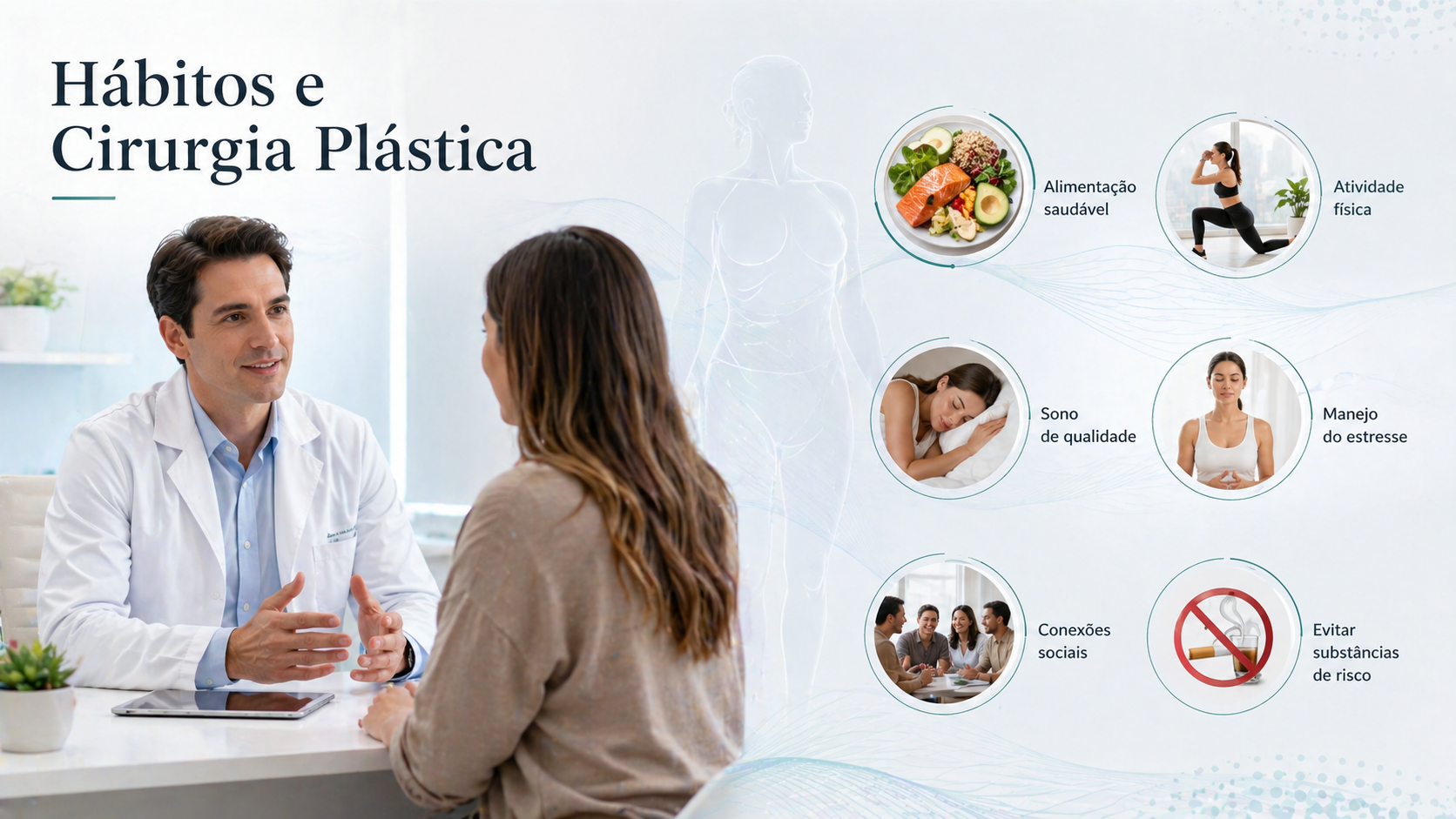
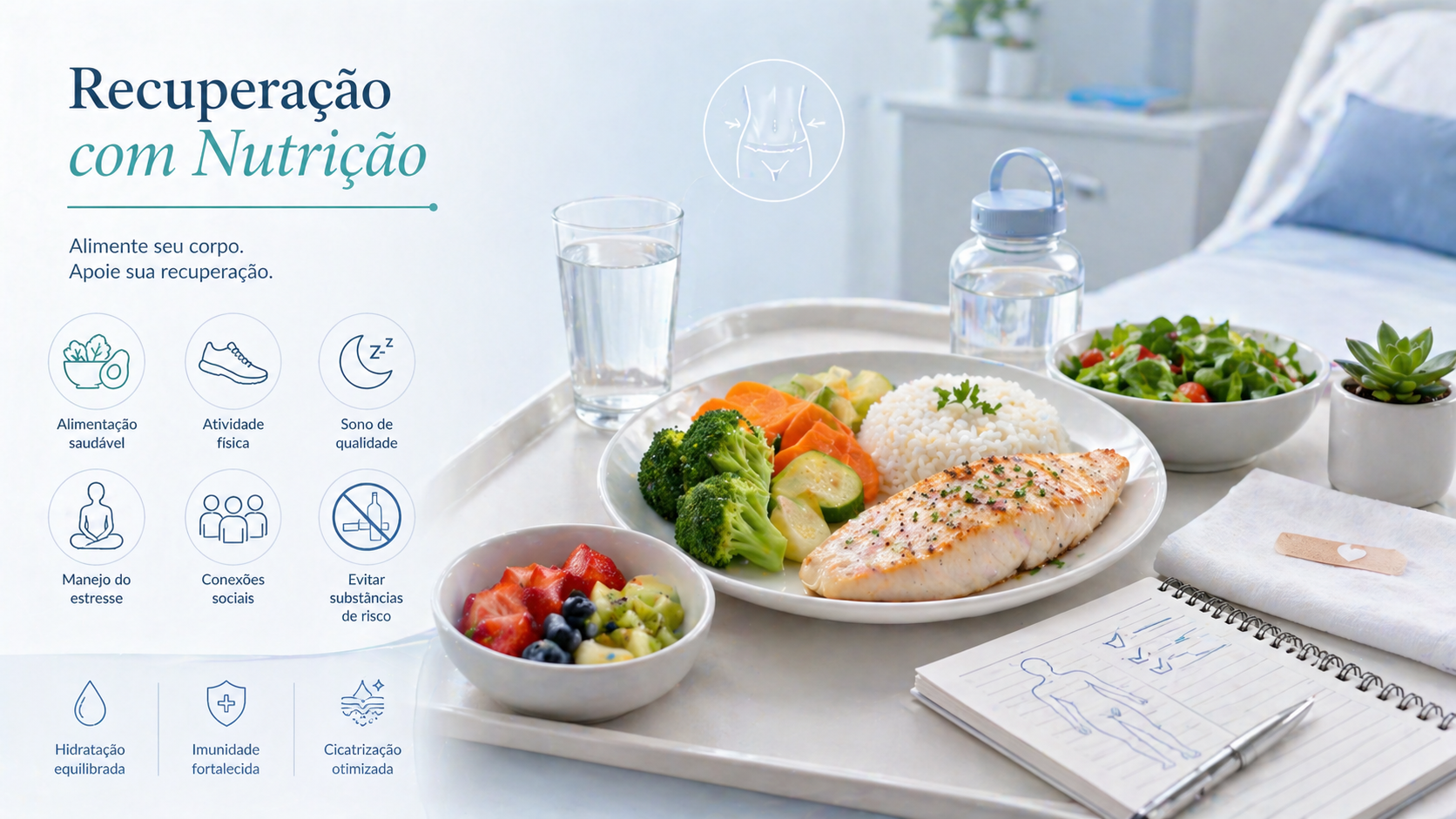
Lifestyle medicine and plastic surgery are more deeply related than many people imagine. Although plastic surgery involves technique, anatomical planning, and careful execution, the surgical outcome also depends on the biological terrain in which the body will operate, heal, and recover. Lifestyle medicine, today defined as a medical approach based on interventions regarding habits to prevent, treat, and, in some cases, reverse chronic diseases, organizes this care into six pillars: nutrition, physical activity, sleep, stress management, social connections, and reduction of risky substances.
In practice, this means that a good surgery does not depend only on the surgical act. It also depends on factors such as metabolic control, functional capacity, sleep quality, smoking cessation, adequate hydration, and adherence to post-operative care. This is why, increasingly, surgical preparation incorporates elements of “prehabilitation,” that is, measures adopted before the procedure to improve the patient’s physical and mental reserve and promote a more predictable recovery.
What is lifestyle medicine
Lifestyle medicine has gained institutional strength over the last two decades. The American College of Lifestyle Medicine was founded in 2004 and describes the area as an evidence-based specialty, centered on therapeutic interventions concerning habits and environment, with a special focus on chronic diseases. Its six pillars are interdependent and should not be seen as an isolated list of generic advice. They comprise a clinical model of care.
In plastic surgery, this logic is especially relevant because the procedure, however good it may be, does not by itself correct problems such as active smoking, significant physical inactivity, insufficient sleep, a highly inflammatory diet, or difficulty following instructions. These factors can affect healing, inflammatory response, pain control, anesthetic risk, and quality of recovery.
Why lifestyle medicine matters in plastic surgery
Plastic surgery can have aesthetic, reconstructive, or reparative objectives. In all these scenarios, the body needs to go through demanding physiological stages: controlled initial inflammation, tissue repair, collagen formation, scar remodeling, and functional readjustment.
When the patient arrives for surgery in better clinical condition, they tend to face this process with more predictability. This does not mean promising “better results” in an absolute way, because each case depends on diagnosis, technique, extent of surgery, comorbidities, and individual response. It means recognizing that baseline health matters. Surgical preparation programs already incorporate screenings and interventions aimed at factors known to influence outcomes, such as physical conditioning, glycemic control, nutrition, smoking, and preoperative education.
This reasoning directly relates to content such as tips for preparation, pre-operative exams, and anesthesia, because modern surgical preparation goes beyond “fasting on the day.”
Nutrition: more than losing weight before surgery
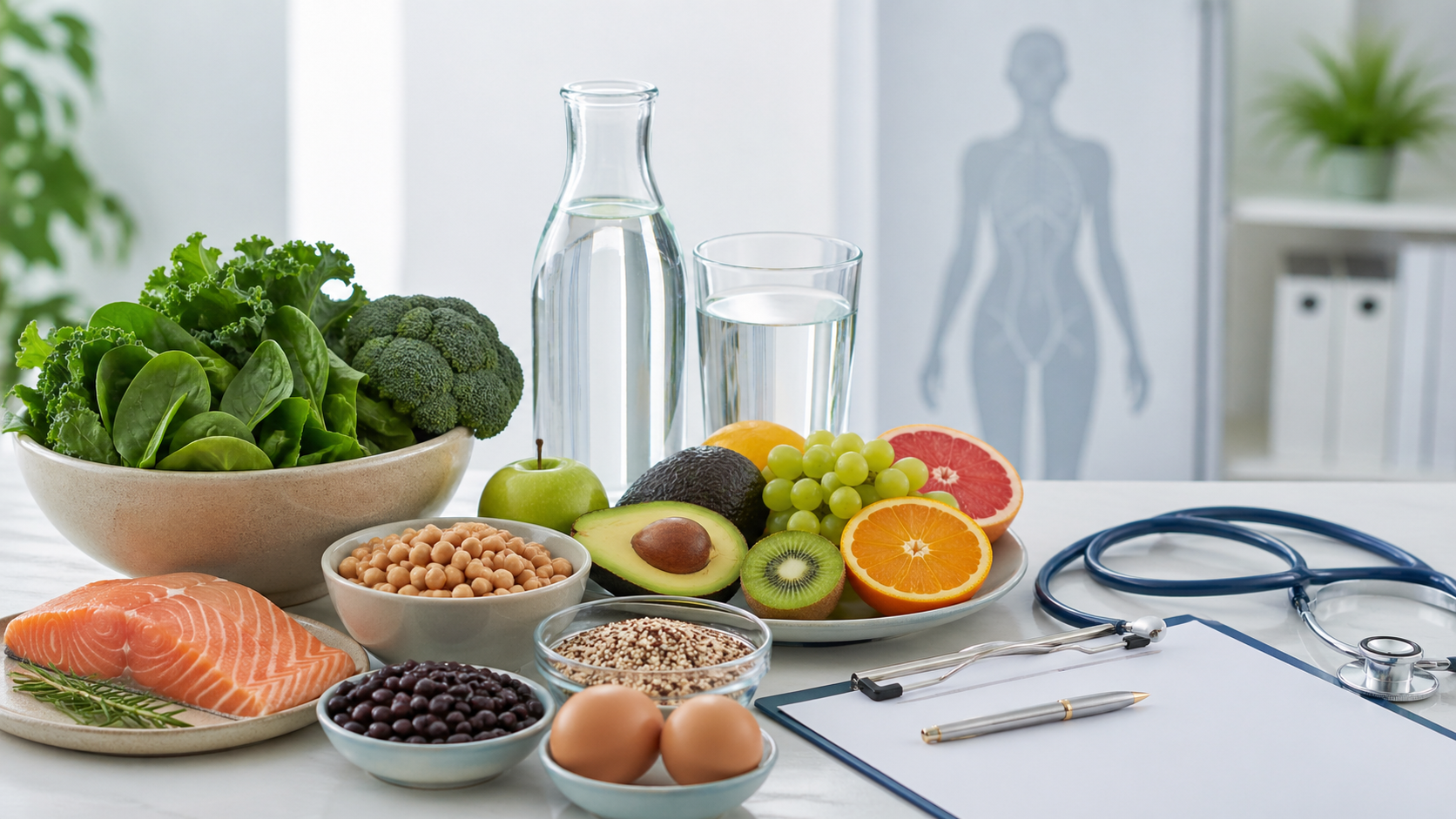
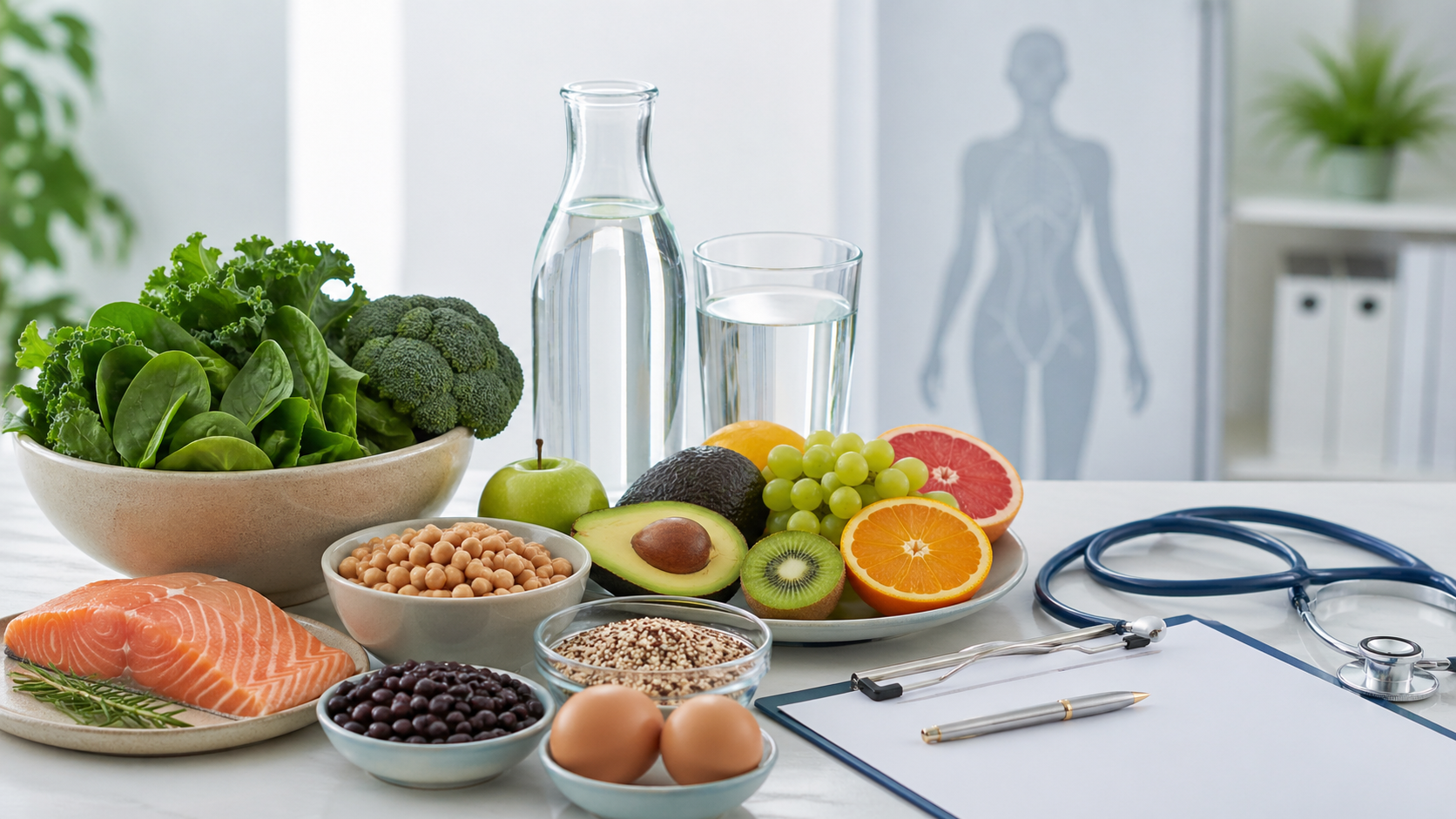
Nutrition, in lifestyle medicine, is not synonymous with restrictive dieting. The focus usually falls on an eating pattern predominantly featuring whole or minimally processed foods, a greater presence of vegetables, fruits, legumes, whole grains, and adequate protein sources, with a reduction in ultra-processed foods, sugary drinks, and excessive poor-quality fats. This is the type of pattern recommended by medical entities such as the American Cancer Society in their guidelines on diet and disease prevention.
In plastic surgery, inadequate nutrition can result in poorer healing quality, more glycemic fluctuation, lower energy for recovery, and greater difficulty maintaining an organized routine post-operatively. Conversely, balanced nutrition helps support immunity, tissue repair, and muscle mass. Instead of seeking radical solutions close to the surgery date, it is usually more useful to adjust habits gradually, with a realistic strategy and, when necessary, professional support. In some cases, the content about diet can be an initial point of guidance.
Physical activity and functional capacity
The World Health Organization recommends, for adults, at least 150 minutes per week of moderate physical activity or 75 minutes of vigorous activity, in addition to muscle strengthening exercises on two or more days a week.
In the relationship between lifestyle medicine and plastic surgery, physical activity should not be seen merely as an aesthetic tool. It improves cardiorespiratory conditioning, mobility, insulin sensitivity, strength, and autonomy. All of this can influence how the patient tolerates surgery and initial recovery.
This does not mean that everyone needs to start intense training before surgery. The idea is to individualize. In many cases, regular walking, reducing a sedentary lifestyle, and including well-guided strength training already represent a significant gain. The concept of surgical prehabilitation starts precisely from this: improving functional capacity before the procedure to better face the temporary decrease in activity that usually occurs post-operatively.
Sleep: the frequently underestimated pillar
Good sleep is not a luxury. It is part of biological preparation for any procedure. The CDC reports that adults generally need at least 7 hours of sleep per night, and chronic sleep deprivation is associated with poorer cardiometabolic health and worse daytime functioning.
For those undergoing surgery, insufficient sleep can mean more fatigue, lower stress tolerance, poorer routine organization, and increased perception of discomfort. Furthermore, poor sleep is often accompanied by other factors that also weigh on surgical risk, such as disorganized eating, physical inactivity, and increased caffeine or alcohol consumption.
Therefore, the pre-operative period is an opportunity to review schedules, reduce screen time at night, treat significant snoring if sleep apnea is suspected, and avoid the false idea that “after surgery I will organize my life.”
Stress management and realistic expectations
Chronic stress is not just a subjective discomfort. It can affect sleep, blood pressure, appetite, treatment adherence, and even how a person perceives pain and recovery. Lifestyle medicine includes strategies such as guided breathing, mindfulness, planned breaks, psychotherapy, contact with nature, and routine organization as possible tools, depending on the patient’s profile. The NCCIH, from NIH, describes mind-body practices as resources used for stress management and well-being.
In plastic surgery, this has special weight because expectations surrounding the procedure are usually high. Very anxious patients, with chaotic routines and little support, may have more difficulty navigating the post-operative period calmly. The goal is not to “eliminate nervousness,” but to reduce emotional overload and align expectations with sobriety.
Social connections also make a difference
Lifestyle medicine recognizes social connections as one of its pillars. This is not a secondary detail. A support network helps with adherence to instructions, coming and going from the procedure, organizing rest, preparing meals, correct medication use, and emotional support during recovery.
In plastic surgery, this is very concrete. A person may be clinically fit for surgery but have a more difficult post-operative period if they don't have someone to rely on in the first few days. Therefore, part of responsible evaluation includes understanding family context, work, children, travel, and availability of help.
Avoiding risky substances: a critical point
Among all pillars, smoking deserves special emphasis in surgery. The World Health Organization reports that smokers have a higher risk of post-operative complications, including pulmonary problems, infection, and delayed or impaired healing.
In plastic surgery, this has a direct impact because the quality of tissue circulation is decisive for wound closure, flap survival, tissue integration, and scar evolution. Therefore, quitting smoking before surgery is a safety recommendation, not just a lifestyle one. This topic deserves special attention in risks of smoking.
Regarding alcohol, the American Cancer Society states that the ideal is not to drink; for those who choose to consume, the suggested limit is up to one drink per day for women and up to two for men. In surgical practice, consumption should be discussed individually, because interaction with medications, liver function, sleep, and post-operative adherence also come into play.
What this changes for the plastic surgeon and the patient
The main change is one of mindset. Instead of seeing surgery as an isolated event, it is now seen as part of a care journey. For the surgeon, this means valuing pre-operative guidance, habit screening, patient education, and, when necessary, multidisciplinary work. For the patient, it means understanding that operating better also involves better preparing the body and routine.
In the material you brought, a study with surgeons was cited in which smoking was infrequent, but adequate hydration and stress management appeared as weaker points. Even without extrapolating these numbers to the entire medical class, the message is pertinent: healthcare professionals also need self-care. And this is even more true in demanding specialties, with long hours and high emotional loads, such as surgery.
Lifestyle medicine and plastic surgery are not competitors
There is a common misconception of opposing healthy habits and surgery, as if one nullified the other. This is not the case. Lifestyle medicine and plastic surgery can be complementary.
In reparative and reconstructive surgery, healthy habits help the body better withstand complex stages of treatment. In aesthetic surgery, they help qualify preparation and recovery. And in both, they reinforce an important message: the procedure does not replace overall health care.
Conclusion
The relationship between lifestyle medicine and plastic surgery is practical, current, and clinically relevant. Adequate nutrition, physical activity, sleep, stress management, social connections, and abstinence from risky substances influence how the body approaches surgery and how it recovers afterward. This does not eliminate risks or dispense with individual evaluation, but it improves the quality of preparation and makes care more complete.
In simple terms, plastic surgery can transform a part of the body, but lifestyle influences the terrain in which this transformation occurs. When these two fields walk together, the approach tends to be more responsible, safe, and consistent with the patient's overall health. For complementary institutional reading, it is worth consulting the American College of Lifestyle Medicine page and surgical preparation materials from the American College of Surgeons.
FAQ
Can lifestyle medicine replace plastic surgery?
No. In many cases, healthy habits improve general health, body composition, and recovery, but they do not replace surgical indications when there is excess skin, significant flaccidity, anatomical deformities, reconstruction, or specific structural complaints. The decision depends on individual medical evaluation.
Do I need to be “in shape” to undergo surgery?
There is no mandatory aesthetic standard for surgery. The most important thing is to be clinically evaluated and, when possible, optimize modifiable factors such as smoking, sedentary lifestyle, poor sleep, glycemic control, and inadequate nutrition before the procedure.
Does quitting smoking really change the risk of surgery?
Yes. Smoking is associated with poorer healing, more infection, and more pulmonary complications post-operatively. Therefore, stopping smoking before surgery is a safety recommendation, not just a lifestyle one.
Can poor sleep hinder post-operative recovery?
Yes, it can. Poor sleep tends to increase fatigue, irritability, difficulty concentrating, and poorer perception of discomfort. Furthermore, it can be accompanied by other conditions, such as anxiety and sleep apnea, which deserve attention in the pre-operative evaluation.
Does physical exercise before surgery need to be intense?
No. For many people, significant gains already begin with regularity, walking, less sedentary time, and some guided muscle strengthening. The goal is to improve functional capacity, not to impose strenuous training shortly before surgery.
Is lifestyle medicine only for the patient?
No. It also interests the surgeon and the team. Healthcare professionals exposed to chronic stress, sleep deprivation, dehydration, and disorganized eating can have poorer well-being and poorer sustained performance over time. Self-care is also part of safe practice.
Does someone undergoing aesthetic surgery also need to consider social connections?
Yes. A support network greatly helps in the immediate post-operative period, especially with rest, transportation, nutrition, and emotional management. In many situations, having practical help in the first few days makes a real difference in the recovery experience.
Related articles
Agendar consulta
Precisa de orientação personalizada?
Marque uma avaliação com o Dr. Fernando Amato e tire as suas dúvidas sobre cirurgia plástica.
Falar no WhatsApp