
- Diseases, Breasts
Reduction Mammoplasty
- January 11, 2024
- By Fernando Amato
In the world of plastic surgery, reduction mammoplasty has emerged as a light at the end of the tunnel for many women who struggle with the discomfort and limitations imposed by excessively large breasts. This surgical procedure goes beyond aesthetics, bringing significant benefits to the patient's health and well-being, by alleviating problems such as back pain and difficulties in performing physical activities.
What is Reduction Mammoplasty?
Firstly, reduction mammoplasty is a surgery aimed at reducing breast volume by removing excess fat, glandular tissue, and skin, thus resulting in breasts proportionate to the body and relief from physical discomfort. Therefore, this procedure is highly personalized, where the plastic surgeon considers body proportions, patient expectations, and health imperatives to determine the amount of tissue to be removed.
Aesthetic and Functional Benefits
In addition to providing a more harmonious body contour, reduction mammoplasty helps improve posture and can alleviate chronic back, neck, and shoulder pain. Furthermore, the intervention can also reduce skin problems below the inframammary fold and improve the patient's self-esteem.
When to Opt for Reduction Mammoplasty?
Therefore, a woman should consider reduction mammoplasty when the size of her breasts interferes with her quality of life, causing physical discomfort, difficulties in finding appropriate clothing, or limitations in daily and sports activities.
Pre-operative Phase
Preparation for reduction mammoplasty includes detailed examinations and a rigorous evaluation by the plastic surgeon. Moreover, during the consultation, it is essential to openly discuss expectations, concerns, and understand all steps of the procedure, ensuring clarity and safety for the patient.
Surgical Procedure
Performed under anesthesia, the surgery can follow different incision techniques, with the goal of removing excess tissue and repositioning the nipple. The surgeon will define the technique according to breast volume and the specific needs of each patient.
Recovery and Post-operative Care
After surgery, several weeks of rest and limitations on physical activities are necessary. Thus, the use of a surgical bra and the correct administration of post-operative care are crucial for a successful and comfortable outcome.
Results and Scars
Although the results are visible almost immediately, the final outcome and scar maturation can take 12 to 18 months. With current techniques, the surgeon strategically positions the scars, and they tend to become discreet over time, although they are a common concern.
Reduction Mammoplasty vs. Mastopexy
It is important to differentiate reduction mammoplasty, which reduces breast volume, from mastopexy, which aims to lift sagging breasts. The surgeon can perform both surgeries to improve the shape and position of the breasts, addressing distinct needs.
Conclusion
For women considering this surgery, it is essential to seek a qualified plastic surgeon who can provide a detailed surgical plan, ensuring safety and achieving the desired results.
For more information or to schedule a consultation and discuss your reduction mammoplasty options, contact a specialized clinic and start your journey towards greater comfort and a better quality of life.
Frequently Asked Questions About Reduction Mammoplasty
1. What is reduction mammoplasty?
Reduction mammoplasty is a surgical procedure designed to reduce breast size by removing excess fat, glandular tissue, and skin. It is indicated to improve quality of life and resolve problems such as back pain and physical discomfort caused by very large breasts.
2. Who are the ideal candidates for reduction mammoplasty?
Women who experience physical or emotional discomfort due to excessively large breasts, are in good general health, and have realistic expectations regarding the surgical outcome are considered ideal for this procedure.
3. What is the recovery process like after reduction mammoplasty?
The recovery period can vary, but generally includes rest and limitation of intense activities for several weeks. The plastic surgeon provides detailed guidance, which must be followed to ensure proper healing and the best possible result.
4. Does reduction mammoplasty interfere with the ability to breastfeed?
There may be an impact on the ability to breastfeed, especially if glandular tissue is removed. Discuss your concerns and future pregnancy plans with the surgeon before surgery.
5. What are the risks associated with reduction mammoplasty?
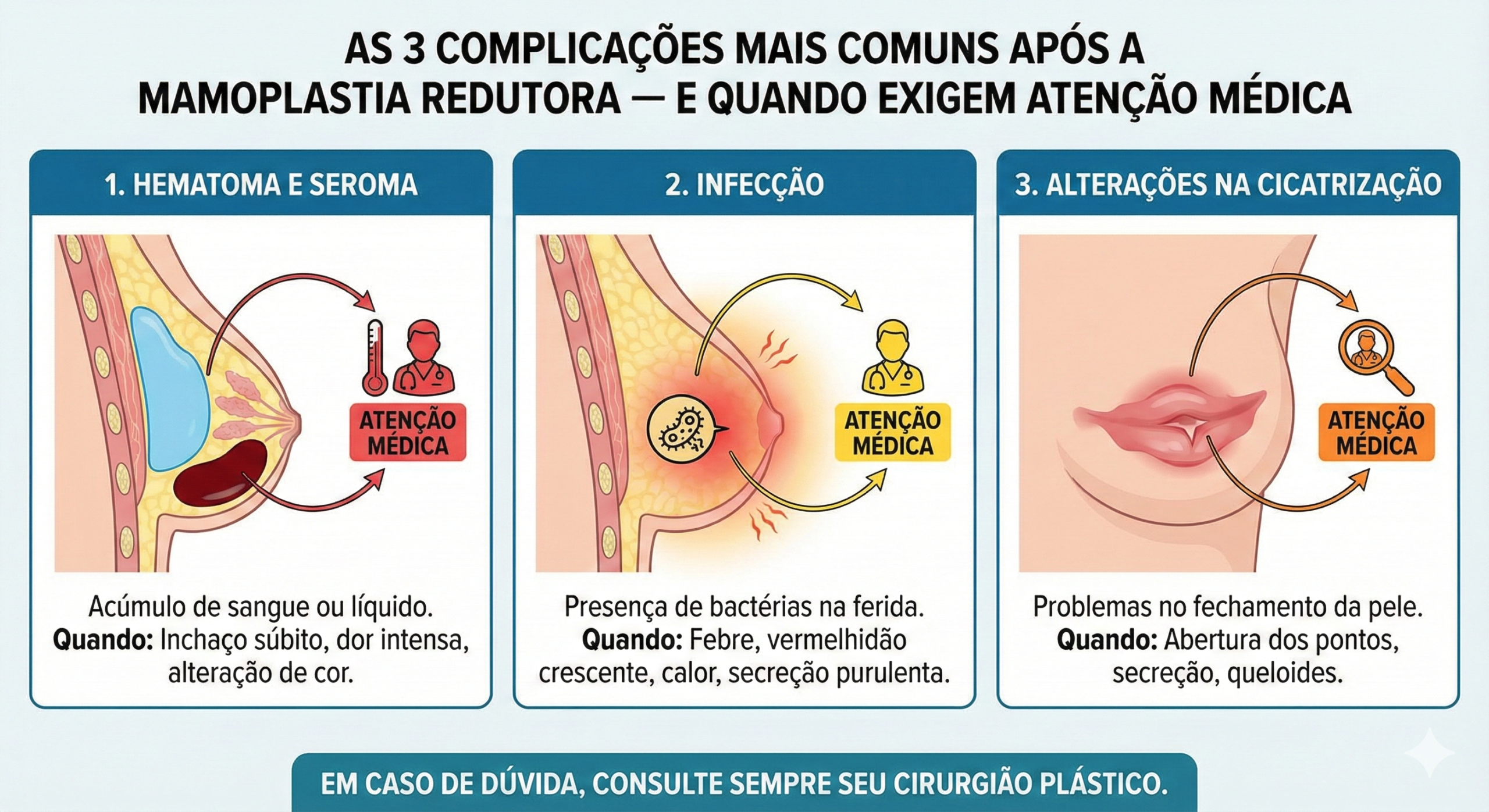
Like any surgery, reduction mammoplasty carries risks of infection, bleeding, and adverse reactions to anesthesia. Specific risks include loss of sensation in the nipples or breasts and difficulties with breastfeeding.
6. How long does a reduction mammoplasty surgery take?
The duration of the surgery varies depending on the case, but generally takes 2 to 4 hours. Thus, the time may increase if the surgery is combined with other procedures.
7. Are scars visible after reduction mammoplasty?
There will be scars, as they are inevitable with any surgical procedure. However, reduction mammoplasty techniques aim to minimize the appearance of scars, and they tend to fade significantly over time.
8. How to choose the appropriate size after reduction?
The choice of size after reduction depends on the patient's wishes, the professional advice of the plastic surgeon, and proportionality in relation to the patient's body structure.
9. Is there a minimum age to undergo reduction mammoplasty?
Although there is no legal minimum age, it is recommended to wait until the breasts have fully developed, which usually occurs around 18 years of age. However, special considerations may be made in circumstances where there is significant discomfort and health problems.
10. What is the difference between reduction mammoplasty and mastopexy?
While reduction mammoplasty removes tissue to reduce breast size, mastopexy is a lifting surgery that elevates and reshapes sagging breasts, often without removing a significant amount of breast tissue.

Related articles

Nutrition before and after plastic surgery

Healthy eating in post-operative plastic surgery

Agendar consulta
Precisa de orientação personalizada?
Marque uma avaliação com o Dr. Fernando Amato e tire as suas dúvidas sobre cirurgia plástica.
Falar no WhatsApp