
- Plastic surgery
Secretory alteration and pseudoangiomatous hyperplasia: benign findings in the breasts
- April 30, 2025
- By Fernando Amato
Secretory alteration and pseudoangiomatous stromal hyperplasia: what do these findings mean?
Secretory alteration and pseudoangiomatous stromal hyperplasia. This expression can cause concern when it appears in a breast biopsy report, but it is important to understand that, in most cases, these are benign findings and do not indicate breast cancer.
👩⚕️ Understand now what these terms mean, why they appear in exams, and when follow-up with a specialist is necessary.
🌟 5 Highlights of the article:
- ✅ Secretory alteration is a common benign finding related to hormonal influence
- ✅ Pseudoangiomatous stromal hyperplasia (PASH) is also benign, but can mimic more serious lesions on imaging exams
- ✅ Both findings usually appear in young women or those with hormonal fluctuations
- ✅ Diagnosis is confirmed by biopsy, and does not always require surgery
- ✅ Therefore, evaluation with a plastic surgeon specializing in breast or a mastologist is fundamental for appropriate follow-up
📌 What is secretory alteration?
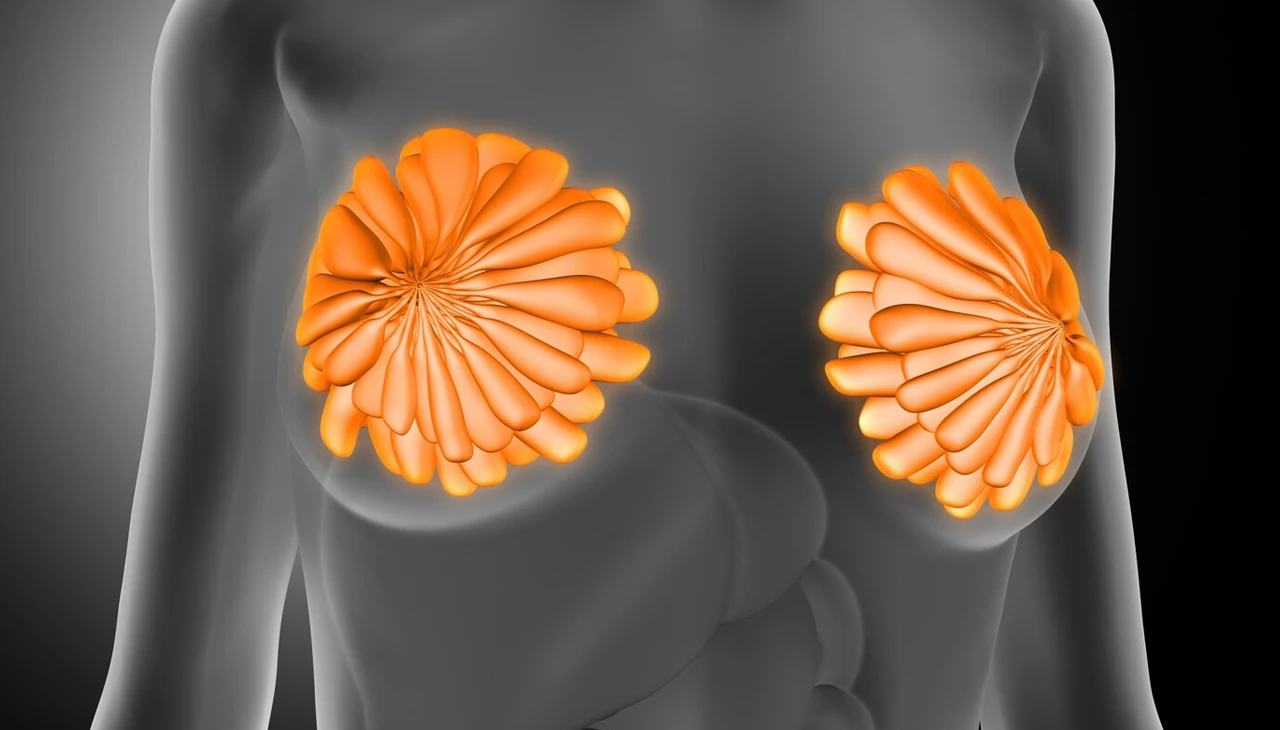
Secretory alteration occurs when the cells of the mammary ducts begin to show a different appearance, as if they were producing or storing secretion. This, however, is common in women of childbearing age and reflects a physiological response to hormones such as estrogen and progesterone.
Main characteristics:
- Generally benign
- Associated with the menstrual cycle, contraceptive use, or pregnancy
- Not considered a premalignant lesion
- Usually an incidental finding in breast biopsies
🧪 Important: Secretory alteration does not require specific treatment, only clinical follow-up when indicated.
🧬 And what is pseudoangiomatous stromal hyperplasia?
Pseudoangiomatous Stromal Hyperplasia (PASH), however, is a benign growth of the mammary stroma — the supportive tissue of the breast, composed of fibers and cells.
The term “pseudoangiomatous” refers to the microscopic appearance of the lesion, which resembles vascular channels (blood vessels), but which are not true vessels.
Clinical characteristics of PASH:
- Can be asymptomatic
- Sometimes forms palpable nodules
- Detected on mammograms or ultrasounds
- Confirmed by biopsy
- More common in premenopausal women
🔍 These nodules can therefore be confused with more serious tumors, such as angiosarcoma, hence the importance of correct diagnosis by histopathological examination.
🩻 How is the diagnosis made?
The diagnosis of both conditions generally occurs through:
1. Imaging exams, such as mammography or ultrasound
2. Breast biopsy, which can be:
- Aspiration (fine needle)
- Core biopsy (core needle)
- Surgical, in some cases
🔬 The anatomopathological report is therefore essential to differentiate these alterations from more concerning ones.
🧑⚕️ Do I need to worry? Is it cancer?
No. Both secretory alteration and PASH are benign lesions, without direct malignant potential.
However, medical follow-up is important because:
- PASH can increase in size
- There may be doubts in imaging diagnosis
- In rare cases, it can cause discomfort or aesthetic distortion
🏥 What is the treatment?
In most cases, however, no specific treatment is necessary, only clinical observation. However, there are situations in which the doctor may indicate:
- Surgical excision, especially if:
- There is growth of the nodule
- It causes pain or aesthetic discomfort
- There are diagnostic doubts
Surgery is performed safely, often in a day hospital setting. Learn more about the indicated hospital.
👩⚕️ Which doctor to consult?
Therefore, the ideal is to consult a mastologist or a plastic surgeon with experience in breast surgery to discuss the case. Specialized follow-up, however, ensures the correct interpretation of the report and the decision on the need or not for surgical treatment.
👉 Schedule your consultation with Dr. Fernando Amato, a plastic surgeon specializing in breasts, to clarify all your doubts safely and personally.
🧠 Relationship with hormones and risk factors
Both conditions have a strong hormonal relationship, which is why they are more common in:
- Women of childbearing age
- Pregnant or lactating women
- Use of hormone therapy or contraceptives
- Patients with hormonal disorders
Additionally, smoking can affect breast health. See the risks of smoking for your surgery and breast health.
🛑 When to worry?
Seek medical evaluation if you notice:
- Increase in volume or a palpable nodule
- Persistent pain
- Abnormal discharge from the nipple
- Family history of breast cancer
📍 Prevention and follow-up are the best ways to ensure breast health.
✅ Conclusion
Although the terms “secretory alteration” and “pseudoangiomatous stromal hyperplasia” can be alarming, they are benign findings, frequent, and generally do not require intervention.
The recommendation is to maintain medical follow-up, perform the indicated exams, and discuss the next steps with your specialist.
💬 If you have received a report with these terms, schedule a consultation with Dr. Fernando Amato to clarify all your doubts safely and personalized.
Questions and Answers:
1. Is secretory alteration cancer?
No, it is a common benign alteration, linked to hormones.
2. What causes pseudoangiomatous stromal hyperplasia?
It is believed to be related to hormonal stimuli, especially progesterone.
3. Do I need surgery for PASH?
Only if there is growth, symptoms, or diagnostic doubts.
4. How to differentiate PASH from cancer?
Only with biopsy and histological analysis.
5. Can men have these alterations?
Rarely, but yes, especially if there are hormonal disorders.
6. Can PASH recur after surgery?
Yes, local recurrence may occur.
7. How to monitor these lesions?
With periodic imaging exams and medical consultation.
8. Is there prevention?
Not specifically, but maintaining hormonal balance and healthy habits helps.
9. Do these alterations cause pain?
Generally, no, but some patients report discomfort.
10. Is it necessary to avoid breast implants if I have PASH?
Not necessarily. Evaluation should be individualized. See more about breast implants.
Related articles


Agendar consulta
Precisa de orientação personalizada?
Marque uma avaliação com o Dr. Fernando Amato e tire as suas dúvidas sobre cirurgia plástica.
Falar no WhatsApp