
- Plastic Surgery
Scar and sun exposure: how to prevent hyperpigmentation during recovery
- November 12, 2024
- By Fernando Amato
Sun exposure on skin that is still healing can lead to an aesthetic and health problem known as hyperpigmentation. Therefore, this term refers to the excessive darkening of the scar, a phenomenon caused by the increased production of melanin in injured areas. For this reason, understanding the risks of sun exposure for scars and how to avoid hyperpigmentation is essential for a healthy and satisfactory recovery after surgeries or injuries.
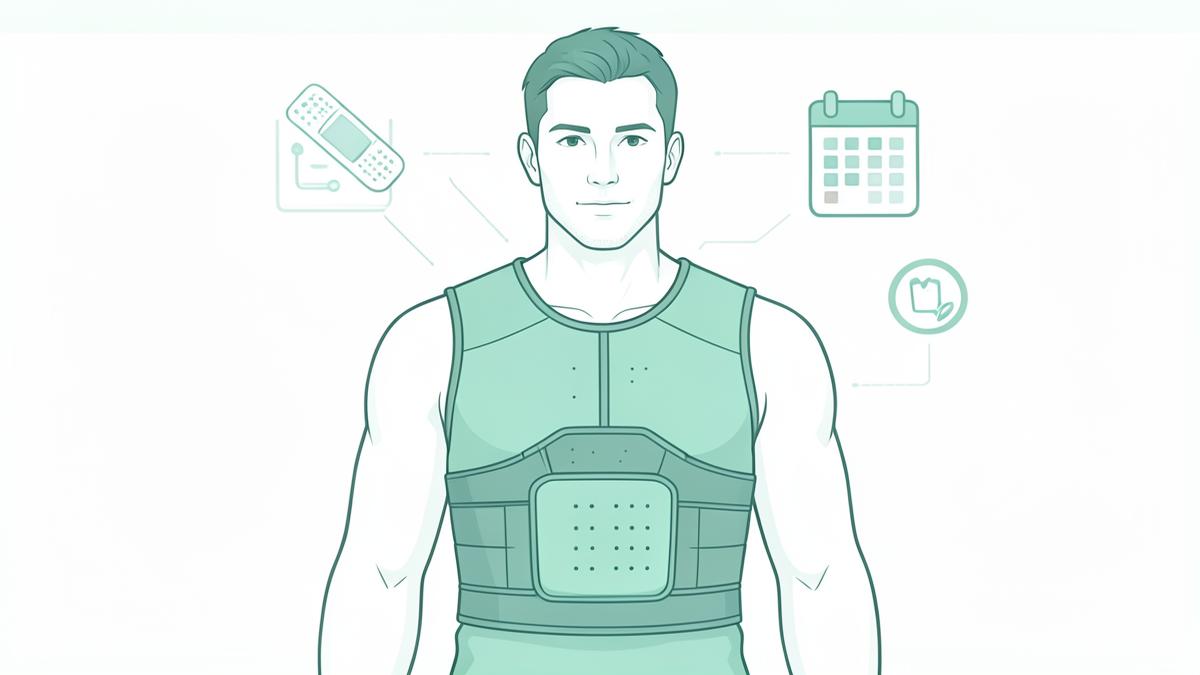
🧴 Use of sunscreen is essential to prevent hyperpigmentation in scars.
☀️ Direct sun exposure increases the risk of skin darkening.
🌱 Physical protection, such as clothing and bandages, helps prevent sun damage.
⏳ The critical period for scars and sun exposure is in the first six months.
❗ Consult a specialist for personalized care guidelines.
What is hyperpigmentation and how does it affect scars?
Post-inflammatory hyperpigmentation occurs when the skin, after suffering trauma (such as surgery or injury), increases melanin production in response to inflammation. Melanin then gives color to the skin, and when the body produces it in excess, the scar region can acquire a darker and more visible coloration, harming the aesthetic aspect of healing. This process is more common in people with higher skin phototypes (darker skin tones), but it can occur in anyone who has an unprotected scar exposed to the sun. Therefore, sun protection is essential to prevent the worsening of this condition.
The Sun's Influence on Skin Healing 🌞
Ultraviolet (UV) radiation from the sun stimulates melanin production, which intensifies the coloration of already pigmented areas, such as scars. However, during recovery, the skin becomes more vulnerable, and sun exposure can cause permanent spots or temporary darkening that can take months to reverse. Thus, this exposure directly affects the layers of the skin, including the deeper ones, prolonging the healing process and increasing the risk of keloids, hypertrophic scars, and hyperpigmentation. Therefore, prevention and adequate care are the best allies to ensure a recovery without undesirable alterations.
How to Prevent Hyperpigmentation in Scars
1. Use of Adequate Sunscreen 🧴
Applying sunscreen is one of the main measures to prevent hyperpigmentation. However, the ideal is to choose products with SPF 50 or higher that have broad protection against UVA and UVB rays. To ensure the product's effectiveness, apply it 30 minutes before exposure and reapply every two hours, especially in case of perspiration.
2. Physical Protection and Use of Clothing 🧥
Another important strategy is physical protection of the scar. In the first months of recovery, in addition to using sunscreen, covering the area with clothes or bandages is essential, as it completely blocks the incidence of UV radiation on the skin. It is recommended to use light-colored and light fabrics on hot days to avoid an increase in body temperature.
3. Avoid Direct Sun Exposure ⏰
For recent scars, it is ideal to avoid direct sun exposure as much as possible, especially between 10 AM and 4 PM, when solar radiation is most intense. However, even when using sunscreen and protective clothing, prefer to seek shaded areas and avoid outdoor activities during these hours.
4. Use of Healing Creams and Ointments 🌿
Healing ointments can assist in recovery and promote more uniform healing. Products containing ingredients such as hyaluronic acid, vitamin E, and silicone help keep the skin hydrated and control the inflammatory response, reducing the risk of hyperpigmentation. However, their use should be guided by a professional.
Scars and Sun: How Much Protection Time is Needed?
The most critical period for a scar is in the first 6 months after injury or surgery. Therefore, it is during this period that the skin undergoes an intense process of reorganization and regeneration of collagen and elastin fibers, which makes it more sensitive to external factors. So, in some cases, it is advisable to maintain care with sun exposure for up to 12 months, especially if there is a predisposition to dark scars.
Possible Treatments for Hyperpigmentation in Scars
If hyperpigmentation has already set in, it is possible to seek some treatments to reduce the darkening of the scar:
- Intense Pulsed Light (IPL) Laser: helps lighten the skin and is effective for dark spots.
- Lightening Creams: with active ingredients such as hydroquinone, kojic acid, or vitamin C, which aid in the gradual lightening of the skin.
- Chemical Peels: promote skin renewal and can lighten hyperpigmentation.
These treatments should always be performed under medical supervision, as if applied incorrectly, they can worsen hyperpigmentation or cause additional irritation.
When to Consult a Specialist?
Any scar that shows a change in color, thickness, or appearance should be evaluated by a professional. Consulting a plastic surgeon or dermatologist allows the treatment to be adjusted to your individual needs, ensuring a safe recovery and more satisfactory aesthetic results.
Questions and Answers:
1. Why does the sun darken scars? UV radiation stimulates melanin production, increasing pigmentation and resulting in hyperpigmentation.
2. Is it possible to completely prevent hyperpigmentation? With adequate care, such as sun protection and the use of physical protectors, the risk of hyperpigmentation can be significantly reduced.
3. How long should I avoid the sun after surgery? Ideally, protect the scar for at least 6 months, which can extend up to 12 months.
4. Can I use makeup to cover the scar? After the scar has completely closed, makeup can be used, but it should be removed with gentle products.
5. What products help with healing? Ointments with hyaluronic acid and silicone are effective in improving the appearance of the scar.
6. Can dark scars lighten on their own? Some hyperpigmentation may lighten over time, but this varies depending on skin type and sun exposure.
7. Can I use any sunscreen? The ideal is to use sunscreen with SPF 50+ and broad protection against UVA and UVB.
8. Does laser help lighten dark scars? Yes, lasers such as IPL are effective in lightening dark spots.
9. Can hyperpigmentation occur in any skin type? Yes, but it is more common in people with darker skin tones.
10. Can the sun cause hypertrophic scars? Inadequate sun exposure can worsen healing and increase the risk of voluminous scars.
Keywords: #scar #hyperpigmentation #sunprotection #skincare #plasticsurgery
SUGGESTIONS FOR SILICONE SHEETS AND TAPES
- Kelo Gel Silicone Sheet 35×3: https://mercadolivre.com/sec/2C73fN8
- Siliforna Silicone Sheet 35×3 https://mercadolivre.com/sec/1NSjLVc
- Areolar Adhesive Gel Sheet 7.6×7.6cm 2un Kelogel: https://mercadolivre.com/sec/2F1DZ5g
- Silicone Sheet For Scars and Keloids Lifesil: https://mercadolivre.com/sec/2M8VM6Z
- Inverted T Silicone Gel Sheet 23cmx13cm 2un Kelogel: https://mercadolivre.com/sec/17QfHPT
- Silimed Medgel Silicone Tape 2 Units For Scars 30x2cm: https://mercadolivre.com/sec/1bx6vTq
- Silimed Medgel Silicone Tape 1 Unit For Scars 30x2cm: https://mercadolivre.com/sec/1eXWWot
- Silicone Gel Sheet L Model With Disc – 2 Units: https://mercadolivre.com/sec/2nA4EhC
- Silicone Sheet For Scar Inverted T Model 28cm X 8.5cm: https://mercadolivre.com/sec/1wqT2BH
- Silimed Medgel Silicone Tape 2 Units For Scars 30x2cm: https://mercadolivre.com/sec/2PhdoLf
Related articles


Agendar consulta
Precisa de orientação personalizada?
Marque uma avaliação com o Dr. Fernando Amato e tire as suas dúvidas sobre cirurgia plástica.
Falar no WhatsApp