- Plastic Surgery
Double bubble and bottoming out in breast implants: what are they and how to correct them?
- April 27, 2025
- By Fernando Amato
Double bubble and bottoming out are complications that can arise after augmentation mammoplasty, one of the most performed procedures in Brazil, with the aim of increasing breast volume and projection. However, some patients may develop complications such as double bubble deformity and bottoming out, which affect the aesthetic appearance of the breast and may require corrective surgery.
These deformities are related to the implant's positioning and the patient's anatomy. But how do you differentiate them? And what are the treatment options? We will explain the main characteristics of these complications and how to correct them.
- ✅ Double bubble occurs when there is a visible step-off between the natural breast and the implant.
- ✅ Bottoming out happens when the implant slides downwards, beyond the inframammary fold.
- ✅ Both can be corrected with surgery to reposition the implant.
- ✅ The choice of surgical technique and implant size influences the risk of these complications.
- ✅ Consulting an experienced plastic surgeon is essential to prevent and treat these problems.
What is double bubble deformity?
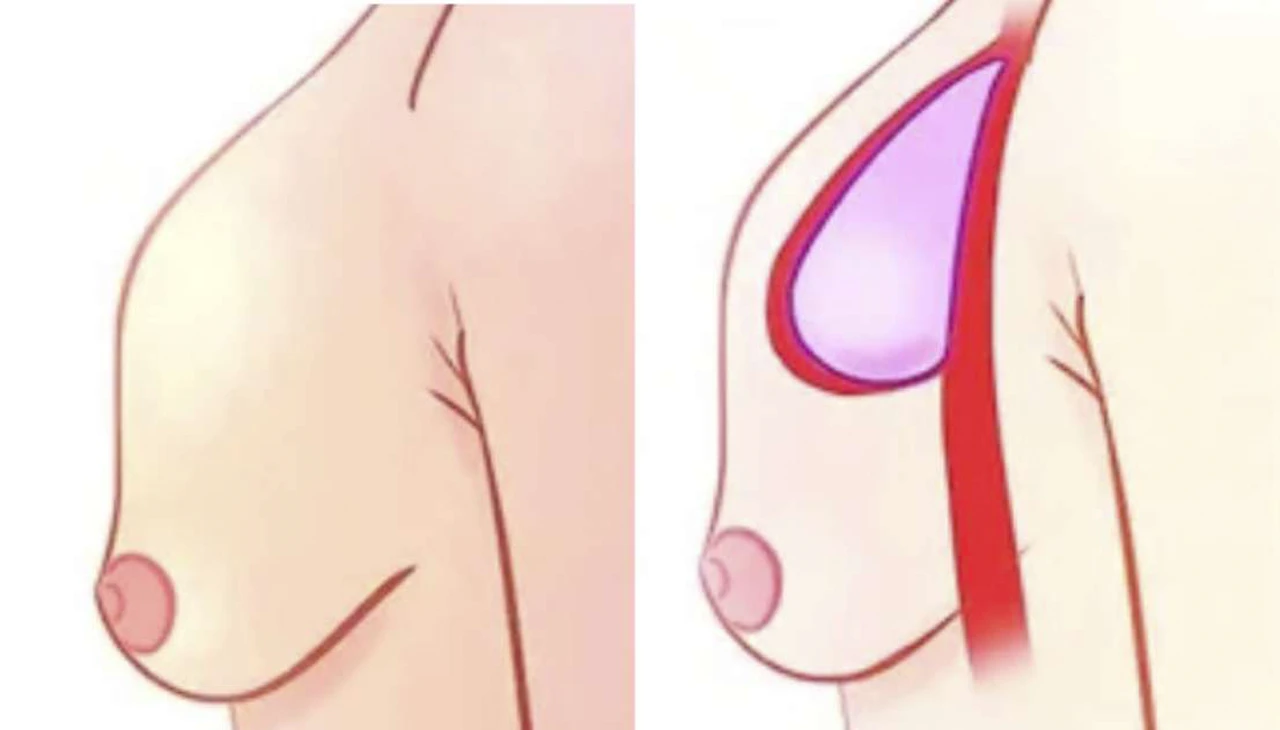
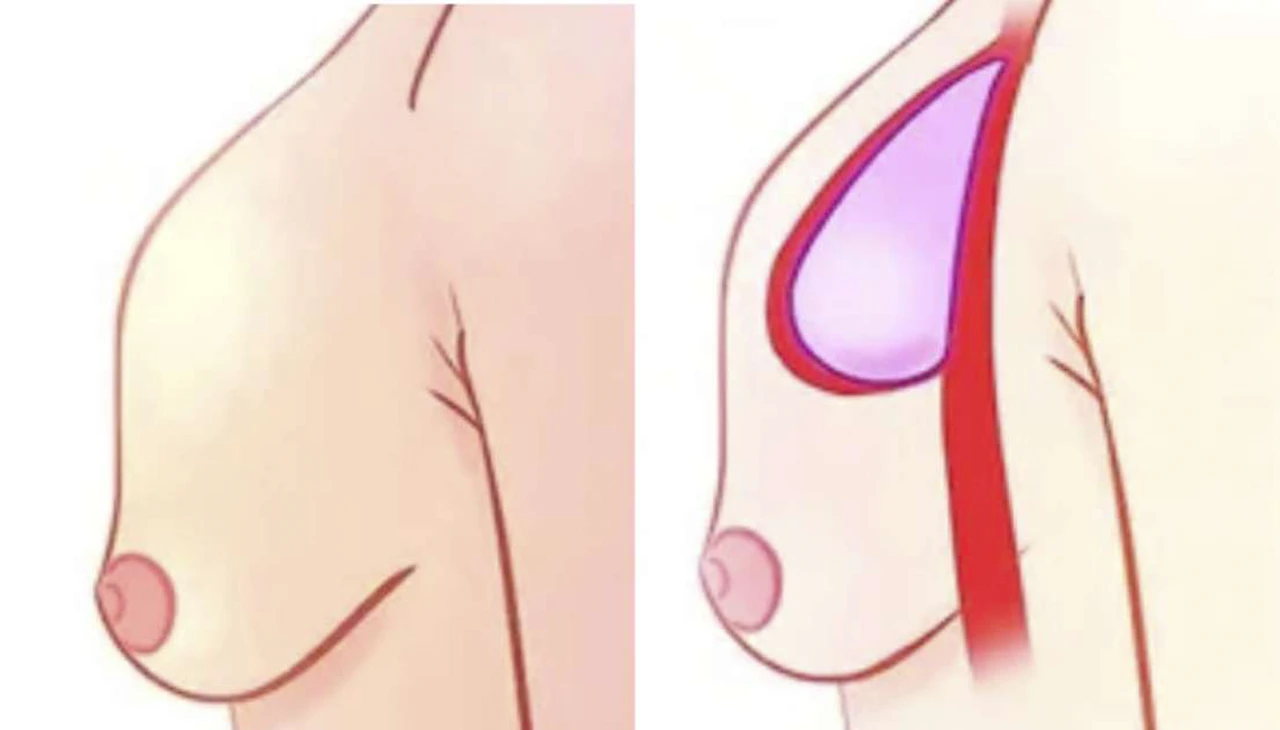
A double bubble therefore occurs when there is a visible line or a step-off between the natural breast and the implant, giving the impression of two separate “bubbles.” This deformity, however, can arise when the patient's original inframammary fold is not correctly repositioned after implant placement, or when there is a discrepancy between the new fold and the natural fold.
Some schools also consider the implant positioned higher than the breast as double bubble, but these are different alterations, related to positioning and surgical technique. In this case, we can refer to it as upper pole double bubble, to avoid confusion.
📌 Causes of double bubble:
- Submuscular implants in patients with little breast tissue.
- Inadequate repositioning of the inframammary fold.
- Breast augmentation without mastopexy in ptotic (sagging) breasts (learn more here).
- Changes in scarring, tissue fragility, or scar retraction.
🔍 How to identify?
- Presence of a visible crease or an irregular contour below the breast.
- The inframammary fold appears displaced or with a double contour.
- The lower pole of the breast shows a step-off relative to the upper part.
What is bottoming out?
Bottoming out, however, occurs when the implant slides downwards over time, extending beyond the original inframammary fold. As a result, the lower pole of the breast becomes excessively projected, while the nipples may appear elevated.
📌 Causes of bottoming out:
- Use of very large or heavy implants.
- Weakness of breast tissue or skin, which cannot support the weight of the implant.
- Excessive dissection of breast tissue in the lower part, resulting in less implant support.
- Complications in healing and loss of tissue adherence in the post-operative period.
🔍 How to identify?
- The lower pole of the breast appears too elongated.
- The nipple is positioned higher than the center of the breast.
- The inframammary fold seems to have descended over time.
What are the differences between double bubble and bottoming out?
| Characteristic | Double Bubble | Bottoming Out |
|---|---|---|
| Appearance | Irregular contour with visible line in the lower part of the breast | Implant descends beyond the original fold |
| Main Cause | Failure to reposition the inframammary fold | Tissue laxity or fragility |
| Effect on Nipple Position | Nipple maintains normal position | Nipple may appear elevated |
| Correction | Fold adjustment and implant repositioning | Tissue reinforcement and implant adjustment |
Treatment options for correction
Both conditions, however, may require corrective surgery to restore a harmonious breast contour. Treatment therefore depends on the severity of the deformity and the quality of the patient's tissues.
🛠️ Treatment for double bubble:
- Implant repositioning for better alignment with breast tissue.
- Restructuring of the inframammary fold to correct the transition between the implant and the breast.
- Internal reinforcement sutures to stabilize the implant in the correct position.
- Associated mastopexy, if mammary ptosis exists (learn more here).
🛠️ Treatment for bottoming out:
- Fixation of the inframammary fold to prevent implant migration.
- Implant exchange for a smaller size, reducing the load on the tissues.
- Use of internal sutures or surgical meshes for greater support.
- Adjustment of the implant placement plane, opting for a subglandular or dual plane, depending on the case.
Conclusion: when to seek a specialist?
In short, if you have noticed changes in the shape of your breasts after breast augmentation, it is ideal to seek an evaluation from a plastic surgeon. Thus, early correction can prevent future complications and ensure a satisfactory aesthetic result.
📌 Schedule a consultation with Dr. Fernando Amato to evaluate your case and determine the best treatment!
Frequently Asked Questions (FAQ)
1. Can bottoming out be avoided?
Yes, with the appropriate implant size selection and a well-planned surgical technique.
2. Can a double bubble disappear on its own?
No, a corrective procedure is usually necessary to reposition the implant.
3. Is it possible to correct these complications without surgery?
In most cases, however, surgery is the only effective option to correct these deformities.
4. What happens if I don't correct the deformity?
Besides aesthetics, incorrect implant position can cause discomfort and affect the patient's quality of life.
5. Does the choice of surgeon influence the prevention of these complications?
Yes, an experienced surgeon can therefore minimize risks with proper surgical planning.
📌 Keywords:
#breastimplant #mammoplasty #plasticsurgery #silicone #feminineaesthetics
Related articles


Agendar consulta
Precisa de orientação personalizada?
Marque uma avaliação com o Dr. Fernando Amato e tire as suas dúvidas sobre cirurgia plástica.
Falar no WhatsApp