- Surgeries, Body, Diseases, Ex-obese, Men, Videos
Diastasis of the Rectus Abdominis Muscles
- September 7, 2021
- By Fernando Amato
What is diastasis of the rectus abdominis muscles?

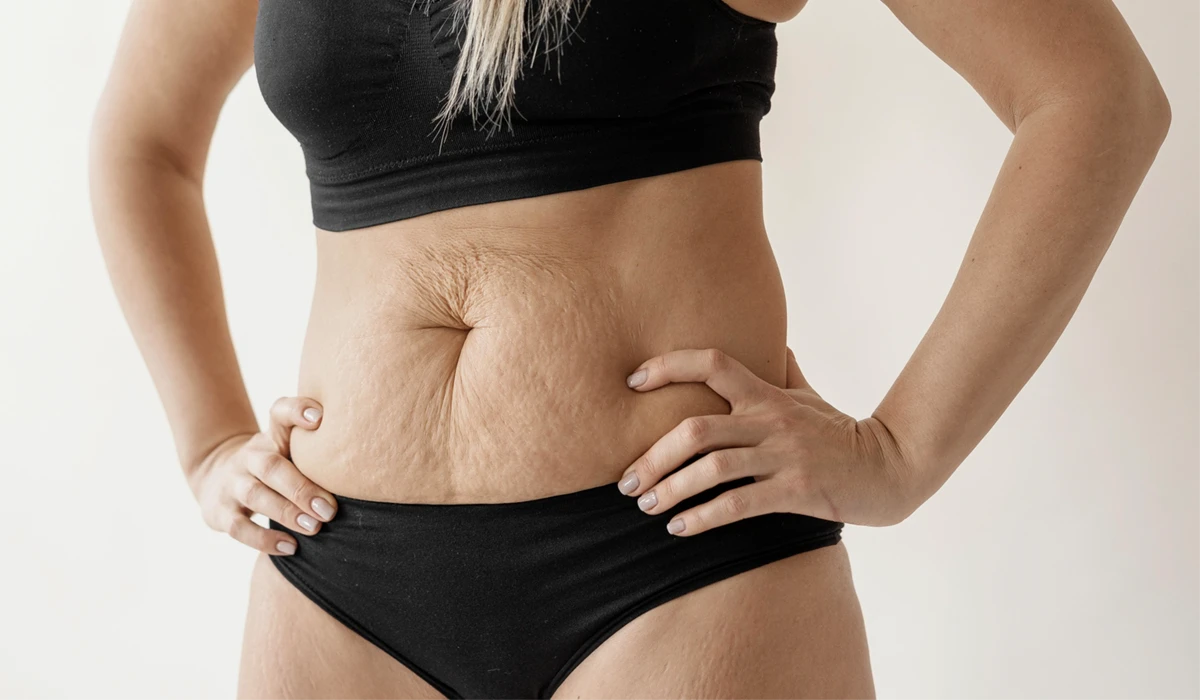
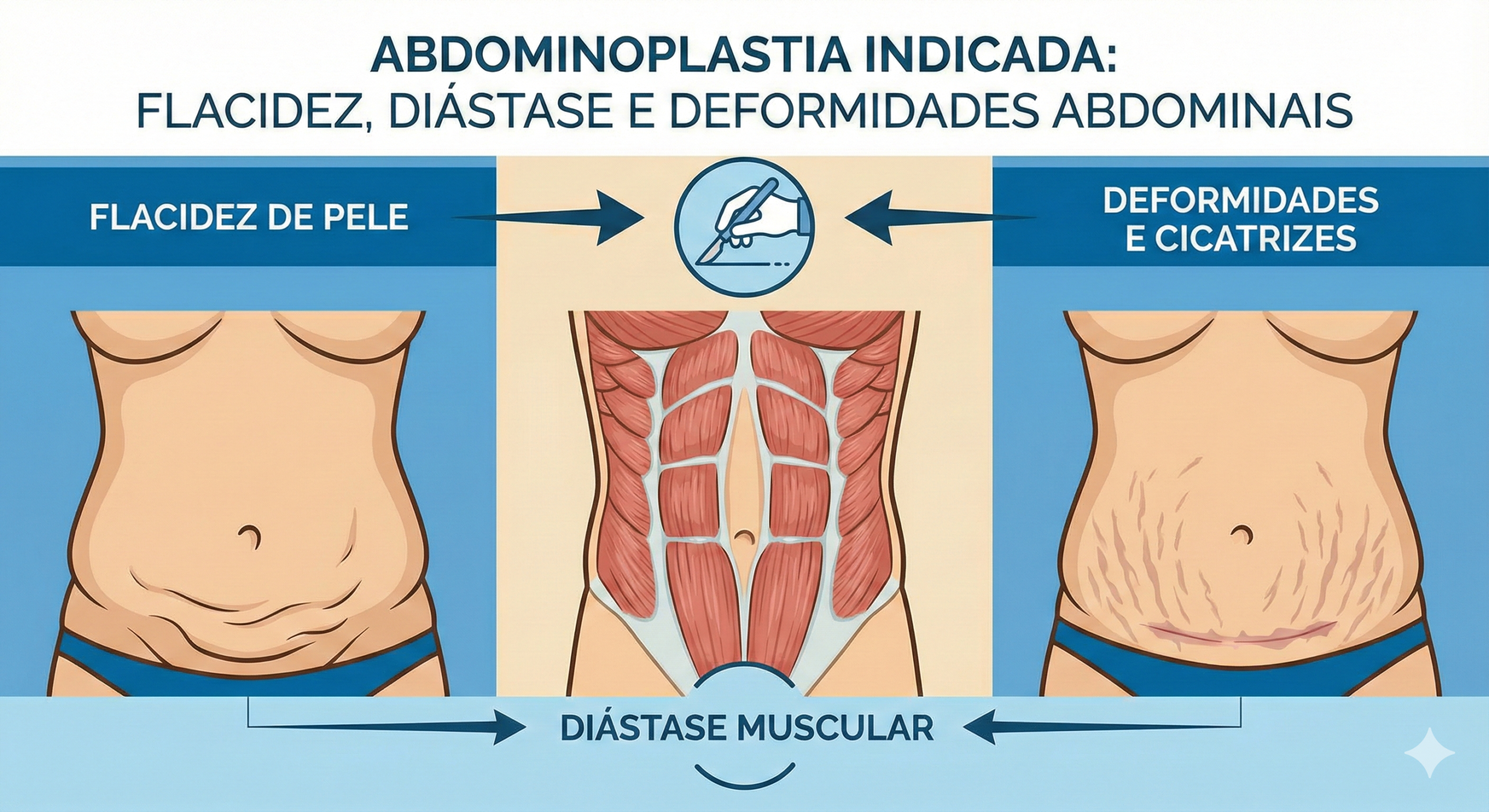
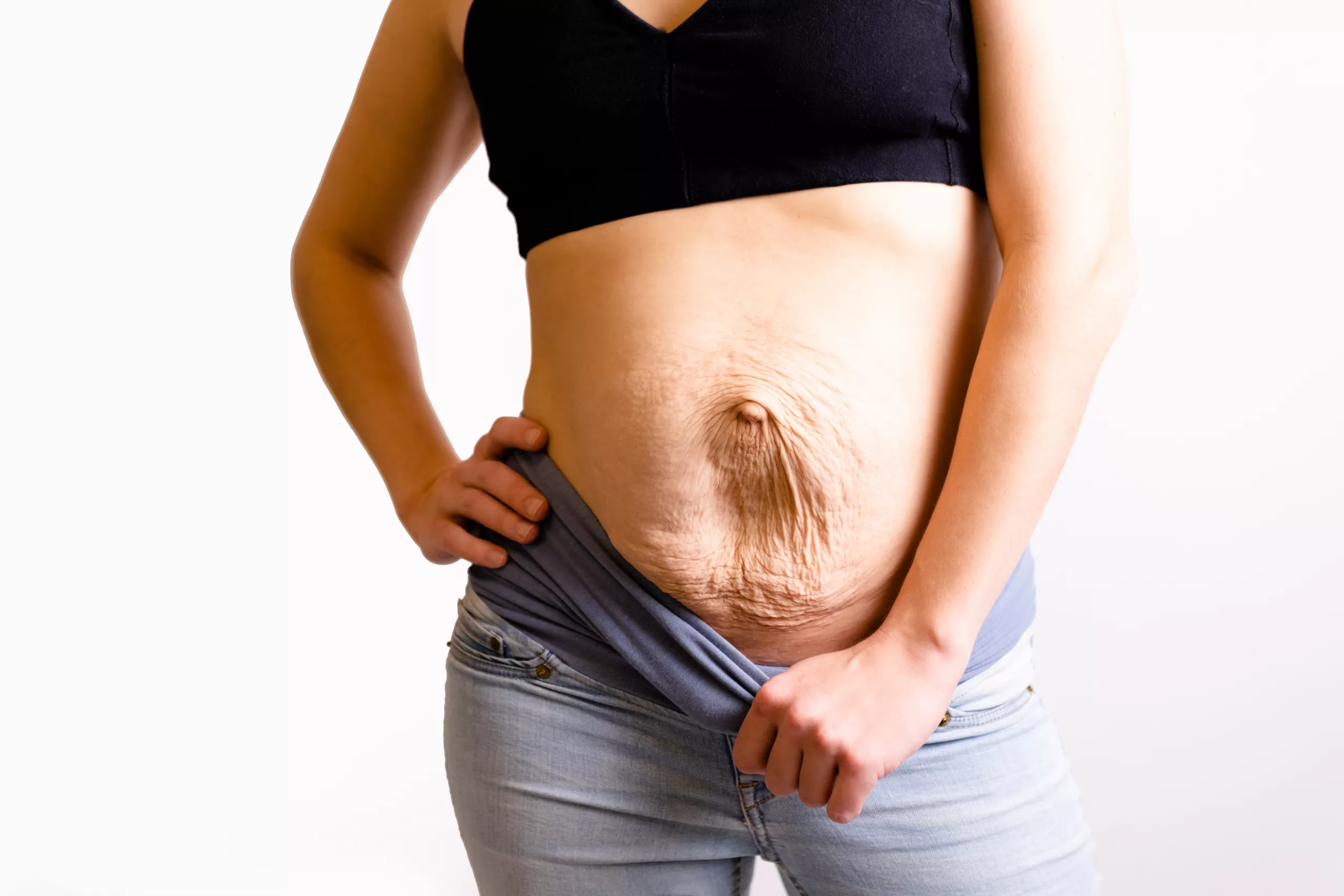
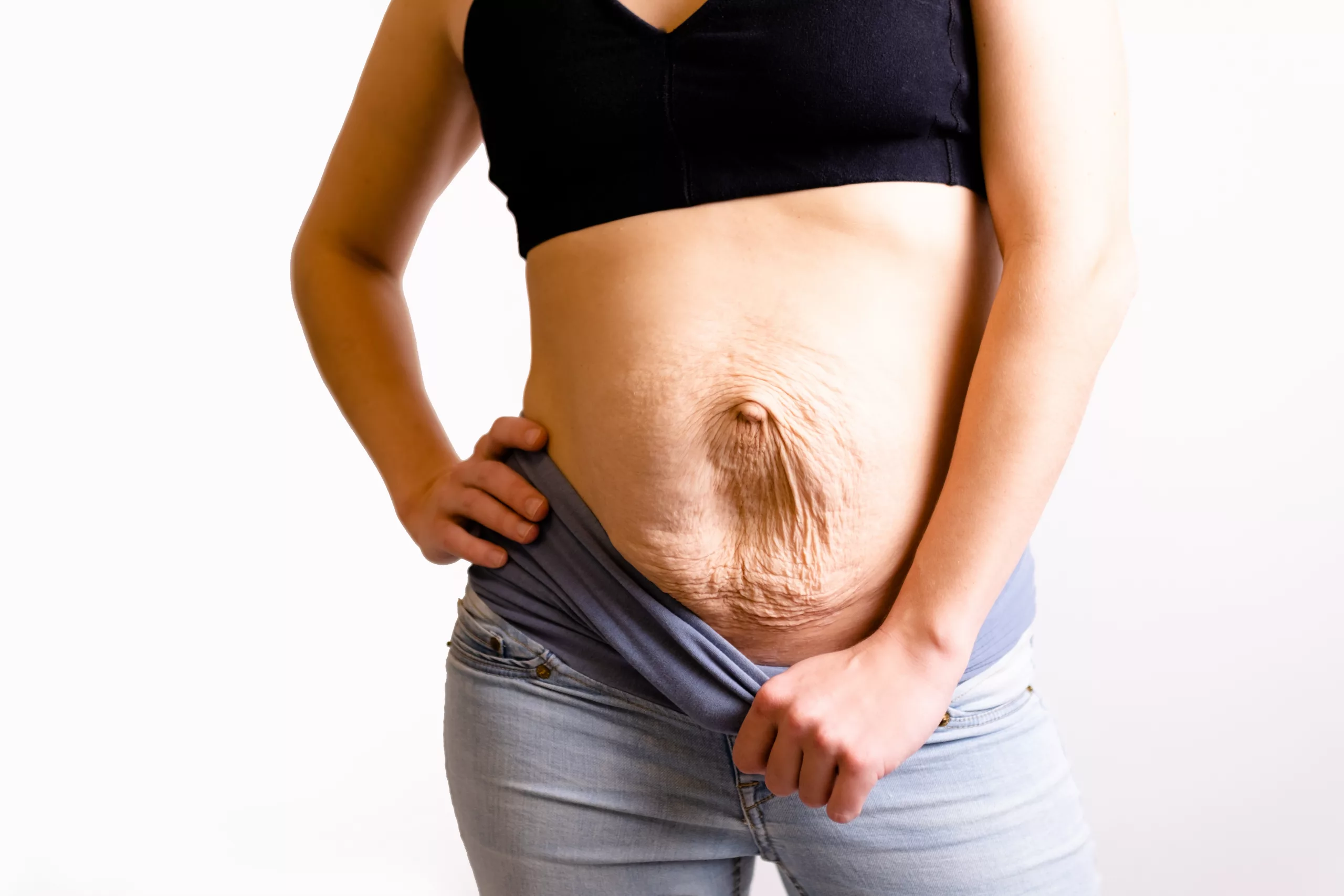
Diastasis of the rectus abdominis muscles consists of the separation of the abdominal muscles and is one of the most frequent complaints postpartum.
It usually appears mainly in the 3rd trimester of pregnancy and can persist after childbirth. With the increase in intra-abdominal pressure due to pregnancy, the tissue that connects these muscles becomes progressively thinner, losing strength and thus separating.
After pregnancy, it often does not return to normal, or as before, causing abdominal discomfort, body dissatisfaction, and even worsening self-esteem. It can appear in other situations or diseases basically related to increased pressure within the abdomen, such as in obesity, and/or fragility of tissues in the abdominal wall, such as in individuals who have undergone many abdominal surgeries, and is often related to abdominal wall hernias like umbilical hernias. It is rarer for it to be congenital, meaning someone is born with this condition, and it is important to remember that it can also appear in men.
There is no objective definition of how much separation is normal and when it becomes considered pathological; there are studies that show that a distance of up to 2 cm between these muscles is normal in the general population, but this does not prevent those with less than that from experiencing symptoms. The most common symptom is abdominal discomfort, but it is also highly related to a worsened quality of life due to altered body image. It can also be related to back pain, urinary and fecal incontinence, and pelvic organ prolapse.
Initial treatment can involve strengthening the abdominal wall muscles with targeted exercises and postural education. Girdles and bands can also be used, especially for postpartum prevention, or even after abdominal surgery to prevent diastasis recurrence. Postpartum, it is advisable not to start targeted strengthening exercises before 6 weeks after delivery, and the assisting obstetrician's opinion should always be consulted before starting. Surgical treatment can be performed at least 6 months after delivery, but preferably after stopping breastfeeding.
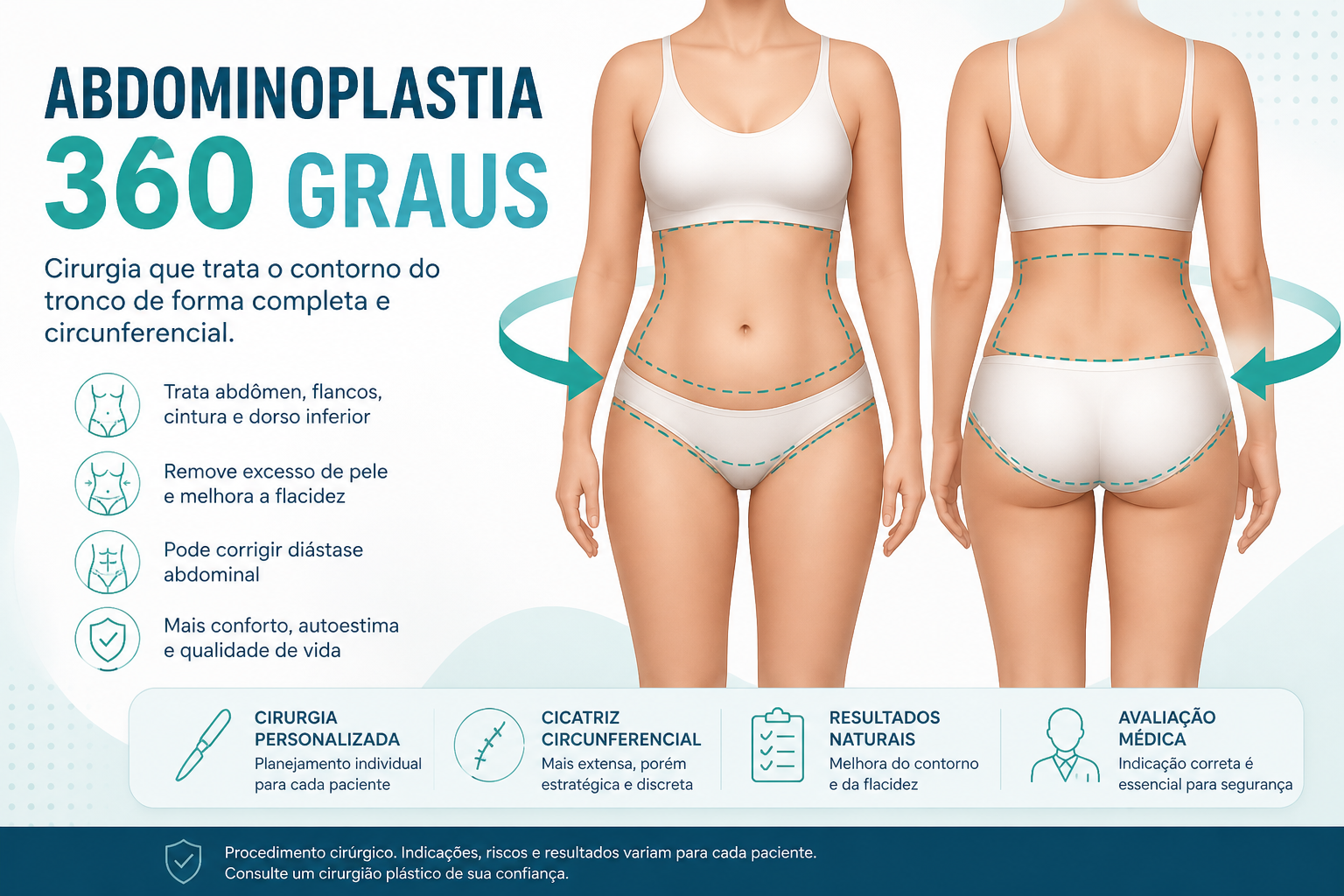
Surgery can be associated with abdominal dermolipectomy (abdominoplasty), and this association is often recommended to treat excess skin. Treatment can also be performed by laparoscopy or robotic surgery, but these are reserved for cases that do not have excess skin to be treated.
Diastasis of the rectus abdominis muscles consists of the separation of the abdominal muscles and is one of the most frequent complaints postpartum. It usually appears mainly in the 3rd trimester of pregnancy and can persist after childbirth. With the increase in intra-abdominal pressure due to pregnancy, the tissue that connects these muscles becomes progressively thinner, losing strength and thus separating. After pregnancy, it often does not return to normal, or as before, causing abdominal discomfort, body dissatisfaction, and even worsening self-esteem. It can appear in other situations or diseases basically related to increased pressure within the abdomen, such as in obesity, and/or fragility of tissues in the abdominal wall, such as in individuals who have undergone many abdominal surgeries, and is often related to abdominal wall hernias like umbilical hernias. It is rarer for it to be congenital, meaning someone is born with this condition, and it is important to remember that it can also appear in men. There is no objective definition of how much separation is normal and when it becomes considered pathological; there are studies that show that a distance of up to 2 cm between these muscles is normal in the general population, but this does not prevent those with less than that from experiencing symptoms. The most common symptom is abdominal discomfort, but it is also highly related to a worsened quality of life due to altered body image. It can also be related to back pain, urinary and fecal incontinence, and pelvic organ prolapse. Initial treatment can involve strengthening the abdominal wall muscles with targeted exercises and postural education. Girdles and bands can also be used, especially for postpartum prevention, or even after abdominal surgery to prevent diastasis recurrence. Postpartum, it is advisable not to start targeted strengthening exercises before 6 weeks after delivery, and the assisting obstetrician's opinion should always be consulted before starting. Surgical treatment can be performed at least 6 months after delivery, but preferably after stopping breastfeeding. Surgery can be associated with abdominal dermolipectomy (abdominoplasty), and this association is often recommended to treat excess skin. Treatment can also be performed by laparoscopy or robotic surgery, but these are reserved for cases that do not have excess skin to be treated.
hello do you know what a daily is
the piece of steel consists of the apartment of the
abdominal muscles and is one of the
most frequent complaints in the period
postpartum many women develop it
during the third trimester of pregnancy
and end up with it after childbirth because it is
that this happens
with the increase in prediction it must like
and it can be caused by pregnancy it makes the
connection getting thinner and thinner
loses strength and thus separates
after childbirth it rarely
returns to normal and this devil can end up
doing a little bit right
diastasis can also appear in men
it can also appear in other situations
or diseases normally related to the
enlargement of the abdomen to combat obesity
related to fragility in the abdominal wall
they have already done it sometimes it is
related to the republic and the cigarette
and there isn't that much apartment
normal when it becomes considered
pathological and without work ours can be
up to 2 cm but this does not prevent 15 - but
is it like marriage the treatment
can also be through strengthening the
muscles of the final part the exercise
cultural directed
girdles elastic bands can be
used not post-delivery or even after a
abdominal region to avoid followers
global postpartum it is advisable not to
start direction to parents with me today
six weeks postpartum 5 and should be used
opinion if you observe two said any
activity
and surgical treatment can be
performed at least six months
opaque but preferably after stopping
breastfeeding surgery can be
associated with abdominal infection ah ah
lives often appears it is
recommended association to be able to
treat excess skin also the
treatment can be performed by
laparoscopy and meet the most
needed reserved for
did you like it want to know more about
surgery of course I see
Related articles


Agendar consulta
Precisa de orientação personalizada?
Marque uma avaliação com o Dr. Fernando Amato e tire as suas dúvidas sobre cirurgia plástica.
Falar no WhatsApp