- Plastic surgery
Beware of: permanent fillers (PMMA and liquid silicone)
- August 11, 2023
- By Fernando Amato
Beware of: Permanent Fillers!
The Risk of Permanent Fillers for Gluteal Augmentation: PMMA, Liquid Silicone, and Siliconomas
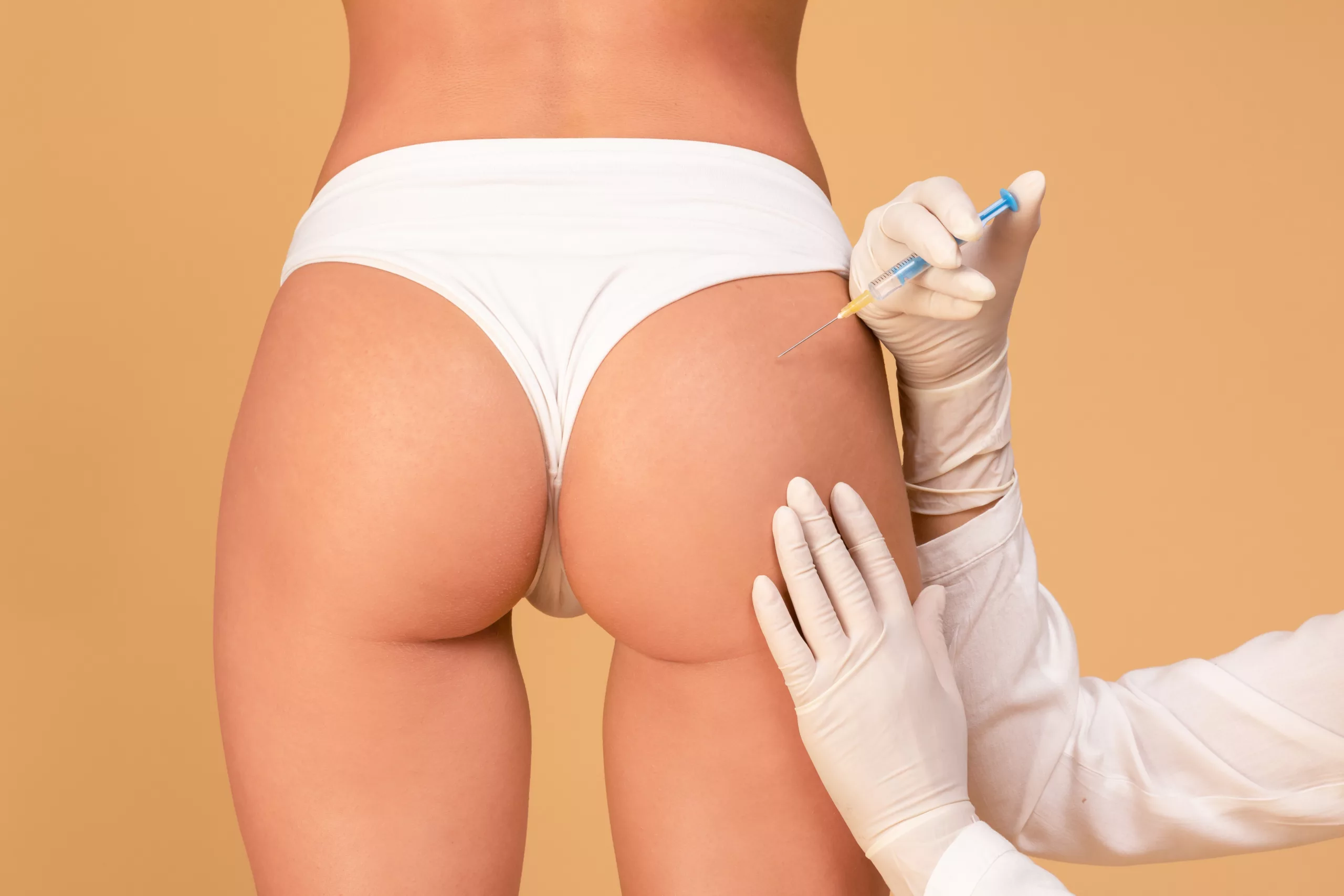
In the world of aesthetic surgery, the pursuit of the perfect appearance can lead individuals to consider a variety of procedures, with gluteal augmentation being one of the most desired currently. With advancements in medicine and technology, various techniques have emerged to improve the contour and volume of the buttocks. Among these, fillers, such as PMMA (polymethylmethacrylate) and silicone liquid, have garnered attention for promising immediate results. However, it is essential to emphasize the risks associated with these permanent fillers, including the development of siliconomas.
1. What are PMMA, Liquid Silicone, and Siliconomas?
Therefore, PMMA is an acrylic substance used in various medical applications. When used as an aesthetic filler, it is often suspended in a gel to be injected into the body. Liquid silicone, unlike silicone implants, is a fluid substance, not authorized for aesthetic use in many countries. Siliconomas are nodules that form as the body's response to the presence of free silicone, usually resulting from liquid silicone injections.
2. Associated Risks:
- Infection: Permanent fillers, being foreign substances to the body, can increase the possibility of infection, which, if not properly treated, can lead to more severe complications.
- Material Migration: Both PMMA and liquid silicone can migrate from the initial injection site, causing deformities or nodulations in the skin.
- Allergic Reactions: Although rare, they are possible and can lead to inflammation, redness, and discomfort.
- Tissue Necrosis: Inadvertent injection into blood vessels can block blood flow, leading to tissue death.
- Kidney Failure: There are reports of patients who developed kidney failure after liquid silicone injections. The renal system attempts to eliminate toxic components, and if overloaded, it can fail.
- Granuloma and Siliconoma Formation: Both are nodules formed in response to foreign bodies. Siliconomas, specifically, result from the presence of liquid silicone and can be painful, cause deformities, and require surgical removal. In the long term, they can also calcify, making their removal even more challenging.
Conclusion:
In summary, the desire to improve gluteal aesthetics should not overshadow the need for safe and effective procedures. PMMA and liquid silicone, while they may provide immediate results, come with considerable risks, including the formation of siliconomas. Finally, patient safety must always be the priority, and it is essential to seek qualified and informed professionals for proper guidance.
Related articles



Agendar consulta
Precisa de orientação personalizada?
Marque uma avaliação com o Dr. Fernando Amato e tire as suas dúvidas sobre cirurgia plástica.
Falar no WhatsApp