- Body, Post-bariatric
Cruroplasty: Understanding Thigh Lift Surgery
- May 10, 2024
- By Fernando Amato
Cruroplasty is a plastic surgery focused on improving thigh contour.
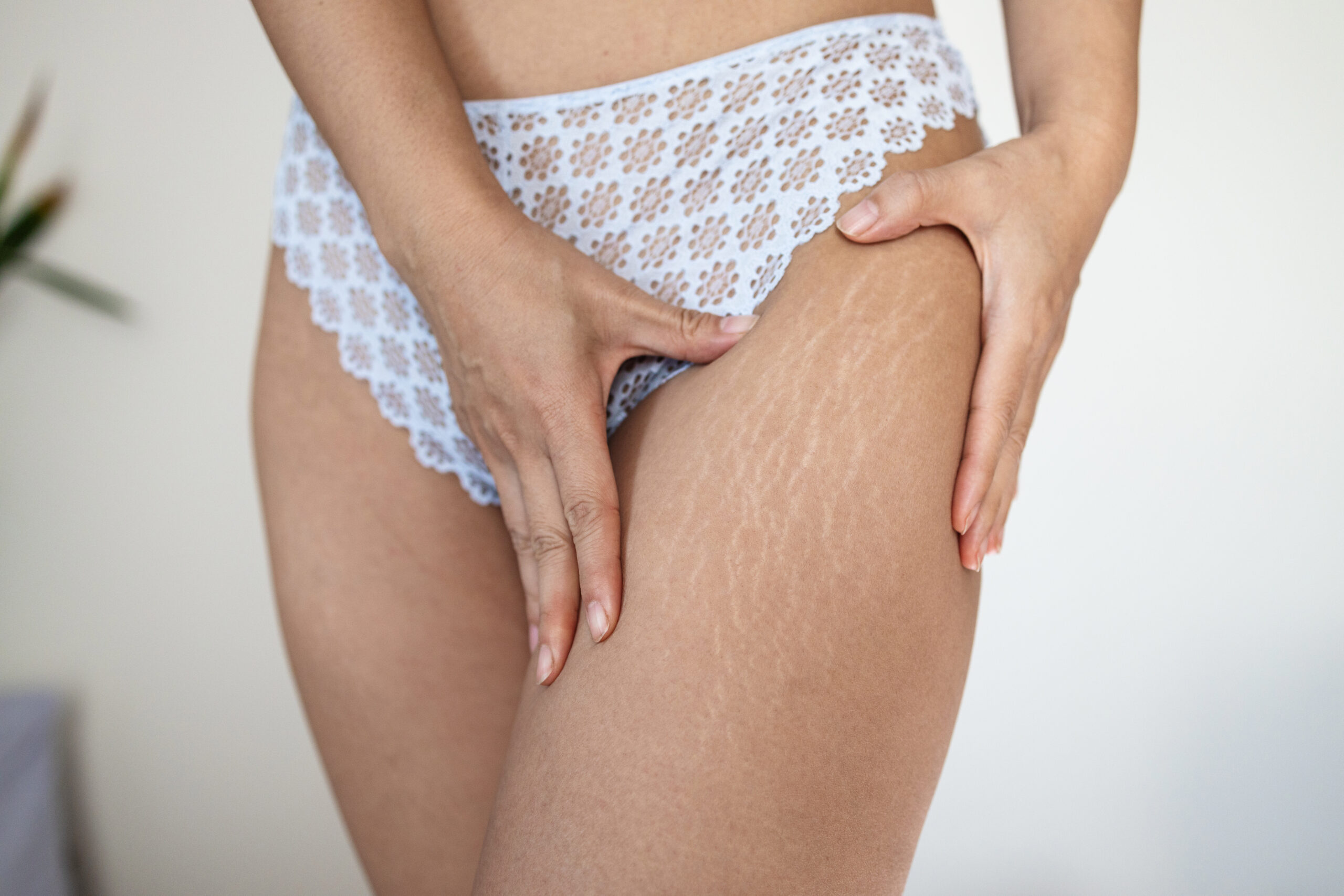
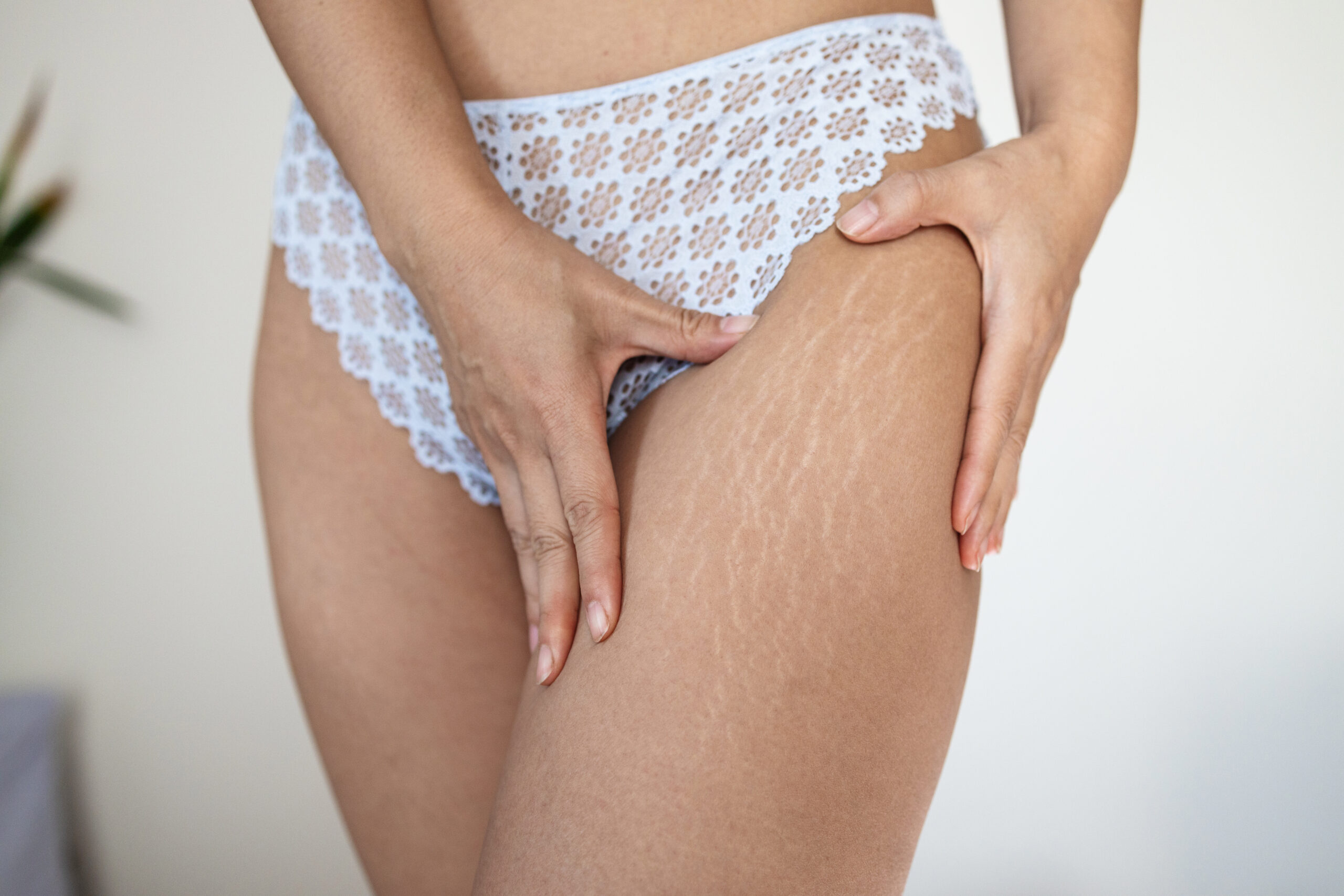
Cruroplasty, or thigh lift, is a surgical procedure aimed at improving the contour and appearance of the thighs by removing excess skin and fat, which often remains after significant weight loss or due to natural aging. However, it is very common in patients with Lipedema stages III and IV. The surgery is particularly beneficial for those who cannot achieve satisfactory results with exercise alone.
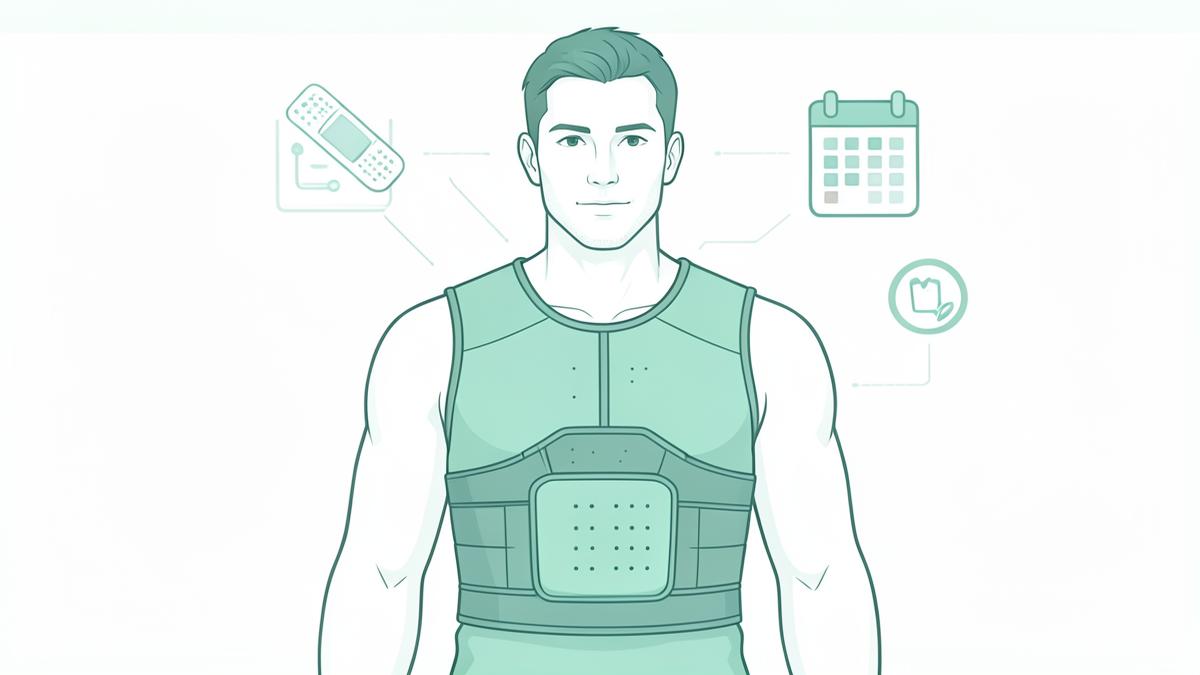
- 🎯 Effective procedure to improve thigh contour
- 🔪 Performed under anesthesia, with variable recovery
- 🩹 Scars are permanent but can be discreet with proper care
- 🎯 Mainly indicated for those who have experienced significant weight loss or aging
- 🔍 Improves both appearance and self-esteem
🔍 What is Cruroplasty?
Cruroplasty is a surgical technique designed to correct sagging, excess skin, and fat in the thighs. Patients who have undergone significant weight changes or who notice a loss of skin elasticity due to aging often consider this procedure. The intervention improves appearance, boosts self-esteem, and increases daily comfort.
🔪 How is Cruroplasty Performed?
The procedure is performed under anesthesia, which can be general, epidural, or local with sedation, depending on the extent of the surgery and medical judgment. The surgeon makes incisions whose size and pattern depend on the amount and location of excess skin to be removed. Generally, incisions can be made on the inner thighs or extend from the knee to the groin along the inner thigh. After removing the excess tissue, the skin is tightened and sutured to create a smoother, firmer contour.
🎯 When is Cruroplasty Indicated?
Cruroplasty is indicated for patients with a significant amount of loose skin on their thighs, common after major weight loss, such as that seen after bariatric surgery. Therefore, it is also an option for treating discomfort caused by friction between the thighs and for improving body proportion. The patient needs to maintain a stable weight to ensure lasting results when considering this procedure.
🩹 Scars and Post-Operative Care
The technique used and the amount of skin removed determine the variation of cruroplasty scars. Thus, they can be located on the inner thighs, extending from the groin to the knee. Over time, scars tend to become less noticeable, especially with proper care, which includes avoiding sun exposure and following medical advice on creams and treatments for scarring.
Cruroplasty is a surgery that stands out especially in contexts of significant weight loss, after bariatric surgery, and in the treatment of lipedema. These specific conditions create unique challenges that cruroplasty aims to solve, significantly improving the quality of life for patients. Below, I detail each situation and how cruroplasty can be beneficial.
Cruroplasty After Significant Weight Loss
After significant weight loss, especially that obtained rapidly and substantially, the skin may lose its elasticity and fail to retract to match the body's new size. This excess loose skin can result not only in an aesthetic concern but also in physical discomfort and health problems, such as irritation and infections caused by friction. Cruroplasty, in this context, removes excess skin from the thighs, improving body contour and allowing the patient to feel more comfortable with their new body shape. This procedure is crucial to complete the patient's transformation journey, enabling them to fully enjoy the results of their weight loss efforts.
Cruroplasty Post-Bariatric Surgery
Bariatric surgery is one of the most common causes of significant weight loss, and its effects on the skin are similar to those described above. Cruroplasty after bariatric surgery improves the aesthetic appearance of the thighs and helps resolve important functional issues. Patients frequently report greater ease in performing physical activities and better personal hygiene after the removal of excess skin. The surgery can also help consolidate the patient's new body image, being an important step in the adaptation process to a new life after massive weight loss.
Cruroplasty in Lipedema Treatment
Lipedema is a condition characterized by abnormal fat accumulation in the legs, often associated with pain and inflammation. Unlike simple obesity, lipedema is a disease that primarily affects women and does not respond well to conventional diet and exercise. Cruroplasty, in this case, can be part of a broader treatment that also includes liposuction to remove pathological excess fat. This procedure improves thigh contour and alleviates some of the physical discomforts associated with lipedema, improving walking ability.
Conclusion
Cruroplasty is more than an aesthetic intervention; it is a procedure that can bring significant functional benefits to patients who have undergone major body transformations, bariatric surgeries, or who suffer from lipedema. A qualified plastic surgeon should evaluate each case individually, offering a personalized approach that meets the patient's specific needs. This surgery can be a milestone in restoring self-esteem and improving quality of life, offering a new beginning for many patients.
If you are considering cruroplasty, it is essential to seek guidance from a specialist who deeply understands the nuances of these conditions. Scheduling a consultation with an experienced surgeon is the first step to understanding how this procedure can help in your specific situation.
Frequently Asked Questions
- How long does cruroplasty recovery take?
- Full recovery can take several weeks, during which intense activities should be avoided. Recovery time varies from person to person.
- Are there risks associated with cruroplasty?
- Like any surgery, cruroplasty carries risks such as infection, scarring problems, and asymmetry. However, by choosing a qualified surgeon, risks are minimized.
- When are the final results visible?
- Final results may take up to a year to be fully visible, after swelling subsides and scars improve.
- What is the average cost of a cruroplasty?
- The cost varies according to the region and the chosen professional, as well as the complexity of the case.
- Can cruroplasty be combined with other surgeries?
- Yes, it is common to combine cruroplasty with other body contouring procedures, such as abdominoplasty or liposuction, for more comprehensive results.
- What is the difference between cruroplasty and liposuction?
- Cruroplasty focuses on removing excessive skin to improve contour, while liposuction removes excess fat.
- Who is the ideal candidate for cruroplasty?
- People with significant excess skin on their thighs and who maintain a stable weight are ideal for this procedure.
- How should I prepare for surgery?
- It is essential to follow all the surgeon's instructions, including pre-operative exams and lifestyle adjustments, such as quitting smoking.
- Is cruroplasty only an aesthetic surgery?
- Although often performed for aesthetic reasons, this surgery can also resolve functional issues, such as discomfort and irritation due to excess skin.
- Is there a minimum or maximum age to undergo cruroplasty?
- There is no specific age, but it is important to be in good general health and have realistic expectations about the results.
Keywords: #Cruroplasty, #ThighLift, #PlasticSurgery, #BodyContouring, #WeightLoss
Cruroplasty can be a powerful tool to improve the quality of life and self-image of patients who have undergone major body transformations. If you are considering this procedure, it is essential to consult a specialized plastic surgeon to discuss your expectations and possible results.
Related articles



Agendar consulta
Precisa de orientação personalizada?
Marque uma avaliação com o Dr. Fernando Amato e tire as suas dúvidas sobre cirurgia plástica.
Falar no WhatsApp