- Plastic surgery
Understanding Migraine Surgery: Types of Headaches, Symptoms, and Treatment
- December 16, 2023
- By Fernando Amato
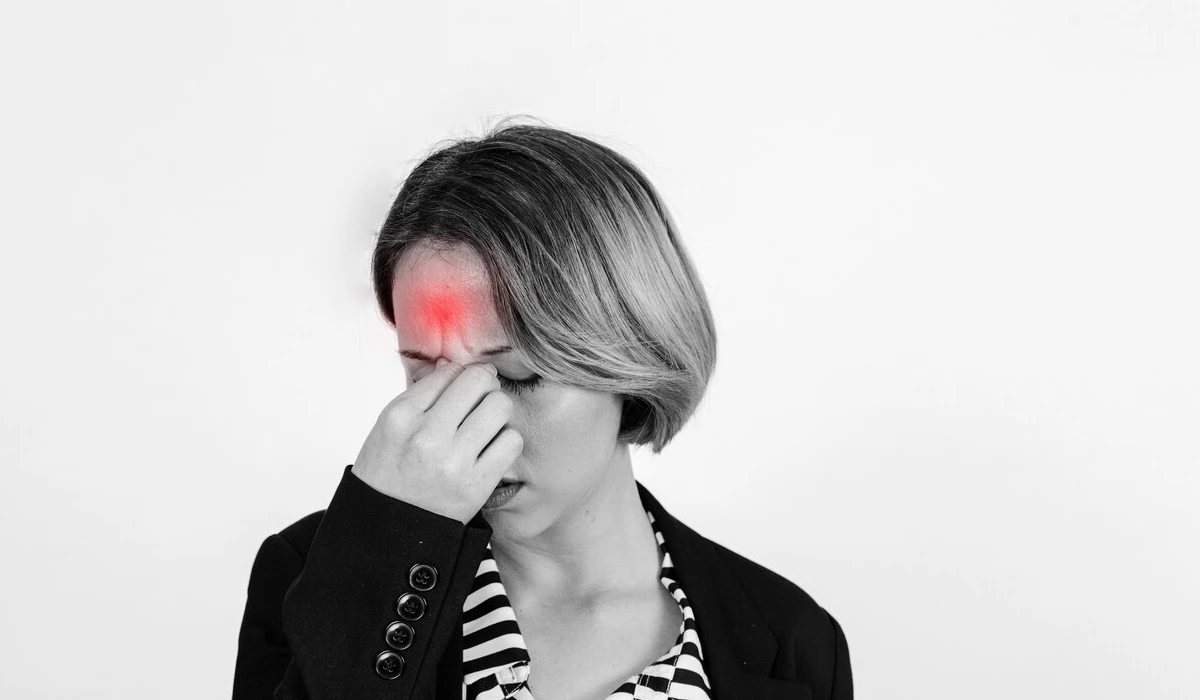
Migraine, a debilitating condition affecting approximately 12% of the global population, is notoriously known for its significant impact on individuals' quality of life. With a higher incidence in women, especially in their fourth decade of life, this pathology not only imposes personal challenges but also reverberates in social and economic spheres. Furthermore, in countries like the United States, the cost associated with migraine treatment and absenteeism exceeds 13 billion dollars annually, highlighting the financial burden placed on society and affected individuals.
Migraine Treatment
Historically, the approach to migraine treatment has focused on pharmacological measures and the adoption of healthy lifestyle habits. However, for a significant group of patients who do not respond adequately to these measures, a new hope emerges with the evolution of migraine surgery. This therapeutic advancement, initially conceived for aesthetic purposes in correcting forehead wrinkles, has proven to be a milestone in headache management.
Migraine Surgery
Moreover, migraine surgery, a minimally invasive procedure, can be endoscopic and is innovative, proving promising for patients who do not obtain relief with conventional treatments or who experience significant adverse effects from medications. However, the technique consists of nerve decompression and muscle sectioning in specific areas of the frontal, temporal, and occipital regions, directly addressing the trigger points of painful crises. With reported success rates above 80%, this surgical approach not only offers a potential cure or significant symptom relief for many patients but also anticipates a positive economic impact, given the reduction in crisis frequency and the need for medication.
Types of Headaches and Symptoms
- Primary Headaches: These are not caused by other diseases. They include migraine and tension-type headache.
- Migraine: Characterized by unilateral headache (70% of cases), pulsating, and gradual onset. Worsens with bright light, noise, and may be accompanied by nausea, vomiting, or dizziness. Attacks can last from 4 to 72 hours.
- Tension-Type Headache: More common in the population, generally mild to moderate, non-pulsating, and can last from 30 minutes to 1 week.
- Trigeminal Autonomic Cephalalgias (TACs): Characterized by intense, short-duration head pain, often associated with autonomic symptoms such as tearing and nasal congestion.
- Cluster Headache: Less frequent, more severe than migraine, with attacks lasting from 30 minutes to 3 hours, typically unilateral and located around one eye.
- Hemicrania Continua and Paroxysmal Hemicrania: Hemicrania continua is characterized by intense, unilateral, and continuous pain, while paroxysmal hemicrania manifests in short, frequent attacks of intense pain.
Surgical Treatment for Migraine
- Indication and Efficacy: Indicated for patients who do not respond to conventional treatments or have drug intolerance. About 80% of operated patients report cure or significant improvement in the frequency and intensity of attacks.
- Procedure: Uses endoscopic techniques or direct access in headache types to section muscles and release nerves in the frontal, temporal, and occipital regions. Incisions are small, made on the scalp, usually under general anesthesia, but for specific areas, it can even be performed with local anesthesia.
- Pre-Operative: May include a therapeutic trial with anesthetic or botulinum toxin injection to assess the influence on migraine intensity and frequency.
- Post-Operative: Rapid recovery, with the patient able to resume normal activities within a few days.
5 Highlights:
- 🧠 Types of Headaches: Migraine, tension-type headache, and trigeminal autonomic cephalalgias.
- 🚨 Unique Symptoms: Migraine with unilateral and pulsating pain; tension-type headache with a squeezing pain.
- 💉 Surgical Treatment: Indicated for cases resistant to conventional treatment.
- 🔍 Minimally Invasive Procedure: Endoscopic technique with high success rates.
- ⏰ Rapid Recovery: Return to normal activities within days.
:#MigraineSurgery #HeadacheTypes #MigraineSymptoms #MinimallyInvasiveTreatment #PostOperativeRecovery
Related articles


Agendar consulta
Precisa de orientação personalizada?
Marque uma avaliação com o Dr. Fernando Amato e tire as suas dúvidas sobre cirurgia plástica.
Falar no WhatsApp