
- Diseases
Everything you need to know about pilonidal cysts and how to treat them
- April 24, 2024
- By Fernando Amato
Pilonidal Cyst: What You Need to Know About This Uncommon Condition
Pilonidal cysts, although not a frequently discussed topic in everyday conversations, are a condition that affects many people, causing significant discomfort and, in some cases, requiring surgical intervention. Therefore, in this article, we will explore what a pilonidal cyst is, its symptoms, causes, available treatments, and preventive measures to avoid its occurrence.
- 🩺 Understand what a pilonidal cyst is: A condition involving the formation of a tissue sac containing hair and skin in the tailbone area.
- 🔍 Learn the causes: Factors such as a sedentary lifestyle, obesity, and excessive hair can increase the risk.
- 🚨 Identify the symptoms: Pain, redness, swelling, and pus drainage are common signs.
- 💉 Explore treatment options: From drainage to surgical removal, depending on severity.
- ⚕️ Prevent occurrence: Key preventive measures include proper hygiene, avoiding long periods of sitting, and maintaining a healthy weight.
What is a pilonidal cyst?
A pilonidal cyst is a tissue sac that contains hair and skin. It develops in the tailbone area, near the upper part of the buttocks. The word “pilonidal” comes from the Latin “pilus” (hair) and “nidus” (nest), reflecting the common characteristic of this cyst to contain ingrown hairs. However, this condition is more prevalent in young men and can become problematic if infected, forming a painful abscess.
Causes and risk factors
A combination of factors can cause a pilonidal cyst, including:
- Dead skin and ingrown hairs: It is believed that friction and pressure in the area (for example, sitting for long periods) push hairs into the skin, where they can form a cyst.
- Sedentary lifestyle: People who sit for long periods have a higher risk of developing pilonidal cysts.
- Obesity: Excess weight can increase pressure and friction in the tailbone area, contributing to cyst formation.
- Excessive hair: Individuals with a lot of body hair may have an increased risk of pilonidal cyst formation due to the greater likelihood of ingrown hairs.
Common symptoms
Signs and symptoms of a pilonidal cyst may include:
- Pain and tenderness in the tailbone area: Especially when sitting or pressing the area.
- Redness and swelling: The area around the cyst may become inflamed.
- Drainage of pus or blood: An infected cyst may drain, emitting an unpleasant odor.
- Presence of a lump or mass: A pilonidal cyst can be felt as a lump under the skin.
Treatment options
Treatment for pilonidal cysts depends on the severity of symptoms. Options include:
- Cyst drainage: A procedure performed under anesthesia to relieve pain and pressure.
- Surgical removal: Recommended for recurrent or complicated cases, involving complete removal of the cyst.
- Cauterization with LASER: Minimally invasive surgery, using a laser fiber to cauterize the cyst and facilitate the collapse of the walls with closure of the cyst and fistula when present.
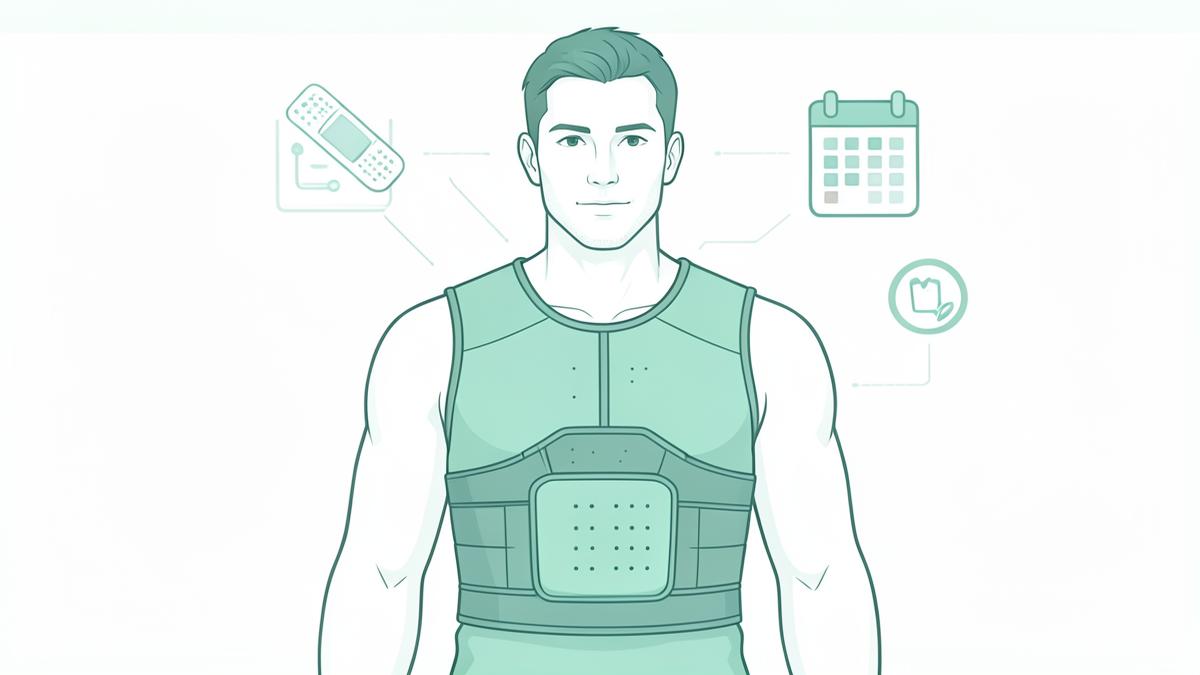
- Post-operative care: Includes proper cleaning of the area and, in some cases, hair removal to prevent recurrence.
Prevention
Some preventive measures can reduce the risk of developing a pilonidal cyst:
- Keep the area clean and dry: Proper hygiene can help prevent cyst formation.
- Avoid prolonged periods of sitting: Regularly standing up and moving around can reduce pressure on the tailbone area.
- Weight control: Maintaining a healthy weight can decrease the risk of pilonidal cysts.
- Hair removal: Hair removal methods can be considered for people with a lot of hair in the region.
Frequently Asked Questions
- Can a pilonidal cyst recur after treatment? Yes, there are cases of recurrence, especially if preventive measures are not strictly followed.
- Is a pilonidal cyst contagious? No, it is a non-contagious condition, resulting from hair penetrating the skin.
- What is the recovery time after pilonidal cyst surgery? Recovery can vary but generally takes several weeks. Following post-operative care instructions is crucial.
- Are there complications associated with a pilonidal cyst? If left untreated, it can lead to serious infections and the formation of painful abscesses.
- Do all pilonidal cysts require surgery? No, some mild cases can be treated with conservative measures, such as antibiotics and local care.
- How is a pilonidal cyst diagnosed? Generally, diagnosis is clinical, based on symptoms and physical examination of the affected area.
- Which healthcare professional should I seek? A general surgeon or a dermatologist can evaluate and treat this condition.
- Can one bathe normally with a pilonidal cyst? Yes, but care must be taken to keep the area clean and dry.
- Does a pilonidal cyst only affect men? While it is more common in young men, women can also develop this condition.
- Are physical exercises recommended after treatment? It depends on the type of treatment performed. Consult your doctor for specific guidance.
Keywords: #PilonidalCyst, #CystTreatment, #CystPrevention, #PilonidalCystSymptoms, #PilonidalCystSurgery.
Related articles


Agendar consulta
Precisa de orientação personalizada?
Marque uma avaliação com o Dr. Fernando Amato e tire as suas dúvidas sobre cirurgia plástica.
Falar no WhatsApp