- Surgeries, Diseases, For Patients
Healing, how does it work?
- January 15, 2023
- By Fernando Amato
How to achieve a good scar?
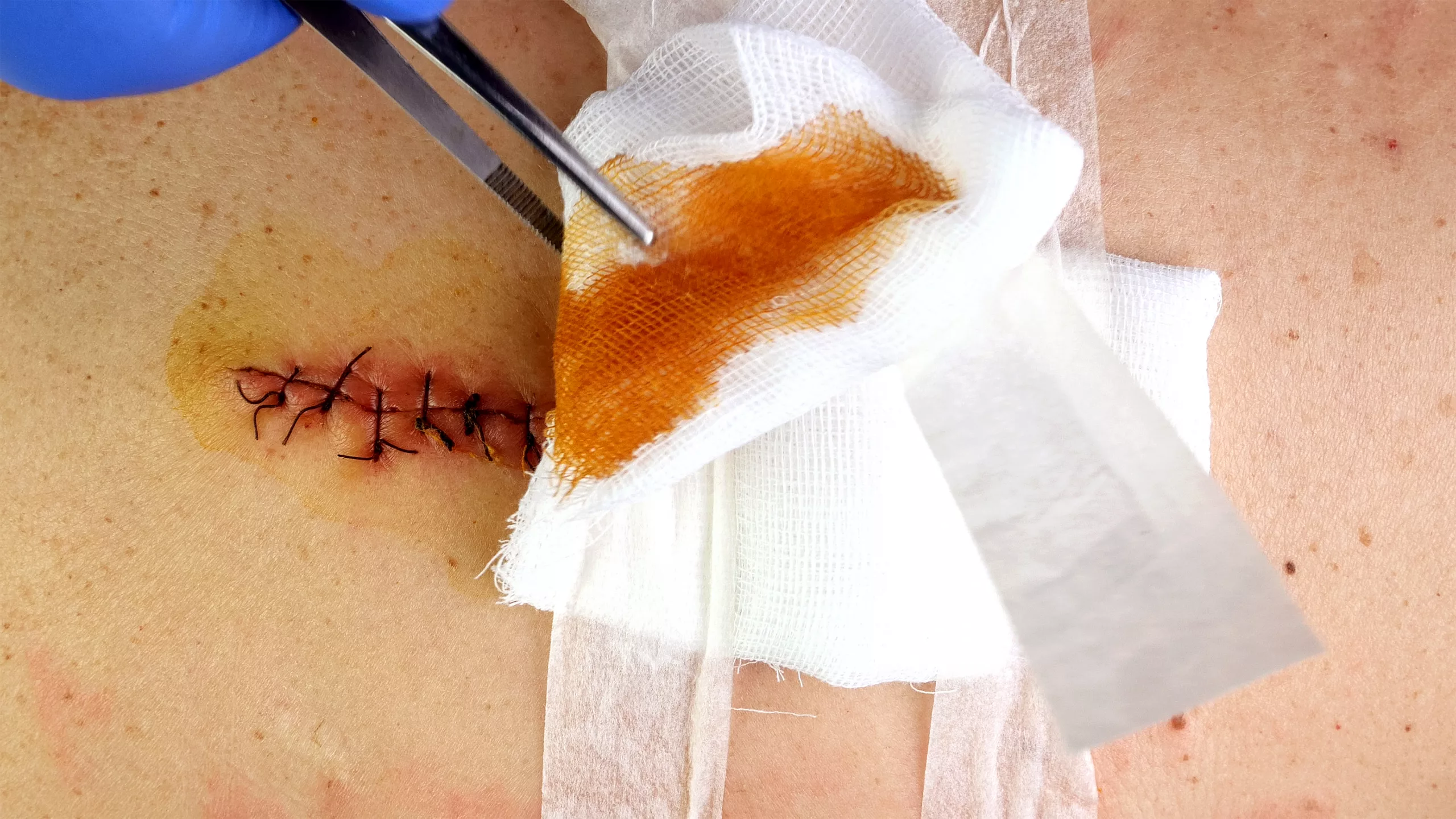
Healing is an important process for the body, as it allows injuries to heal and damaged tissue to be replaced with new healthy tissue. However, for the healing process to occur properly, it is important to follow some recommendations.
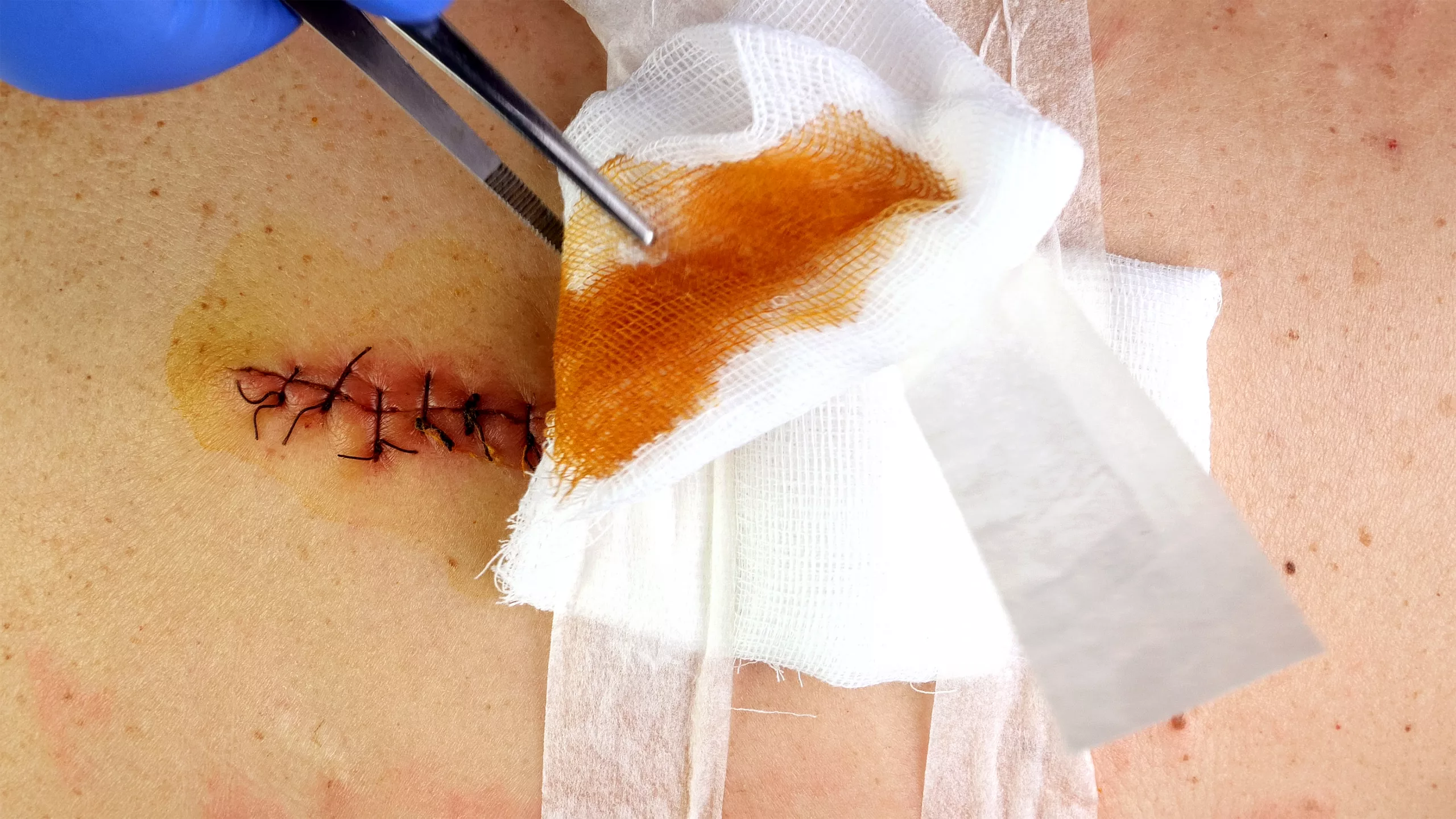
One of the main recommendations is to keep the wound clean. According to Dr. Amato, “no postoperative wound should be dirty and moist. Dressings can vary greatly from surgery to surgery, from surgeon to surgeon, from patient to patient. But a wound with discharge, in general, should be cleaned and have its dressing changed frequently.” He recommends using only saline solution, but in some cases, he allows the use of water and neutral soap. Furthermore, it is important to avoid the use of ointments and special dressings without medical guidance, as improper use can impair healing.
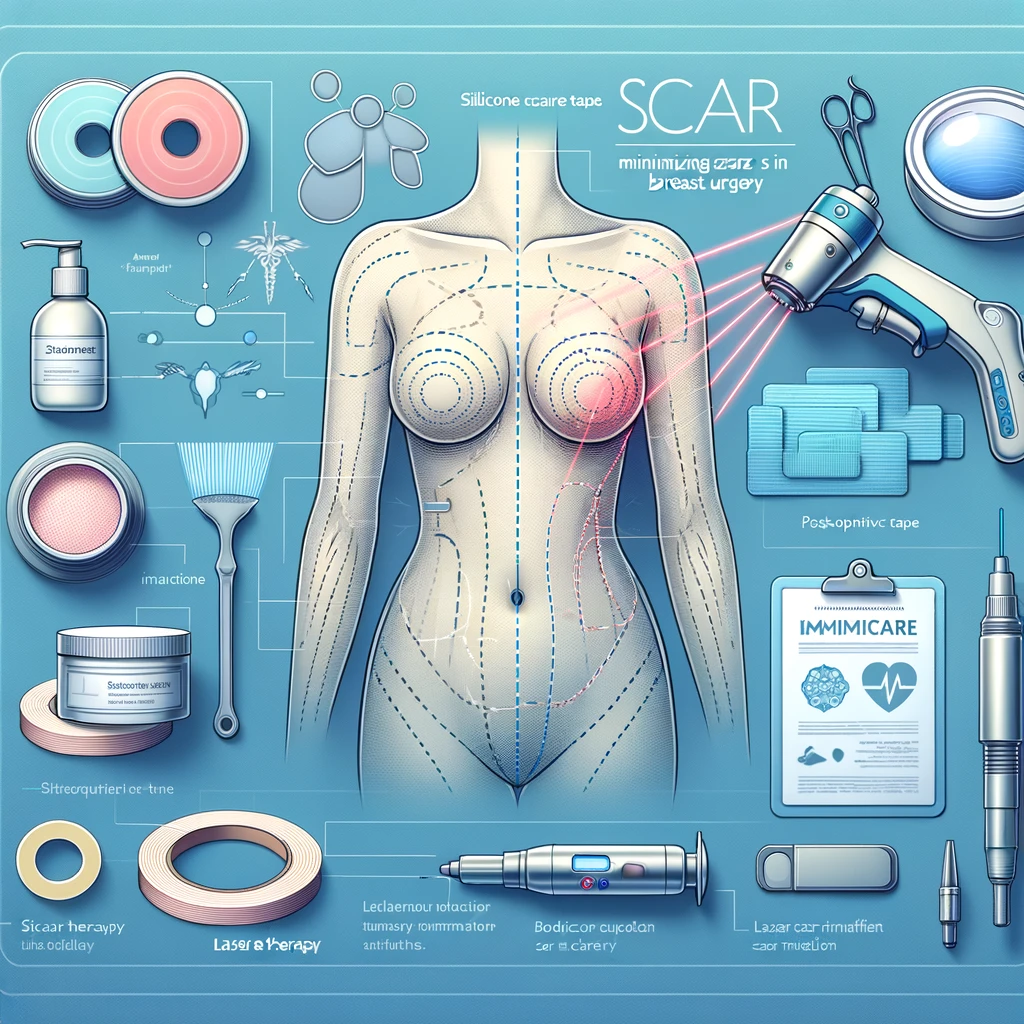
Another important recommendation is to maintain the hydration of the scar. According to Dr. Fernando, the scar needs an ideal environment to restore itself, and hydration is fundamental. He recommends using specific creams for this hydration, enriched with vitamins and substances that accelerate the healing process and skin restoration. Additionally, there are silicone sheets and gels that form a protective film and reduce moisture exchange with the environment, providing better healing.
Finally, it is important to avoid sun exposure, as the sun is one of the great villains of healing. Even before surgery, sun exposure can damage the skin and impair proper healing. In the postoperative period, the sun can cause hyperpigmentation, meaning the scar becomes darker. Therefore, it is recommended to use sunscreen and clothing
What is healing, and how does it happen?
Healing is the process by which the body recovers from an injury, whether physical or emotional. This process consists of three phases: inflammatory, proliferative, and remodeling. Each person may have a different healing process, as this is related to the type of injury and influencing factors, such as age, nutritional status, chronic diseases, drug therapy, and inadequate topical treatment.
Inflammatory phase:
The inflammatory phase is characterized by the presence of exudate (secretion), which lasts from one to four days, depending on the extent and nature of the injury. During this period, activation of the blood coagulation system and the release of chemical mediators occur, which may cause edema, redness, and pain.
Proliferative phase:
The proliferative phase is the regeneration phase, which can last from 5 to 20 days. In this phase, fibroblasts proliferate, giving rise to the process called “fibroplasia”. During this period, endothelial cells proliferate, resulting in rich vascularization and macrophage infiltration. This combination forms granulation tissue.
Remodeling phase:
The remodeling phase is the last phase of the process and can last for months. Cell density and vascularization are decreased, resulting in the remodeling of the scar tissue (formed in the previous phase). Fibers are realigned to increase tissue strength and improve the appearance of the scar. In this phase, the scar progressively changes its tone, going from dark red to a light pink.
What can help speed up healing?
There are some factors that can accelerate the healing process, such as keeping the body hydrated by drinking at least 2 liters of water a day, having a balanced diet with proteins, carbohydrates, and fats, and using certain dressings that promote an ideal environment for the development of granulation tissue and maintain natural moisture in the injured area.
On the other hand, some factors can interfere with the healing process, such as smoking, drug use, stress, diabetes, obesity, among others. Therefore, it is important that people pay attention to these factors that can
Questions about healing
What should I do to ensure good healing?
It is important to keep the wound clean and change the dressing frequently, moisturize the scar, and avoid sun exposure.
Is it safe to shower after surgery?
This may vary depending on the surgery and the doctor's instructions. In general, it is safe to shower a few days after surgery, as long as the wound is protected and clean.
Can I use any type of moisturizer on my scar?
No, it is important to use moisturizers specifically for scars, enriched with vitamins and substances that accelerate the healing process.
Can I expose my scar to the sun?
It is not recommended to expose the scar to the sun, as this can impair healing and cause hyperpigmentation.
Can I use ointments or creams without medical guidance?
It is not recommended to use ointments or creams without medical guidance, as improper use can impair healing.
Can I do physical exercises while my scar is healing?
This may vary depending on the surgery and the doctor's instructions. In general, it is safe to start light exercises a few days after surgery, but it is important to avoid exercises that may put pressure on the scar.
Can I use makeup on my scar?
This may vary depending on the surgery and the doctor's instructions. In general, it is safe to use makeup after a few days after surgery, as long as the wound is clean and protected.
How long does healing typically take?
The healing time can vary according to the extent and nature of the injury, as well as factors such as age, nutritional status, chronic diseases, and drug therapy. In general, the healing process can take from a few days to months.
What should I do if my scar swells or itches?
It is important to keep the scar hydrated and avoid scratching or picking at the scar. If these symptoms persist, it is recommended to consult a doctor to evaluate the appropriate treatment.
What should I do if my scar becomes raised or sunken?
It is important to keep the scar hydrated and avoid putting pressure on the scar. If these symptoms persist, it is recommended to consult a doctor to evaluate the appropriate treatment, such as the use of ointments, creams, pulsed light, or laser.

In this video, Dr. Fernando Amato, plastic surgeon at Instituto Amato, talks about how to achieve good healing
and everyone wants to know how to take care of
a scar and you
Watch this video until the end if you want to
have good healing
[Music]
Haha
are you enjoying my content and my
videos? So don't forget to
subscribe to our channel, hit that
bell, like, comment and share.
And before I start, I want to make it very
clear that these are the guidelines I
give to my patients, and each doctor has their
own guidelines. Furthermore, it may be
necessary to change the approach according
to the evolution of each scar, so
do not try to care for or treat your
scar without medical evaluation and guidance.
There are three principles that I like to
share with my patients that
interfere with good healing, and that is
cleanliness.
We know that an operative wound provides
a good healing process.
No operative wound likes to be
dirty and moist in the postoperative period.
And dressings can vary greatly from
surgery to surgery, from surgeon to
surgeon, from patient to patient.
But a wound with secretion, in general, should
be cleaned and should have the dressing changed
frequently.
Do not apply anything without your
surgeon's authorization.
Generally, I advise using only saline
solution, but in many cases, water and neutral soap are allowed.
Ointments and special dressings are expensive,
and improper use can indeed impair healing. Do not do anything without good
guidance.
12
hydration. After the perioperative wound
has already closed, it will remain in
the healing process for a while. It may become
red, it may become dark, it may itch,
it may hurt, it may become raised or sunken. All
these changes have a specific treatment
with ointments, creams, pulsed light,
and even laser. But there is a treatment that is
common to all of them: hydration. The skin
needs an ideal environment to restore itself, and hydration is fundamental.
Be careful, you cannot use just any
skin moisturizer; many were not
made for this and can even cause
dermatitis. There are specific creams
for this healing or even those that
can help. These creams can be
enriched with vitamins and substances
that accelerate this process of
healing and skin restoration.
It is important to know that there is no magic cream
that works for any and all
surgeries. Three,
sun protection. If you want to have a good
scar, do not expose it to the sun. The sun is one of the
great villains of any scar. Even
before a surgery, it can further wear down
the skin, even impairing proper healing,
and in the postoperative period,
it can really negatively influence
healing.
One of the most common consequences for a
scar that is not just from the scar is
hyperpigmentation.
And the scar becomes
darker. Even sunbathing on another
body region can interfere with healing.
So if you want to have a good
scar,
do not expose it to the sun, use sunscreen,
clothing with sun protection, stay in the shade, take
care of yourself, and there is no ideal time to
protect yourself from the sun. I always recommend
following your doctor's instructions, your
surgeon's instructions. That's all, I hope I have
helped. Thank you.
Related articles


Agendar consulta
Precisa de orientação personalizada?
Marque uma avaliação com o Dr. Fernando Amato e tire as suas dúvidas sobre cirurgia plástica.
Falar no WhatsApp