
- Diseases
Hypertrophic Scar
- January 1, 2023
- By Fernando Amato
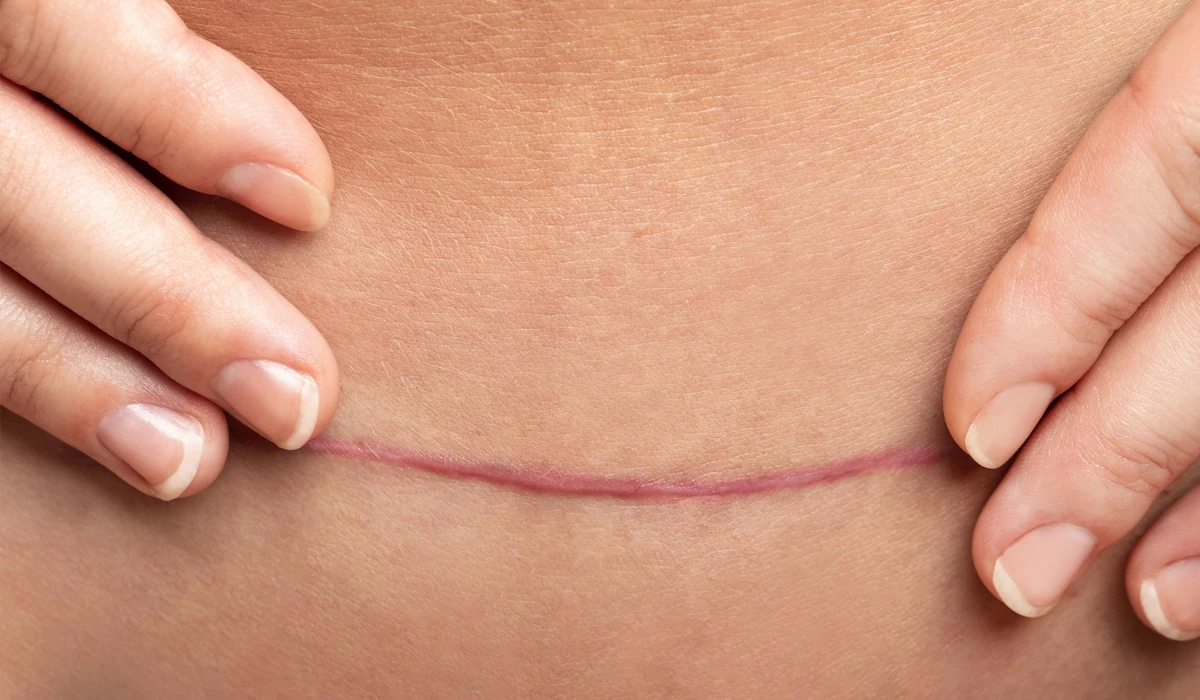
A hypertrophic scar develops when the skin tries to heal after an injury or surgery. It rises above the surrounding skin and may be dark, red, or purple.
Is a hypertrophic scar the same as a keloid?
Hypertrophic scars are different from keloid scars, which are even more elevated and can grow beyond the boundaries of the original wound.
How is a hypertrophic scar diagnosed?
First, to make a diagnosis, the doctor usually examines the scar and asks about the person’s history of injuries or surgeries. Then, in some cases, the doctor may perform a touch test to assess the scar's elasticity.
How is it treated?
There are several treatment options for hypertrophic scars, including:
-
Corticosteroids: medications that can be applied directly to the scar to help reduce swelling and redness.
-
Light therapy. Special lights are used to help diminish the appearance.
-
Surgery: in some cases, surgery may be necessary to remove excess scar tissue.
-
Compression: wearing a bandage or other type of compression over the scar can help reduce its size and thickness. This is done with a silicone sheet.
-
Silicone gel: applying a silicone gel directly to the scar can help diminish its appearance.
In short, consult a doctor for appropriate treatment for hypertrophic scars. They will be able to recommend the most suitable treatment for your specific case.

Related articles


Agendar consulta
Precisa de orientação personalizada?
Marque uma avaliação com o Dr. Fernando Amato e tire as suas dúvidas sobre cirurgia plástica.
Falar no WhatsApp