
- Surgeries, Face and Forehead
Blepharoplasty Simplified: What You Need to Know Before Surgery
- January 1, 2024
- By Fernando Amato
Blepharoplasty: Transformation and Beauty for the Eyelids
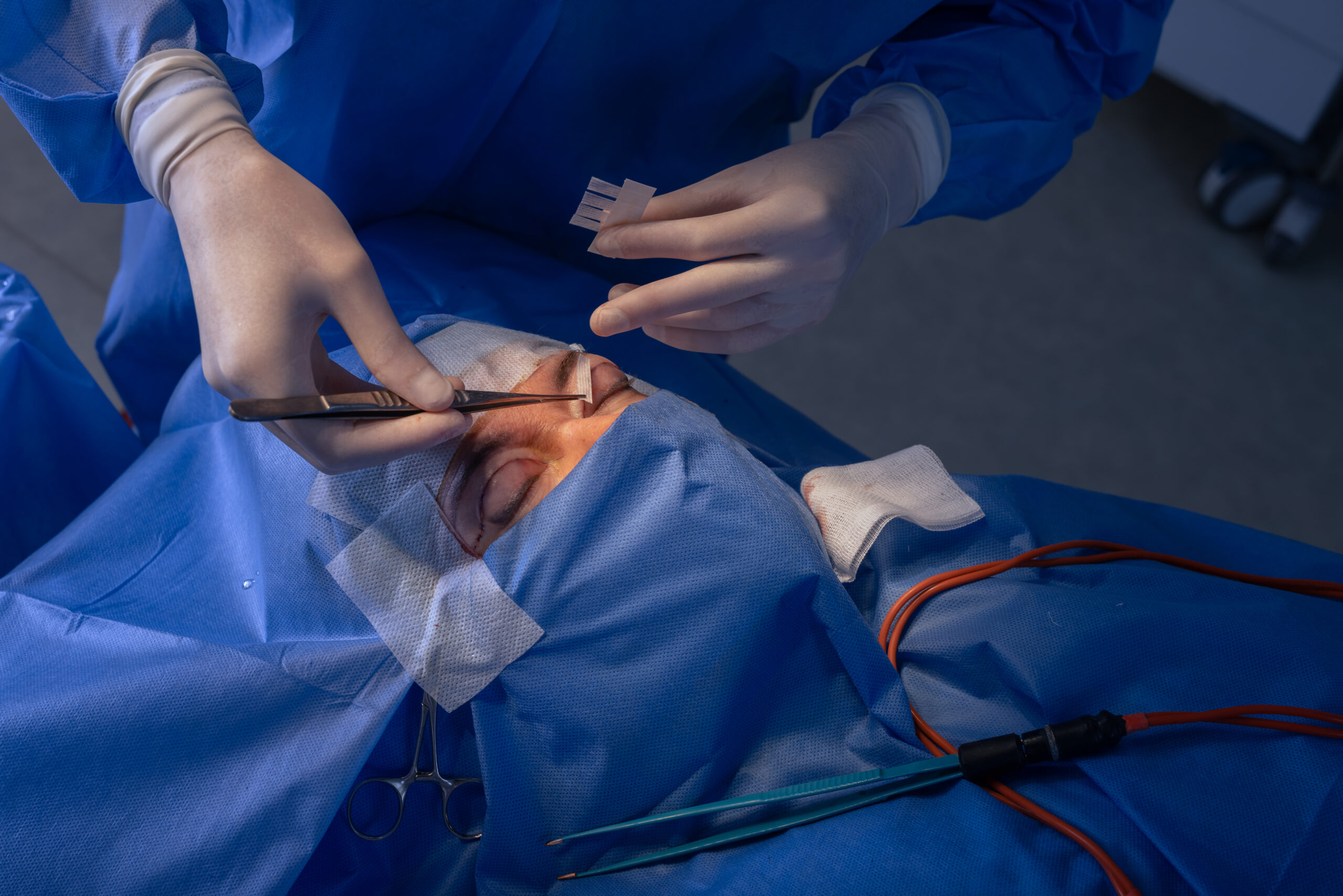
Blepharoplasty, also known as eyelid plastic surgery, is a surgical procedure with the main objective of correcting excess eyelid skin, also known as dermatochalasis, and may or may not be associated with repositioning the corner of the eye, correcting the lack or excess of periorbital fat, and repositioning the eyebrow. However, this excess skin occurs due to the decrease in collagen fibers in the eyelid region, giving the eyelid a more aged appearance. Thus, blepharoplasty is indicated for both aesthetic improvements and functional purposes, such as expanding the visual field affected by sagging eyelid skin.
Anatomophysiological Aspects and Benefits
The eyelids are complex structures, composed not only of skin, but also the orbicularis muscle, lacrimal gland, among other important parts. Blepharoplasty can not only improve the aesthetics of the eyes but can also benefit ocular health, especially in cases where peripheral vision is compromised by the laxity of the upper eyelids.
When to Consider Blepharoplasty
The decision for blepharoplasty is personal and should be made considering:
- Signs of Aging: Wrinkles and sagging that affect self-esteem.
- Vision Problems: Compromised peripheral vision.
- General Health: Importance of being in good physical condition for surgery.
- Impact on Self-Esteem: If changes in the eyelids affect your self-esteem and confidence.
Preparation and Procedure
Initially, before eyelid plastic surgery, it is essential to perform a comprehensive pre-operative evaluation, including general medical examinations and a detailed ophthalmological examination. Thus, it is important that the patient is aware of the risks involved and that the benefits of the surgery outweigh these risks.
Surgical Techniques
Furthermore, there are several blepharoplasty techniques, each adapted to the specific needs of the patient. These include upper and lower eyelid blepharoplasty, transconjunctival blepharoplasty, and other approaches such as canthopexy, orbicularis oculi muscle suspension, fat grafting, removal of fat bags, correction of ptosis, eyebrow repositioning (Brownlifting). The chosen technique depends on the objective of the procedure for each particular patient.
Post-Operative Care and Recovery
After surgery, it is crucial to follow post-operative care instructions and monitor any symptoms, such as edema or ecchymosis (bruising). Full recovery can take a few months, but generally, within 2 to 3 weeks, patients already show an appearance close to the final result.
Documentation and Communication
Thus, it is crucial that during the pre-operative process, all photographic documentation of the patient's face is made. Complementary examination proving alteration of the visual field when present. This assists in surgical planning and the legal protection of the physician. Furthermore, it is important to establish effective communication with the patient to align expectations and make them aware of the risks involved.
Conclusion
In summary, blepharoplasty is more than an aesthetic surgery; it can bring significant functional benefits and improve patients' quality of life. The key to a successful outcome lies in carefully choosing the timing for surgery, appropriate preparation, and selecting the most suitable surgical technique for individual needs.
10 Frequently Asked Questions and Answers About Blepharoplasty
- What is blepharoplasty?
- It is a plastic surgery to correct excess skin or fat in the eyelids.
- What are the main benefits of blepharoplasty?
- Aesthetic improvement of the eyes and enlargement of the visual field.
- When should I consider blepharoplasty?
- When there are signs of aging, vision problems related to eyelid laxity, or impact on self-esteem.
- What are the risks of blepharoplasty?
- Like any surgery, it involves risks, but they are generally low.
- What is the recovery process for blepharoplasty like?
- Full recovery can take a few months, but the appearance improves significantly in 2 to 3 weeks.
- Are there different blepharoplasty techniques?
- Yes, including upper and lower eyelid blepharoplasty, transconjunctival, among others.
- How do I prepare for surgery?
- A complete pre-operative evaluation, including medical and ophthalmological examinations, is essential.
- What care is needed after surgery?
- Monitor symptoms such as edema, follow medical instructions, and care for scarring.
- Can blepharoplasty improve my vision?
- Yes, especially if the laxity of the upper eyelids is affecting peripheral vision.
- How long does blepharoplasty surgery take?
- The procedure is relatively quick, varying according to the technique used.
- 🤔 Deciding on Blepharoplasty: Evaluate signs of aging and impact on vision.
- 🏥 Preparation for Surgery: Complete medical and ophthalmological evaluation.
- 🛠️ Surgical Techniques: Diverse options to meet individual needs.
- 🕒 Quick Recovery: Visible results in 2 to 3 weeks.
- 👁️ Visual Benefits: Improvement in peripheral vision and rejuvenation of the gaze.
Related articles


Agendar consulta
Precisa de orientação personalizada?
Marque uma avaliação com o Dr. Fernando Amato e tire as suas dúvidas sobre cirurgia plástica.
Falar no WhatsApp