- Plastic Surgery
Diet before and after plastic surgery
- May 9, 2026
- By Fernando Amato
How to organize your diet before and after plastic surgery to reduce avoidable risks and promote a more stable recovery, without unrealistic promises
Diet for those planning plastic surgery
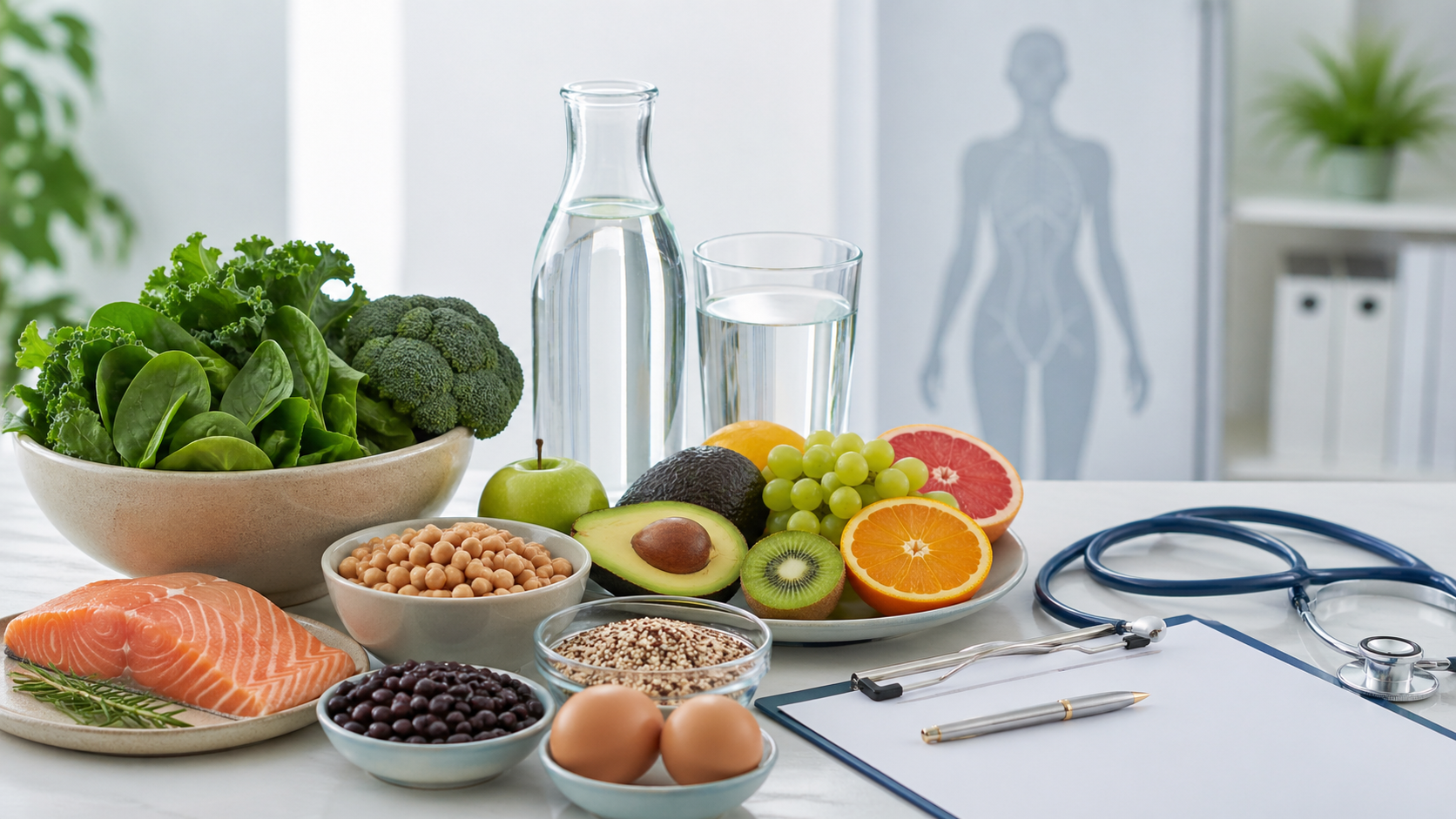
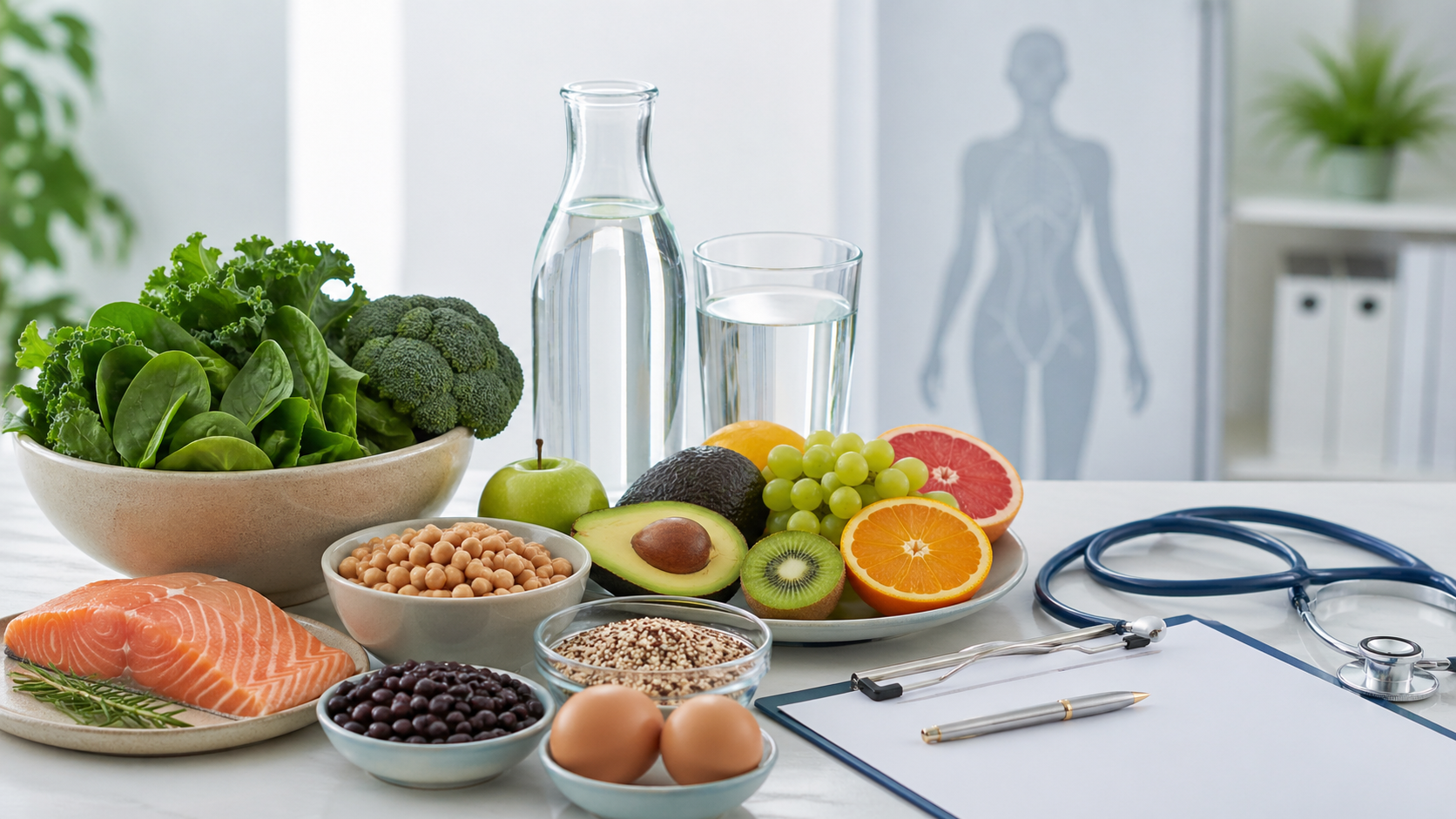
Diet for plastic surgery doesn't work miracles, but it is an important part of preparing the body for surgery and recovery. Eating well before the procedure helps maintain muscle mass, hydration, and nutritional reserves that participate in healing, inflammatory response, and gradual return to routine.
This does not mean following radical diets, taking many supplements, or “strengthening the body” with ready-made formulas. In practice, the most important thing is usually to correct excesses, avoid nutritional deficiencies, and arrive at surgery with a stable eating pattern. Perioperative nutrition guidelines, such as ESPEN, emphasize that nutritional status influences complications and recovery, especially when there is nutritional risk, prolonged fasting, or major surgery.
Why diet matters before surgery
Every surgery triggers a metabolic response in the body. The body begins to expend energy to deal with inflammation, repair tissues, and resume normal functions. If the person is already dehydrated, eating poorly, on a very restrictive diet, or deficient in protein and micronutrients, this recovery can be more difficult.
In plastic surgery, this deserves attention because wound healing depends on several factors simultaneously. In addition to surgical technique, nutritional status, control of diseases such as diabetes, smoking, sleep, hydration, and correct adherence to medical instructions also influence the outcome.
It is also important to understand a limit: an adequate diet reduces vulnerabilities, but does not eliminate risk. It does not replace clinical evaluation, exams, careful selection of surgical indication, or care with pre-operative and anesthesia.
What to prioritize in the diet for plastic surgery
Instead of thinking about a “perfect diet,” it’s worth organizing some pillars.
- Adequate protein throughout the day
- Good hydration
- Meals with fruits, vegetables, legumes, beans, cereals, and better quality fat sources
- Lower consumption of ultra-processed foods, alcohol, and excessive sugar
- Regular eating, without long periods of poor intake
Protein deserves special mention because it participates in tissue repair and muscle maintenance. Common sources include eggs, fish, chicken, lean meats, milk and yogurt, as well as beans, lentils, chickpeas, tofu, and other legumes. For those who eat little, have unintentionally lost weight, have low appetite, or are on a very restrictive diet, this step may require a more individual assessment.
Hydration is also often underestimated. Arriving at surgery inadequately hydrated does not help. The ideal is to maintain usual water intake and not use alcoholic beverages as if they were neutral for preparation. Post-operatively, hydration remains important for general well-being, bowel function, and food tolerance.
What errors are common during this period
One of the most frequent mistakes is trying to lose weight quickly in the weeks leading up to surgery. Very restrictive diets can reduce protein, iron, vitamin, and energy intake, precisely when the body needs more stable reserves.
Another mistake is to rely on supplements on your own. Not all vitamins, teas, “natural” capsules, or weight-loss products are harmless in the surgical context. Some compounds can interfere with coagulation, blood pressure, blood glucose, anesthesia, or perioperative medications. The NHS guidelines on preparing for surgery emphasize the importance of informing the team about all medications, vitamins, and herbal remedies being used.
It's also not a good strategy to compensate for a poor eating routine with a few days of “detox.” Plastic surgery does not combine with extremes. The best preparation tends to be simpler and more consistent.
How to establish an eating routine in the weeks before surgery
In the weeks leading up to surgery, the focus is usually on stability.
Try to maintain regular meals with a protein source at each main meal. Include vegetables, legumes, and fruits daily, not just occasionally. Use good quality carbohydrates, such as rice, oats, potatoes, cassava, beans, and less ultra-processed breads, within your routine and energy expenditure.
Fats are also included, but with a preference for olive oil, avocado, nuts, and seeds in portions compatible with the eating plan. It is not necessary to “zero out fat,” and this can even worsen the overall quality of the diet.
If the person is already receiving nutritional counseling, it is worth aligning the strategy in advance. If not, it is still possible to improve a lot with basic measures. The article on diet can help as general support, but the final decision must respect the type of surgery, associated diseases, and the surgeon's instructions.
Diet for plastic surgery for those who want to lose weight
This is a delicate point. Many people schedule surgery at the same time they want to lose weight. In some cases, reducing weight makes sense before the procedure. In others, insisting on rapid weight loss close to the operation date can be counterproductive.
The most prudent approach is usually to seek weight stability, especially in the final weeks, avoiding yo-yo dieting and significant restriction. When there is obesity, unplanned weight loss, suspected nutritional deficiency, anemia, poorly controlled diabetes, or use of medications that affect appetite and absorption, individual evaluation is even more important.
In other words: losing weight and having surgery can coexist, but this should not be done hastily or with a ready-made formula.
Pre-operative fasting: what diet should not do
A key point is not to invent your own fasting rules. The protocol varies according to the hospital, the time of surgery, anesthesia, and clinical conditions. ESPEN's guideline is against unnecessary prolonged fasting, but this does not authorize the patient to decide alone when they can eat or drink.
In practice, the safest recommendation is to follow exactly what your team has prescribed. Do not prolong or shorten fasting on your own.
When nutritional deficiency may need to be assessed
Not every patient needs extensive investigation, but some signs require greater attention:
- unintentional weight loss
- very reduced appetite
- very restrictive diets
- low protein intake
- known anemia
- major surgery
- intestinal, metabolic, or inflammatory diseases
- frequent alcohol consumption
- smoking
- history of poor wound healing
In these scenarios, preparation may include more targeted dietary adjustments and, in some cases, evaluation with a nutritionist and exams as deemed appropriate by the doctor. The logic is simple: recognizing vulnerabilities beforehand is usually better than trying to correct them only afterward.
And in the post-operative period, how does diet usually help?
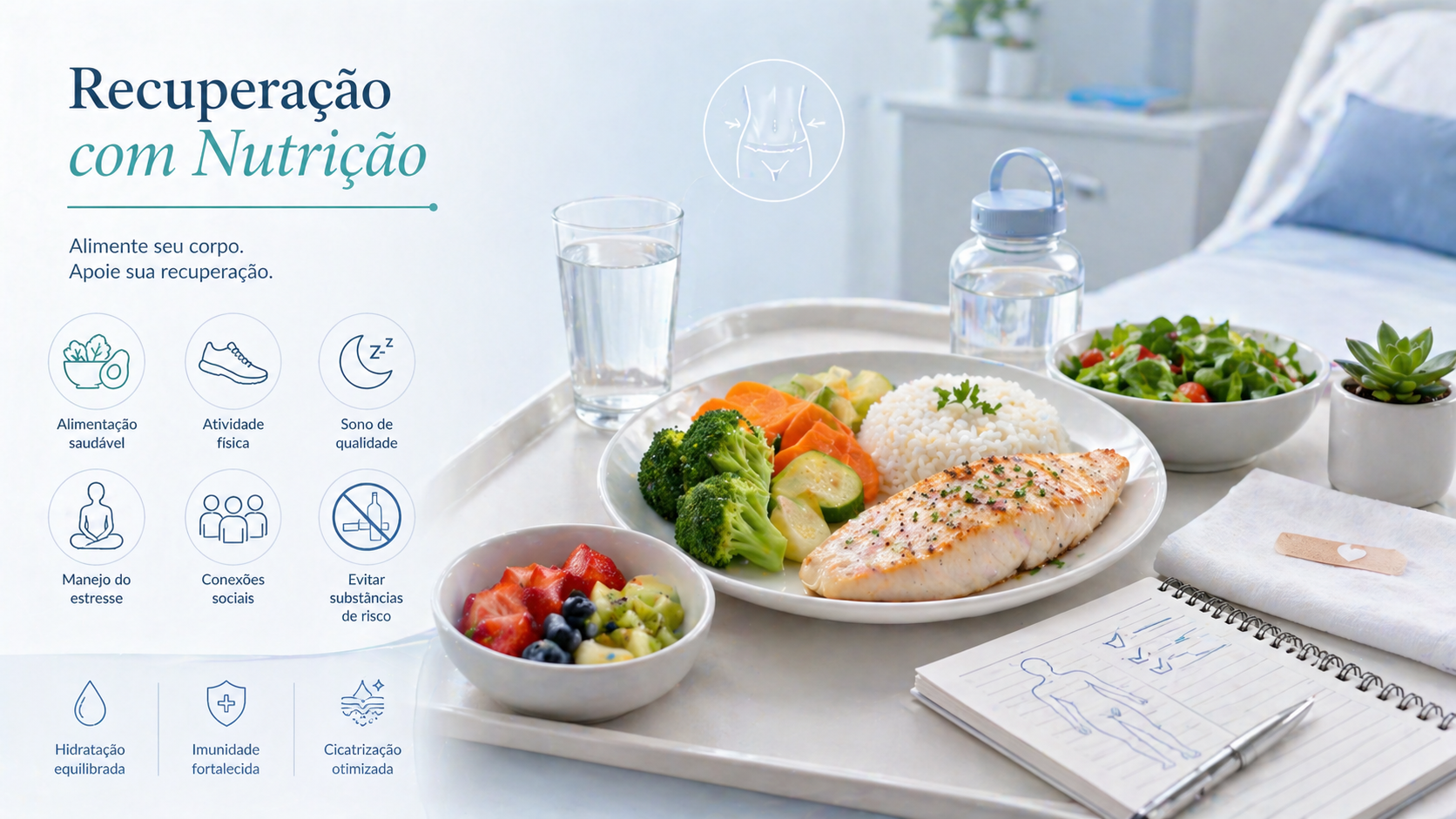
After surgery, diet remains relevant because the body is still in a repair phase. In general, the goal is to resume eating according to tolerance and medical guidance, prioritizing hydration and nutritious meals, with an emphasis on protein.
In the first few days, there may be less appetite, constipation, nausea, or discomfort. Therefore, smaller, more easily tolerated meals usually work better than large volumes. Soups with good nutritional density, yogurt, eggs, tender meats, well-prepared legumes, fruits, and simple meals are usually more helpful than “miracle” products.
If there are specific instructions for your surgery, they come first. This is especially true when associated with other clinical conditions, use of antibiotics, pain medications, or limited mobility.
Foods and habits that deserve caution
There is no universal list of “forbidden foods” for all plastic surgeries. Still, some points usually make sense:
- avoid excessive alcohol before and after surgery
- avoid detox diets, prolonged fasting, and laxative use without guidance
- reduce ultra-processed foods, especially when they replace real meals
- do not start supplements, thermogenics, or herbal remedies without informing the team
- pay extra attention if you have diabetes or glycemic changes
It's worth remembering that surgical preparation doesn't just depend on the plate. Sleep, smoking cessation, control of chronic diseases, and practical organization of recovery all count for a lot. The pre-operative tips help to view this preparation more comprehensively.
Diet for plastic surgery is not the same for everyone
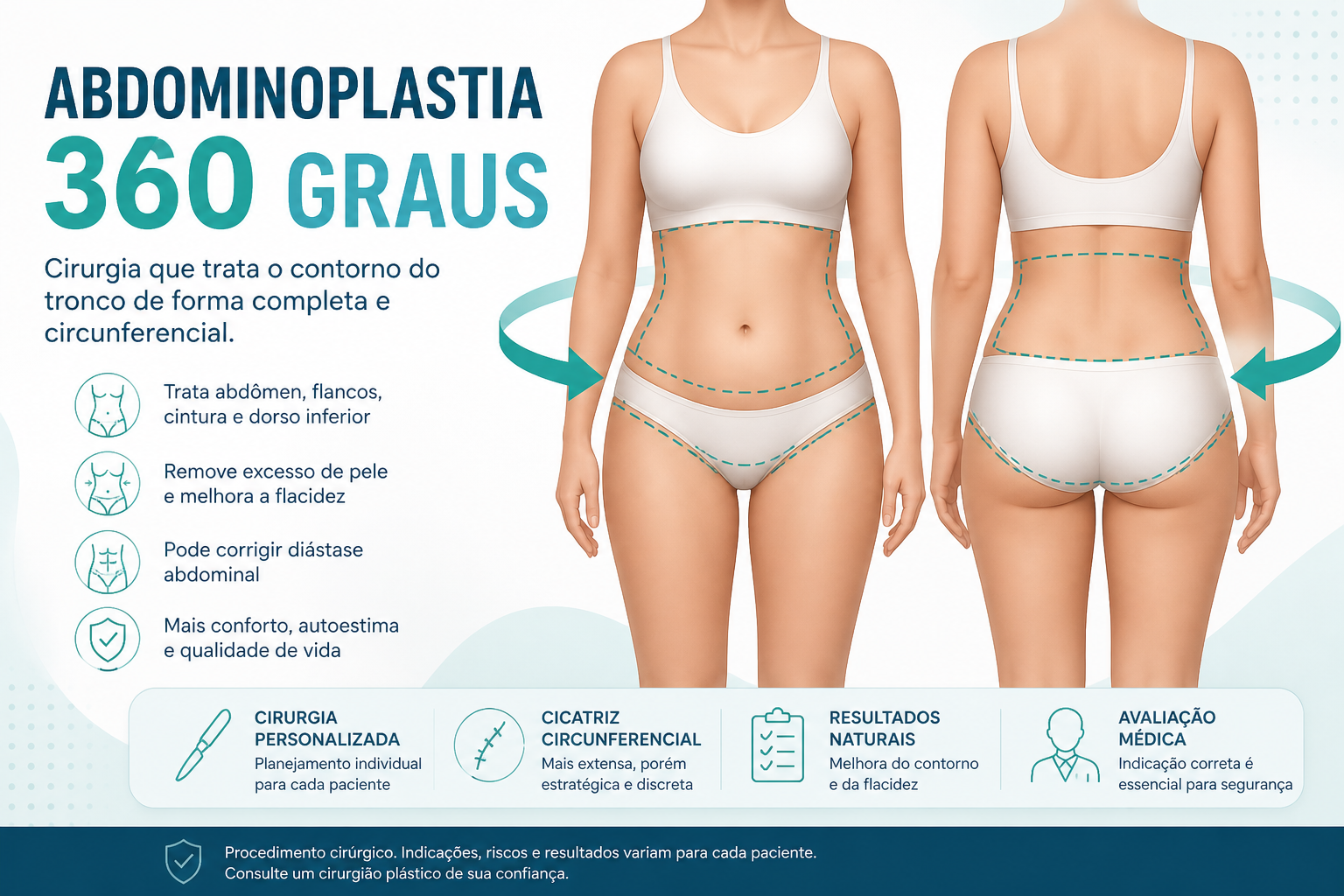
An abdominoplasty, a mammoplasty, and a rhinoplasty do not have exactly the same recovery impact, although they share general principles. Furthermore, age, body composition, presence of lipedema, diabetes, anemia, medication use, and lifestyle habits change the context.
Therefore, the best conclusion is not “eat this” or “forbid that.” The best conclusion is that an adequate diet should be sufficient, consistent, and compatible with your clinical condition. When there are real doubts about weight loss, supplements, fasting, anemia, protein, or glycemic control, individual assessment is indispensable.
Conclusion
Anyone considering plastic surgery does not need to look for a fad diet. They generally need to approach the procedure well-hydrated, eating regularly, with adequate protein intake, fewer excesses, and without improvised restrictions.
Diet for plastic surgery works best as part of responsible preparation. It helps the body go through surgery and recovery in better condition, but it must go hand in hand with medical evaluation, exams, anesthetic guidance, and correct post-operative follow-up.
FAQ
Does someone having plastic surgery need to take supplements?
Not always. Supplements are not mandatory for everyone and can even be inappropriate if used without criteria. They are usually considered when there is low intake, nutritional risk, or identified deficiency, always with professional guidance.
Does protein really make a difference in recovery?
It plays an important part in the healing process and muscle maintenance. This does not mean overdoing it or relying on whey protein, as many people can achieve adequate intake with common foods.
Can I go on a diet to lose weight right before surgery?
It depends on the context, but very restrictive diets close to the procedure date are usually a bad idea. In general, it is safer to seek dietary stability and avoid rapid weight loss without supervision.
Can teas, vitamins, and natural products be detrimental?
They can. Some products interfere with coagulation, blood pressure, blood glucose, or medications during the surgical period. Therefore, the team should know everything you use, even if it seems “natural.”
Does any food accelerate healing on its own?
There is no isolated food with that power. What helps is the combination: adequate protein, good hydration, a balanced eating pattern, and control of other clinical and behavioral factors.
Is it normal to lose appetite after surgery?
Yes, this can happen in the first few days. When it occurs, it is usually better to eat smaller, more frequent meals and prioritize liquids and nutrient-dense foods, respecting tolerance and medical instructions.
Do people with anemia or diabetes need extra care?
They do. These conditions can influence surgical safety and recovery, so they should not be treated as minor details. The ideal is to approach the procedure with adequate evaluation and control.
Related articles
Agendar consulta
Precisa de orientação personalizada?
Marque uma avaliação com o Dr. Fernando Amato e tire as suas dúvidas sobre cirurgia plástica.
Falar no WhatsApp