- Surgeries, Body, For Patients
Taping in plastic surgery
- February 27, 2023
- By Fernando Amato
Tape, taping or tapping?
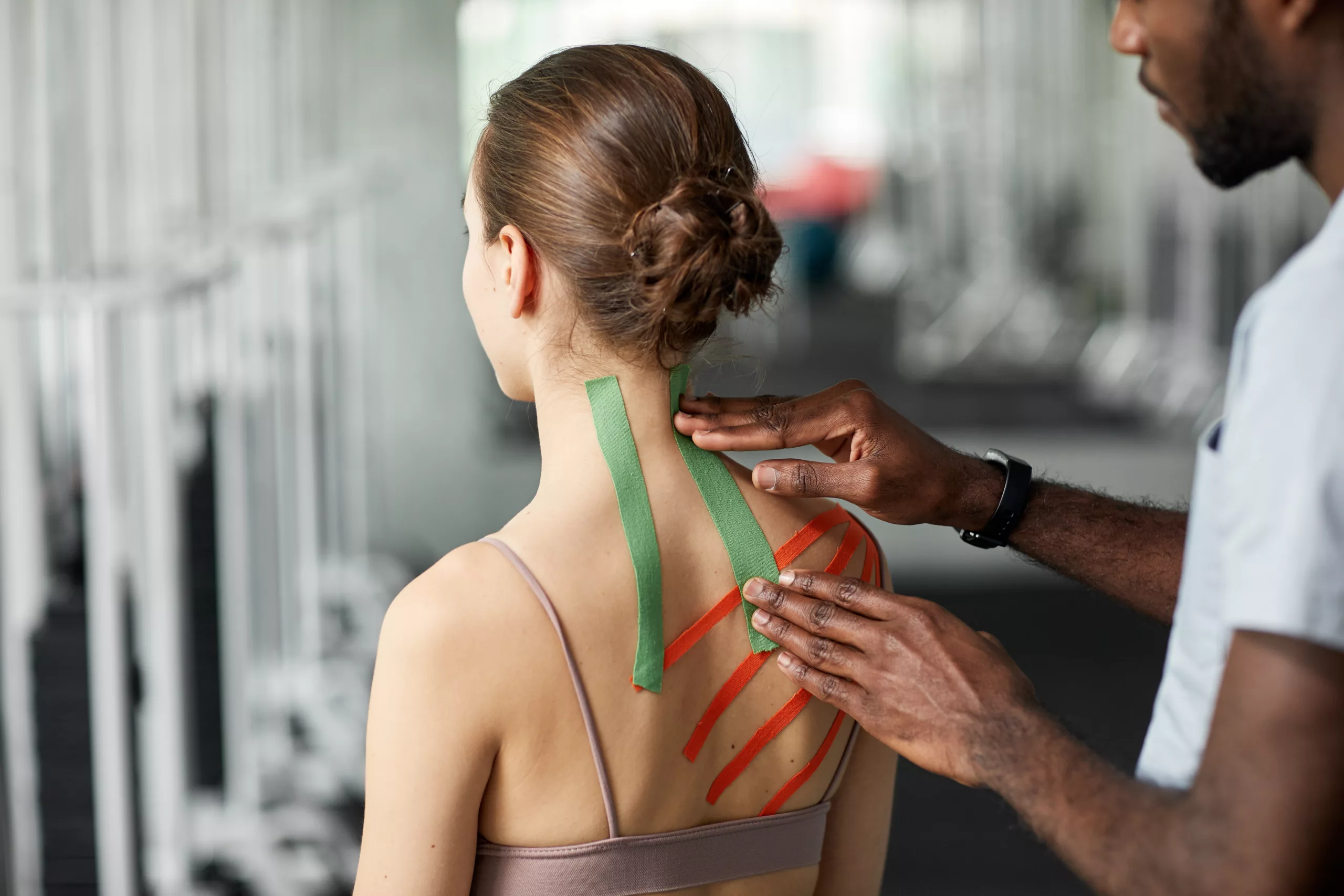
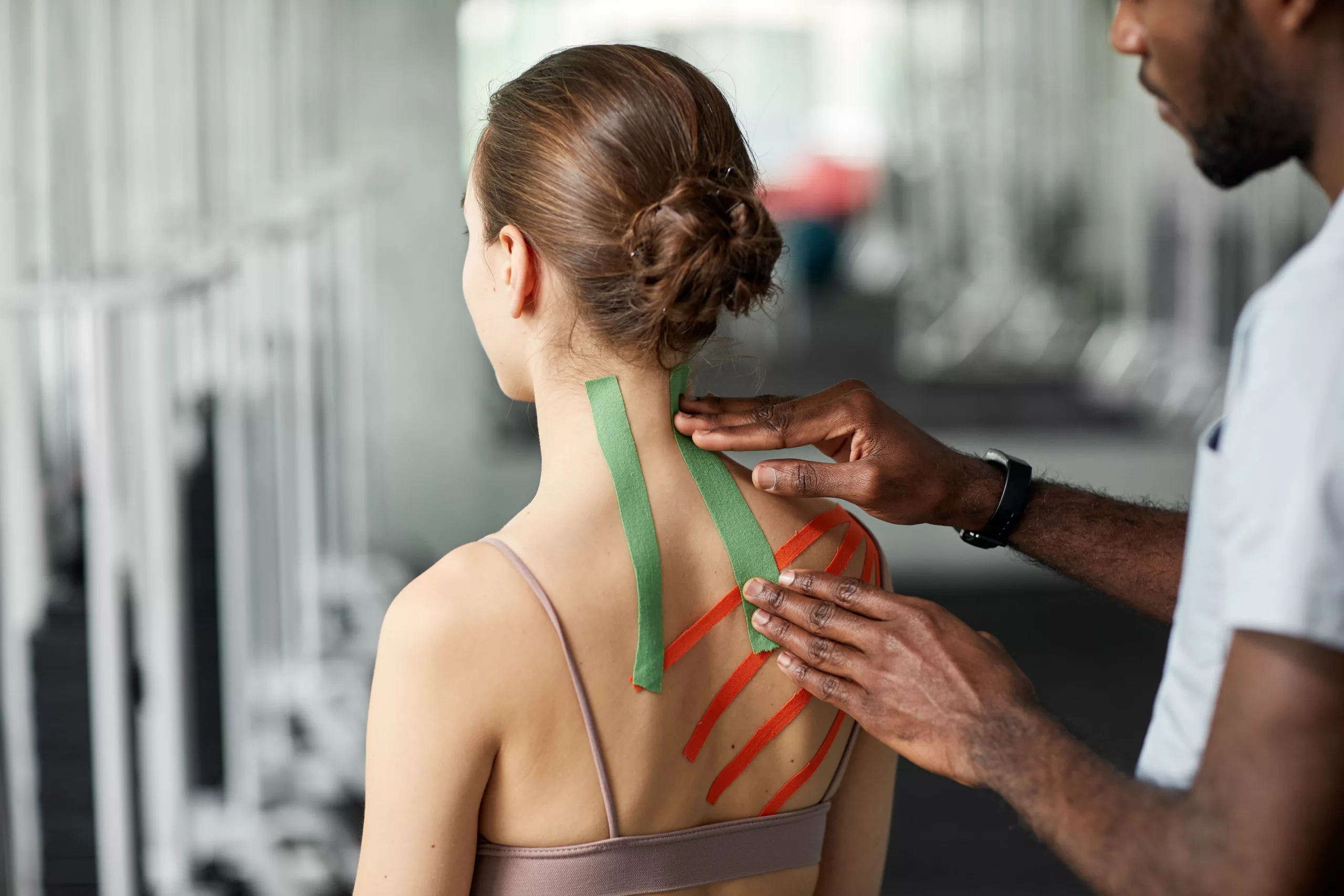
Both terms “tape” and “taping” can be used to refer to the technique of applying adhesive tapes to the skin in plastic surgery and in other fields of medicine. “Tape” is the English word for adhesive tape, and “taping” is the process of applying the adhesive tape. However, it is common to use the term “taping” to refer to the technique of applying adhesive tapes to the skin in medical procedures and physiotherapy.
What are the advantages of taping in plastic surgery?
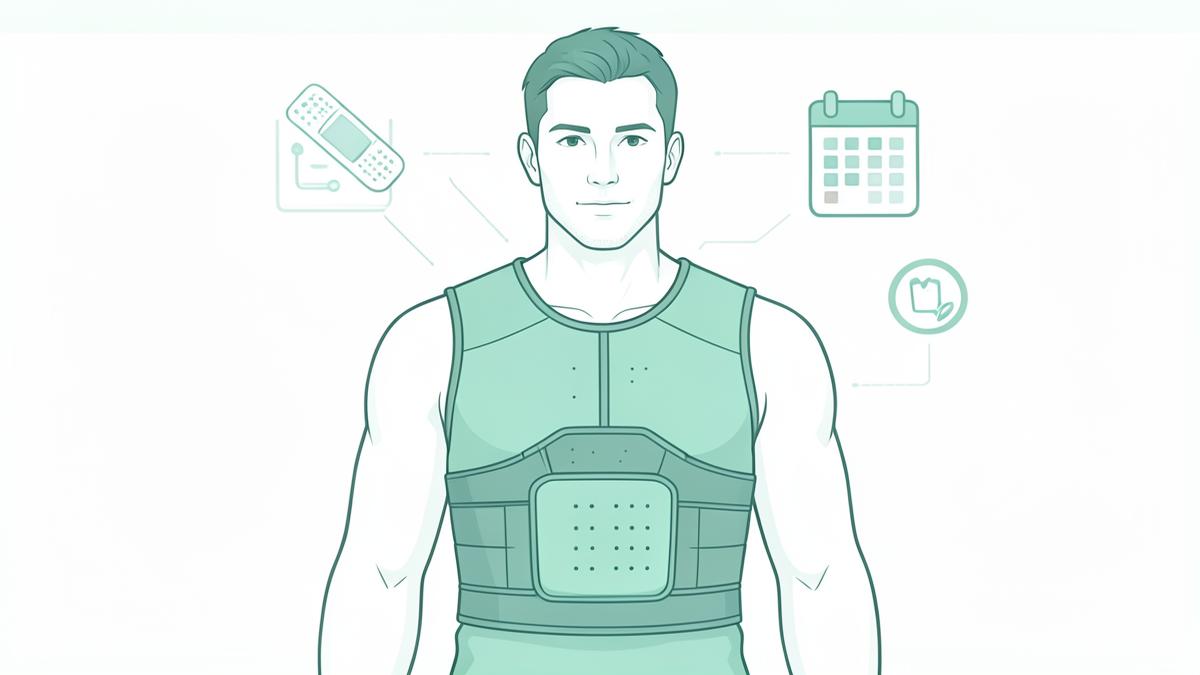
Taping is a commonly used technique in plastic surgery, which consists of applying special adhesive tapes to the skin after the surgical procedure. This technique offers several advantages that can contribute to a faster and more efficient recovery. Here are some of them:
-
Reduction of swelling: Taping can help reduce post-surgical swelling, which is one of the main complaints of patients after plastic surgery. Thus, the adhesive tapes applied to the skin compress the subcutaneous tissues, reducing the amount of fluid accumulated in the affected areas.
-
Improved scarring: Taping can also improve the appearance of post-surgical scars. The adhesive tapes provide a protective covering that keeps the affected area clean and protected against infections. Furthermore, the pressure exerted by the adhesive tapes can help align the incision edges, promoting healing.
-
Comfort: Taping can provide more comfort to patients during the recovery period. Additionally, adhesive tapes are soft and flexible, which reduces skin irritation and prevents friction with clothing or dressings.
-
Support: Taping can provide support to affected areas during recovery. Adhesive tapes can be applied to specific areas by medical professionals to help maintain tissue position and prevent displacement of implants, for example.
-
Reduction of bruises: Taping can help reduce the formation of bruises after surgery. Therefore, the pressure exerted by the adhesive tapes helps reduce blood flow to the affected area, which can prevent the formation of bruises and reduce the extent of those already existing.
In summary, taping is a simple and safe technique that can offer several advantages for patients recovering after plastic surgery. Furthermore, it can help reduce swelling, improve the appearance of scars, provide more comfort, offer support, and reduce the formation of bruises. Therefore, it is important to emphasize that a qualified professional must apply taping, following the specific instructions of the plastic surgeon, to ensure a safe and efficient recovery.
What are the risks of taping?
Although taping is a commonly used technique in plastic surgery and offers several advantages for recovering patients, as mentioned above, there are some risks associated with its use. Here are some of them:
-
Adhesive tapes can cause skin irritation, especially if left on for too long or if the patient has sensitive skin. This can cause redness, itching, burning, and even rashes.
-
Infections: Prolonged use of adhesive tapes can create a moist and stuffy environment on the skin, which can favor the growth of bacteria and lead to infections. It is important for the patient to keep the affected area clean and dry to avoid this risk of skin irritation.
-
Allergies: Some patients may be allergic to the material of the adhesive tapes, which can cause allergic reactions, including itching, swelling, and rashes. It is important to inform the plastic surgeon about any known allergies before using adhesive tapes.
-
Excessively strong application or prolonged use of adhesive tapes can cause skin damage due to the pressure exerted. This can lead to wounds, blisters, and even scars.
-
Reduced mobility: Taping can restrict mobility in specific areas of the body, which can make it difficult to perform daily activities, such as dressing and bathing.
However, a qualified professional must apply taping following the plastic surgeon's guidelines to ensure a safe and effective recovery, minimizing risks. Because you should communicate any discomfort or adverse reactions to the surgeon.
When is the best time to perform Taping?
Thus, the ideal time to perform taping in plastic surgery depends on the objective of the application and the type of surgery performed. Therefore, here are some general guidelines:
-
Doctors can apply tape immediately after surgeries that cause edema, such as abdominoplasty or liposuction, to reduce swelling and pain. They remove it after a few days.
-
Surgeons can apply tape to support the scar in surgeries that leave visible scars, such as breast augmentation or facelift, after the stitches are removed. The tape helps protect the scar and keep it flat, minimizing the scar's appearance.
-
Tape can be applied immediately after surgery in patients at higher risk of developing keloids, a raised and thick scar, to prevent their development.
In short, it is important to remember that tape application should be done by a trained and experienced professional. Furthermore, improper use of tape can lead to undesirable side effects, such as skin irritation, rash, and infection.
Related articles


Agendar consulta
Precisa de orientação personalizada?
Marque uma avaliação com o Dr. Fernando Amato e tire as suas dúvidas sobre cirurgia plástica.
Falar no WhatsApp