
- Diseases
Basal Cell and Squamous Cell Carcinoma: Protect Your Skin from Sun Risks ☀️
- May 3, 2024
- By Fernando Amato
The increasing incidence of cancer, especially basal cell carcinoma (BCC) and squamous cell carcinoma (SCC), highlights the urgent need for awareness about sun protection and the dangers associated with unprotected exposure. This article therefore explores the types, causes, prevention, and treatments of these common skin cancers, underlining the importance of early diagnosis for a favorable prognosis.
Understanding Types of Cutaneous Carcinoma 🧐
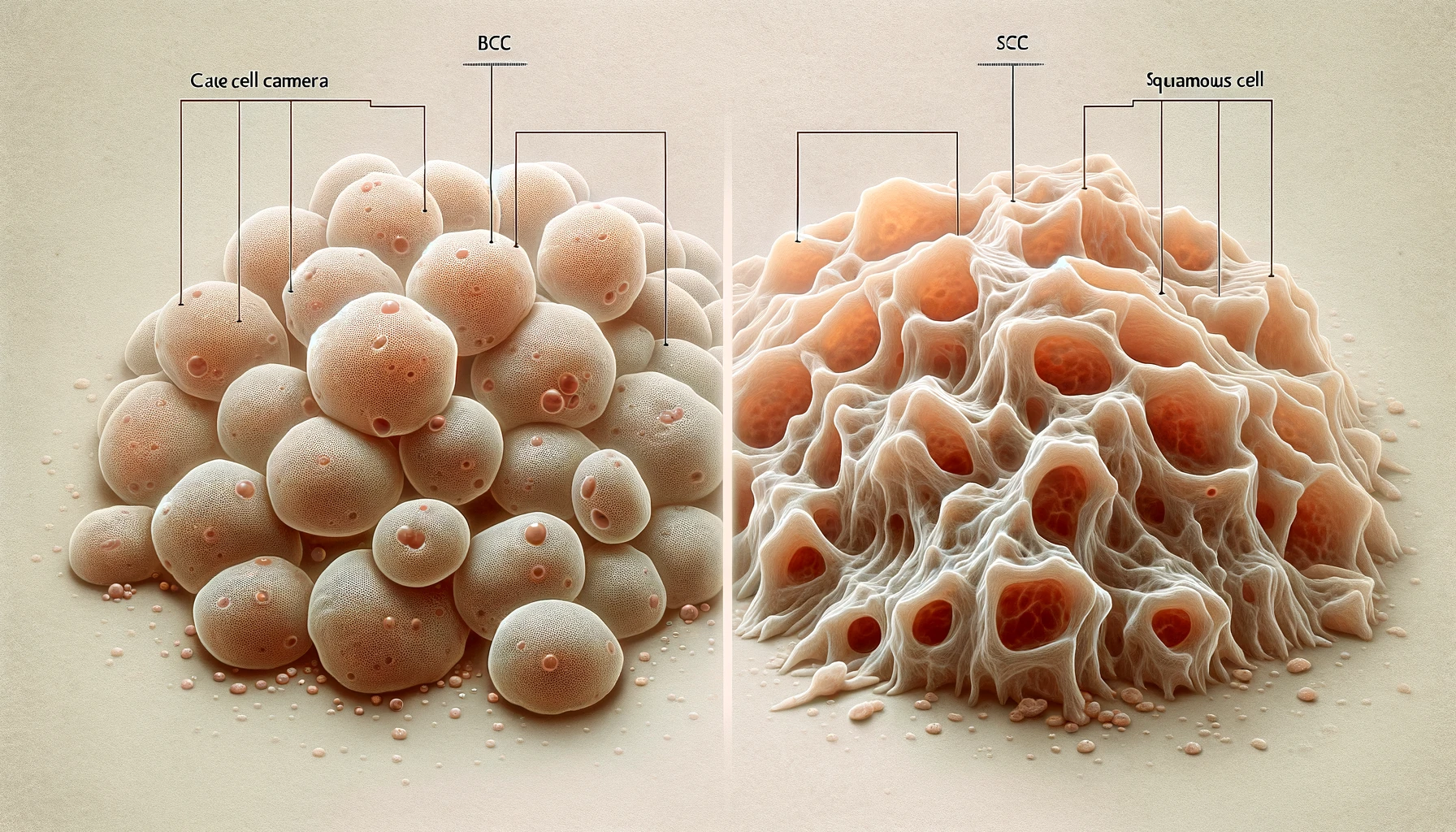
Basal Cell Carcinoma (BCC): This then, is the most frequent type of skin cancer, originating in the cells of the basal layer of the epidermis. However, generally related to sun exposure, it appears most commonly on sun-exposed areas, such as the face and neck. This carcinoma is known for its slow growth and low risk of metastasis【4†source】.
Squamous Cell Carcinoma (SCC): SCC develops from the squamous cells of the skin and is more aggressive than BCC. Although less common, it has a higher potential for metastasis, making immediate treatment essential. Sun exposure is a significant factor, but burn scars and exposure to chemical agents also contribute to its development.
Risk Factors and Prevention Strategies 🛡️
Preventing these carcinomas involves understanding and managing several risk factors:
- Sun Exposure: Ultraviolet radiation (UV) is the primary cause of DNA damage to skin cells, increasing the risk of cancer.
- Fair Skin: Individuals with fairer skin have less melanin and are more vulnerable to the harmful effects of the sun.
- Age: The risk increases with age due to the accumulation of sun exposure over the years.
- Genetic Predisposition: Conditions such as Xeroderma Pigmentosum and Gorlin Syndrome increase the risk of developing these carcinomas.
Preventive Measures:
- Sunscreen: Use of sunscreen with a high Sun Protection Factor (SPF) is crucial.
- Appropriate Clothing: Includes clothes that cover the skin and wide-brimmed hats.
- Avoid Peak Hours: Limit sun exposure between 10 AM and 4 PM.
- Dermatological Check-ups: Regular examinations to detect skin changes can save lives.
Available Treatments and the Power of Early Diagnosis 💉
For BCC, treatments can range from simple local procedures to more complex therapies, depending on the stage of the tumor. SCC, due to its metastatic potential, often requires more aggressive approaches, including surgery with wide margins and, in some cases, radiotherapy or chemotherapy.
Importance of Early Diagnosis:
- Self-examination and Vigilance: Regular skin monitoring is essential to detect early signs of cancer.
- Medical Consultation: In case of any suspicious changes, a consultation with a dermatologist should be prioritized.
Frequently Asked Questions
- What causes basal cell and squamous cell carcinoma?
- The main cause is prolonged sun exposure, but genetic factors and exposure to certain chemicals also contribute.
- How can I prevent skin cancer?
- Adequate sun protection, use of protective clothing, and avoiding sun exposure during peak hours are essential measures.
- Is all skin cancer serious?
- BCC generally has a very good prognosis with appropriate treatment, while SCC can be more serious due to its metastatic potential.
- What is the treatment for basal cell carcinoma?
- Includes excisional surgery, cryotherapy, and topical treatments, depending on the case.
- And for squamous cell carcinoma?
- Treatment usually involves surgery with wider margins, and may include radiotherapy or chemotherapy in advanced cases.
- How to identify signs of skin cancer?
- Look for new lesions or changes in existing lesions, especially those that do not heal, change color, shape, or size.
- Is there a more dangerous time of year for the skin?
- Yes, the summer months when UV radiation incidence is highest are particularly dangerous.
- Can children develop skin cancer?
- Yes, although less common, children can also develop skin cancer, especially if there is a genetic predisposition.
- Can I use makeup if I have cutaneous carcinoma?
- After healing and with medical approval, it is generally safe to use makeup, but it is essential to protect the area with sunscreen.
- When should I seek a doctor?
- If you notice any suspicious changes on your skin, consult a dermatologist immediately.
Call to Action: 📞 Schedule your consultation with Dr. Fernando Amato and ensure a professional evaluation. Take care of your skin, it deserves your attention!
Related articles


Agendar consulta
Precisa de orientação personalizada?
Marque uma avaliação com o Dr. Fernando Amato e tire as suas dúvidas sobre cirurgia plástica.
Falar no WhatsApp