- Plastic Surgery
What are the ideal clothes to wear on the day of and after plastic surgery?
- February 11, 2025
- By Fernando Amato
Choosing the ideal clothes to wear on the day of and during the postoperative period is essential to ensure comfort, practicality, and safety during recovery. The post-surgical period requires attention to details that can directly impact the healing process and your mobility. In this article, you will understand what the best clothing options are for the day of surgery and for the recovery period, as well as important tips to avoid discomfort or complications.
5 Article Highlights:
- ✅ Comfortable and easy-to-wear clothing is fundamental on the day of surgery.
- ✅ The use of compression garments is indispensable for certain surgeries.
- ✅ Light and breathable fabrics help prevent skin irritation.
- ✅ Complicated accessories, such as buttons or zippers on the back, should be avoided.
- ✅ Dresses or pajamas that open at the front are practical and recommended options.
What to wear on the day of surgery?
On the day of surgery, the main objective is to wear something practical and comfortable. During surgery, you will be under anesthesia, and the medical team will remove any clothing. However, you should carefully plan your clothes for arriving at the hospital or clinic and for wearing after the procedure.
Tips for choosing the ideal clothing:
1. Opt for loose clothing: Prefer blouses, dresses, or pajamas that are easy to put on and take off without needing sudden movements.
2. Front opening: Shirts or dresses with front buttons or zippers are the best options, especially for surgeries like mammoplasty (learn more about the surgery).
3. Comfortable fabric: Choose cotton clothes or breathable fabrics that will not irritate sensitive skin.
4. Avoid difficult accessories: Small buttons, back zippers, or tight clothing can cause discomfort.
5. Practical footwear: Wear flip-flops or slip-on shoes that are easy to put on.
Clothes for the immediate postoperative period
After surgery, the body will be more sensitive, and mobility may be limited depending on the procedure performed. Therefore, specific and appropriate clothing makes all the difference.
Characteristics of postoperative clothing:
- Loose and light: Choose loose clothing to avoid pressure on operated areas and friction with dressings.
- Easy to wear: Front-opening blouses and pajamas are ideal to avoid raising your arms, which may be restricted after chest surgeries, such as mastopexy (learn more about mastopexy).
- Soft fabrics: Choose pieces made of cotton or hypoallergenic fabrics that respect skin sensitivity.
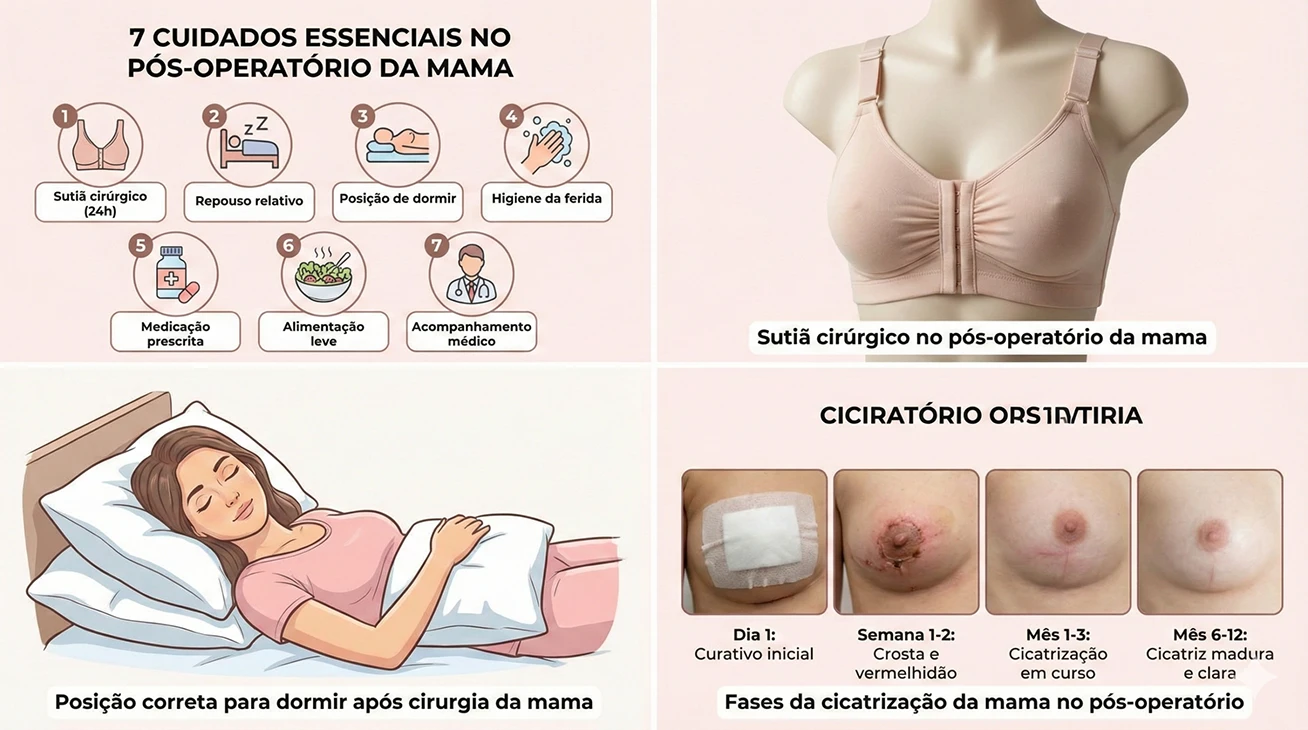
- Surgical compression garments: For procedures such as abdominoplasty or liposuction, use the compression garments that the surgeon indicates. Thus, they help control swelling, shape the region, and promote healing.
- Seamless or tagless: Avoid pieces with thick seams or tags that may irritate the skin.
Care with compression garments
Compression garments, however, are indispensable in many types of plastic surgery, such as liposuction, abdominoplasty, and body contouring procedures. Manufacturers design these garments to provide support to operated areas, reduce swelling, and aid in healing.
Tips for correct use:
1. Make sure the garment is the correct size, avoiding excessive compression or looseness.
2. Use as directed by your doctor, usually for 6 to 8 weeks, depending on the surgery.
3. Clean the garment frequently to avoid skin irritation or infection.
4. Wear the garment over a thin cotton layer to avoid direct discomfort.
What to avoid during the postoperative period?
Some choices, however, can compromise your recovery or cause unnecessary discomfort. See what you should avoid:
- Tight clothing: Clothes that compress the operated area can interfere with circulation and hinder healing.
- Synthetic fabrics: Avoid fabrics that do not allow perspiration, such as polyester, as they can irritate the skin and cause itching.
- Clothes that require sudden movements: Avoid dresses without openings or blouses that you need to pull over your head, especially after chest or arm surgeries.
- Complicated shoes: Sneakers with laces or boots are more difficult to put on and should be replaced with easy-to-wear footwear.
How to prepare for the postoperative period in advance?
Prior organization is an important factor to ensure a calmer postoperative period. Some tips include:
1. Separate your clothes before surgery: Choose practical pieces and keep them accessible in a nearby place.
2. Prepare the environment: Set up a comfortable place to recover, with everything you will need close at hand, such as medications, water, and a remote control.
3. Talk to your surgeon: He or she can recommend specific clothing or accessories for the type of surgery performed.
How long should I wear specific clothing?
The duration of wearing specific clothing, such as compression garments, varies according to the procedure and medical guidelines. In general:
- For body surgeries, such as liposuction or abdominoplasty, the compression garment may be worn for 6 to 8 weeks.
- In cases of mammoplasty, compression clothing may be indicated for about 4 to 6 weeks.
- After the initial period, you can gradually return to wearing normal clothes, but avoid very tight clothing for up to 3 months.
Conclusion
In short, choosing the right clothes for the day of and after plastic surgery is essential for your recovery. Remember, therefore, to prioritize comfort, practicality, and follow your surgeon's instructions. Therefore, planning ahead and investing in appropriate pieces, such as compression garments, can make all the difference in your well-being and the success of the surgery.
Thus, if you are preparing for surgery or have questions, get in touch and schedule a consultation with Dr. Fernando Amato, a plastic surgery specialist, to ensure the best care before, during, and after the procedure.
Frequently Asked Questions
1. Can I wear jeans after plastic surgery?
It is best to avoid jeans or rigid clothing during the first few weeks of recovery, as they can compress the operated areas.
2. How long should I wear the compression garment?
The time may vary, but it is generally 6 to 8 weeks, as directed by your doctor.
3. What type of pajamas are recommended after surgery?
Front-opening pajamas, made of cotton, are ideal for greater comfort and ease of dressing.
4. Is it allowed to wear underwire bras after mammoplasty?
No, underwire bras should be avoided until medical clearance, as they can cause pressure on the scar.
5. Should I buy specific clothes before surgery?
Yes, it is recommended to have practical, loose, and easy-to-wear clothes ready before the procedure.
6. What if the compression garment is too tight?
Inform your doctor immediately, as excessive compression can impair circulation.
7. What is the best type of footwear after surgery?
Flip-flops or slip-on shoes are the most recommended.
8. Can synthetic fabrics hinder healing?
Yes, they can cause irritation and hinder perspiration, compromising recovery.
9. Do I need to wear the compression garment even while sleeping?
In most cases, yes, especially in the first few weeks, but follow your surgeon's recommendations.
10. Can I wear tight clothes after 1 month of surgery?
Avoid very tight clothing until your doctor clears it, usually after 2 to 3 months.
Keywords
#plasticsurgery #postoperative #compressiongarments #mammoplasty #recovery
Related articles

Agendar consulta
Precisa de orientação personalizada?
Marque uma avaliação com o Dr. Fernando Amato e tire as suas dúvidas sobre cirurgia plástica.
Falar no WhatsApp