- Plastic Surgery
What is RHINOPHYMA?
- April 9, 2023
- By Fernando Amato
Rhinophyma: what it is and how it can be treated
Do you know what rhinophyma is? Rhinophyma is a skin condition that affects the nose, causing chronic inflammation in the tissues and changes in the color, texture, and vascularization of the nose. The condition is caused by seborrhea and abundant bacteria, which lead to congestion of the dermal blood vessels, resulting in hyperplasia and hypertrophy of the nose's sebaceous glands.
However, rhinophyma is more common in white men aged between 50 and 70 and is considered the most severe form of acne rosacea (type III). Possible triggering factors include alcoholism, genetic predisposition, steroids, sun exposure, heat, and emotional factors.
Rhinophyma symptoms
Rhinophyma symptoms therefore include a bulbous nose, lobules, nodular lesions, fibrosis, erythema, telangiectasias, skin thickening, sebaceous hyperplasia, and dilated pores. Rhinophyma can also coexist with basal cell carcinoma, making accurate diagnosis and treatment even more important.
Thus, in the initial phase of the condition, rhinophyma treatment may include the use of neutral soap, keratolytics, antibiotics, and retinoids. In more advanced cases, surgical treatment may be necessary, including dermabrasion, electrocautery, scalpel excision, decortication, cryosurgery, and laser of CO2. It is important to emphasize that recurrence of rhinophyma is extremely rare.
Finally, rhinophyma is a skin condition that can significantly affect a patient's appearance and self-esteem. It is important to seek medical help at the first sign of symptoms to ensure an accurate diagnosis and appropriate treatment to prevent complications and recurrences.
Domenico Ghirlandaio
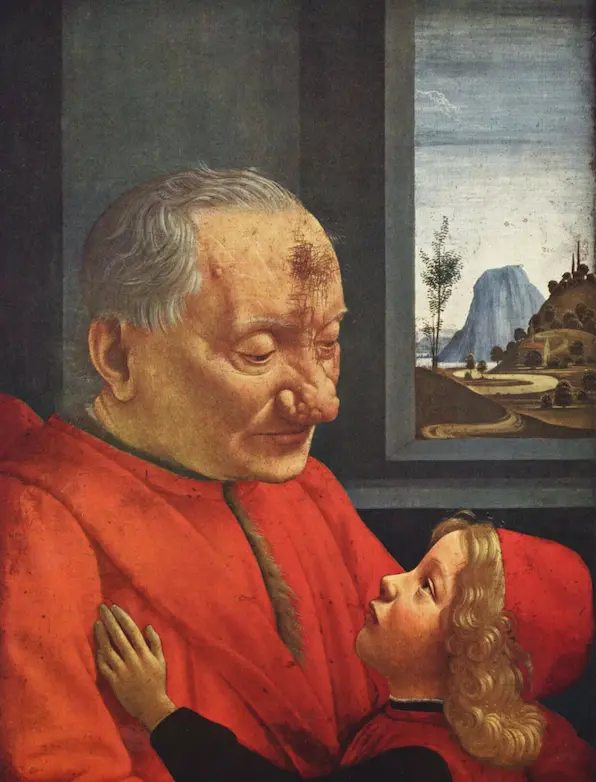
Domenico Ghirlandaio was an Italian Renaissance painter from the 15th century known for his masterpieces, such as the Sassetti Chapel in Florence. He is also known for portraying his figures with great realism and precision, which may have included the representation of individuals with rhinophyma in his paintings.
Some art experts suggest that Ghirlandaio may have suffered from rhinophyma, as he depicted himself in some of his works with a prominent and bulbous nose, which can be a sign of the condition. Additionally, some models in his paintings also exhibit facial features suggesting the presence of rhinophyma.
Finally, it is important to emphasize that the diagnosis of this skin condition can be made by a dermatologist or a specialized plastic surgeon. These professionals can evaluate the appearance of the nose, the patient's symptoms, and, if necessary, perform a biopsy to confirm the diagnosis.
Nevertheless, the possibility that Ghirlandaio portrayed individuals with this skin condition in his works is an example of the realism and precision with which he represented human figures, and it can also help raise awareness about the condition.
Other names and nicknames for Rhinophyma
It is known by different popular names, such as "potato nose," "bulbous nose," or "cauliflower nose." These terms are often used due to the physical characteristics of the condition, which include a significant increase in the thickness of the skin of the nose, resulting in a bulbous or cauliflower-like appearance.
Although these terms may be used colloquially, it is important to emphasize that an accurate diagnosis of rhinophyma can only be made by a medical professional specializing in dermatology or plastic surgery. Rhinophyma is a serious medical condition and requires appropriate treatment to prevent severe complications.
Furthermore, it is important to highlight that rhinophyma is a rare complication of acne rosacea and can affect individuals of any gender and ethnicity, but it is more common in middle-aged men. Risk factors include a family history of acne rosacea, excessive sun exposure, and alcoholism.
Therefore, it is essential that patients with suspected rhinophyma seek specialized medical attention to obtain an accurate diagnosis and appropriate treatment. Treatment may involve topical or oral medications, laser therapy, and surgery, depending on the severity of the condition.
Relationship between Acne Rosacea and Rhinophyma
Acne rosacea is a chronic inflammatory condition that primarily affects the skin of the face, especially the central region, including the cheeks, nose, forehead, and chin. This condition can cause redness, swelling, pustules, and telangiectasias (visible blood vessels on the skin's surface).
Acne rosacea can lead to rhinophyma, a condition in which the tissue of the nose becomes thick and bulbous. Although it is a rare complication of acne rosacea, it is estimated to affect up to 10% of patients with severe and untreated acne rosacea.
It is believed to be caused by changes in the blood vessels and sebaceous glands of the nose, which lead to increased production of fibrous tissue. Furthermore, the presence of bacteria, such as Helicobacter pylori, may also be involved in the development of rhinophyma.
Thus, rhinophyma treatment generally involves a multidisciplinary approach, which may include topical or oral medications, laser treatments, and surgery. Early diagnosis and appropriate treatment of acne rosacea can prevent the development of rhinophyma.
Therefore, it is important for patients with severe acne rosacea and symptoms of rhinophyma to seek a specialized dermatologist or plastic surgeon for proper evaluation and treatment.
What are the symptoms of rhinophyma?
Symptoms include an increase in the thickness of the skin of the nose, changes in texture and appearance, such as a bulbous or cauliflower-like appearance. Redness, dilated blood vessels, and enlarged sebaceous glands may also occur.
What is rosacea?
Rosacea is a common dermatological condition that causes persistent facial redness, swelling, dilated blood vessels, pimples, and itching.
Can rosacea cause rhinophyma?
Yes, rhinophyma is a rare complication of rosacea. It generally occurs in patients who have untreated or uncontrolled rosacea for a long period.
What are the risk factors for developing rosacea?
Risk factors include family history, excessive sun exposure, alcohol consumption, spicy foods, extreme temperatures, and emotional stress.
What treatments are available for rosacea?
Treatments include topical or oral medications, laser therapy, and lifestyle changes, such as avoiding spicy foods and alcohol and limiting sun exposure.
What treatments are available for rhinophyma?
Treatments include topical or oral medications, laser therapy, and surgery, such as dermabrasion, electrocautery, scalpel excision, decortication, cryosurgery, and CO2 laser.
How is rhinophyma diagnosed?
Rhinophyma is diagnosed by a dermatologist or plastic surgeon through physical examination and medical history.
Is rhinophyma dangerous?
While rhinophyma is not dangerous, it can cause significant changes in the appearance of the nose and affect patients' self-esteem. Additionally, rhinophyma can be a sign of untreated rosacea, which can lead to more serious complications.
How can I prevent rosacea?
Preventive measures include daily sunscreen use, avoiding foods and drinks that trigger rosacea, reducing emotional stress, and seeking medical treatment immediately if you notice signs of rosacea.
Related articles

Diet before and after plastic surgery

Healthy diet in plastic surgery post-op
Agendar consulta
Precisa de orientação personalizada?
Marque uma avaliação com o Dr. Fernando Amato e tire as suas dúvidas sobre cirurgia plástica.
Falar no WhatsApp