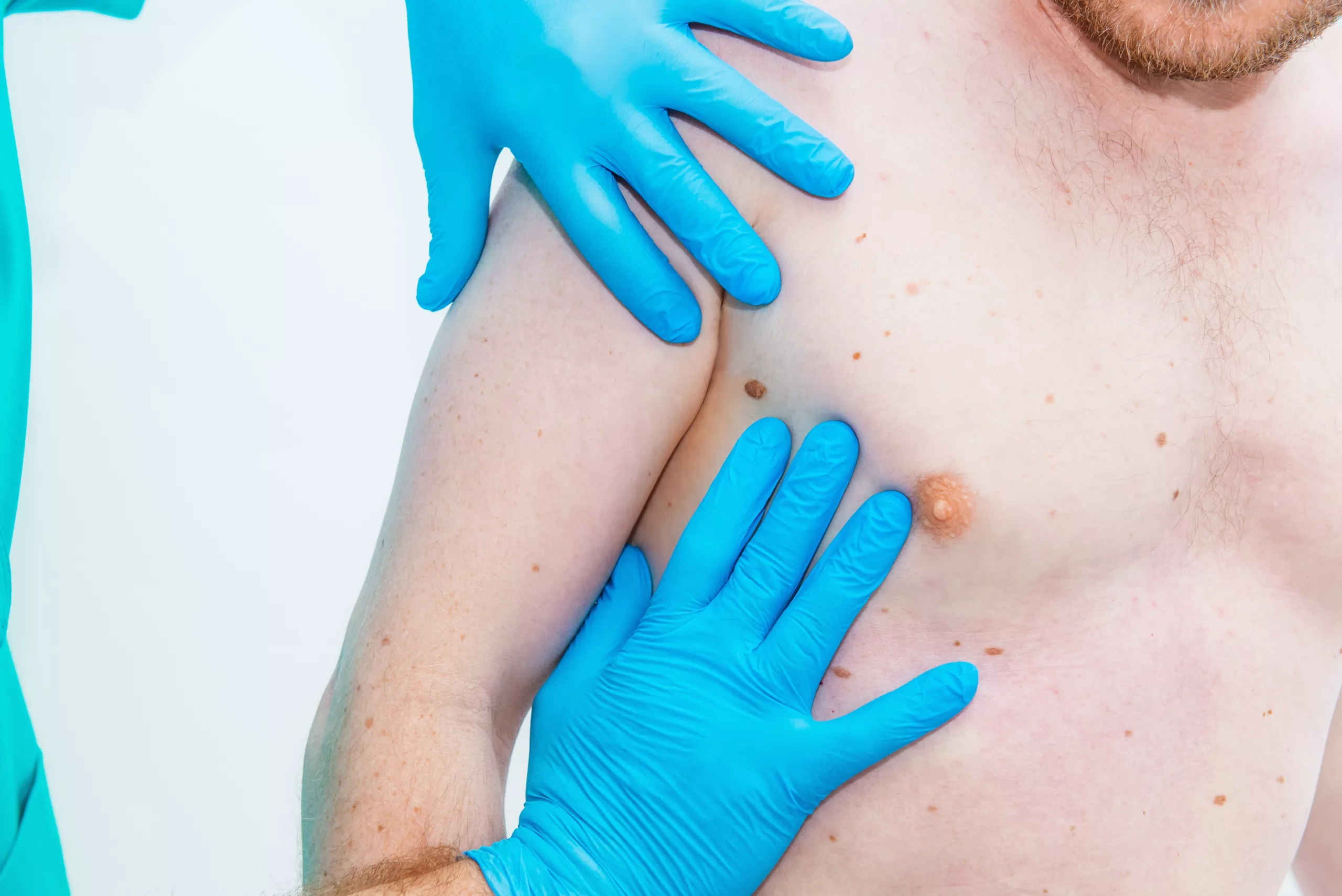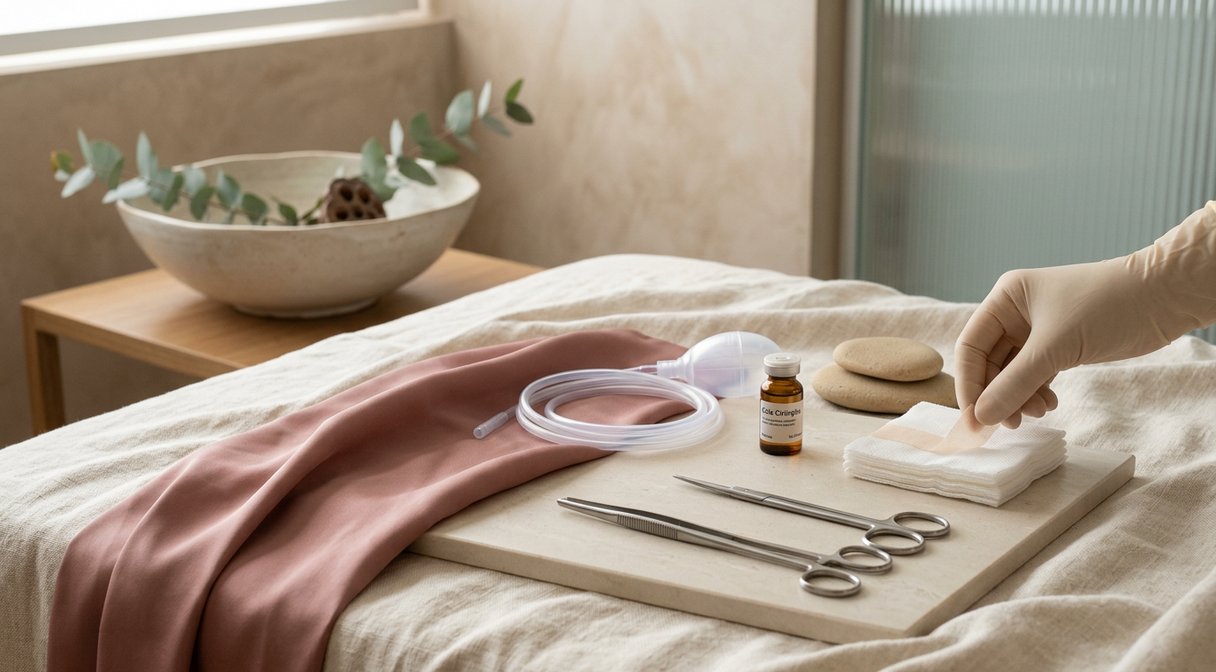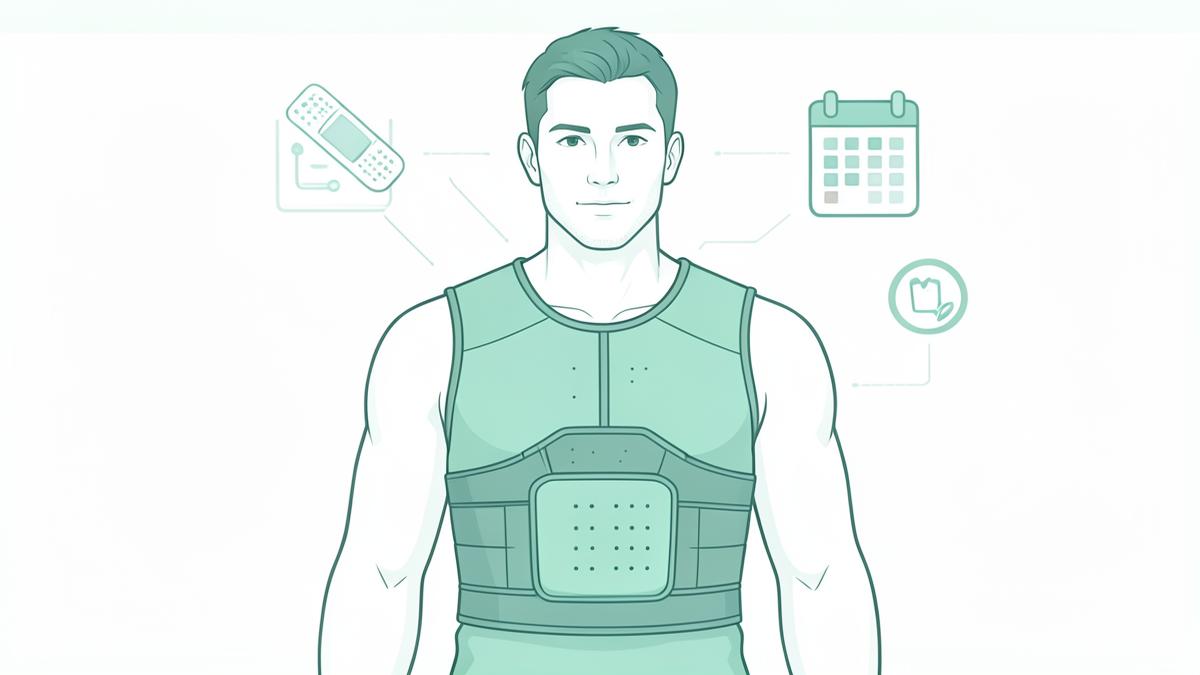
The gynecomastia post-operative period usually involves swelling, breast tenderness, the use of a compression garment, and temporary restriction of exercise. Recovery is progressive: the appearance in the first few days is still heavily influenced by edema and does not correspond to the definitive result.
The process varies according to the technique used. Correction may involve direct removal of the mammary gland, liposuction, or a combination of both techniques. In cases with significant excess skin, the operation may be more extensive.
Therefore, there is no one-size-fits-all recovery schedule. The responsible surgeon's instructions regarding the garment, dressings, drains, sleeping position, return to work, and exercise should prevail.
What is the post-operative period for gynecomastia like?
In the first few days, the chest is expected to show swelling, tenderness, and possibly bruising. Dressings are placed over the incisions, and a compression garment or band may be indicated to support the area during recovery.
According to the American Society of Plastic Surgeons, an elastic or compression garment may be used to minimize swelling and support the new chest contour as healing occurs.
Depending on the technique, the surgeon may also use a temporary drain to remove accumulated blood or fluid.
In the first few days, the following may occur:
- chest swelling;
- ecchymoses, popularly known as bruises;
- sensation of pressure or tightness;
- sensitivity when moving the arms;
- temporary changes in skin or areola sensitivity;
- small differences between the two sides caused by edema.
These changes need to be monitored, but some of them are part of the body's response to surgery.
How long does gynecomastia surgery recovery take?
Recovery from gynecomastia surgery happens in stages and depends on the extent of the procedure. Light activities are usually cleared before intense physical exertion and strength training exercises.
A surgery predominantly performed by liposuction, for example, will not necessarily have the same recovery as a procedure involving extensive gland and skin removal.
Factors such as individual healing, extent of tissue detachment, presence of drains, and possible complications also influence recovery.
Therefore, using another patient's experience to determine when to drive, work, or exercise may be inappropriate.
How long does it take for swelling to go down after gynecomastia?
Swelling after gynecomastia surgery decreases progressively but does not disappear all at once. Some of the edema is more evident in the early stages of recovery, while residual changes may persist longer.
The American Society of Plastic Surgeons states that edema can take months to disappear completely after surgical procedures. This does not mean that the chest will remain equally swollen throughout this period: the tendency is for progressive reduction.
For this reason, the shape observed in the first few days or weeks should not be interpreted as the definitive result.
Temporary differences between the sides may also exist. The important thing is to monitor the evolution and communicate any abrupt or worrying changes to the medical team.
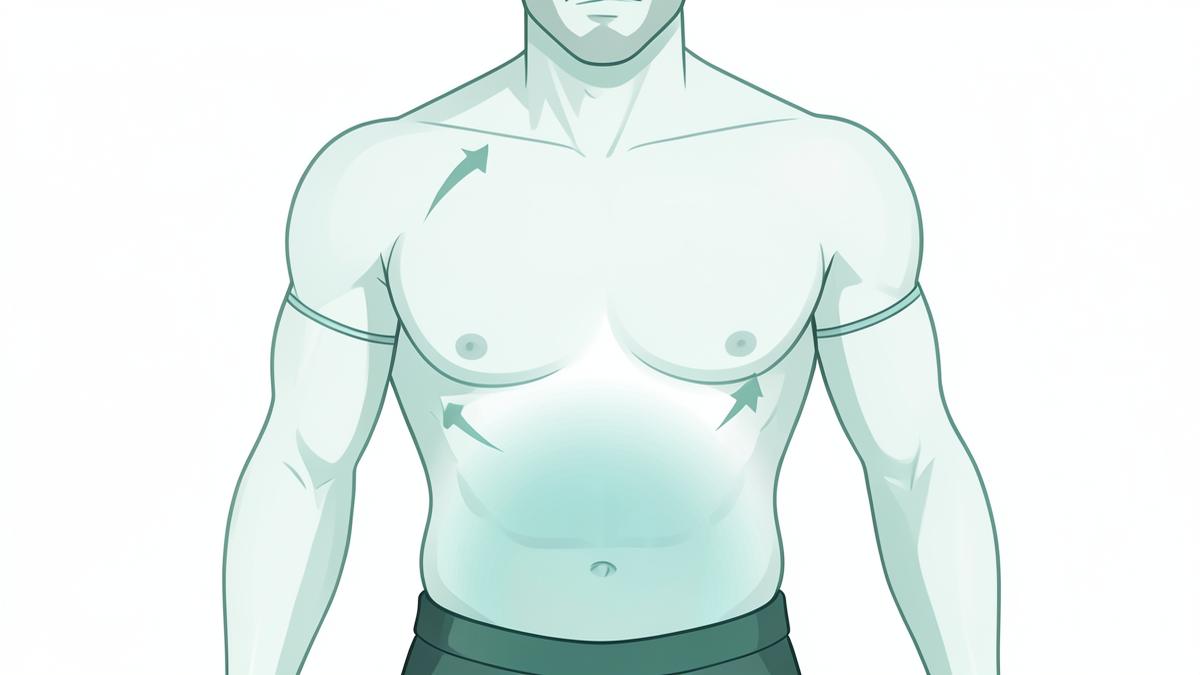
How does the chest look during recovery?
In the first few days, edema, ecchymosis, and dressings make contour assessment difficult. The chest may also appear more rigid or irregular.
In the following weeks, a progressive reduction in swelling and greater tissue accommodation is expected. Activities are also usually resumed gradually according to medical evaluation.
In the following months, the contour may continue to define as tissues settle and scars mature.
These phases are just a reference. The recovery speed varies between patients and according to the procedure performed.
Does gynecomastia surgery hurt a lot?
Pain, tenderness, and a feeling of tension can occur, especially at the beginning of recovery. The intensity varies according to the technique, extent of the surgery, and individual response.
Medications prescribed by the surgeon should be used as directed. It is not recommended to add medications on your own, including anti-inflammatories, without checking if they are appropriate at that time.
More important than comparing the intensity of pain with the experience of other people is to observe its evolution.
Pain that worsens significantly, especially when accompanied by rapid increase or hardening on only one side of the chest, should be reported to the medical team.
Is it normal for one side to be more swollen than the other?
Small asymmetries may appear during recovery because the two sides do not necessarily present exactly the same amount of edema.
However, a sudden and significant increase on only one side warrants evaluation, especially when associated with increasing pain, tension, or skin changes.
One of the complications that need to be considered in this situation is a hematoma, which corresponds to the accumulation of blood in the operated area.
Reviews of gynecomastia surgery describe hematoma and seroma, among other possible complications. Therefore, significant changes in the recovery pattern should be evaluated by the surgeon.
How long do I need to wear the gynecomastia vest?
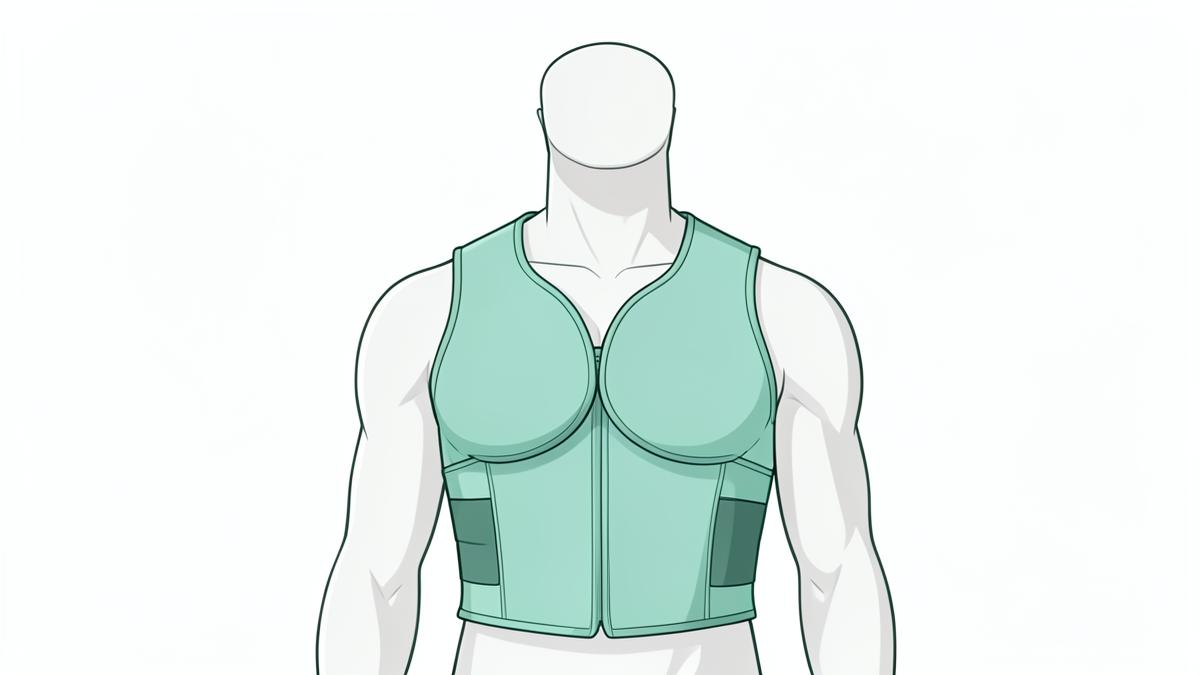
The compression garment is often used after surgery, but there is no single appropriate period of use for all patients.
It can help control edema and provide support to the chest during recovery. The daily time and total period of use should be determined by the responsible team according to the technique and clinical evolution.
The compression also needs to be correctly adjusted. An excessively tight garment, folded, or producing localized pressure on the skin should not be considered better simply because it compresses more.
Is it necessary to use a drain after gynecomastia?
Not all patients need a drain.
A drain is a small tube temporarily placed to allow fluid to exit the operated area. The necessity depends on the technique, the degree of tissue dissection, and the surgeon's approach.
When used, the patient should receive instructions on how to care for the device and when to return for evaluation.
The drain should not be removed or handled outside of the instructions provided by the team.
How to care for healing?
Healing begins immediately after surgery and continues for several months. The initial appearance of the scar, therefore, does not necessarily correspond to the appearance it will have after maturation.
It is important to keep dressings as instructed, avoid manipulating the incisions, and attend scheduled appointments.
Some general measures also interfere with healing. The patient can learn about the care that most impacts healing after plastic surgery, remembering that specific recommendations for gynecomastia should come from the responsible surgeon.
Smoking deserves special attention because it is associated with impairments in the healing process. Smoking patients should discuss the risks of smoking in plastic surgery with the team.
What does the gynecomastia surgery scar look like?
The size and location of the scars depend on the technique.
When direct removal of the gland is necessary, one possibility is to position part of the incision along the edge of the areola. There are, however, different surgical approaches.
More pronounced gynecomastia, especially when there is significant excess skin, may require additional incisions.
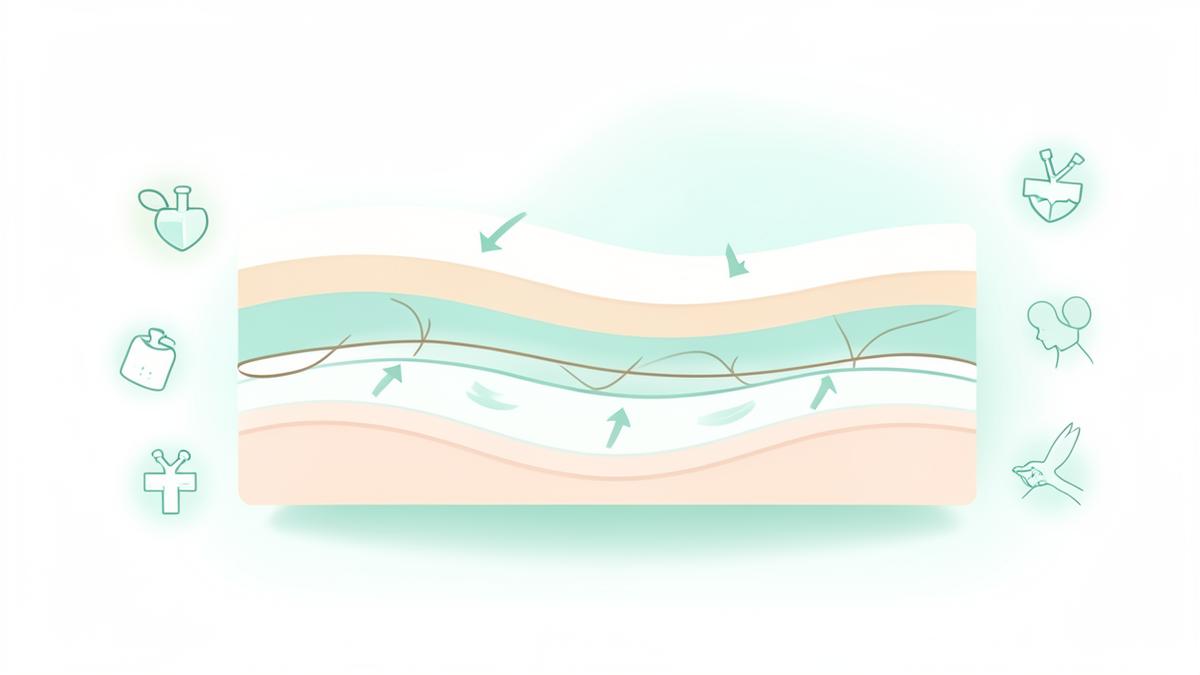
Initially, the scar may show changes in color, firmness, and texture. Maturation occurs progressively and should be monitored by the surgeon.
When can I return to work?
Return to work depends on both the surgery and the profession.
A predominantly administrative activity is different from a job that requires carrying weights, repeatedly moving the arms, or performing physical exertion.
Therefore, the return should consider professional demands and the patient's evolution, and not just the number of days passed since the operation.
When can I drive?
The patient should only return to driving when they are able to perform necessary movements and react quickly without compromising safety.
Significant pain, limited arm movement, and the use of medications capable of altering attention or reflexes are reasons not to drive.
Clearance must be individualized by the surgeon.
When can I return to the gym after gynecomastia?
Returning to the gym after gynecomastia surgery should be gradual and depends on the technique performed and the evolution of healing.
Walking and light activities are different from running, heavy weightlifting, and exercises that intensely recruit the chest and upper limbs.
The American Society of Plastic Surgeons advises that specific instructions regarding the resumption of physical activity should be discussed with the surgeon.
Training too early to try to speed up the return to routine does not improve healing. Progression should respect tissue recovery.

Is lymphatic drainage necessary?
Lymphatic drainage should not be considered mandatory for every patient who has undergone gynecomastia surgery.
The indication depends on the technique used, the edema presented, and the medical evaluation. The same care applies to massages, ultrasound, radiofrequency, and other postoperative treatments.
Procedures performed on a recently operated area must have appropriate indication and timing.
When do the results of gynecomastia appear?
The results appear progressively as swelling decreases and tissues settle.
In the initial phases, edema, small asymmetries, hardening, and changes in sensitivity can hinder aesthetic evaluation.
The scar also matures over time. Therefore, repeatedly evaluating the chest in the first few days looking for the definitive result tends to generate an unreliable perception.
Follow-up allows the surgeon to verify if the evolution is as expected for that technique and that patient.
What are the main risks of the postoperative period?
Gynecomastia surgery, like any surgical procedure, presents risks.
Among the possible complications described are:
- hematoma;
- seroma;
- infection;
- changes in sensitivity;
- asymmetry;
- contour irregularities;
- unfavorable scars;
- insufficient or excessive tissue removal;
- areola or nipple changes;
- healing problems.
The occurrence and significance of each complication depend on different factors, including the technique and the severity of the gynecomastia.
An adequate preoperative evaluation is also part of treatment safety.
What warning signs require medical evaluation?
Sudden or progressive changes that deviate from the expected pattern should be communicated to the responsible team.
Situations that deserve attention include rapid increase in only one side of the chest, significant bleeding, marked worsening of pain, suspicious discharge, or important skin changes.
The American Society of Plastic Surgeons also advises seeking immediate medical attention for shortness of breath, chest pain, or unusual heartbeats.
If in doubt during the postoperative period, it is safer to contact the responsible team than to try to interpret a change solely by photographs or information found on the internet.
What helps ensure a safer recovery?
Surgery does not end when the patient leaves the operating room. Postoperative follow-up is part of the treatment.
Some important precautions include:
- using medications as prescribed;
- maintaining dressings according to instructions;
- correctly using the compression garment when indicated;
- not manipulating incisions or drains on your own;
- avoiding smoking as advised by the doctor;
- respecting physical exertion restrictions;
- attending follow-up appointments;
- informing the team of unexpected changes.
It is also not advisable to add massages, devices, or treatments on your own in an attempt to accelerate recovery.
Post-operative gynecomastia should be understood as a gradual process. Swelling, sensitivity, and temporary changes in chest shape may be part of the initial phases, while contour definition and scar maturation take longer.
More important than following a generic timeline is monitoring individual progress with the responsible surgeon.
Frequently asked questions
How long does it take to recover from gynecomastia surgery?
It depends on the extent and technique used. Light activities are usually resumed before weightlifting, sports, and jobs that require physical exertion. Clearance must consider individual progress.
How long does it take for gynecomastia swelling to go down?
Edema progressively decreases, and residual swelling may persist for a longer period. Therefore, the shape of the chest in the first few weeks should not be considered the definitive result.
How long do I need to wear the compression garment after gynecomastia?
There is no universal period. The duration of use depends on the technique performed, the edema, and the surgeon's instructions. It is also important to check if the garment is correctly fitted.
When can I return to the gym?
The return must be gradual. Intense chest and upper limb exercises usually require more recovery than walks and light activities, and should be resumed after medical clearance.
Is it normal for one side to be more swollen?
A small difference may occur due to edema. However, a sudden, significant, and painful increase on only one side needs to be reported to the medical team to rule out complications.
Can I sleep on my side after surgery?
The appropriate position depends on the technique and the stage of recovery. In the initial phases, undue pressure on the operated area should be avoided, and the specific guidance of the surgeon should be followed.
Can nipple sensitivity change?
Yes. Changes in skin and nipple-areolar region sensitivity can occur after surgery. Evolution varies, and persistent changes should be discussed during follow-up.
Can gynecomastia return after surgery?
The surgery treats the tissue responsible for the existing volume, but future evolution also depends on the cause of gynecomastia. Medications, substances, hormonal changes, and body changes may need to be considered individually.
Agendar consulta
Precisa de orientação personalizada?
Marque uma avaliação com o Dr. Fernando Amato e tire as suas dúvidas sobre cirurgia plástica.
Falar no WhatsApp