
- Plastic surgery
Quality of Life and Support in Breast Cancer Treatment
- October 24, 2025
- By Fernando Amato
Quality of life in breast cancer treatment and caring for the body is essential — but caring for the mind and surroundings is a fundamental part of healing.
A diagnosis of breast cancer represents a moment of great emotional and physical impact for any woman. However, advances in medicine and the strengthening of humanized approaches have transformed the treatment journey. Today, we speak of quality of life in breast cancer treatment, recognizing that health goes beyond exams and surgeries.
Maintaining emotional balance, preserving self-esteem, strengthening affective bonds, eating well, and staying active are pillars of a full and sustainable recovery.
Highlights on Quality of Life and Support
- 💬 Psychological support reduces anxiety and improves treatment adherence.
- 💗 Sexuality and femininity can be restored after mastectomy.
- 👨👩👧 Support network strengthens coping and hope.
- 🏃♀️ Physical activity contributes to well-being and rehabilitation.
- 🥗 Adequate nutrition promotes immunity and recovery.
Psychological support in breast cancer treatment
The emotional impact of the diagnosis is profound. Fear, uncertainty, and sadness are common feelings, especially at the beginning of treatment. Psychological support is essential to help women understand and cope with these emotions, preventing depression and anxiety.
Oncological psychotherapy promotes self-awareness and stimulates coping strategies. It can be individual, group, or family-based — each format has its own benefits. Furthermore, active listening from specialized professionals aids in treatment adherence and improves the relationship between patient and medical team.
👉 Learn more about the safe treatment environment in a Day Hospital.
Sexuality and femininity after mastectomy
Mastectomy, although essential for cancer control, can profoundly affect the perception of femininity. The breast, a symbol of female identity, motherhood, and sensuality, when removed, leaves an emotional and physical mark.
However, breast reconstruction restores not only form but also confidence and self-esteem. There are different techniques, such as the use of breast implants and reconstructive mammoplasties, which can be performed during the same surgical procedure or later.
Thus, the rediscovery of sexuality after mastectomy involves accepting the new body, communicating with one's partner, and continuous psychological support.
The importance of a support network
The emotional support of family and friends is, however, one of the most determining factors for therapeutic success. Research shows that patients with a solid support network have greater adherence to treatment, better recovery, and lower stress levels.
This network goes beyond physical presence — it involves welcome, listening, patience, and encouragement. It is important, however, that family members also receive guidance on how to act and communicate positively.
👉 See our tips for preparing and involving loved ones in the treatment process.
Physical activity during and after treatment
Studies prove that regular physical activity improves disposition, reduces fatigue, and strengthens the immune system during oncological treatment. Light exercises, such as walking and stretching, already bring significant benefits.
In the post-operative period of mastectomy, it is therefore fundamental to respect the healing time. However, the return must be guided by the doctor, avoiding movements that cause discomfort in the operated area. Rehabilitation programs with specialized physiotherapists and physical educators can prevent complications such as lymphedema.
👉 Learn more about recovery and rehabilitation in surgeries like thigh lift.
Nutrition and breast health
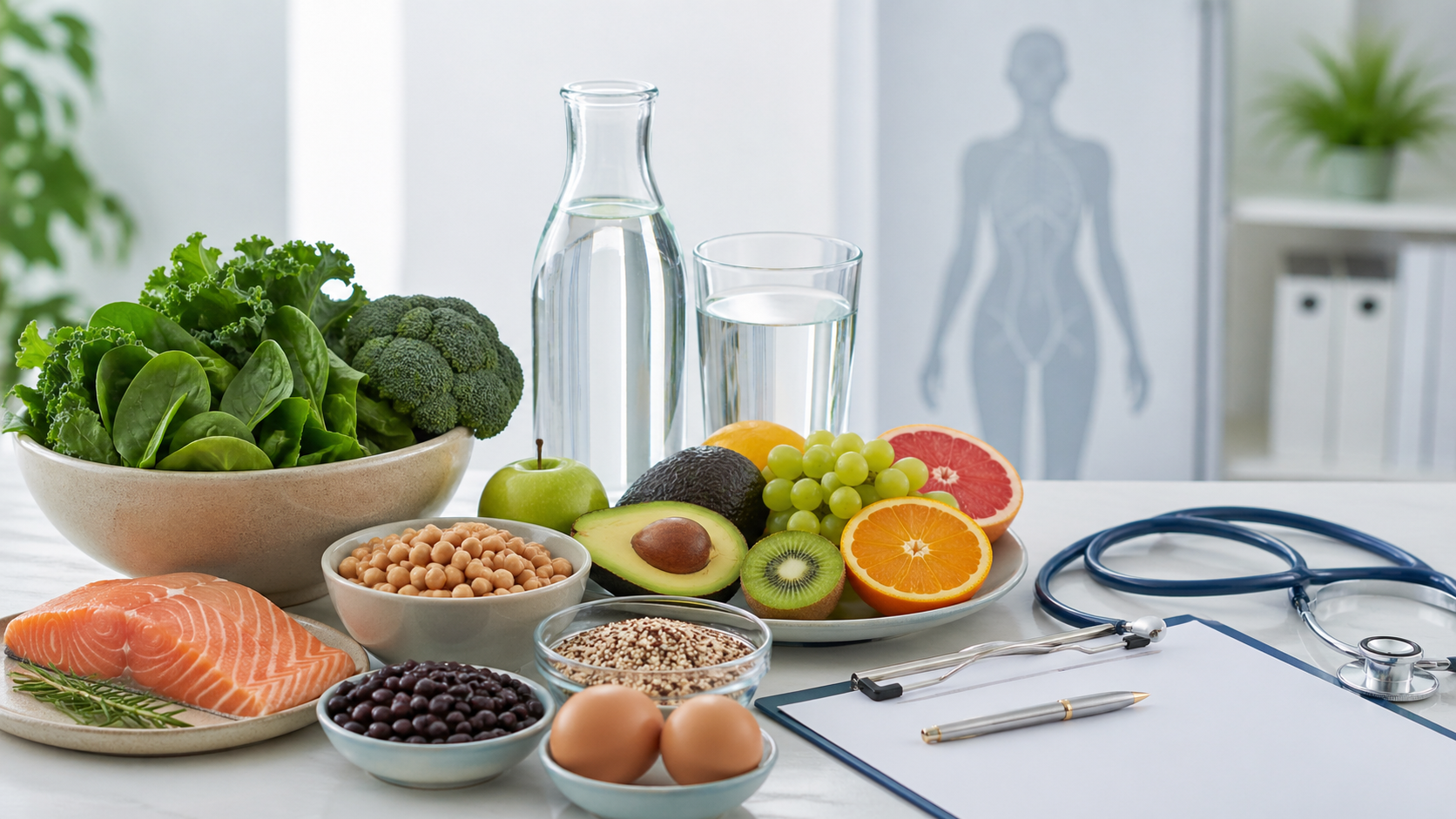
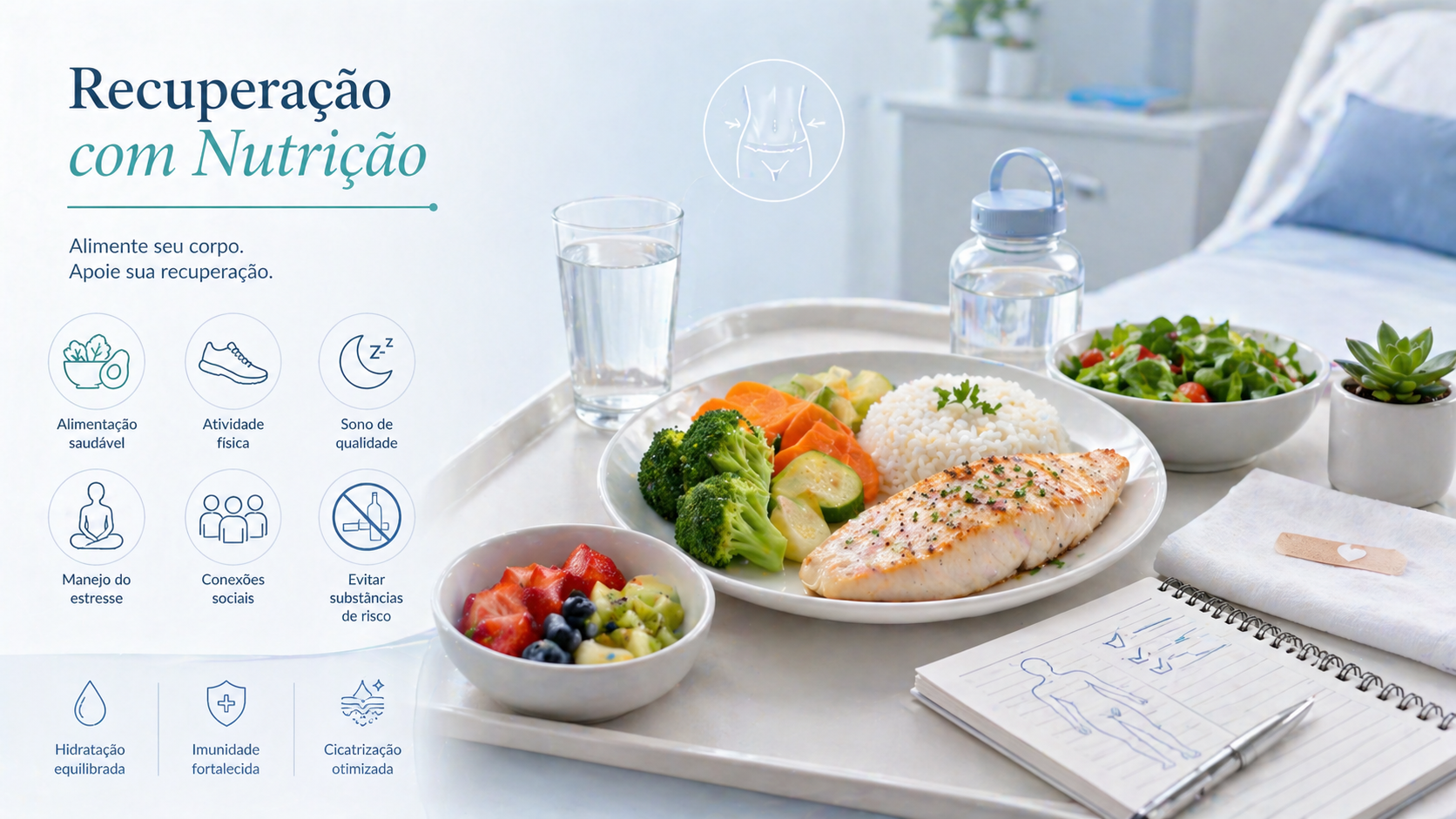
A healthy diet is, however, a powerful ally in the fight against cancer. Diets rich in fruits, vegetables, whole grains, and lean proteins strengthen the immune system and aid in tissue repair.
Ultra-processed foods and those rich in saturated fats should be avoided, as they can negatively influence recovery and hormonal balance. Follow-up with an oncological nutritionist is essential to adjust the menu according to the phases of treatment.
👉 Learn more about balanced nutrition in diet and plastic surgery.
Conclusion
The quality of life in breast cancer treatment depends on multiple factors: emotional support, self-care, healthy habits, and affective bonds. Caring for the mind and body with the same dedication is the key to going through treatment with serenity and dignity.
💡 Remember: you are not alone. Talk to your doctor about reconstruction, psychological support, and strategies to strengthen your overall well-being.
FAQ
1. Is psychological support mandatory during breast cancer treatment?
It is not mandatory, but it is highly recommended by oncologists and psychologists to improve well-being and treatment adherence.
2. When can I resume physical activity after mastectomy?
Generally after medical clearance, respecting healing and physical limits. Light exercises are usually cleared after 3 to 6 weeks.
3. Is breast reconstruction always possible?
In most cases, yes. It depends on the type of surgery and the patient's clinical conditions. Consult a plastic surgeon.
4. How to deal with the loss of femininity after mastectomy?
With psychological support, breast reconstruction, and dialogue with one's partner, it is possible to regain self-esteem and female identity.
5. Which foods should I prioritize during treatment?
Fruits, vegetables, legumes, lean proteins, and whole grains. Avoid industrialized foods and excessive sugar.
6. Does breast cancer change sexual life?
It can temporarily alter libido and body self-perception, but desire and pleasure can be rediscovered with support and self-confidence.
7. Does physical exercise reduce the risk of recurrence?
Yes. Studies show that staying active reduces the risk of recurrence and improves quality of life.
8. Does the support network influence treatment outcome?
Yes. Patients with consistent emotional support show better clinical and psychological evolution.
9. Is there a specific diet to prevent breast cancer?
There is no single diet, but a balanced eating pattern low in saturated fats helps in prevention.
10. How can I find support groups?
Hospitals and oncology institutions offer free or community support groups. Talk to your medical team.
Related articles
Agendar consulta
Precisa de orientação personalizada?
Marque uma avaliação com o Dr. Fernando Amato e tire as suas dúvidas sobre cirurgia plástica.
Falar no WhatsApp