- Articles, Surgeries, Ex-obese, News
Excess Skin Removal After Bariatric Surgery is Covered by SUS and Health Plans
- June 27, 2021
- By Fernando Amato
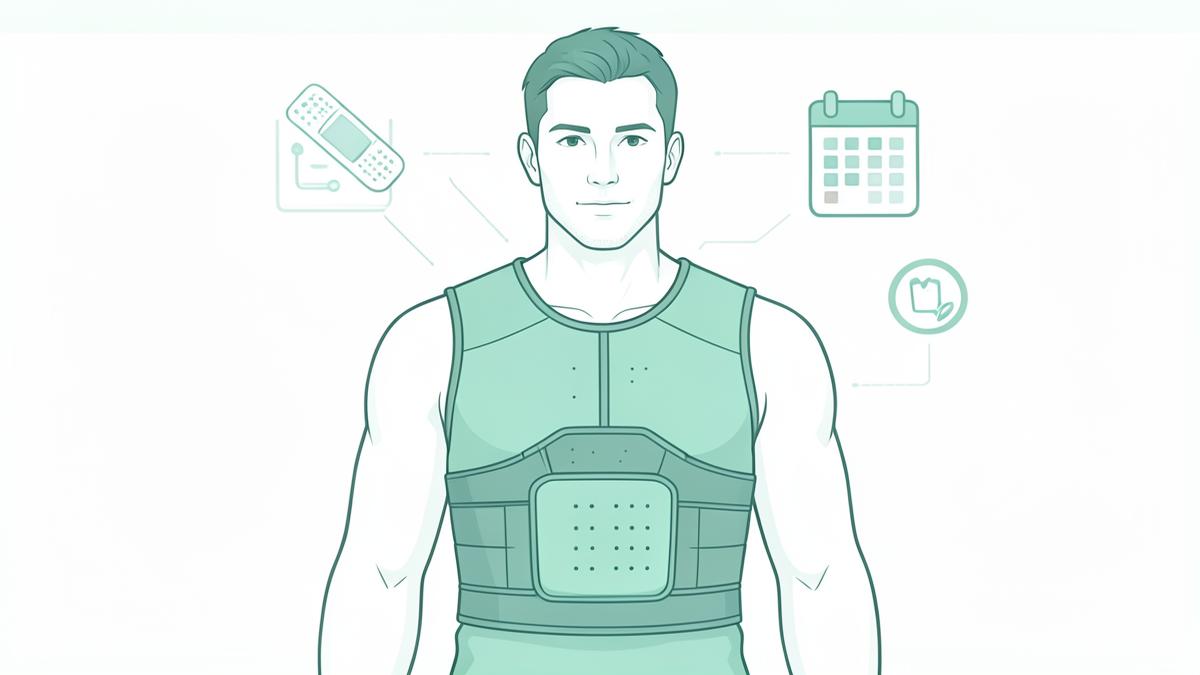
After undergoing surgeries like bariatric surgery and intragastric balloon placement, many people may experience skin laxity due to extreme weight loss. In these cases, plastic surgery may be indicated to restore the body's largest organ, the skin.
Excess tissue remaining after weight loss in a person who had obesity, for example, can cause other health problems, including skin friction issues that can result in dermatitis and recurrent infections, especially in the abdomen. Other disorders stemming from excess skin are related to self-esteem and quality of life.
Therefore, not being considered merely an aesthetic matter, but also a preventive measure for other diseases, the surgery is covered by the Unified Health System (SUS) and by health plans, especially for abdominal dermolipectomy in patients with an apron belly.
Surgery for excess skin removal may have contraindications, which is why it is important to consult with a trusted doctor and undergo examinations before the procedure. Anemia, psychological disorders, and other diseases can prevent tissue removal.
We offer various types of surgeries indicated for excess skin removal, barring the contraindications mentioned above. Among the procedures available are abdominoplasty, thigh lift (cruroplasty), brachioplasty, mammoplasty, liposuction, facelift, torsoplasty, and gluteoplasty. The indication is individualized, meaning it depends on the specialist's assessment and the patient's health conditions.
After bariatric surgery, the patient needs to maintain a stable weight for six months to two years before undergoing the excess skin removal procedure. The treatment is carried out by a multidisciplinary team including a psychologist, nutritionist, physiotherapist, endocrinologist, psychiatrist, gastrointestinal surgeon, and plastic surgeon. Obesity among people aged 20 or over increased from 12.2% to 26.8% between 2002/2003 and 2019, according to the National Health Survey – PNS 2019.
*Dr. Fernando Amato is a plastic surgeon, a full member of the Sociedade Brasileira de Cirurgia Plástica (Brazilian Society of Plastic Surgery), a member of the International Society of Aesthetic Plastic Surgery (ISAPS), and the American Society of Plastic Surgeons (ASPS).
Related articles


Agendar consulta
Precisa de orientação personalizada?
Marque uma avaliação com o Dr. Fernando Amato e tire as suas dúvidas sobre cirurgia plástica.
Falar no WhatsApp