
- Articles
Obesity: the weight loss process depends on several stages
- May 18, 2022
- By Fernando Amato
Recent data from the survey Chronic Diseases and Their Risk and Protection Factors: Recent Trends of Vigitel, carried out by the Institute for Health Studies and Policies (IEPS), indicate that between 2019 and 2020 there was an increase in alcohol consumption from 18.8% to 20.9%. There was also an increase, in the same period, in people who did not practice physical activity, which rose from 13.9% to 14.9%. Consequently, obesity, one of the most prevalent chronic diseases in the world, recorded an increase from 20.3% to 21.5%.
The weight loss process involves several factors that are generally all associated with Lifestyle Medicine. Therefore, good management of diet, with real changes in eating habits, combating a sedentary lifestyle, that is, starting regular physical activity, stress management, improving sleep quality, avoiding tobacco and alcohol, and healthy relationships can also contribute to weight loss.
Obesity, being a chronic disease that is difficult to control, has a series of negative repercussions for an individual's health, including a decrease in life expectancy. Using medication is an appropriate way to treat obesity; medications help patients improve their lifestyle. A person who uses medication, guided by a specialist, should not be seen as a failure or lacking willpower.
Bariatric surgery – It is indicated for cases of grade 2 obesity, that is, with a Body Mass Index (BMI) >35 and <40, when associated with obesity-related comorbidities, including psychological ones such as depression, but also diabetes, sleep apnea, osteoarthritis, hypertension, or in grade 3 obesity, when the BMI is = or > 40, even without comorbidities, which is rare. It is worth remembering that, in general, bariatric surgery should be indicated after two years of unsuccessful clinical treatment.
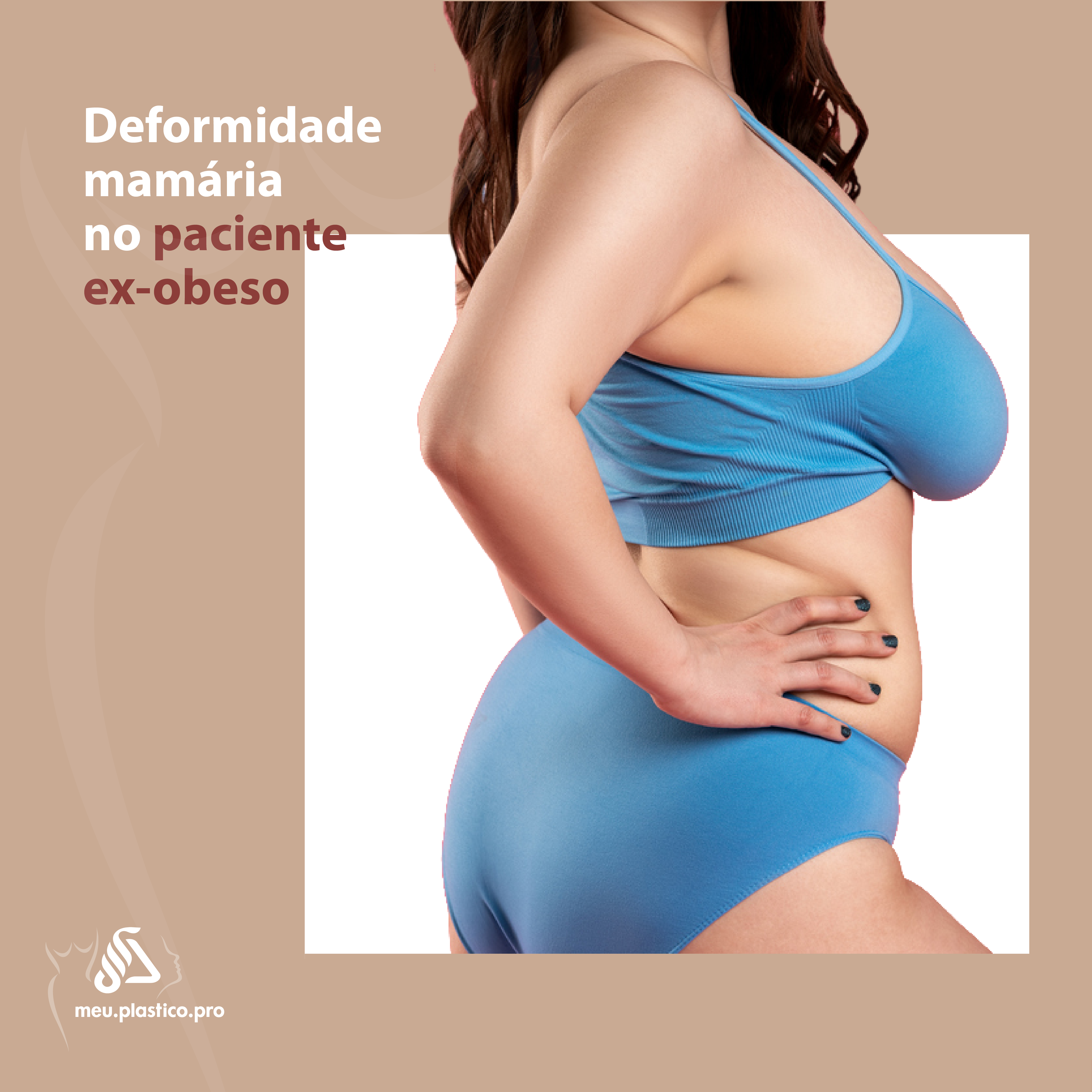
Reconstructive surgery – After significant weight loss, which occurs after bariatric surgery, skin laxity is almost inevitable. In these cases, plastic surgery may be indicated to reconstruct the damage caused by excess skin.
The excess tissue that remains after a person who was obese loses weight, for example, can cause other diseases, including dermatitis and recurrent infections, especially in the abdomen. Excess skin can be related to a worsening of self-esteem and quality of life.
Reconstructive plastic surgery, not being considered an aesthetic issue but also a preventive measure for other diseases, may be covered by the Unified Health System (SUS) and by health insurance plans, especially for abdominal dermolipectomy in patients with an apron belly. Other surgeries, even if reconstructive in nature, can be difficult to obtain, and often end up being litigated. These are procedures that still require greater attention from regulatory bodies to help these patients.
There are several types of surgeries indicated for the removal of excess skin, including abdominoplasty, thigh lift, brachioplasty, mammoplasty, liposuction, facelift, torsoplasty, and gluteoplasty. The indication is individualized and depends on the specialist's analysis and the patient's health conditions.
After bariatric surgery, the patient needs to have their weight stabilized for six months to two years before undergoing the procedure to remove excess skin. Obesity treatment is performed by a multidisciplinary team including a psychologist, nutritionist, physiotherapist, endocrinologist, psychiatrist, bariatric surgeon, and plastic surgeon.
Related articles



Agendar consulta
Precisa de orientação personalizada?
Marque uma avaliação com o Dr. Fernando Amato e tire as suas dúvidas sobre cirurgia plástica.
Falar no WhatsApp