
- Surgeries, Body
Lipedema: Diagnosis, Symptoms, and Treatment Options
- June 2, 2024
- By Fernando Amato
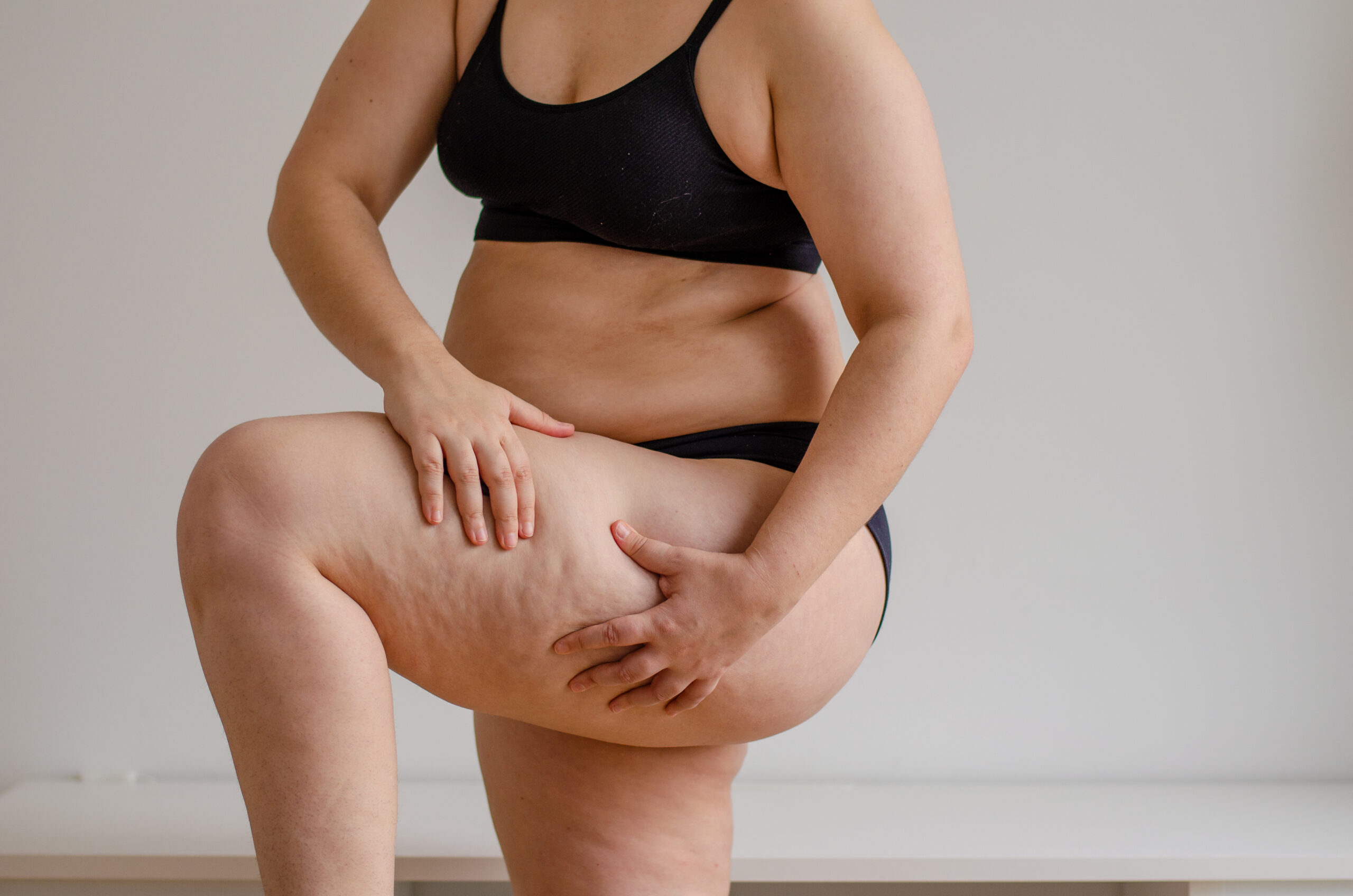
Lipedema is a chronic condition that primarily affects women, characterized by the disproportionate accumulation of adipose tissue in the extremities, especially in the legs and, in some cases, the arms. This disease, although common, is often underdiagnosed and confused with other conditions, such as obesity and lymphedema. Thus, this article aims to clarify the main aspects of lipedema, covering everything from symptoms and diagnosis to available treatment options.
🔍 Complex diagnosis: Lipedema is often confused with obesity or lymphedema.
💡 Genetic and hormonal factors: The disease has a strong correlation with genetic and hormonal factors.
🏋️ Effective treatments: Liposuction is one of the most effective treatments for symptom reduction.
🏥 Importance of medical follow-up: Early diagnosis and treatment are essential to improve quality of life.
🔬 Need for more research: Many questions remain unanswered about the pathophysiology of lipedema.
What is Lipedema?
Lipedema, therefore, is a disease of loose connective tissue characterized by the disproportionate accumulation of subcutaneous fibrous adipose tissue and extracellular fluid in the limbs of women. Allen and Hines first described this condition in 1940, and it affects up to 20% of women. Therefore, this accumulation of fat is not reversible with diet or exercise, making diagnosis and treatment challenging.
Etiology and Risk Factors
The etiology of lipedema, then, is multifactorial, involving genetic, hormonal, and changes in connective tissue and the lymphatic system.
Genetics: More than 60% of patients report a family history of “large legs.”
Hormonal: Manifestations frequently occur during periods of hormonal changes, such as puberty, pregnancy, and menopause.
Loose Connective Tissue: The presence of an increased extracellular matrix can contribute to fluid and fat accumulation.
Lymphatic Dysfunction: Lymphatic dysfunction, then, can contribute to adipocyte growth, aggravating the condition.
Symptoms and Diagnosis
The main symptoms include:
Symmetrical Fat Accumulation: Primarily in the legs and buttocks, sparing hands and feet.
Pain and Tenderness: Patients report pain to the touch and easy bruising.
Persistent Edema: Swelling that does not decrease with elevation or weight loss.
Classification of Lipedema
Lipedema can be classified into five types, based on the distribution of adipose tissue:
1. Type I: Hips and buttocks.
2. Type II: Hips to knees.
3. Type III: Hips to ankles.
4. Type IV: Additional arm involvement.
5. Type V: Predominance in the calf region.
Differential Diagnosis
Differential diagnosis is essential to differentiate lipedema from other conditions, such as:
Lymphedema: Asymmetrical, decreased lymphatic flow, without pain and bruising.
Phlebedema: Associated with chronic venous insufficiency, improves with leg elevation.
Obesity: Increased volume in the trunk, without obvious disproportion and without edema.
Dercum's Disease: Characterized by painful lipomas, without edema.
Treatment Options
Conservative Treatment
Conservative treatment includes manual lymphatic drainage, use of compression garments, and physical exercises. These measures can alleviate symptoms, but their long-term benefits are questionable.
Liposuction
Liposuction, however, especially with techniques like tumescent or water-assisted (WAL), has been shown to be effective in reducing symptoms and improving patients' quality of life. It is recommended before the development of more severe complications.
Conclusion
In summary, the diagnosis and treatment of lipedema remain challenging due to the heterogeneous presentation of the disease and the lack of objective imaging examinations. Liposuction appears to be an effective treatment, but more research is needed to better understand the condition and its impacts on the lymphatic system.
Frequently Asked Questions
1. What is lipedema?
Lipedema is a chronic condition characterized by the disproportionate accumulation of fat in the extremities, mainly in the legs and buttocks.
2. What are the symptoms of lipedema?
The main symptoms include symmetrical fat accumulation, pain, tenderness to the touch, and persistent swelling.
3. How is lipedema diagnosed?
Diagnosis is clinical, then, based on symptoms and physical examination. It can be confused with other conditions, such as obesity and lymphedema.
4. Who is at risk of developing lipedema?
Mainly women, especially during periods of hormonal changes, such as puberty, pregnancy, and menopause.
5. Can lipedema be cured with diet and exercise?
No. The fat accumulation in lipedema is not reversible with diet or exercise.
6. What is the most effective treatment for lipedema?
Liposuction, however, is considered the most effective treatment for reducing lipedema symptoms.
7. Can liposuction cause complications?
Yes, liposuction can cause complications, such as lymphatic vessel injury. Techniques like tumescent are recommended to minimize risks.
8. What is the difference between lipedema and lymphedema?
Lipedema is symmetrical and does not affect the hands and feet, while lymphedema is often asymmetrical and involves lymphatic dysfunction.
9. What is the tumescent liposuction technique?
It is a liposuction technique that uses large volumes of anesthetic solution to minimize injury to lymphatic vessels.
10. When should I seek a specialist for lipedema?
So, if you experience symptoms such as fat accumulation in the legs, pain to the touch, and persistent swelling, it is advisable to seek a specialist for evaluation.
Related articles


Agendar consulta
Precisa de orientação personalizada?
Marque uma avaliação com o Dr. Fernando Amato e tire as suas dúvidas sobre cirurgia plástica.
Falar no WhatsApp