- Surgeries, Body, Diseases
What is Lipedema?
- February 27, 2023
- By Fernando Amato
What is Lipedema?
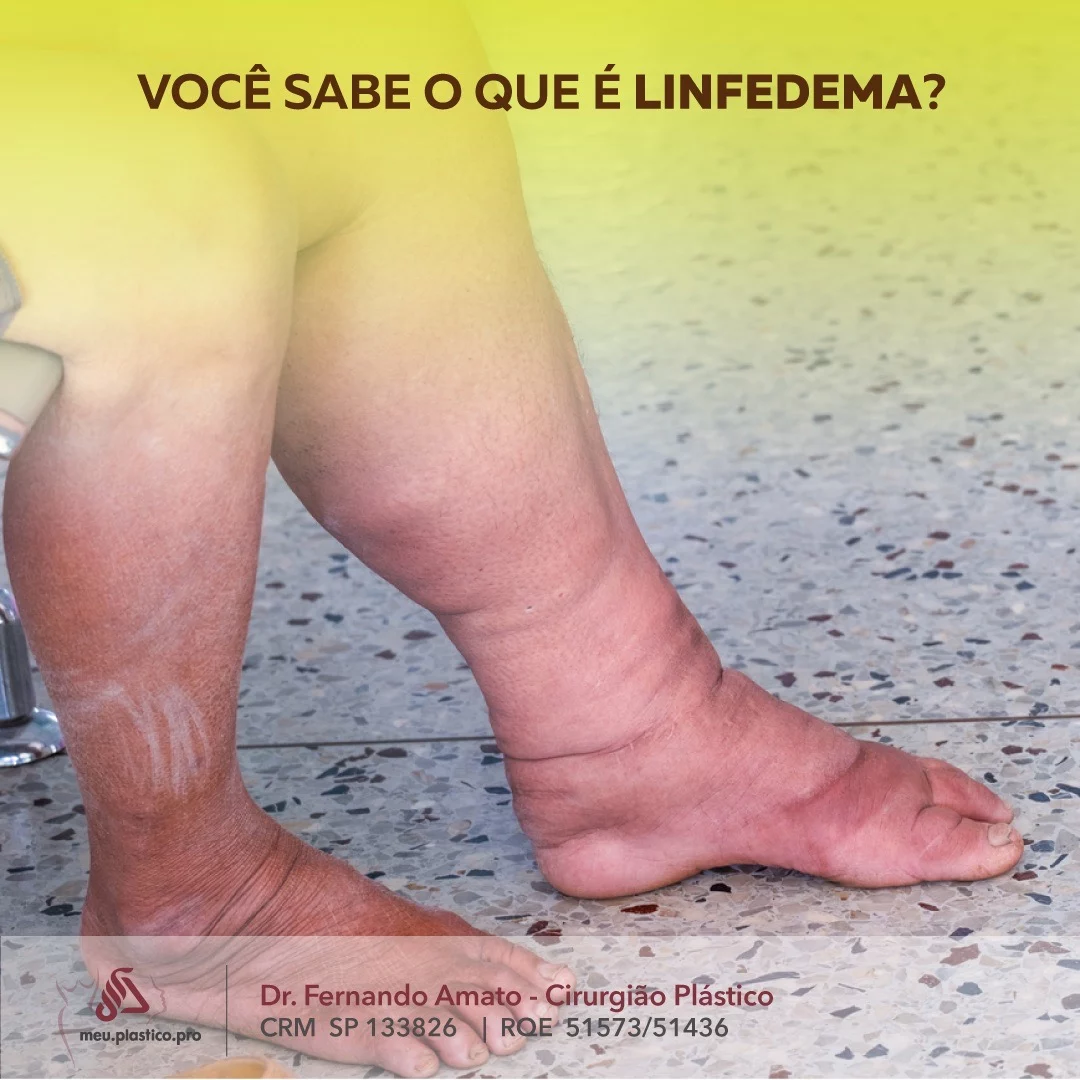
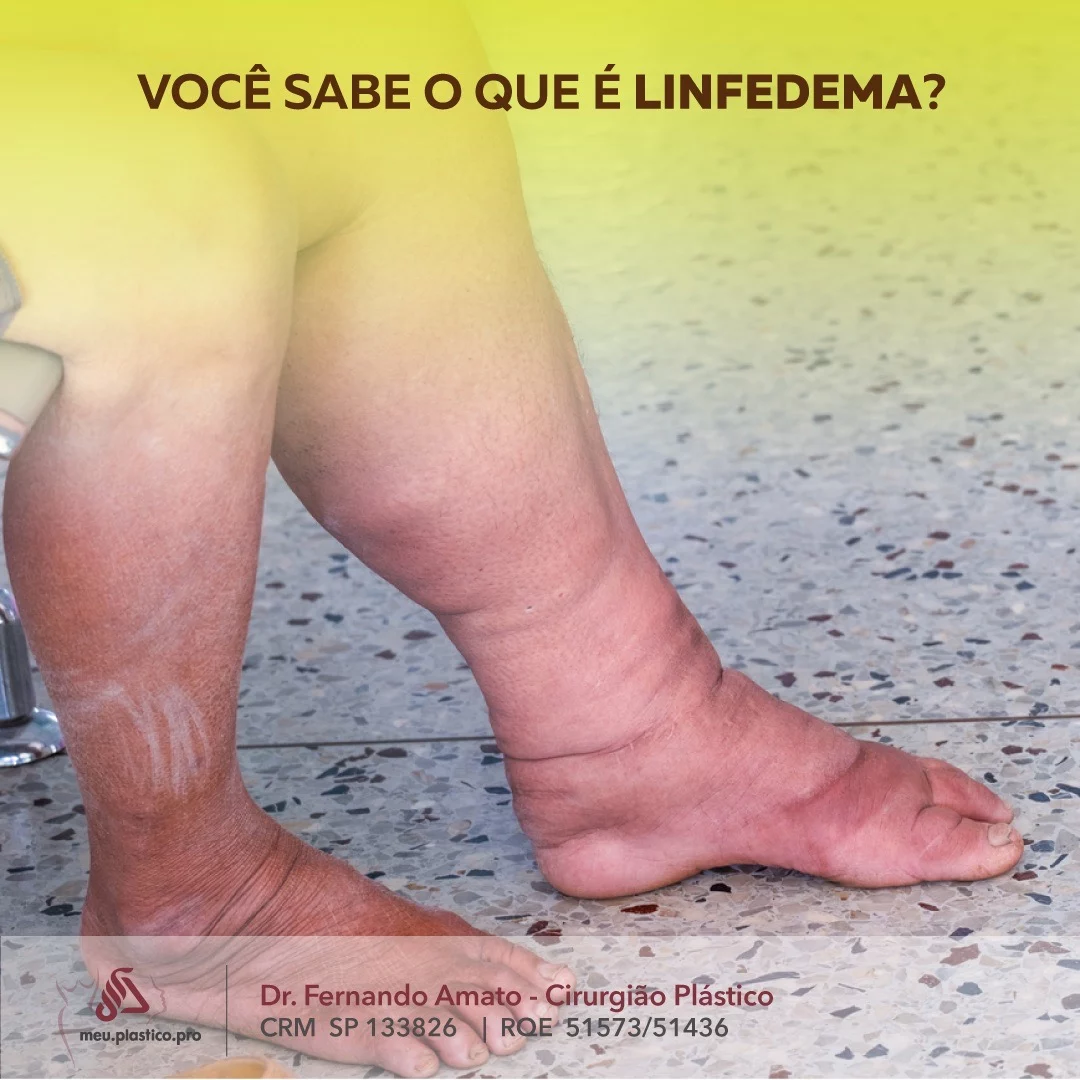
Lipedema is a chronic medical condition characterized by an abnormal accumulation of adipose tissue (fat) in the legs, hips, and sometimes arms, in a distribution disproportionate to the rest of the body. It is more common in women and is often confused with obesity or lymphedema.
Symptoms of Lipedema include increased fat in the legs and/or arms, pain, tenderness, bruising, and swelling in the affected areas. People with Lipedema often have a “tree trunk” appearance of the legs, and there can be a stark contrast between the affected legs and the rest of the body.
Although the exact cause of Lipedema is unknown, genetic and hormonal factors are believed to play a role. Treatment may include changes in diet and lifestyle, muscle strengthening exercises, compression, manual lymphatic drainage, and, in severe cases, surgery.
What are the symptoms of Lipedema?
Symptoms of lipedema include:
- Progressive increase in fat in the legs, hips, and sometimes arms
- Leg pain and tenderness to the touch
- Frequent bruising in the affected areas
- Swelling (edema) in the legs, especially around the ankles
- Fatigue in the legs
- Difficulty finding suitable clothing due to the disproportionate size of the legs compared to the rest of the body
- Discomfort when standing or walking for long periods
- Sensation of heaviness in the legs
- Cellulite on the legs
- Changes in skin texture, such as hardening or thickening.
It is important to note that symptoms can vary from person to person and may be more severe in some cases than in others. If you are experiencing any of these symptoms, it is recommended to consult a doctor for an accurate diagnosis and appropriate treatment.
What is Lipedema surgery like?
There are several types of surgeries for the treatment of lipedema, but the most common are tumescent liposuction and lipectomy.
Tumescent liposuction is a minimally invasive technique in which a plastic surgeon removes fat from the body through small incisions in the skin. During the procedure, a tumescent solution (containing anesthetics and adrenaline) is injected into the affected area to help reduce bleeding, pain, and post-operative discomfort. Then, a cannula is inserted into the incisions to aspirate the fat and improve the aesthetic appearance of the treated area.
Lipectomy is a more invasive technique that involves the surgical removal of large volumes of fat and adipose tissue from the legs or other affected areas. The procedure is performed under general anesthesia and requires larger incisions in the skin. Lipectomy is generally recommended in more severe cases of lipedema.
Both surgeries have associated risks and complications, including bleeding, infection, scarring, and adverse reactions to anesthesia. It is important to talk to an experienced plastic surgeon specialized in surgeries for lipedema treatment to understand which procedures are suitable for you and the risks involved. Furthermore, it is important to remember that surgery should always be accompanied by a post-operative care and medical follow-up program.
Is it possible to treat Lipedema without surgery?
Yes, there are several non-surgical treatments that can be effective in controlling and managing lipedema. Some options include:
-
Diet and lifestyle changes: Adopting a healthy, balanced, nutrient-rich diet, as well as regular physical activity, can help control weight and reduce fat accumulation in the legs and other affected areas.
-
Physiotherapy: Physiotherapy can help improve circulation, reduce pain and inflammation, and strengthen muscles.
-
Manual lymphatic drainage: A specialized therapist can perform a gentle and controlled massage to help reduce swelling and improve lymphatic flow in the affected areas.
-
Compression: Wearing compression garments, such as stockings and leggings, can help reduce swelling and improve circulation.
-
Medications: Some medications, such as diuretics and anti-inflammatories, can help reduce swelling and inflammation in the legs and other affected areas.
Although these non-surgical options can be effective in controlling and managing lipedema, it is important to remember that results may vary from person to person. It is important to talk to a doctor to evaluate appropriate treatment options and create a personalized care plan for you.
Which diets work for Lipedema treatment?
Currently, there is no specific diet that is proven effective in treating lipedema. However, adopting a healthy and balanced diet can help control weight and reduce fat accumulation in the legs and other affected areas.
Some dietary recommendations that may help control lipedema include:
-
Reducing the intake of processed foods, rich in sugar and saturated fats.
-
Increasing the consumption of nutrient-rich foods, such as fruits, vegetables, whole grains, lean proteins, and healthy fats like avocado and nuts.
-
Avoiding the consumption of alcoholic beverages and soft drinks.
-
Reducing salt intake and sodium-rich foods to help prevent swelling.
-
Drinking plenty of water to help maintain hydration and adequate circulation.
So, it is important to remember that lipedema control is not limited to diet alone. Other factors, such as physical activity, adequate sleep, and stress management, can also play an important role in treatment. It is important to talk to a doctor or nutritionist to develop a diet and lifestyle plan tailored to your individual needs.
Which diagnoses are confused with Lipedema?
Diagnosing lipedema can be difficult, as it can be confused with other conditions that present similar symptoms. Some diagnoses that may be confused with lipedema include:
-
Obesity: Obesity is a condition in which there is an excessive accumulation of fat throughout the body, including the legs. However, fat accumulation in obesity is more uniform and does not exhibit the symmetrical and painful pattern of lipedema.
-
Lymphedema: Lymphedema is a condition in which fluid accumulates in the tissues, causing swelling and discomfort. Lymphedema usually affects only one leg and is not symmetrical as in lipedema.
-
Lipomatoses: Lipomatoses are a group of diseases in which there is abnormal growth of adipose tissue in specific areas of the body. However, lipomatoses generally do not cause pain or discomfort and do not exhibit the symmetrical pattern of lipedema.
-
Dercum's Syndrome: Dercum's syndrome is a rare disease in which there is pain and swelling in the legs, accompanied by fatty nodules. However, Dercum's syndrome generally affects the lower legs more and causes more intense pain than lipedema.
To confirm a diagnosis of lipedema, it is important to consult a specialized doctor. This doctor will perform a physical exam, evaluate your medical history, and, if necessary, perform complementary exams such as ultrasound, computed tomography, or magnetic resonance imaging.
What is the difference between lipedema and lymphedema?
Lipedema and lymphedema are different medical conditions that affect the lymphatic system and can affect the legs and arms. While they may share some similar symptoms, there are important differences between these two conditions.
Lipedema is a condition in which adipose tissue (fat) is unevenly distributed in the body, resulting in excess fat in the legs, ankles, and sometimes the arms. Doctors generally diagnose this chronic and progressive condition in women, mainly in adolescence or early adulthood. But some common symptoms of lipedema include pain, tenderness to the touch, and easy bruising in the affected areas.
On the other hand, lymphedema is a condition in which lymphatic vessels do not properly drain lymphatic fluid, resulting in fluid accumulation and swelling in the legs, arms, or other areas of the body. Lymphedema can be caused by a variety of factors, including infectious diseases, trauma, surgery or radiation therapy, or it can be congenital. Some common symptoms of lymphedema include swelling, a sensation of heaviness or pressure, pain, and frequent infections in the affected area.
In summary, the main difference between lipedema and lymphedema is that the former involves excess fat in the legs and arms, while the latter is an accumulation of lymphatic fluid that causes swelling in the same areas. Both disorders can affect a person's quality of life and require appropriate treatment and medical follow-up.
Related articles


Agendar consulta
Precisa de orientação personalizada?
Marque uma avaliação com o Dr. Fernando Amato e tire as suas dúvidas sobre cirurgia plástica.
Falar no WhatsApp