- News
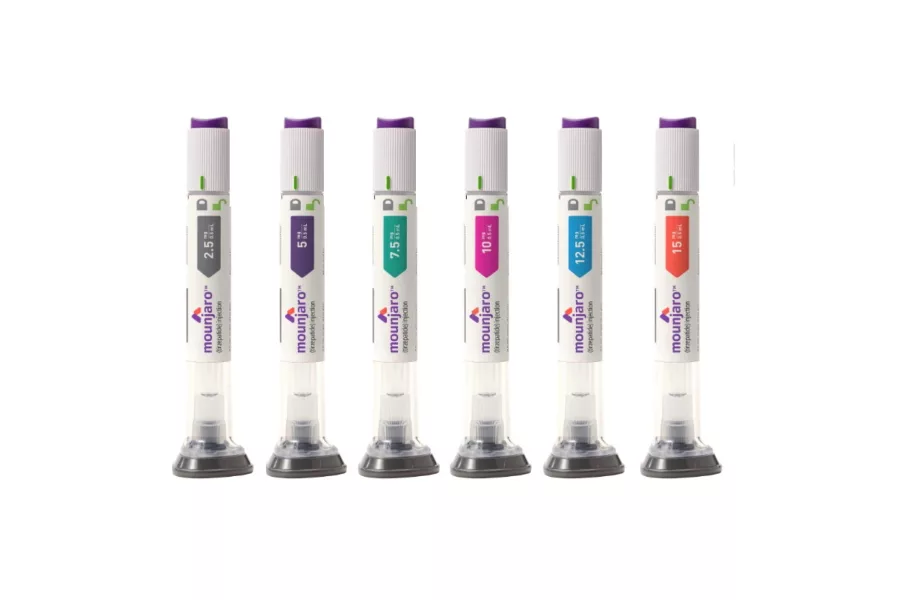
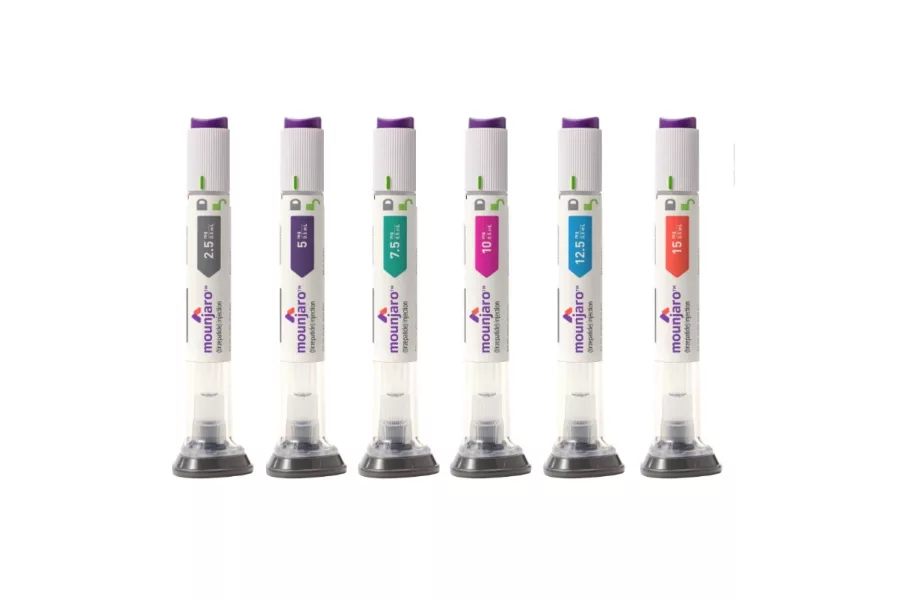
Mounjaro® (tirzepatide)
- September 26, 2023
- By Fernando Amato
Mounjaro® (tirzepatide) and its Revolution in Type 2 Diabetes Treatment and Weight Loss
The world of health has witnessed countless innovations over the years, and the introduction of Mounjaro® (tirzepatide) into the medical landscape is certainly one of them. If you haven't heard about this substance yet, now is the perfect time to familiarize yourself.
What is Mounjaro® (tirzepatide)?
First, before we delve deeply into the clinical implications of this medication, it is essential to understand what tirzepatide is. Thus, this revolutionary compound is the first dual glucose-dependent insulinotropic polypeptide (GIP) and glucagon-like peptide-1 (GLP-1) receptor agonist. Tirzepatide emerged as a therapeutic option to optimize glycemic control in adults with type 2 diabetes, always as a complementary treatment to diet and exercise.
The Impact on Type 2 Diabetes Treatment
Type 2 diabetes is an illness that affects a significant portion of the global population, leading to various severe comorbidities, such as kidney failure, blindness, amputations, and cardiovascular diseases. In this complex scenario, Mounjaro® brings hope.
Thus, the efficacy of tirzepatide in reducing HbA1c, an essential marker in diabetes monitoring, signifies a potential decrease in long-term microvascular complications for many patients. When comparing tirzepatide with other therapies, it stands out for providing more effective glycemic control, thus representing a remarkable evolution in the treatment of type 2 diabetes.
Weight Loss and Mounjaro®
For many, weight loss is a constant battle, and tirzepatide could be a potential ally in this fight. In addition to its impressive impacts on diabetes, studies have revealed that Mounjaro® resulted in a decrease of up to 23% of body weight in people who do not have diabetes. Thus, although the current approval of the medication does not include weight loss, the observed benefits may eventually expand its use to this area.
Safety and Adverse Considerations
Any medical treatment has its risks, and Mounjaro® is no exception. Therefore, it is essential to be aware of possible side effects. Some of the most reported effects are gastrointestinal in nature, such as nausea, diarrhea, and vomiting, and others, such as loss of appetite. Furthermore, tirzepatide is associated with more serious risks, such as the development of thyroid tumors, including cancer.
Patient safety is paramount, which is why healthcare professionals administer this medication via weekly subcutaneous injection and never mix it with insulin.
Conclusion
Mounjaro® (tirzepatide) is, without a doubt, a remarkable addition to the therapeutic repertoire for type 2 diabetes and, perhaps in the future, for weight loss. However, as with any treatment, it is crucial that patients and doctors are well-informed and discuss extensively the potential risks and benefits.
For those in the plastic surgery community, staying informed about advancements like this is vital, as it can affect many patients seeking aesthetic procedures and weight-management related treatments. Being aware of new developments is another step in the quest to provide the best possible care to all patients.
Questions and Answers
What is Mounjaro®?
- Mounjaro® is a medication whose active ingredient is tirzepatide, approved to treat adults with type 2 diabetes, acting as a supplement to diet and exercise.
What is the main innovation of tirzepatide?
- Tirzepatide is the first dual glucose-dependent insulinotropic polypeptide (GIP) and glucagon-like peptide-1 (GLP-1) receptor agonist, acting on two natural incretin hormones.
Is Mounjaro® only for treating type 2 diabetes?
- Currently, its approval is focused on the treatment of type 2 diabetes, but studies have shown that it can also reduce body weight in people without diabetes.
How much weight can a person without diabetes lose with Mounjaro®?
- Studies indicated a decrease of about 23% of body weight in people without diabetes when using Mounjaro®.
Does tirzepatide have side effects?
- Yes, the most common side effects are gastrointestinal in nature, such as nausea, diarrhea, vomiting, constipation, indigestion, and abdominal pain.
Are there risks associated with the use of Mounjaro®?
- Yes, one of the risks is that tirzepatide can cause thyroid tumors, including cancer.
Can Mounjaro® be administered with insulin?
- Mounjaro® should be administered by weekly subcutaneous injection and should not be mixed with insulin in the same injection.
Is tirzepatide recommended for all patients with type 2 diabetes?
- Not necessarily. Patients with medullary thyroid carcinoma or Multiple Endocrine Neoplasia type 2 (MEN 2) syndrome should not use tirzepatide.
Why is it important to combine Mounjaro® with diet and exercise?
- Regulatory authorities approved Mounjaro® as an adjuvant treatment to diet and exercise, which means it optimizes glycemic control when combined with a healthy lifestyle.
Are there expectations that Mounjaro® will be approved for weight loss treatments in the future?
- Although regulatory authorities have not yet specifically approved it for weight loss at this time, the observed benefits in body weight indicate the possibility of considering it for this indication in the future. However, more studies and evaluations are needed.
How much does Mounjaro cost?
- In the United States it costs approximately 950 dollars, which means in Brazil it will not be less than 5000 reais.
Related articles



Agendar consulta
Precisa de orientação personalizada?
Marque uma avaliação com o Dr. Fernando Amato e tire as suas dúvidas sobre cirurgia plástica.
Falar no WhatsApp