
- Surgeries, Breasts
The reasons behind the choice for breast explantation: health, well-being and the different stages of a woman's life
- April 26, 2023
- By Fernando Amato
The reasons behind the choice for breast explantation: health, well-being and the different stages of a woman's life
Introduction:
Various factors, ranging from health to changes in aesthetic preferences, can motivate the decision to undergo breast explantation. In this article, we will explore the reasons that lead women to choose to remove breast implants and the impact of this decision at different moments of their lives.
The importance of breasts in a woman's life:
Breasts play a fundamental role in women's lives, both from a biological and social point of view. In addition to being organs responsible for breastfeeding, breasts also have cultural and aesthetic significance, and can influence self-esteem and the perception of femininity.
Diseases and complications associated with implants:
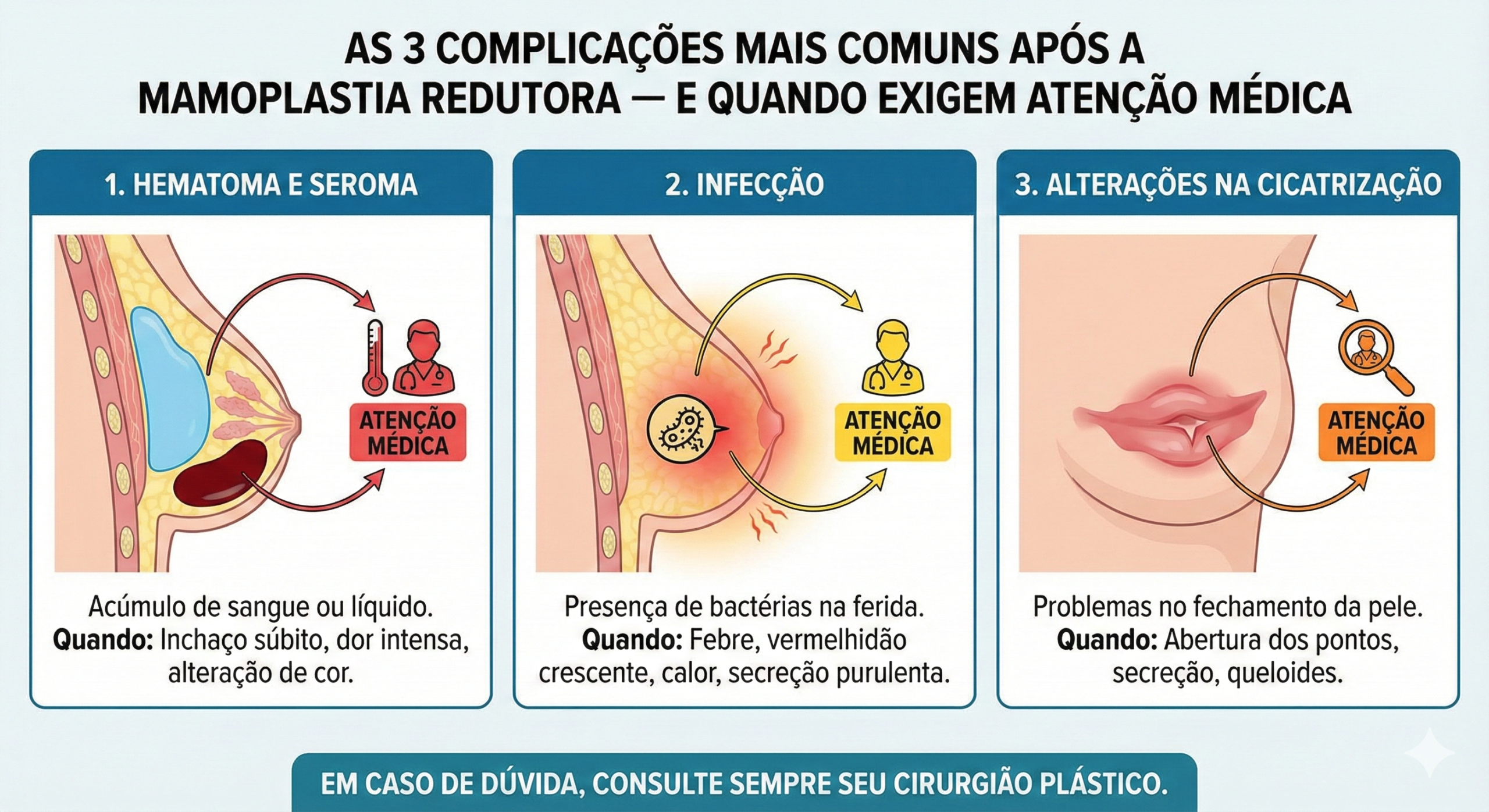
Breast implants can cause a series of complications and health problems. Some of these issues include capsular contracture, infections, implant rupture or leakage, ASIA syndrome (autoimmune/inflammatory syndrome induced by adjuvants), and the so-called "silicone illness". There is a rare form of cancer called anaplastic large cell lymphoma associated with breast implants (BIA-ALCL). However, these problems can lead women to opt for explantation as a way to prevent or treat such complications.
Local complications related to implants:
Breast implants can also cause local complications, such as rippling (visible ripples on the skin surface), bottoming out (implant drop and nipple elevation), cascade deformity, double bubble (when the implant slides below the inframammary fold), implant malposition, and rotated implant. Thus, these complications can affect the appearance of the breasts and lead women to consider explantation to correct such problems.
The need for multiple surgeries:
Breast implants are not permanent devices and may eventually need to be replaced. Generally, replacement is done every 10 to 15 years, but the need for replacement varies depending on each case. Some women opt for explantation to avoid the need for future surgeries and the risks associated with them.
Different moments in life:
Women's priorities change over time, affecting their perception and preference regarding breast implants and their breasts.
Thus, at certain stages of life, such as motherhood, women may opt for explantation to facilitate breastfeeding or simply to feel more comfortable with themselves.
Changes in aesthetic trends and the search for a more natural appearance can influence the decision for explantation.
Conclusion:
In short, the choice for breast explantation is a complex and multifaceted decision, involving aspects of health, well-being, and the influence of different stages of a woman's life. It is fundamental to well inform women about the risks and benefits associated with breast implants.
Therefore, qualified professionals must guide them on this journey, ensuring that the decision for explantation is made based on each patient's individual needs and desires.
Playlist

Breast Explantation and Reconstruction
3:09
Breast explantation
2:57
Lipolaser and fat grafting
2:58
Have you heard about ASIA Syndrome?
4:38
What is Silicone Disease?
5:03
Breast Reconstruction: plastic surgery
2:59
Breast Prosthesis: when to change it?
2:05
Questions about Breast Surgery?
5:30
Related articles



Agendar consulta
Precisa de orientação personalizada?
Marque uma avaliação com o Dr. Fernando Amato e tire as suas dúvidas sobre cirurgia plástica.
Falar no WhatsApp