
- Treatments
Melasma: What it is and how to treat this skin disorder
- October 6, 2024
- By Fernando Amato
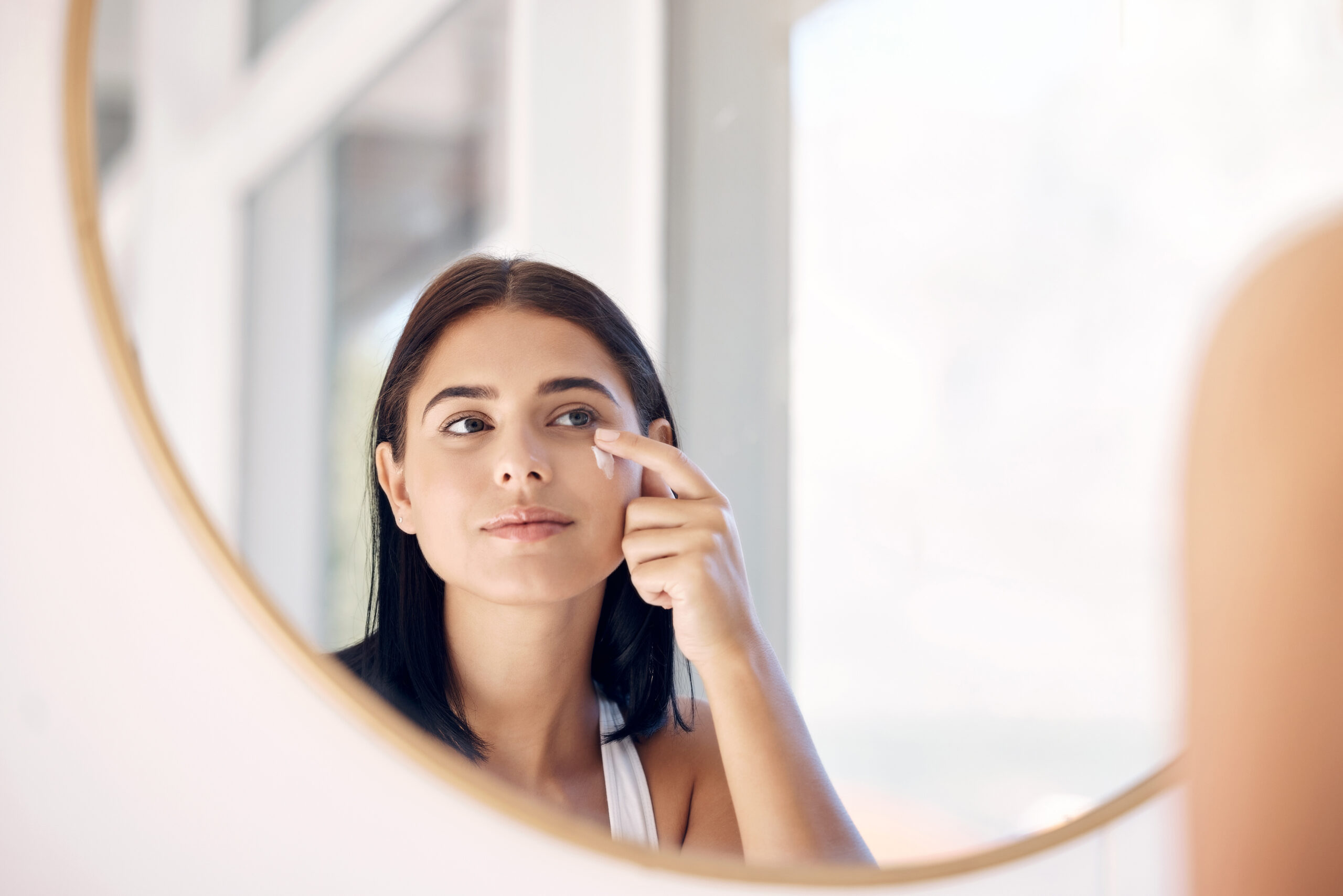
Melasma is a dermatological condition characterized by dark spots on the skin, usually in sun-exposed areas such as the face, décolletage, and arms. However, this hyperpigmentation commonly occurs among women, especially during pregnancy, and hormonal factors and sun exposure can trigger it.
Main characteristics of melasma
Nevertheless, brown or grayish melasma patches appear symmetrically on the cheeks, forehead, nose, and chin. Although melasma is not dangerous, it can cause aesthetic and psychological discomfort, impacting self-esteem.
👩⚕️ Article highlights:
1. Melasma is a chronic and recurrent condition.
2. Sun exposure is one of the main triggering factors.
3. Adequate photoprotection is crucial for control.
4. Topical and oral treatments are available.
5. Preventive care is essential to minimize recurrences.
What causes melasma?
The main factors contributing to the development of melasma include:
Sun exposure: Ultraviolet (UV) rays are the biggest culprits for the excessive production of melanin, the pigment that gives color to the skin.
Hormonal changes: Common, then, in pregnant women (called “chloasma” or “mask of pregnancy”) and in people using hormonal contraceptives.
Genetic predisposition: People with a family history of melasma are more likely to develop the condition.
Inflammatory and oxidative factors: Skin inflammation and oxidative stress can stimulate melanin production, worsening melasma.
Treatments for melasma
Although melasma has no cure, there are several treatment options that help lighten spots and prevent new outbreaks. Therefore, the main goal of treatments is to reduce affected areas, minimize lightening time, and avoid side effects. Here are some of the most common approaches:
1. Photoprotection
Photoprotection, however, is fundamental for the treatment and prevention of melasma. Thus, daily use of sunscreen with a sun protection factor (SPF) of 30 or higher is essential. Reapplication is recommended every 3 to 4 hours, especially if directly exposed to the sun.
Furthermore, the SPF should offer protection against UVA, UVB, and visible light, ideally supplemented by makeup with sun protection. Studies, therefore, indicate that the addition of iron oxide to the sunscreen's composition can increase protection against visible light, which is important for those suffering from melasma.
2. Topical treatments
Topical treatment, however, consists of using lightening agents and active ingredients that directly inhibit melanin production and remove pigments present in the superficial layers of the skin. Some of the most used active ingredients include:
Hydroquinone: One of the most effective lightening agents, it should be used with care and for a limited time to avoid irritation.
1 – Retinoic acid: Promotes cell renewal, helping to remove pigmented cells.
2 – Ascorbic acid (Vitamin C): A potent antioxidant that helps brighten the skin and prevent future damage.
3 – Glycolic acid: An alpha-hydroxy acid that promotes exfoliation and cell renewal.
Tretinoin: Accelerates epidermal turnover, dispersing pigment.
3. Oral treatments
Oral antioxidants, however, have gained popularity in the treatment of melasma, especially due to their ability to protect the skin from UV radiation damage. Thus, some of the main recommended antioxidants include:
Polypodium leucotomos: An oral photoprotector derived from a tropical fern, which offers additional protection against the effects of the sun.
Lutein and Astaxanthin: Potent antioxidants that help neutralize free radicals and reduce inflammation.
Chloroquine and Hydroxychloroquine: Occasionally used as oral photoprotectors on days of prolonged sun exposure.
Preventive care
In addition to available treatments, melasma requires a routine of care to prevent the condition from worsening. Here are some important tips:
Avoid direct sun exposure, especially during peak hours.
Wear hats and protective clothing to minimize sun exposure.
Adopt a skincare routine, including gentle cleansing and adequate hydration.
Avoid irritating products, which can trigger inflammation and worsen melasma.
Melasma in pregnancy
Gestational melasma is common due to hormonal changes. During pregnancy, treatment is more limited, but some safe options include the use of mild acids, such as glycolic acid and azelaic acid, and continuous use of photoprotection.
Aesthetic treatments for melasma
In addition to topical and oral options, some aesthetic treatments can therefore be effective in lightening melasma spots, such as:
Chemical peel: Uses acids to promote skin renewal.
Microneedling: Stimulates collagen production and can be combined with lightening agents.
Intense Pulsed Light (IPL): Helps treat hyperpigmentation but should be used with caution on sensitive skin.
Conclusion
Although melasma is a challenging condition, with appropriate treatment and preventive care, it is possible to minimize its manifestations. If you suffer from melasma, consult a specialist to evaluate the best treatment plan for your case.
Frequently Asked Questions:
1. Is melasma curable?
• No, melasma is a chronic condition, but its symptoms can be controlled with proper treatment.
2. Is sunscreen enough to prevent melasma?
• Sunscreen is essential, but it should be supplemented with other precautions, such as wearing a hat and avoiding sun exposure.
3. Can pregnant women treat melasma?
• Yes, there are safe treatments for pregnant women, such as the use of mild acids and strict sun protection.
4. Does melasma worsen in summer?
• Yes, due to increased sun exposure, melasma tends to intensify during warmer months.
5. Can melasma disappear on its own?
• In some cases, such as gestational melasma, the spots may lighten after pregnancy, but it usually requires continuous treatment.
Keywords:
#melasma #melasmatreatment #skincare #photoprotection #skinspots
Related articles


Agendar consulta
Precisa de orientação personalizada?
Marque uma avaliação com o Dr. Fernando Amato e tire as suas dúvidas sobre cirurgia plástica.
Falar no WhatsApp