
- Plastic surgery
What is Inverted Nipple and How to Treat It?
- February 5, 2025
- By Fernando Amato
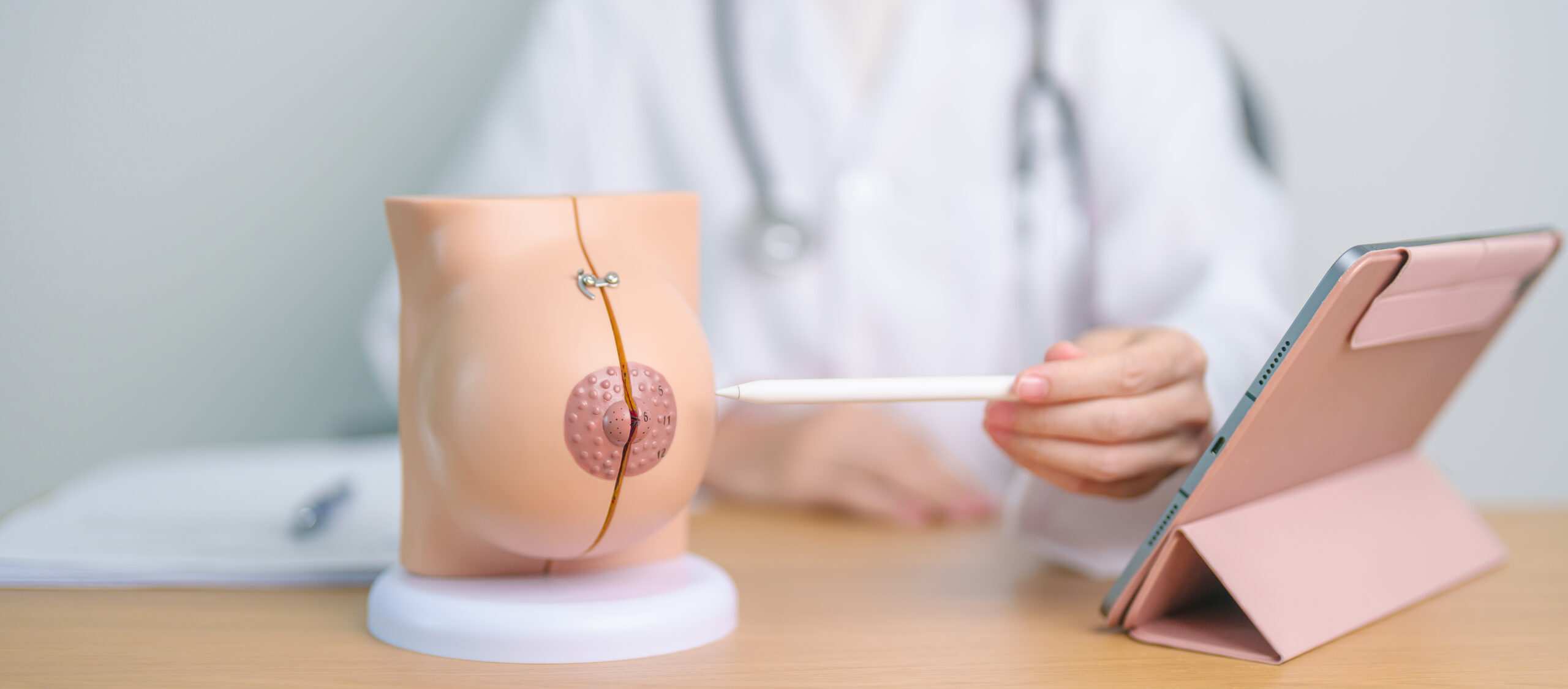
An inverted nipple is a condition in which the nipple retracts inward into the areola, instead of protruding outwards as expected. This condition can occur in one or both breasts and, although it is often just an aesthetic characteristic, it can also be associated with functional changes, such as difficulty breastfeeding or, in rare cases, underlying health problems.
However, this condition can cause emotional discomfort, low self-esteem, and even daily limitations. But fortunately, there are effective treatment options to correct the problem.
Article Highlights
- 🌟 Inverted nipples can be congenital or acquired throughout life.
- 🌟 Simple methods, such as suction devices, can correct mild cases.
- 🌟 Plastic surgeries are an effective option for more severe grades.
- 🌟 The condition is rarely serious, but can affect self-esteem and breastfeeding.
- 🌟 Consult a specialist for a detailed and personalized evaluation.
👇 Check out this article:
- What characterizes an inverted nipple.
- Main causes of the problem.
- Available treatment options.
- When to seek medical help.
Understanding the Inverted Nipple
An inverted nipple occurs when the milk ducts, which are structures that carry milk to the nipple, are shorter or retracted, pulling the nipple inward. Doctors classify this condition into three main grades, according to severity:
1. Grade 1 (mild): The patient can manually project the nipple, which tends to remain outside without difficulty.
2. Grade 2 (moderate): It is possible to manually project the nipple, but it retracts quickly.
3. Grade 3 (severe): The nipple remains completely retracted and the patient cannot manually project it.
The doctor evaluates the degree of nipple inversion to determine the most appropriate treatment.
Main Causes of Inverted Nipple
An inverted nipple can arise from birth (congenital) or develop throughout life. See the main associated factors below:
1. Congenital Causes:
• Alterations in the formation of milk ducts, making them shorter.
• Breast tissue structure that favors retraction.
2. Acquired Causes:
- Inflammatory processes: Infections or inflammations in the breast tissue can lead to shortening of the ducts.
- Previous surgeries: Breast interventions, such as reduction or reconstruction, can affect the milk ducts.
- Diseases: In rare cases, breast cancer can cause nipple inversion, especially when the inversion occurs suddenly.
- Hormonal changes: Pregnancy, breastfeeding, or menopause can influence nipple shape.
👉 Attention: If nipple inversion appears suddenly or is accompanied by other symptoms, such as pain, discharge, or lumps, it is essential to seek medical evaluation.
How to Treat Inverted Nipple?
The treatment for an inverted nipple, however, depends on the degree of the condition and the impact it has on the person's life. Options can therefore be classified as non-invasive and surgical.
1. Non-Invasive Methods
These options are more indicated for mild to moderate cases, and include:
- Use of Suction Devices: Small devices, such as specific shells or vacuum pumps, can help gradually project the nipple.
- Massages and Manual Stimulation: Massage techniques can be effective in stimulating projection, especially in mild cases.
- Inverse Pressure Exercises: With medical guidance, manual exercises can help lengthen the milk ducts.
These approaches require patience and consistency, but can be an effective solution for those seeking non-surgical alternatives.
2. Surgical Treatment
Thus, in more severe cases, or when non-invasive methods do not show results, plastic surgery may be the best solution. The main techniques include:
- Release of Milk Ducts: This procedure then cuts or releases the shortened ducts that are retracting the nipple.
- Local Reconstruction: In some cases, it may be necessary to reinforce the base of the nipple to prevent further retraction.
- Use of Skin Grafts: Small skin grafts can be used to support nipple projection.
Surgery is generally performed under local anesthesia and has a good success rate, with minimal scars. Thus, recovery time is usually fast, and the results are lasting.
👉 Learn more about anesthesia and how it is used in plastic procedures.
When to Seek a Specialist?
Therefore, if you are dissatisfied with the appearance of your nipples or notice that the inversion is causing difficulty with breastfeeding, do not hesitate to seek a plastic surgeon. Furthermore, if nipple inversion has appeared suddenly, it is essential to seek medical evaluation to rule out more serious conditions, such as breast cancer.
Remember: correcting an inverted nipple is not just an aesthetic matter; it can be an important step for your health and well-being.
Post-Treatment Care
After treatment, some care may be necessary to ensure recovery and desired results:
- Avoid pressing the treated area during the first few days.
- Use appropriate and comfortable bras.
- Follow all medical recommendations, including hygiene of the area and possible medications.
- In case of surgery, avoid physical exertion for at least 15 days.
Conclusion
An inverted nipple can be safely corrected, either through simple treatments or surgical techniques. If you have questions or want to know the best approach for your case, schedule a consultation with Dr. Fernando Amato, a plastic surgery specialist, for a detailed and personalized evaluation. Take care of your health and self-esteem!
Frequently Asked Questions (FAQ)
1. What is an inverted nipple?
It is the condition in which the nipple retracts inward into the areola, instead of protruding outwards.
2. Is an inverted nipple serious?
In most cases, it is not serious and may only be aesthetic. However, if it appears suddenly, it may indicate more serious problems, such as breast cancer.
3. Is there treatment for an inverted nipple?
Yes. Treatment can be non-invasive or surgical, depending on the severity of the case.
4. Can an inverted nipple make breastfeeding difficult?
Yes, in some cases, especially in more severe grades.
5. Is it possible to correct an inverted nipple without surgery?
Yes, methods like suction devices and massages can help in mild to moderate cases.
6. How do I know if my inverted nipple needs surgery?
The need for surgery depends on the degree of inversion and the impact it has on your life.
7. Does inverted nipple surgery leave a scar?
The scars are small and barely visible, as the incisions are discreet.
8. How long does it take to recover from inverted nipple surgery?
The average recovery time is 7 to 15 days.
9. Is congenital inverted nipple hereditary?
There may be a genetic component in some cases, but it is not always hereditary.
10. Is surgery to correct an inverted nipple permanent?
In most cases, yes. Surgical results are long-lasting.
Keywords:
#nipple #invertednipple #treatment #plasticsurgery #breastfeeding
Related articles


Agendar consulta
Precisa de orientação personalizada?
Marque uma avaliação com o Dr. Fernando Amato e tire as suas dúvidas sobre cirurgia plástica.
Falar no WhatsApp