
- Surgeries, Body, Diseases
Liposuction on the Legs
- January 18, 2024
- By Fernando Amato
Liposuction for Legs: Aesthetics and Relief in Lipedema
Liposuction on the Legs: An Option to Improve Contour and Treat Lipedema
Liposuction is a popular surgical procedure, known for reshaping and improving body contour by removing excess fat. On the legs, liposuction is not just an aesthetic matter, but can also be an effective treatment for a medical condition known as lipedema.
What is Liposuction?
Firstly, liposuction, or lipoplasty, is a surgical technique that removes excess fat from specific areas of the body. Therefore, it basically uses a device (cannula) for mechanical removal and aspiration of fat, resulting in a more defined body contour.
Liposuction on the Legs: Aiming for Aesthetics and Health
Aesthetic Improvement
On the legs, liposuction can be performed to improve contour and appearance. Additionally, many people seek this procedure to eliminate fat deposits that are resistant to diet and exercise.
Treatment of Lipedema
On the other hand, lipedema is a chronic condition that causes disproportionate fat accumulation in the legs, often accompanied by pain and swelling. Thus, liposuction on the legs can be an effective treatment for lipedema, helping to reduce leg volume, relieve pain, and improve mobility.
Understanding Lipedema
Lipedema is a disease that primarily affects women and is characterized by an abnormal accumulation of adipose tissue, mainly in the legs. This accumulation is not caused by excess weight or lack of exercise, but by an irregular fat distribution that can be genetic, associated with a triggering factor that promotes inflammation and fat accumulation in the area. Lipedema is often confused with obesity or lymphedema, but it is a distinct condition.
Liposuction Process for Lipedema Treatment
Medical Evaluation
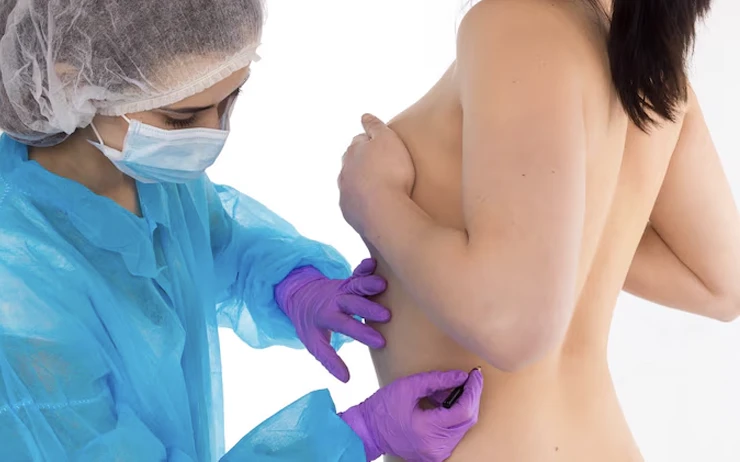
However, before performing liposuction, a detailed medical evaluation is crucial. This includes a physical examination and, possibly, imaging tests to confirm the diagnosis of lipedema and assess the extent of the condition.
The Surgery
During liposuction, the surgeon makes small incisions in the legs and inserts a cannula to break up and aspirate adipose tissue. Furthermore, the procedure can take several hours, depending on the extent of the treated area.
Recovery and Results
Recovery from leg liposuction can take several weeks. Patients usually need to wear compression garments and may experience swelling and bruising. Therefore, the final results are generally observed several months after the surgery.
Benefits and Risks
Benefits
- Improves the contour and appearance of the legs.
- Relieves symptoms associated with lipedema, such as pain and swelling.
- Can improve mobility and quality of life.
Risks
Like any surgical procedure, liposuction has risks, including infection, bleeding, and reactions to anesthesia. You should choose a qualified plastic surgeon and discuss all risks and benefits with them before proceeding.
Conclusion
Liposuction on the legs offers not only an aesthetic solution to improve body contour, but also significant relief for patients with lipedema. This procedure can be a valuable option for those seeking an improvement in both appearance and quality of life. As always, consultation with a medical professional is essential to understand the options and make an informed decision.
Frequently Asked Questions
1. Is liposuction on the legs safe?
- Yes, when performed by a qualified surgeon, but like any surgery, it has risks that should be discussed.
2. What is the difference between liposuction and liposculpture?
- Liposuction removes fat, while liposculpture involves removing and repositioning fat to improve body contour.
3. How long does it take to recover from leg liposuction?
- Generally, full recovery takes a few weeks, but varies depending on each patient.
4. Does liposuction permanently eliminate lipedema?
- Liposuction can significantly alleviate the symptoms of lipedema, but it is not a definitive cure for the condition.
5. What are the signs of lipedema?
- Fat accumulation in the legs, pain, and swelling are common symptoms of lipedema.
6. Can anyone undergo leg liposuction?
- No, a medical evaluation is necessary to determine if you are a suitable candidate for the procedure.
Related articles


Agendar consulta
Precisa de orientação personalizada?
Marque uma avaliação com o Dr. Fernando Amato e tire as suas dúvidas sobre cirurgia plástica.
Falar no WhatsApp